Seared Halibut with Mushrooms and Greens
By Emma
Certified Culinary Professional
·
Recipe tested & approved
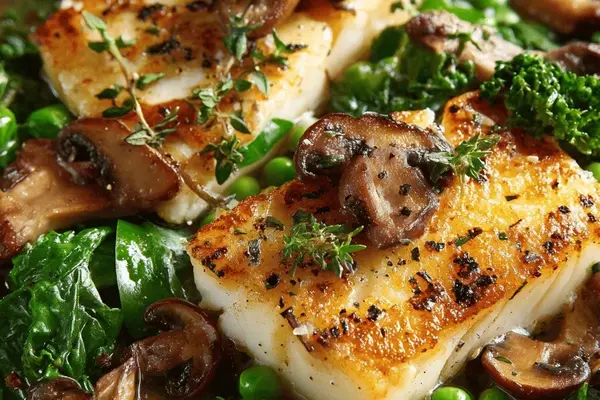
Pan seared halibut fillets with shiitake mushrooms, baby kale, and peas in a light vegetable broth. Finished with nutty browned butter for a restaurant-quality weeknight seafood dinner.
Prep:
25 min
Cook:
17 min
Total:
42 min
Servings:
4 servings
Sear the halibut skin side down first—that’s where the crisp happens. Flesh goes up, gets gentle heat, stays tender all the way through. Three minutes and it’s done. The butter browns while you’re watching, turns this dark hazelnut color, and that’s everything. Pour it over the fish. Don’t skip that part.
Why You’ll Love This Pan Seared Halibut with Greens
Takes 42 minutes start to finish. Actual cooking is maybe 17 minutes. One skillet, mostly. Minimal cleanup. Tastes like you planned this for days but honestly took 25 minutes prep. Works on a weeknight when you need something fast that doesn’t taste rushed. Healthy without feeling like you’re eating something healthy. Just good fish, mushrooms that taste like mushrooms, greens that aren’t bitter for once.
What You Need for Halibut Dinner
Four halibut fillets. About 140 grams each. Thick enough that they don’t fall apart. Olive oil. 25 milliliters total—half for the fish, half for the mushrooms. More if you want. Doesn’t hurt. Unsalted butter. 20 grams. Not margarine. The browning matters. Shiitake mushrooms. 180 grams. Sliced thin. They shrink down so don’t be shy about the pile. Low sodium vegetable broth. 150 milliliters. Just enough to bring everything together without drowning it. Frozen peas. 250 grams. Thawed. Fresh works too but frozen are easier and actually better here—less likely to get mushy. Baby kale. 150 grams. Not mature kale. Baby kale wilts in a second and tastes less like eating a leaf. Salt and pepper. Of course. Fleur de sel if you’re feeling fancy. Optional. Really optional.
How to Make Pan Seared Halibut with Browned Butter
Get a large nonstick skillet hot over medium-high heat. Medium-high, not high—you want the halibut to brown gently, not char the outside before the inside cooks.
Add half the olive oil—about 12 milliliters—and let it shimmer for maybe 20 seconds. Lay the fillets in flesh side down. Don’t move them. This is where people mess up. You leave them alone for three minutes and that’s when the browning happens. Salt and pepper the top side while they sit there. After three minutes, the flesh should be pale gold and the edges should be starting to look opaque.
Flip them. Skin side down now. Drop in the butter. It’ll sizzle immediately. Start swirling the pan—tilting it so the melting butter coats the fish constantly. Watch it. The butter goes from yellow to golden to this dark brown, almost hazelnut color. Takes maybe two minutes. That’s the moment. When it smells nutty and looks amber-brown, pull the fish out and set it on a plate brown side up. Spoon that browned butter right over the fillets. It cools fast so don’t wait.
Wipe the skillet clean. Not washed—just wipe it out with a paper towel. Add the remaining olive oil and crank the heat to high. When it’s hot, toss in the sliced shiitake mushrooms. Sprinkle salt and pepper over them. Don’t stir constantly. Let them sit for maybe two minutes, then stir, then let them sit again. You want some browning on the edges, not just softened mushrooms. Four minutes total. They should be dark in spots and smell rich.
Pour in the vegetable broth. It’ll steam. Add the thawed peas. Place the halibut back in the skillet brown side up. Bring the whole thing to a boil—takes about a minute—then reduce to a simmer. Two to three minutes is all it needs. The fish is already cooked mostly; this is just finishing it and making sure the peas are actually hot. The broth should be hot enough that steam rises. That’s done.
Remove the fish again and set on a plate. Add the baby kale to the hot broth and stir. It wilts fast—about a minute, maybe two. Don’t overthink it. You’re just softening the leaves. Taste the broth. Salt if it needs it. Probably will.
Tips for Pan Seared Fish and Avoiding Mistakes
The halibut cooks faster than you think. That’s the biggest trap. You look at it and think it still looks too raw and then you overcook it. Opaque is done. Slightly translucent in the very center is actually fine—it’ll keep cooking from residual heat. Overcooked halibut is dry and rubbery. Undercooked halibut in the middle with opaque edges is still tender.
Browned butter is everything here. Don’t use regular melted butter and call it a day. The browning takes two minutes and changes the whole dish. It tastes nutty and deeper and makes the fish taste less boring. If your butter goes black—burned black, not dark brown—wipe it out and start over. Burned tastes bad.
The mushrooms need actual heat to brown. Low heat will just soften them. High heat gets them caramelized on the edges which is what you want. Same with the kale—if the broth isn’t hot when you add it, it takes forever to wilt.
Frozen peas over fresh here, honestly. Fresh peas can get mealy if the heat’s too high. Frozen peas are sturdier and thaw quickly in the hot broth.
Seared Halibut with Mushrooms and Greens
Prep:
25 min
Cook:
17 min
Total:
42 min
Servings:
4 servings
Ingredients
- 4 halibut fillets about 140 g each
- 25 ml olive oil
- 20 g unsalted butter
- 180 g shiitake mushrooms sliced
- 150 ml low sodium vegetable broth
- 250 g frozen peas thawed
- 150 g baby kale
- fleur de sel optional
Method
- 1 Heat a large nonstick skillet over medium-high. Add half the olive oil and gently sear halibut fillets flesh side up for 3 mins until lightly browned. Salt and pepper. Add butter and cook, swirling pan until butter turns golden hazelnut color. Remove fish, place brown side up on plate. Spoon browned butter over.
- 2 Wipe skillet, add remain olive oil, and increase heat to high. Toss in sliced shiitake mushrooms. Sprinkle salt and pepper, sauté 4 mins until softened and browned. Pour in vegetable broth, add peas and place halibut back, brown side up. Bring to boil then reduce to simmer 2-3 mins till fish is opaque and peas tender. Remove fish again.
- 3 Add baby kale leaves to hot broth and stir until just wilted, about 1-2 mins. Taste. Adjust salt if needed.
- 4 Divide greens and peas onto plates. Place halibut atop. Scatter fleur de sel over fish if using. Serve hot.
Nutritional information
Calories
310
Protein
34g
Carbs
12g
Fat
15g
Frequently Asked Questions About Pan Seared Halibut with Mushrooms and Greens
Can I use a different fish instead of halibut? Yeah. Cod works. So does flounder. Anything white and mild. Salmon changes the whole thing—too rich. Don’t use it.
How do I know when the halibut is actually done? It goes opaque. The color shifts from that raw translucent look to solid white. Stick a fork in the thickest part and twist gently. If it flakes apart easily, it’s done. If it’s still firm and won’t separate, give it another minute.
What if I don’t have shiitake mushrooms? Cremini work. So do button mushrooms but they’re a bit watery. Oyster mushrooms are fine too. Not portobello—too earthy for this.
Can I prep this ahead? Slice the mushrooms and kale the night before. Keep them separate in containers. Don’t slice the halibut ahead—it dries out. Everything else is pretty hands-on anyway.
Why does the browned butter matter so much? The nutty flavor is what makes the fish taste interesting. Regular melted butter is just fat. Browned butter has depth. Trust it.
Is this actually healthy? It’s lean fish, vegetables, olive oil. Yeah. No cream, no heavy sauce. Just good ingredients. Probably around 400 calories per plate depending on portion sizes.
Can I make this with fresh peas instead of frozen? Frozen actually tastes better here because they hold their texture better in the hot broth. Fresh peas can get mushy. But if you have fresh and you’re careful with timing—add them right before the fish goes back in—they’re fine.
You’ll Love These Too
Explore all →
Spinach Pie with Ricotta and Feta
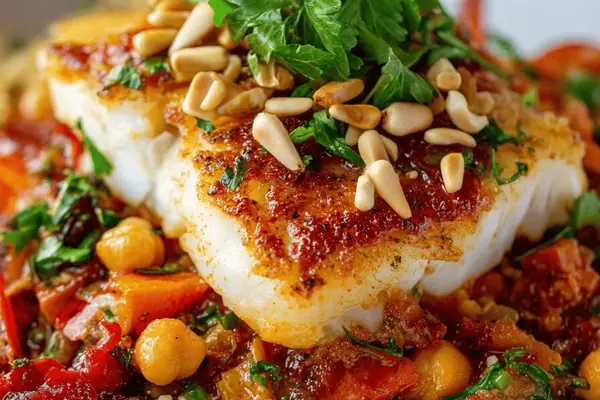
Couscous with White Fish, Chickpeas & Pine Nuts
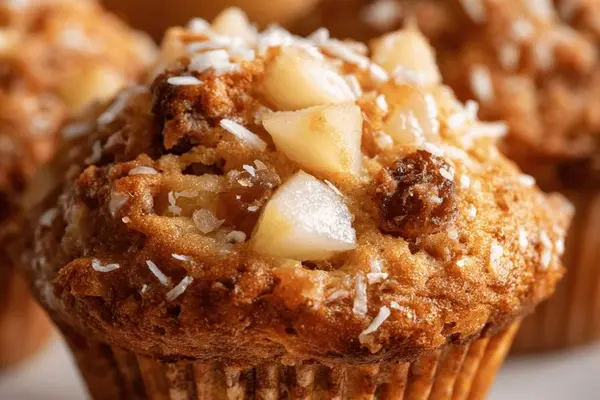
Pear Muffins with Cream Cheese Filling
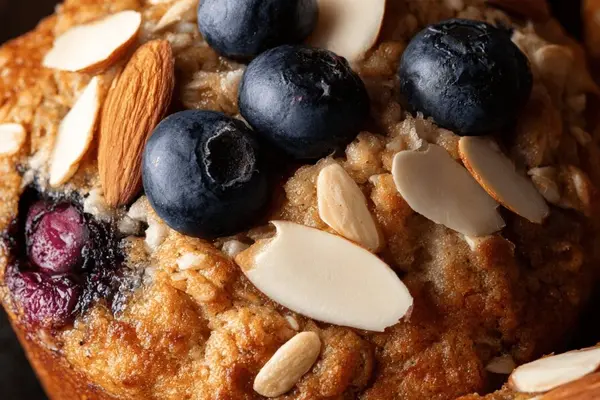
Apple Blueberry Almond Muffins Recipe

Raspberry Pound Cake with Cream Cheese Frosting
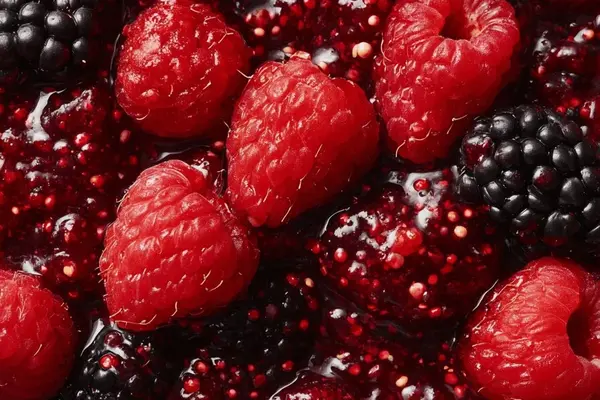
No-Cook Berry Jam with Honey and Pink Pepper
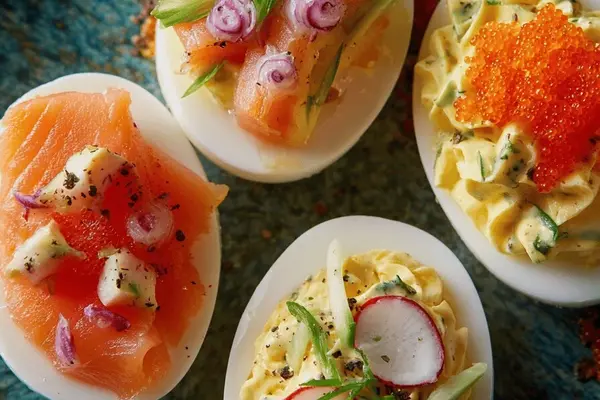
Deviled Eggs Christmas: 3 Festive Styles
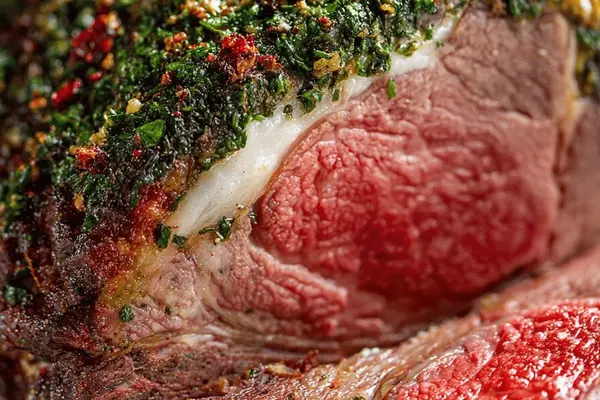
Herb Crusted Beef Roast with Smoked Maldon
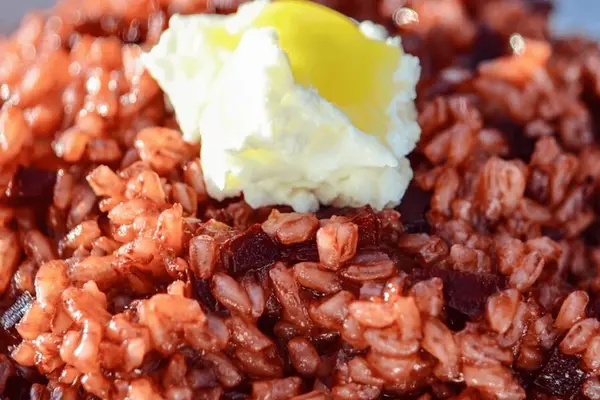
Beet Risotto with Arborio Rice & Ricotta
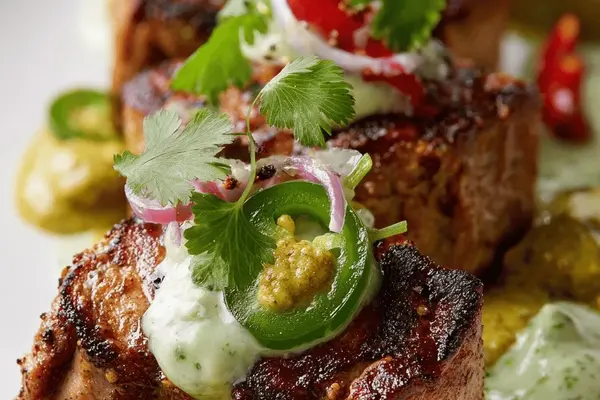
Roasted Pork Filets with Cashew Curry Sauce
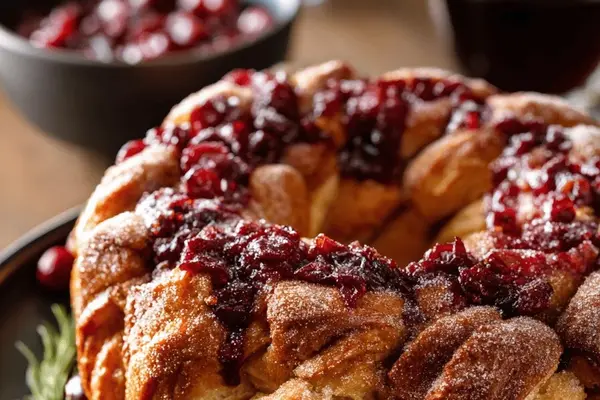
Brioche Bread with Cranberry Cinnamon Filling
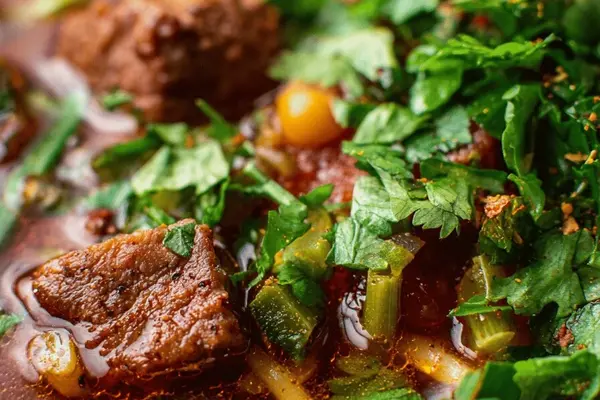
Moroccan Lamb Soup with Saffron
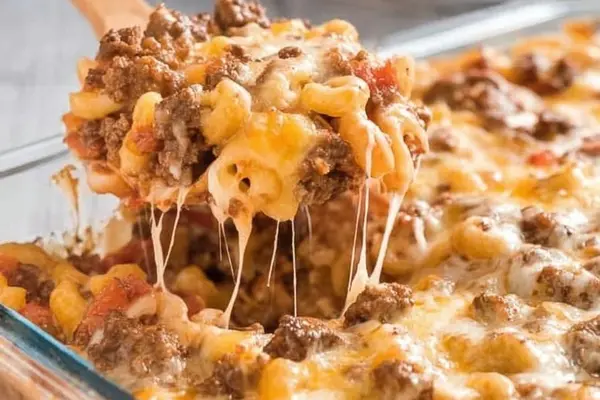
Cheeseburger Pasta Bake with Cheddar
Bacon and Egg Potato Salad Recipe

Vegetarian Chili Recipe with Beans
Muffuletta Sandwich with Kalamata Olives
Stuffed Peppers Recipe with Quinoa
Ricotta Cheesecake with Honey & Cinnamon

Donut Hole Cake Pops with Chocolate