Seafood Cabbage Omelette with Shrimp
By Emma
Certified Culinary Professional
·
Recipe tested & approved
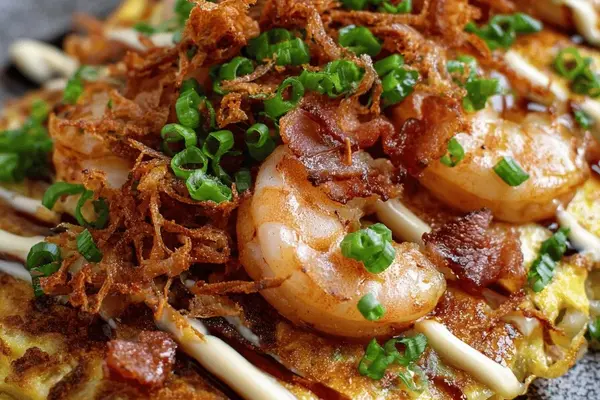
Heat oil in a nonstick pan. Cabbage hits the heat with the pancetta, and in seven minutes it’s soft, the onion’s gone translucent, shrimp gets tossed in for two more—then you fold everything into the batter. One flat round, gold on the bottom after three minutes, flips clean if you’re careful, another minute and a half and it’s done. Sliced into wedges while it’s still hot, topped with fried shallots that stay crispy, bonito flakes that actually move on the warm surface, and you’re looking at something that tastes like it took way longer than 35 minutes total.
Why You’ll Love This Japanese Egg Dish
Takes 35 minutes flat if you prep everything first. Seriously—20 minutes chopping, 15 in the pan. Done.
One skillet. One bowl. Cleanup is maybe five minutes.
Tastes like a Japanese restaurant but costs half as much. The seafood, the sesame, the tamari—it all stays in one thing instead of spread across five dishes.
Works for breakfast, lunch, dinner. Cold the next day too, though it’s better hot.
The texture is kind of the whole point. Shrimp pieces stay firm, cabbage goes soft but doesn’t disappear, pancetta gets smoky and crispy. All of it in one bite.
What You Need for a Shrimp Napa Cabbage Omelette
Three large eggs. That’s the base. Whisk them with flour and tamari until it’s smooth—the flour matters because it keeps everything together instead of being wet.
Napa cabbage. Finely shredded. Not the stuff that comes pre-shredded in bags. Cut it yourself. The texture’s different—stays in actual strands instead of turning to mush.
Medium raw shrimp, about seven of them. Peel them. Cut into chunks. Raw goes straight into the batter—it cooks through in the pan.
Pancetta, diced fine. Two and a quarter ounces. The smokiness is essential. Bacon works if that’s what you have. Ham doesn’t.
Green onion, one small one, sliced thin. Yellow onion, half of one, diced small.
Canola oil for the pan. Toasted sesame oil goes into the batter, not the pan—olive oil burns too hot.
The toppings are where it gets interesting. Crispy fried shallots. Powdered seaweed or nori, shredded. Japanese spicy mayo and tonkatsu sauce—drizzle both. Bonito flakes last. They flicker and move on the heat.
How to Make a Pan-Fried Shrimp and Cabbage Omelette
Start with the batter. Three eggs whisked smooth with the flour and tamari. Add a teaspoon of sesame oil—toasted, not raw. Stir in the green onion. Set it aside.
Heat half the canola oil in a nonstick skillet. Medium heat. Once it shimmers, cabbage goes in. And the diced yellow onion. And the pancetta. You’re looking for about seven minutes here—the cabbage softens down, the onion turns clear, the pancetta releases its smoke into everything. It’s not even trying and it already smells like a restaurant.
Two minutes after the shrimp pieces go in. Don’t stir too much. Just let them warm through and turn opaque. Fold this entire mixture into the egg batter gently—you don’t want to destroy the shrimp.
Wipe the skillet clean. Add the remaining oil. Medium heat again. Pour the batter out. Spread it flat. About half an inch thick. Not thinner or it breaks when you flip.
Three minutes. Don’t move it. The bottom needs to go golden and set enough to flip without tearing. You’ll feel the pan—it’ll be lighter because the egg’s pulled away from the edges slightly.
Flip. This is the one moment where hesitation costs you. Quick, confident, over it goes. Another minute and a half and it’s done. You can press the center gently—it gives a tiny bit but doesn’t jiggle. That’s set through.
Japanese-Style Seafood Omelette With Sesame and Pancetta Flavor
The sesame oil matters. Not sesame-flavored oil—toasted sesame oil. Cold-pressed. Put it in the raw batter, not the hot pan. Hot pan burns it and turns it bitter.
Tamari goes in the batter too. Not soy sauce. Tamari’s smoother. Soy sauce works if you have nothing else. Cut the amount by half.
The flip is the risky part. It’s only risky if you don’t commit. Nonstick pan, enough oil, it’s not actually hard. Hesitation makes it stick.
Some people cook both sides until they’re brown. That’s fine. Mine cooks 3 minutes one side, 1.5 the other because I like the second side slightly lighter. Personal thing.
The toppings go on while it’s still hot. The bonito flakes—those thin dried fish—they actually move and curl from the residual heat. That’s not just for show. That’s how you know you didn’t let it cool off too long before serving.
Fried shallots. Don’t skip them. The crunch is the only crunch here because everything else is soft. One element doing its job completely changes how your mouth reads the whole thing.
Napa cabbage shrimp pancetta eggs cook best when the pan’s hot enough but not screaming. Medium heat. Anything hotter and the outside burns before the inside sets. Anything cooler and the bottom takes forever to caramelize.
Seafood Cabbage Omelette with Shrimp
Prep:
20 min
Cook:
15 min
Total:
35 min
Servings:
2 servings or 4 starters
Ingredients
- 3 large eggs
- 60 ml (4 tbsp) unbleached all-purpose flour
- 5 ml (1 tsp) tamari
- 1 small green onion, thinly sliced
- 300 ml (1 1/4 cup) finely shredded napa cabbage
- 1/2 small yellow onion, finely diced
- 65 g (2 1/4 oz) smoky pancetta, diced
- 20 ml (1 1/3 tbsp) canola oil
- 7 medium raw shrimp, peeled and cut into 1.5 cm (2/3 inch) pieces
- 3 ml (1/2 tsp) toasted sesame oil
- 1/2 tsp powdered dried seaweed or finely shredded nori
- Japanese spicy mayonnaise to taste
- Tonkatsu sauce to taste
- 2 tbsp crispy fried shallots
- Bonito flakes to taste
Method
- 1 Whisk eggs, flour, tamari, and sesame oil in a bowl until smooth. Stir in the green onion.
- 2 Heat half the canola oil in a nonstick skillet over medium heat. Cook cabbage, onion, and pancetta until cabbage softens and onion turns translucent, around 7 minutes. Add shrimp and cook 2 minutes more.
- 3 Combine shrimp and veggie mix with egg batter, folding gently.
- 4 Wipe skillet clean. Reheat remaining oil on medium. Pour batter mixture, spread into a flat round about 1.2 cm (1/2 inch) thick.
- 5 Cook 3 minutes or until golden underneath. Flip carefully, cook an additional 1.5 minutes or until set through.
- 6 Transfer to a cutting board, slice into squares or wedges.
- 7 Plate immediately. Sprinkle seaweed powder and fried shallots on top.
- 8 Add a squiggle of spicy mayo and tonkatsu sauce. Finish with bonito flakes that flicker on the hot surface.
Nutritional information
Calories
360
Protein
20g
Carbs
18g
Fat
22g
Frequently Asked Questions About Shrimp Napa Cabbage Omelette
Can I use regular cabbage instead of napa? Not really. Regular cabbage’s tougher. Takes longer to soften and the texture stays kind of woody. Napa gets silky. There’s a reason.
What if I don’t have pancetta? Bacon works. Use less because it’s fattier. Prosciutto’s too thin. Doesn’t add anything.
Can I make this without the sesame oil? You could. Won’t be the same. It’s the whole Japanese-style vibe right there. Just taste it and see.
Should the shrimp be cooked first or raw? Raw. Raw shrimp in the batter cooks perfectly in the time it takes to fry the whole thing. Pre-cooked shrimp gets tough and rubbbery.
How do I flip it without it falling apart? Nonstick pan. Enough oil. The batter’s got enough flour to hold together. Hesitation kills you—do it fast. The shape doesn’t matter. Broken wedges taste the same.
What’s the difference between tonkatsu sauce and spicy mayo? Tonkatsu’s sweeter, ketchup-forward, tangy. Spicy mayo’s creamy and hot. Both. That’s the answer. Use both.
Can I prep this the night before? Chop everything, yes. Don’t mix the batter until you cook. Don’t marinate the shrimp. Mix and fry same day or the shrimp gets watery and the eggs separate.
You’ll Love These Too
Explore all →
Honey Mustard Dressing Recipe
Carrot Chive Soup with Fresh Leeks
Rustic Chocolate Chess Pie with Dutch Cocoa
Wild Berry Pop Tarts with Ginger Crust
Parmesan Cream Balls with Balsamic
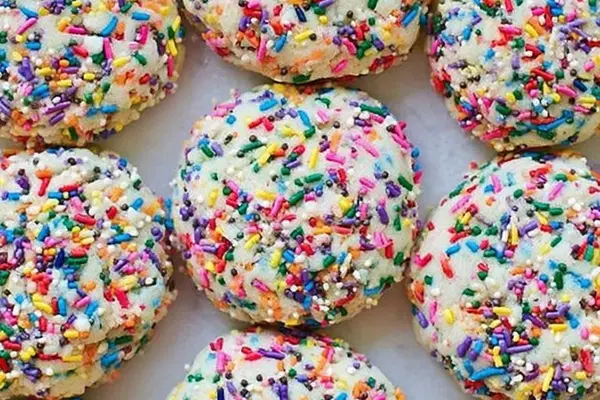
Cake Cookies From Cake Mix With Sprinkles
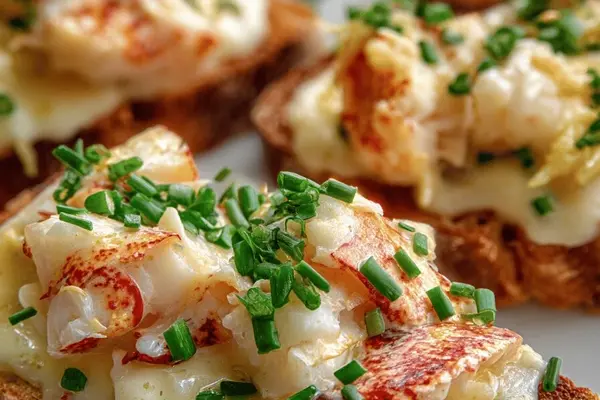
Lobster Croque-Monsieur with Béchamel Sauce
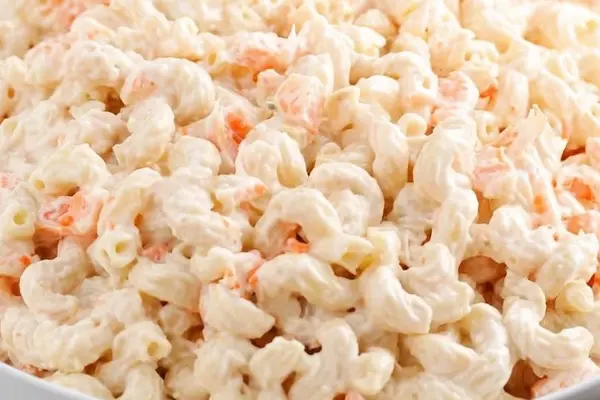
Hawaiian Macaroni Salad Recipe
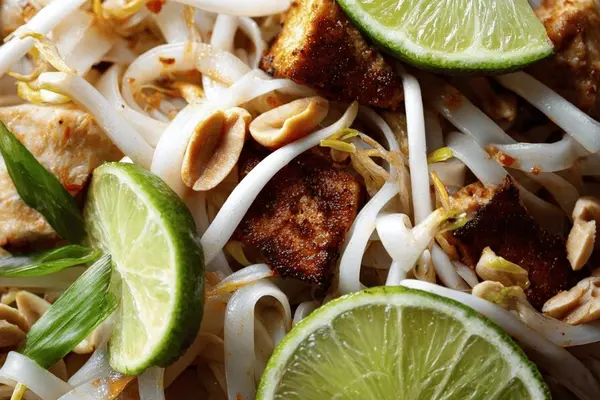
Pad Thai with Chicken, Rice Noodles & Sriracha
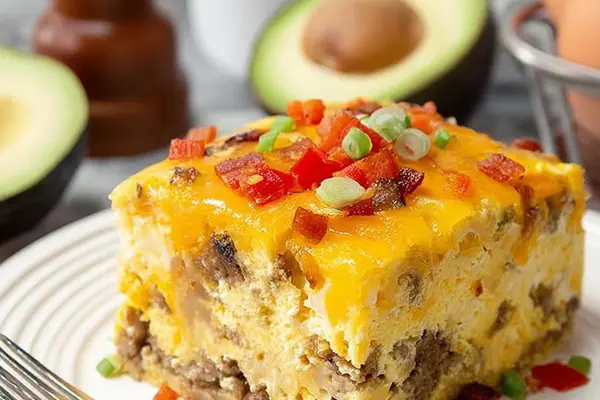
Breakfast Casserole with Sausage & Hash Browns
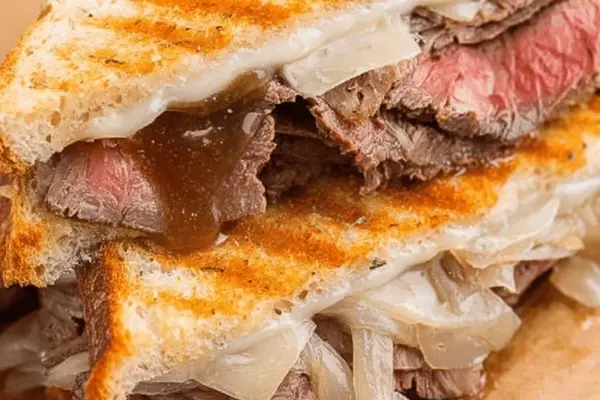
Beef Panini with Au Jus Dipping Sauce
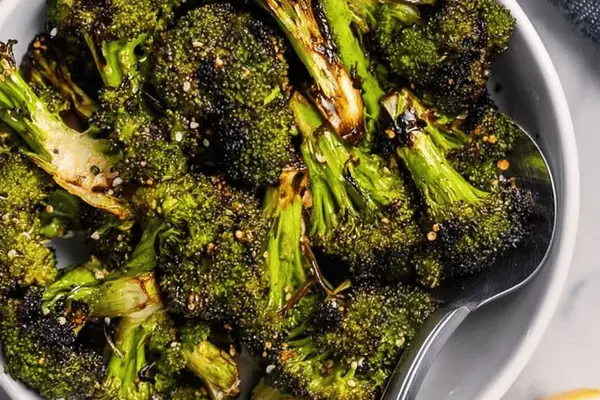
Roasted Broccoli Dishes with Garlic & Honey
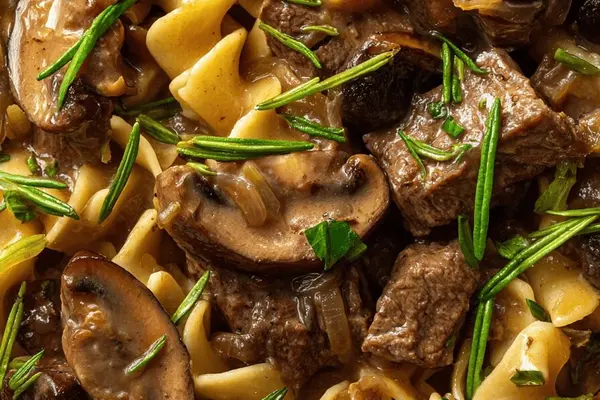
Slow Cooker Beef Stroganoff with Greek Yogurt
Pasta with Roasted Peppers and Asparagus
Crispy Air Fryer Chicken Wings with Hoisin
Creamy Cheese Tortellini with Pancetta
Pain Au Chocolat Recipe with Orange Zest
Blueberry Spinach Smoothie with Greek Yogurt
Pickle Relish Sweet with Cauliflower