Seared Scallop Orange Salad with Tulip Petals
By Emma
Certified Culinary Professional
·
Recipe tested & approved
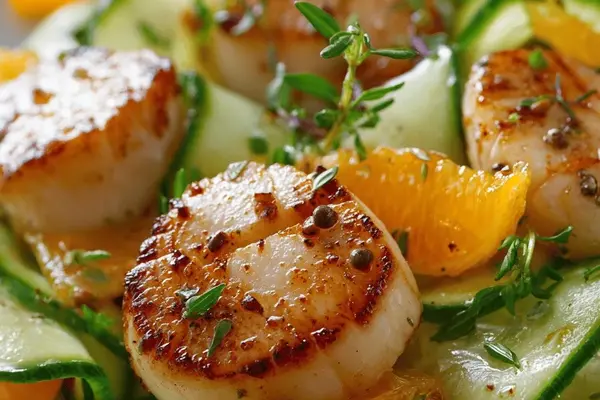
Scallops hit the pan and it’s over in two minutes. That’s the whole game here. Five of them, sliced thin, cold orange segments, cucumber that’s basically just crunch, and a dressing that’s mostly vinegar. The tulip petals are just for looks but they work. Plate it right and it’s summer on a plate.
Why You’ll Love This Seafood Salad
Takes 25 minutes total — 20 of that is prep, which isn’t nothing but it’s basically just slicing. Citrus scallop salad when you actually have the scallops is a different animal from frozen. The dressing is sharp and thin, not heavy. Works as an appetizer or a light lunch, depending on how hungry you are. Cold the next day it’s still good, maybe better — flavors lock in overnight.
What You Need for Citrus Scallop Salad
Five large scallops. Pat them completely dry first — moisture is the enemy of a good sear. One small English cucumber, peeled and deseeded, sliced thin enough that light goes through it. One large orange, segments only, no pith. The white stuff tastes like nothing and gets in the way.
Dressing is simple. White wine vinegar — 40 ml, around 2½ tablespoons if you’re not measuring. Lemon juice, fresh, about 1½ tablespoons. Extra virgin olive oil, just 2 tablespoons. Dijon mustard, one teaspoon. Honey, one teaspoon. Salt and pepper after you taste it.
Four edible tulip petals, or use small endive leaves if you can’t find them. They’re not doing anything flavor-wise. Fresh thyme, chopped fine, 15 ml. Splash of olive oil for the pan. That’s it.
How to Make Seared Scallop with Orange Dressing
Start with the dressing because it’s faster and it needs time. Whisk vinegar, lemon juice, honey, and mustard together in a small bowl. Not for show — the honey and mustard don’t dissolve on their own. Keep whisking until it’s smooth and the honey disappears into it. Then drizzle the olive oil in slowly while you keep whisking. It’s not going to fully emulsify like mayo, but it should coat a spoon. Taste it. Might need more salt. Might need more lemon. Fix it now.
Heat a nonstick skillet over medium-high. Let it get hot. Really hot. You want it shimmering but not smoking — if you see smoke it’s too much. Add a splash of oil, swirl it around. The pan’s ready when the oil moves fast.
How to Get Scallops Perfectly Seared
Drop the scallops in one at a time. Don’t crowd them. Don’t touch them. Two minutes, maybe 90 seconds if your heat’s high, until the underside is golden and actually has some color. It should smell caramelized, not fishy. Flip once. Cook the other side for 60 seconds. Look for opaque edges — that’s done. The centers should still feel springy when you push them. Bouncy. Rubbery means you’re in trouble.
Get them out of the pan immediately onto a clean plate. Let them sit for five minutes while everything cools down. This is where people mess up. They don’t rest them. The carryover cooking finishes them, and the outside stays crusty while the inside sets. Slice them thin. Like medallions. Easier to eat, less aggressive when they’re swimming in the dressing.
Toss the scallops with the cucumber and orange segments in a medium bowl. The fruit’s cold, the scallops are cooling, everything should be room temperature. Pour the dressing in gradually — don’t dump it. Taste it. Add salt or lemon juice if it needs it. Most people need more lemon.
Set the tulip petals upright on plates or in small glasses if they won’t stay. They’re just vessels. Divide the salad evenly, letting colors peek out through the petals. Sprinkle thyme over the top. Serve right now. Tulips wilt in ten minutes if you’re not moving. The whole point is the contrast between the crisp petals and the cold salad inside.
Summer Seafood Appetizer Tips and Common Mistakes
Don’t skip drying the scallops. Wet scallops won’t sear, they’ll steam. They’ll be pale and rubbery and you’ll hate the whole thing. Pat them with paper towels. Do it twice.
Pan heat is everything. Too hot and the outside burns before the inside cooks. Too cool and you get a gray, sad scallop that tastes like nothing. Medium-high. Shimmering oil. That’s the zone.
Overcook by thirty seconds and they’re done. They go from perfect to rubbery in the time it takes to blink. Better undercooked than overcooked. The heat keeps going after you pull them out — that’s carryover. Trust it.
Dressing proportion matters. One salad I made had too much vinegar and it just pooled. Cut the dressing in half if you’re nervous. You can always add more. Soggy scallops are ruined.
Cucumber needs to be thin. Thick slices dominate everything. You want crunch, not a vegetable course. Same with the orange — segments, not chunks. The salad should feel delicate.
Tulip petals are optional if you can’t find them. Small endive leaves work fine. The salad tastes the same. It just looks less impressive, but honestly most people don’t care about the plating. They care that it tastes fresh.
Thyme is standard. Chives work. Even basil if you want to go that direction. Fresh herbs matter. Dried thyme tastes like paper.
Seared Scallop Orange Salad with Tulip Petals
Prep:
20 min
Cook:
5 min
Total:
25 min
Servings:
4 servings
Ingredients
- Dressing
- 40 ml white wine vinegar (about 2½ tablespoons)
- 20 ml freshly squeezed lemon juice (approx 1½ tablespoons)
- 30 ml extra virgin olive oil (2 tablespoons)
- 5 ml runny honey (1 teaspoon)
- 5 ml Dijon mustard (1 teaspoon)
- Season with salt and freshly cracked black pepper
- Salad
- 5 large scallops, patted very dry (about 250 g)
- 1 small English cucumber, peeled, deseeded, thinly sliced
- Segments from 1 large orange
- 4 edible tulip petals, cleaned gently (or small endive leaves as a backup)
- 15 ml finely chopped fresh thyme leaves
- Splash of olive oil for cooking
Method
- Dressing
- 1 Whisk vinegar, lemon juice, honey, and mustard briskly in a small bowl until emulsified.
- 2 Slowly drizzle olive oil while whisking constantly to combine fully.
- 3 Season cautiously with salt and pepper. Refrigerate briefly if needed.
- Salad
- 4 Heat a nonstick skillet over medium-high heat until shimmering but not smoking.
- 5 Add a small splash of olive oil; swirl to coat pan evenly. Scallops should sizzle immediately.
- 6 Place scallops in hot pan, one by one, without crowding. Sear untouched for around 90 seconds till golden and caramelized on the underside.
- 7 Flip carefully; cook for another 60 seconds. Look for opaque edges and slightly springy centers. Overcooking turns scallops tough – better slightly under than over.
- 8 Remove scallops immediately to a plate; let rest 5 minutes to firm up and cool to room temp.
- 9 Slice scallops into thin rounds or medallions – easier to eat and less dominating bite.
- 10 In a medium bowl, gently fold sliced scallops, cucumber, and orange segments.
- 11 Pour in the dressing gradually while tossing to coat. Taste and add salt or lemon juice if needed.
- 12 Set tulip petals upright on serving plates or inside small glasses for stability.
- 13 Divide salad evenly into petals, letting colors peek out. Sprinkle thyme over top.
- 14 Serve promptly. Tulips wilt if salad sits too long; best fresh.
- Notes
- 15 If scallops aren’t fresh or not available, dry-packed shrimp or bay scallops can be a substitute but adjust cooking times accordingly.
- 16 Orange segments can be replaced with grapefruit for a sharper bitterness or Meyer lemon for sweetness.
- 17 Thyme can be swapped with chives or even finely minced basil for herbal variation.
- 18 Keep cucumber slices very thin for added crunch without overpowering delicate seafood.
- 19 Tulip petals need to be unblemished and washed carefully with cold water; use salad tongs or chopsticks to avoid bruising.
- 20 Don’t skip resting scallops after searing – this keeps juices locked in and avoids rubbery texture.
- 21 Serve immediately for crisp petal shells and fresh flavors; leftovers tend to lose vitality and texture.
- 22 Avoid excess dressing; scallops and fruit can get soggy quickly.
- 23 For more zing, add a pinch of grated fresh ginger or a few drops of lemongrass oil to dressing.
- 24 Watch the pan heat carefully – too hot blackens scallops, too cool results in pale, lackluster sear.
Nutritional information
Calories
180
Protein
15g
Carbs
12g
Fat
10g
Frequently Asked Questions About Seared Scallop Salad
Can I make the dressing ahead? Yes. Keeps in the fridge for two days. Shake it before you use it — oil and vinegar separate. Actually, tastes better the next day. Flavors lock in overnight.
What if I can’t find fresh scallops? Dry-packed shrimp works. Bay scallops too, but they’re smaller so the timing changes — maybe 45 seconds per side. Frozen scallops in a pinch, thaw them completely and pat them extra dry. Never use wet-packed scallops, they’re full of salt water and won’t sear right.
Can I replace the orange? Grapefruit makes it sharper, more bitter. Some people love that. Meyer lemon if you want it sweeter. Honestly the citrus angle is what matters — whatever you use, use fresh. Not juice from a bottle.
How long will leftovers last? Scallops get rubbery in the fridge. Tulips wilt. Cucumber gets soggy. Don’t bother saving it. Eat it now. If you have actual leftovers, eat them cold the next day — somehow that’s fine, just don’t microwave them. They’re already bad, don’t make it worse.
Can I use regular salad leaves instead of tulip petals? Yes. It’s not the same. Petals are crisp and hold the salad better. Leaves go soggy in two minutes. If you use leaves, dress the salad and the leaves separately, combine them right before serving. Actually just use endive if you can find it — stays crisp longer.
Should I chill the scallops after cooking? No. Room temperature is right. They’ve cooled down enough by the time you slice and dress them. Cold scallops from the fridge taste like plastic. Cook them, let them rest, use them warm or room temp.
You’ll Love These Too
Explore all →
Green Juice with Kiwi, Orange & Kale
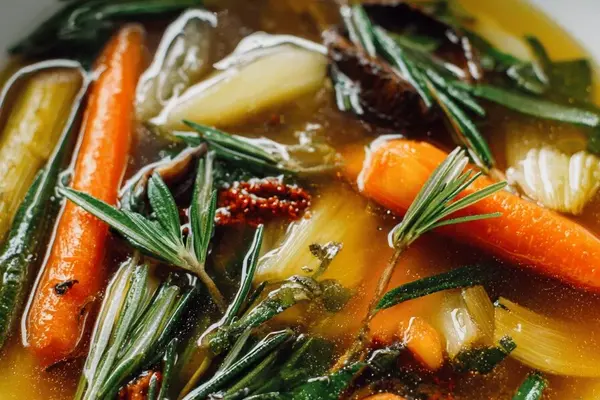
Vegetable Broth Recipe with Smoked Paprika
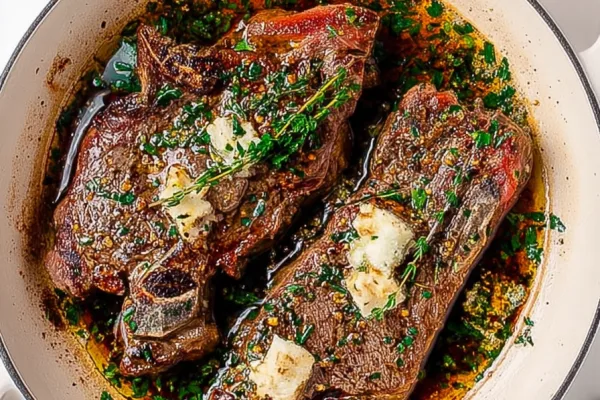
pan fried steak cast iron
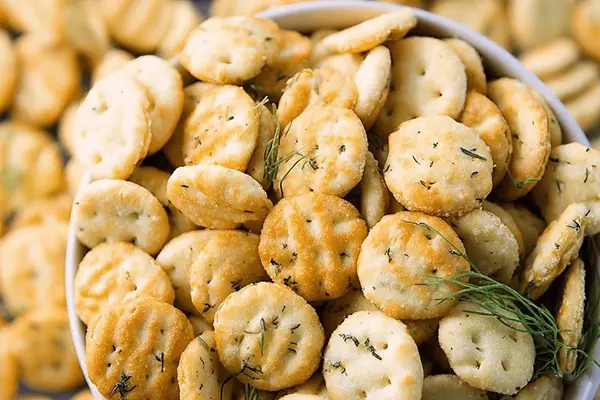
Savory Crackers with Dill and Garlic
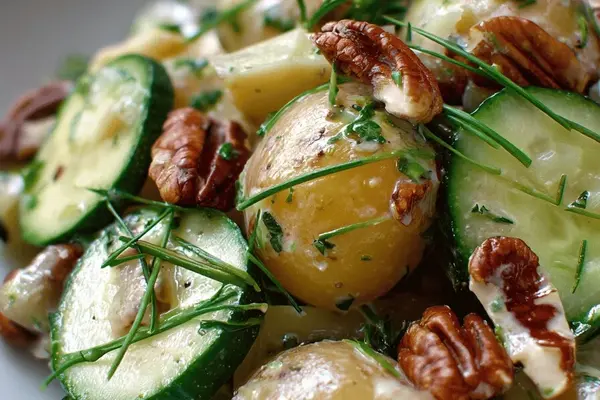
Potato Salad Recipes with Pecans & Lime

Jalapeño Popper Grilled Cheese with Bacon

Classic Apple Pie with Cinnamon and Nutmeg
Iced Rhubarb Cake with Crunchy Crumble
Braised Veal Cheeks in Red Wine Reduction
Coconut Cream Pie Recipe with Whipped Topping
Chunky Oatmeal Cake with Pudding Frosting
Chocolate Blueberry Pudding Cake Recipe
Lentil Wonton Tacos with Chipotle
Coconut Panna Cotta with Dark Spiced Rum

Red Lentil Soup with Cumin & Tzatziki
Gluten-Free Chocolate Soufflés with Lime Zest
Coffee Orange Panna Cotta with Espresso
Herb Egg Tea Sandwiches with Cheddar

Fudgy Brownies with Chocolate Ganache