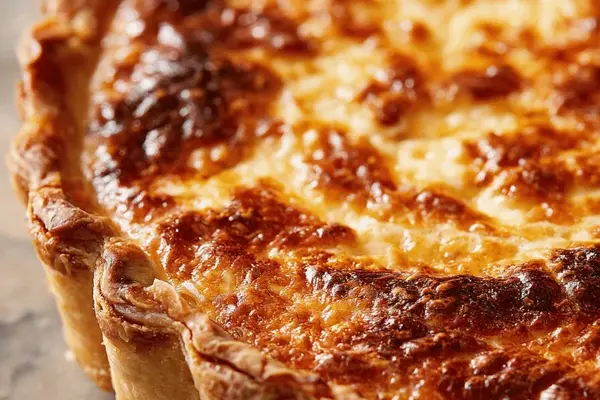
Savory Pastry Dough with Pork Fat
By Emma
Certified Culinary Professional
·
Recipe tested & approved
Pulse the flour, baking soda, salt first—texture matters before anything else hits the bowl. Three seconds. Maybe four. You want sand. Not powder, not wet clumps. Just sand.
Why You’ll Love This Savory Pastry Dough
Makes actual flaky layers. Like you didn’t rush. The pork fat does something butter can’t—adds a savor that sits there quietly, making people ask what’s different.
Takes 15 minutes of actual work. Chill time’s just sitting around. Appetizers, galettes, meat pies—one dough covers all of it.
Cold rendered pork fat creates those thin shards when you roll it out. Flakes like old paint, but the good kind.
Buttermilk. Not milk. Slight tang, less gluten buildup. Dough stays tender even if you panic and overwork it a tiny bit.
Works homemade in your kitchen without special equipment beyond a food processor. Tastes like you went to culinary school. Didn’t have to.
What You Need for Homemade Savory Dough with Pork Fat
Cake flour. Not all-purpose. Less gluten means flakier, more delicate. All-purpose works if you’re desperate—just chill longer and don’t panic if it feels a touch slack.
Baking soda instead of baking powder. Half a teaspoon. Changes the chemistry, helps browning, relaxes gluten. Different thing entirely.
Fine sea salt. Coarser stuff doesn’t distribute. You’ll get salty spots.
Unsalted cold butter—six tablespoons, diced small. Cold is everything. Room temperature butter turns the whole thing into paste. Freezer butter from the start.
Rendered pork fat. Two tablespoons. This is the secret. Butcher shop, or find it in the freezer case near specialty fats. Can’t find it? Lard from the baking aisle works. Tastes different—more neutral—but structure holds.
Cold buttermilk. Three tablespoons. Don’t grab it warm from the counter. Cold. The temperature matters as much as the ingredient.
One large egg, cold.
How to Make Savory Pastry Dough with Cake Flour and Baking Soda
Food processor gets the dry ingredients mixed first. Flour, baking soda, salt. Pulse for a few seconds until it looks like fine sand. Stop before it turns into powder—you need that slight texture. Overmix here and you’ve already lost the flake.
Dice the cold butter into small pieces. Smaller than pea-size. Grab the pork fat from the freezer and dice that too. Toss both directly into the flour. Pulse in short bursts—five pulses, stop, look at it, five more if needed. You’re watching for pea-size lumps throughout. Not a smooth paste. If it’s already fine and powdery, you went too far. If the lumps are still the size of pebbles, pulse again. Texture tells you everything. Clock tells you nothing.
Beat the egg and cold buttermilk together in a small bowl. Pour it over the flour mixture. Now pulse gently—just until the dough starts clumping and holding together. It should be sticky enough to stay in one mass but dry enough that you can actually handle it without it coating your fingers like glue. If it’s too dry and crumbly, add a drop more buttermilk and pulse once. Not a splash. A drop.
Dump the dough onto a floured board. Use quick hands—don’t knead it, don’t fold it. Just divide it into two thick discs, pat them flat, wrap each one tight with plastic wrap. Into the fridge it goes.
How to Get This Pastry Dough Actually Flaky
Chill it for a minimum of 35 minutes. This isn’t negotiable. The dough firms up, the butter stays separate, the flavors settle. Rush this and you get either a tough crust that doesn’t flake or dough so soft it tears when you roll it out. Neither is worth the ten minutes you saved.
Take one disc out, let it sit on the counter for maybe three minutes—just enough that it’s not rock-hard. Lay it between two sheets of floured parchment paper. Roll it out to 23 to 25 centimeters across. Thin but not see-through. You should still feel some resistance. The edges can be slightly thicker than the center—that actually helps, keeps them from getting soggy.
If your filling is wet—tomatoes, quiche filling, anything with liquid—dock the base first. Just poke small holes all over with a fork. Not huge holes. Just enough to let steam escape and keep the bottom from bubbling up into weird domes. Don’t overwork it here. A few seconds with the fork, done.
Blind bake if you need to. Line it with foil, fill with dried beans or pie weights, bake at 190°C until the edges go pale golden and the surface looks matte, not shiny. About 10 to 12 minutes. Cool it slightly before the filling goes in. Temperature balance matters—too warm and the edges slump and get sloppy, too cold and the dough cracks when you pour warm filling over it. You learn this by doing it. Not from a recipe.
Savory Dough Tips and Common Mistakes
Overworking kills it. Every time. The flake comes from cold butter staying separate. The second you knead it or overwork it, butter and flour merge into one smooth thing. That’s glue, not pastry.
Temperature. Warm dough is a nightmare. Sticky, impossible to roll, falls apart. If the kitchen’s hot, chill longer. If you’re slow rolling it out, chill between attempts.
Undercold dough cracks when you roll it—like dry paint. It’ll still work, but it’s annoying. Just keep the chilled discs in the fridge until you’re actually rolling.
The pork fat is worth hunting down. Heritage flavor. Buttery-savory that butter alone can’t do. But if you genuinely can’t find it, unsalted butter for the whole amount works. You lose some of that depth.
Cake flour versus all-purpose—cake flour is softer, less gluten. If you only have all-purpose, it still works. Just means slightly less flaky, slightly tougher. Chill longer to compensate.
Buttermilk matters. Milk alone doesn’t relax the dough the same way. If you genuinely only have regular milk, add a tiny squeeze of lemon juice to it first—let it sit one minute so it curdles slightly. Not elegant, but it works.
Savory Pastry Dough with Pork Fat
Prep:
15 min
Cook:
12 min
Total:
45 min
Servings:
2 tart bases 23-25 cm
Ingredients
- 170 g (1 ¼ cups) cake flour *sub for all-purpose*
- 2.5 ml (½ tsp) baking soda *instead of baking powder*
- 2.5 ml (½ tsp) fine sea salt
- 85 g (6 tbsp) unsalted cold butter, diced
- 30 g (2 tbsp) cold rendered pork fat or lard *partial butter replacement*
- 45 ml (3 tbsp) cold buttermilk *instead of milk*
- 1 large egg
Method
- 1 Pulse flour, baking soda, and salt in food processor few seconds. Crumbs like sand. No overmixing — no glue.
- 2 Add butter and pork fat cubes. Pulse short bursts until pea-size lumps. Watch texture; if too big, a few more pulses. Too fine? You lost the flake.
- 3 Beat egg with buttermilk, toss gently in. Pulse just till dough clumps. Sticky enough to hold, dry enough to handle. Add drop more buttermilk if needed.
- 4 Dump dough on floured board. Quick hands—split into 2 thick discs. Pat flat, wrap tight with plastic.
- 5 Chill minimum 35 minutes. Dough firms, flavors marry. Rushing results in tough crust or tears when rolling.
- 6 Roll out chilled discs between floured parchment for 23 to 25 cm diameters. Thin but not paper. Edges slightly thicker—resist thinning to prevent sogginess.
- 7 Dock base lightly with fork or small holes. Avoid overworking dough here. Perforations stop bubbles, keep base even.
- 8 Blind bake if recipe calls for wet fillings—line with foil, fill beans or weights, bake at 190C till edges get pale golden and dough looks matte, about 10-12 minutes.
- 9 Cool slightly before filling. If filling chilled, dough temp matters—too warm makes slipshod edges; too cold cracking. Balance is experience.
- 10 Notes: Cake flour reduces gluten, helps flakiness but less structure—you might add a touch more flour or chill dough longer if it feels slack. Pork fat adds that heritage savor, worth the hunt in freezer section or butcher shop. If no buttermilk, sour milk (milk + acid) is acceptable, but watch for curdling.
- 11 Common mistakes: Overworking dough destroys the flaky mystery. Too warm, dough turns sticky nightmare. Undercold, cracks open like old paint.
- 12 Efficiency: Use food processor but pause often. Dough tells you when ready—listen to texture, not clock.
Nutritional information
Calories
280 kcal per tart base
Protein
4 g
Carbs
22 g
Fat
18 g
Frequently Asked Questions About Homemade Savory Pastry Dough
Can I make this without a food processor? Yeah. Cube the butter and pork fat small, dump it in a bowl with the flour, then use your fingertips to rub it all together until it looks like breadcrumbs. Takes longer and your hands warm everything up, so chill longer after. Not better, just different. People did this for centuries before food processors existed.
How long does this dough keep? Wrapped tight, three days in the fridge. Freezer? Three months easy. Thaw it in the fridge overnight before rolling. Don’t thaw it on the counter or it’ll get warm and sticky and fall apart.
What’s the actual difference between this and regular pie crust? The baking soda. Makes it brown faster, tastes less sweet, sits better with savory fillings. Also the pork fat—it’s salty in a way that butter isn’t. Just read differently in your mouth.
Can I use frozen butter straight from the freezer? Yeah, actually that’s perfect. Grate it on a box grater if it’s rock hard, or just dice it and pulse longer. Cold is what matters. Texture matters more than convenience.
Do I really need buttermilk? Honestly? Probably yeah. Regular milk works but the dough’s less forgiving if you panic and overwork it. Buttermilk makes the gluten relax. Not worth skipping if you can get it.
Why does my dough crack when I roll it? Too cold. Or undercold. Let it sit on the counter for two or three minutes before rolling. Not warm, just slightly less frozen. Also—if you’re rolling it thin, it cracks more. Roll thicker, it cooperates better.
What if I don’t have pork fat? Use all butter. Twelve tablespoons total, all cold. Works fine. Tastes different—less savory, more classic—but the structure’s solid. Not worse, just different.
You’ll Love These Too
Explore all →
Pumpkin For Pie: Spiced Cake With Filling

Kielbasa Potato Sauerkraut Skillet
Spinach Pesto Egg Dollops with Pecorino
Dairy-Free Corn Crumble with Lemon Zest
Caramel Pudding with Pineapple Juice
Italian Osso Bucco with Veal and Cheddar
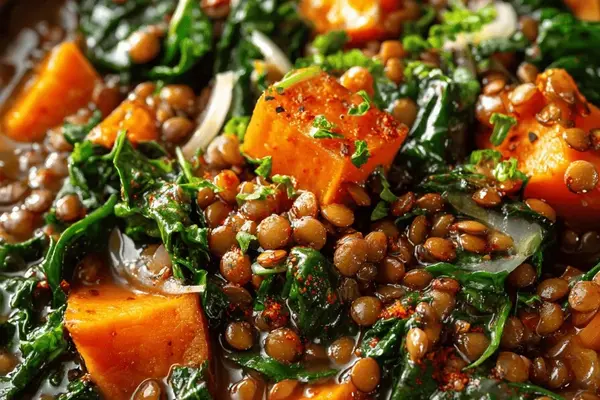
Pressure Cooker Lentil Kale Stew
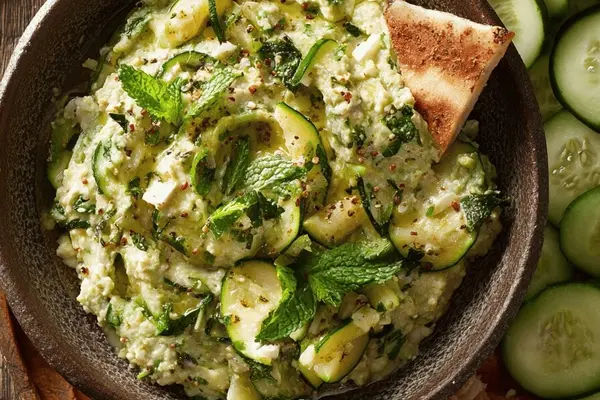
Zucchini Dip with Feta and Roasted Garlic
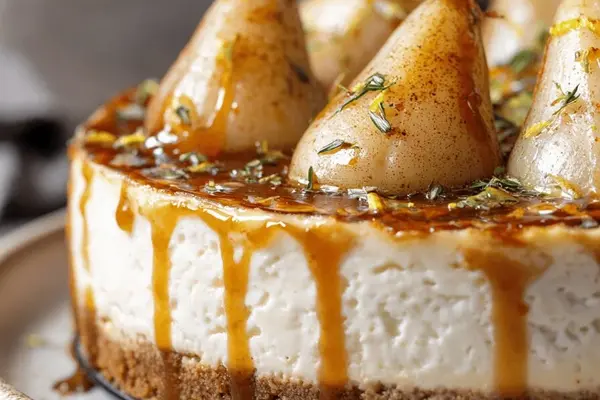
Maple Pear Cheesecake with Browned Butter
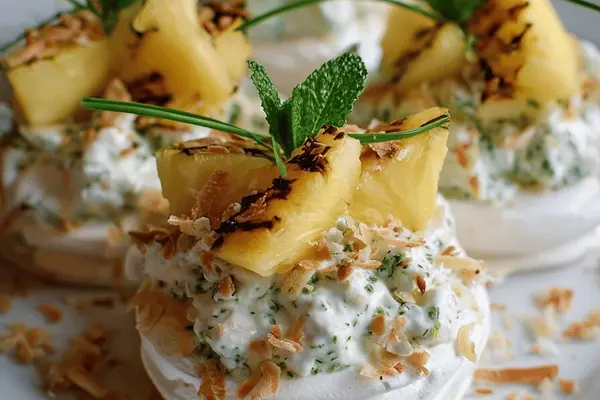
Passionfruit Coconut Pavlovas with Basil Cream
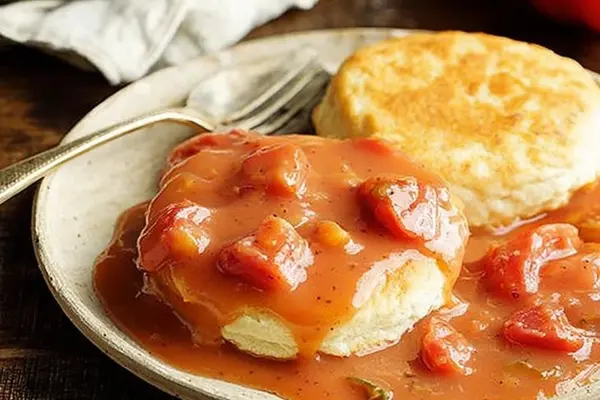
Rustic Tomato Gravy with Bacon Grease
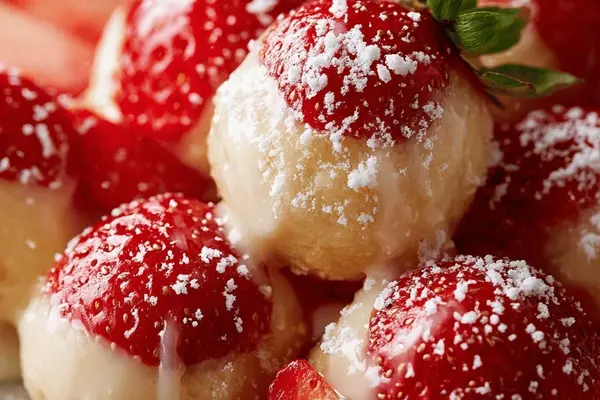
Strawberry Short Cake with White Chocolate
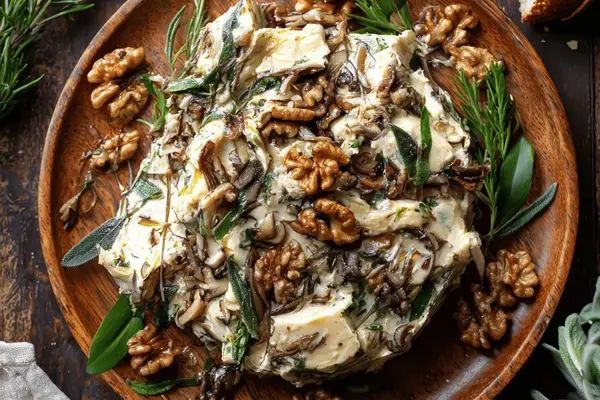
Compound Butter with Mushrooms and Walnuts
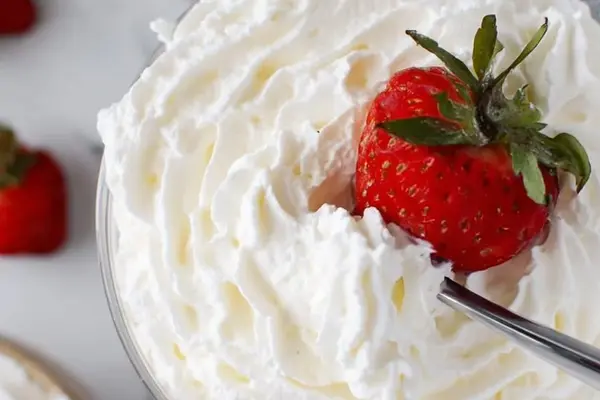
Homemade Whipped Cream with Honey
Crispy Battered Fish with Honey Dijon
Dr Pepper Pulled Pork Slow Cooker
Veggie Wraps with Grilled Tofu & Sesame Mayo
Rhubarb Raspberry Tartelettes with Almond
Vegetable Broth Recipe with Smoked Paprika