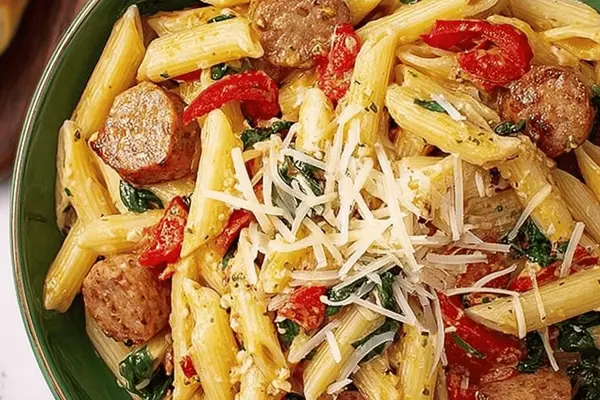
Sausage Pasta with Spinach and Tomatoes
By Emma
Certified Culinary Professional
·
Recipe tested & approved
Sausage pasta tossed with browned Italian sausage, fresh spinach, and cherry tomatoes. Fennel seed, garlic, and olive oil create a flavorful weeknight dinner ready in 30 minutes.
Prep:
7 min
Cook:
22 min
Total:
29 min
Servings:
6 servings
Pasta goes in first—boiling water, salt, the whole thing. While that’s running, sausage hits the pan and browns. Seven minutes later you’ve got dinner. No fancy moves. Just heat and timing.
Why You’ll Love This Easy Sausage Pasta Dinner
Twenty-nine minutes start to finish. That’s it. No second pot, no cleanup nightmare. One skillet does everything.
Fennel seed in Italian sausage is already there, but crushing it fresh makes it smell like an actual Italian kitchen—not just like meat. The spinach wilts into the sauce instead of staying as a side thing. Changes everything.
Cherry tomatoes burst and break down at exactly the right moment, right when the sausage is done browning. They don’t stay firm. They don’t turn to mush. They just become part of it.
Works for weeknight dinner. Works for feeding four people or two people eating twice. Cold the next day tastes almost better—flavors have time to settle.
Spinach makes it feel less like just pasta and meat. It’s not a vegetable you have to convince yourself to eat. It’s just there.
What You Need for Italian Sausage Pasta with Cherry Tomatoes and Fennel
Dried pasta—rigatoni, penne, fusilli, doesn’t matter. Pick what you like. Dried is fine, fresh would be weird here.
Olive oil. Two tablespoons total. One for the onions, one for tossing the pasta so it doesn’t stick together into a clump. Extra for serving if you want it.
Yellow onion. Medium. Diced. Not minced. Diced stays in pieces instead of disappearing into the sauce.
Fennel seed. A teaspoon, crushed between your fingers or in a mortar. Don’t use powdered. Crushing it fresh matters.
Spinach. Six ounces, packed. That sounds like a lot. It shrinks. A lot. By the end it’s maybe a third of what you started with.
Garlic. Three cloves. Minced. Not sliced. Not crushed into paste. Minced.
Cherry tomatoes or grape tomatoes. Fourteen ounces. Halved. The small ones matter because they cook fast and break down clean.
Italian sausage. Fifteen ounces. Casing removed. The kind in bulk, not links. Turkey sausage works if you want lighter. Tastes fine either way.
Salt and pepper. Finish with both at the end, after everything’s in the pan.
How to Make Italian Sausage Pasta with Browned Sausage
Get the pasta water going first. Salted. Rolling boil. Pasta goes in when it’s actually boiling, not just hot. Cook it until al dente—that means it bends but has a tiny bit of firmness in the center. Not soft. Not crunchy. In between. Takes maybe 10 minutes depending on the shape. Drain it when it’s done. Toss with a teaspoon of olive oil so the noodles don’t lock together.
While the pasta cooks, heat a tablespoon of olive oil in a large skillet over medium heat. Add the diced onion. Listen for the soft sizzle—that’s the sound you want. Not a violent crackle. Just a gentle hiss. Let it sit for maybe three minutes, stirring once or twice. The edges start looking translucent and shiny when they’re ready.
Crush the fennel seed with your fingers right into the pan. Stir it into the onions. You’ll smell something warm and slightly nutty right away. Let it toast for about three more minutes. Stir often. Fennel bits can scorch if you don’t pay attention, and burnt fennel tastes bitter and ruins everything.
How to Get Sauteed Sausage Pasta with Garlic and Spinach Just Right
Spinach goes in next along with the minced garlic. The leaves immediately begin to collapse and shrink. Watch this part. Stir gently. When the spinach is reduced by about half and it smells bright and green—not like cooked mush—that’s when you move forward. Around three minutes. Never let the garlic sit there after it smells done or it turns bitter and black and that’s the whole thing ruined.
Halved tomatoes go in next. Break apart the sausage with a spoon as you add it—don’t leave it in chunks. Let everything simmer gently together. The sausage browns as it cooks. The tomatoes release their juice and mingle with the meat and spinach. This takes about seven minutes. You’re not trying to reduce the sauce to nothing. You want liquid still there, just slightly thickened. Not watery. Not dry.
Dump the drained pasta back into the skillet. Toss everything together violently. The sauce and juices coat the noodles. The sausage, spinach, tomato all distribute. Season with salt and pepper now—taste it as you go. You might need more salt. You might not. Depends. Heat everything together for another four or five minutes so the flavors actually marry instead of staying separate.
Sauteed Spinach Sausage Pasta Tips and Common Mistakes
Fennel seed matters. Don’t skip it. It’s the thing that makes this taste like actual Italian food instead of just meat and pasta. Crushed fresh. Not powdered. Powdered is dead.
Spinach wilts more than you think it will. Don’t panic when you first add it. It looks like you’re putting in an insane amount. By the time everything’s done it’s maybe three tablespoons in the finished dish. The volume drop is real.
The pasta water should be salted generously—like sea water. Not just a pinch. This is where most of the seasoning happens. The pasta itself tastes like salt if you do it right.
Draining the pasta well matters. Excess water dilutes the sauce. Drain it thoroughly. Don’t rinse it. Rinsing removes starch and the sauce won’t cling to the noodles.
The sausage gets broken up as it cooks. Don’t walk away. Stir it. Break it apart with a spoon. You want small pieces, not chunks, not mush. Takes maybe two minutes of active breaking.
Cherry tomatoes break down faster than bigger tomatoes. They don’t stay whole. They don’t turn to soup. They just become part of the sauce texture. This is good.
Don’t overcook the spinach before adding the tomatoes. It should still be slightly firm. It keeps cooking in the pan with everything else.
Sausage Pasta with Spinach and Tomatoes
Prep:
7 min
Cook:
22 min
Total:
29 min
Servings:
6 servings
Ingredients
- 12 oz dried pasta of choice (rigatoni, penne, fusilli)
- 1 tbsp olive oil for sauté plus extra for tossing pasta
- 1 medium yellow onion, diced
- 1 tsp fennel seed, crushed slightly
- 6 oz fresh spinach leaves, packed
- 3 cloves garlic, minced
- 14 oz cherry tomatoes or grape tomatoes halved
- 15 oz Italian sausage, casing removed (substitute turkey sausage for leaner option)
- Salt and fresh ground black pepper to taste
Method
- 1 Cook pasta in salted boiling water until al dente, when you feel resistance but no crunch left. Drain well. Drizzle 1 tsp olive oil to pasta and toss quickly to keep noodles from glomming up.
- 2 Heat 1 tbsp olive oil over medium heat in large skillet. Add diced onion. Sauté until onions get soft and edges start looking translucent and shiny, about 3 minutes. Listen for soft sizzle, no burning yet.
- 3 Add crushed fennel seed. Toast them lightly with onions. You want a warm, slightly nutty aroma. Cook about 3 more minutes. Stir often to avoid scorching fennel bits.
- 4 Toss in spinach and garlic. The leaves immediately begin to wilt and shrink. Watch closely, stir gently. When spinach reduced by about half and smells bright (around 3 minutes), move forward—never let garlic burn or turns bitter black.
- 5 Add halved tomatoes and sausage meat. Simmer gently, breaking up sausage with spoon. Sausage should brown and cook through; tomatoes release juices to mingle with everything. Cook for about 7 minutes, allowing liquid to thicken slightly but not dry out.
- 6 Return drained pasta to skillet. Toss everything vigorously—sausage, spinach, tomato juices coat noodles. Season with salt and pepper, tasting along the way. Heat all together for another 4-5 minutes so flavors marry.
- 7 Serve hot. Drizzle with extra virgin olive oil if wanted. Parmesan cheese optional but recommended; boosts savory depth.
- 8 Feedback encouraged. Reworking quantities, ingredients, and timing helped me nail what works best for personal taste and kitchen realities.
Nutritional information
Calories
420
Protein
20g
Carbs
45g
Fat
18g
Frequently Asked Questions About Easy Sausage Pasta Dinner
Can I use fresh spinach instead of frozen? The recipe already has fresh spinach. Six ounces packed. That’s the amount. Fresh wilts down more than frozen so maybe use a bit more. Not much more. Like seven ounces. Frozen works fine if that’s what you have. Thaw it first though. Don’t add frozen spinach to the hot pan or it seizes up into hard little balls.
How do I know when the pasta is al dente? Bite it. There should be a tiny bit of firmness in the very center when you bite it in half. Not crunchy. Not soft. In between. Takes practice. Most dried pasta is done around nine or ten minutes. Check the box. Start checking a minute before the time says.
Can I use turkey sausage instead of Italian sausage? Yeah. It’s leaner. Tastes slightly different—less rich—but it works. The fennel seed is still there so it tastes Italian. Might need to add a tiny bit more oil since turkey sausage doesn’t render much fat.
What if the sauce is too watery? Let it simmer a bit longer before adding the pasta. Another minute or two. The tomatoes release juice so it’s naturally wet at first. It thickens as the liquid reduces.
Can I make this ahead? Probably. The flavors taste better the next day actually. Reheat gently on the stovetop with a splash of water or pasta water so it loosens up. Microwave works but it can dry out the pasta.
Is fennel seed really necessary? Yeah. It’s what makes this taste like actual Italian sausage pasta instead of just meat and tomato. Crushing it fresh changes everything. Don’t use powdered. Not worth it.
Can I add cream or cheese while cooking? You could. Not required. Parmesan at the end is traditional and recommended. Cream would make it richer. Probably change the flavor too much. Wouldn’t be the same dish.
You’ll Love These Too
Explore all →
BBQ Chicken Marinade with Smoked Paprika
pan fried steak cast iron
Air Fryer Goat Cheese Salad with Kale
Spinach Pie with Ricotta and Feta
Italian Wedding Soup with Veal Meatballs
Fried Morels: Chicken with Whisky Cream
Potato Casserole with Caramelized Onions
Salmon Miso Papillotes with Asparagus

Oreo Oreos: Red Velvet Cream Cheese Cookies
Gingerbread-Spiced Truffles with Bourbon
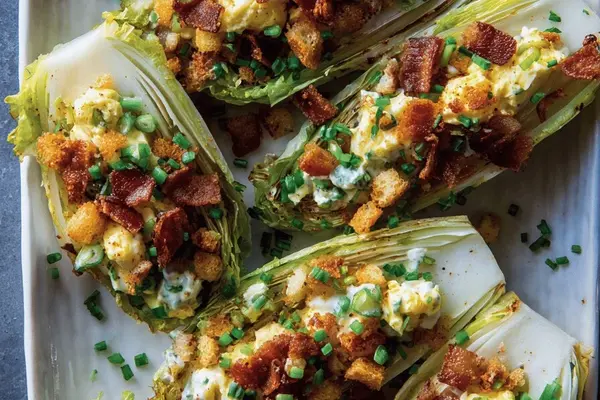
Cold Appetizer Ideas: Egg & Pancetta
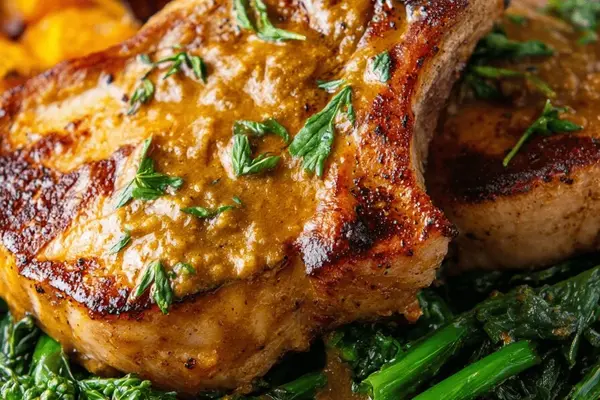
Maple Curry Pork Chops with Roasted Squash
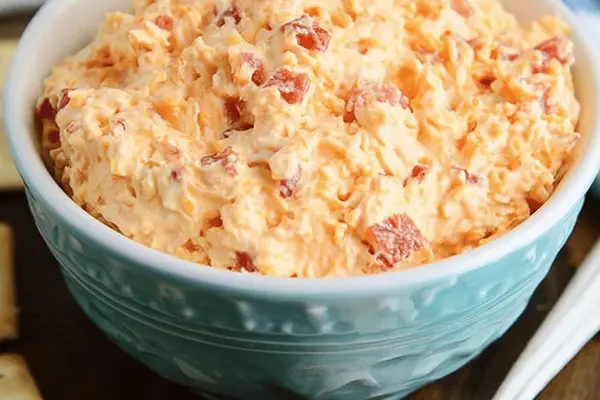
Pimento Cheese with Manchego and Smoked Paprika

Rhubarb Hibiscus Cooler with Rose Hips
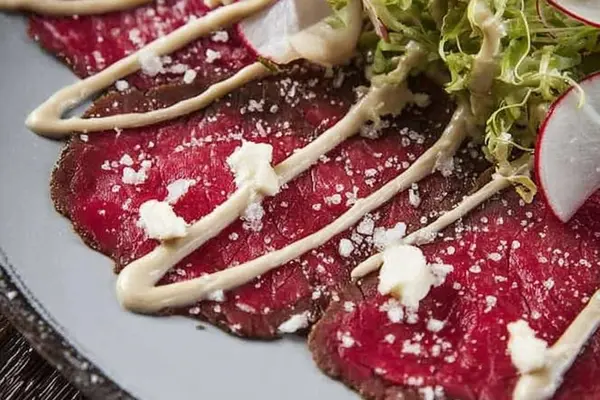
Beef Carpaccio with Coffee Crust
Pumpkin For Pie: Spiced Cake With Filling
Roasted Jerusalem Artichokes with Browned Butter
Baked Ziti Ground Turkey Recipe
Butternut Squash Puree with Roasted Garlic