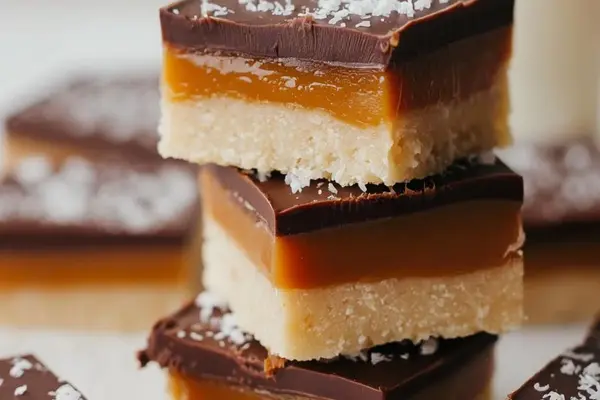
Salted Caramel Shortbread Bars with Chocolate
By Emma
Certified Culinary Professional
·
Recipe tested & approved
Salted caramel shortbread bars with buttery shortbread base, slow-cooked caramel filling, and dark chocolate ganache. Flaky sea salt finish adds perfect contrast.
Prep:
60 min
Cook:
55 min
Total:
5h 55min
Servings:
28 bars
Pull from oven, crust still warm, that buttery smell filling the kitchen—this is when you know the shortbread worked. Three layers, one pan, five hours start to finish including chill time but most of that’s just patience. Salted caramel chocolate bars that crack the way they’re supposed to, where the flaky sea salt actually matters and doesn’t just sit on top looking pretty.
Why You’ll Love These Salted Caramel Shortbread Bars
Shortbread base gets crispy, caramel gets chewy, chocolate ganache snaps when you bite it. Three textures, three reasons people come back. Easy enough that you’re not panicking but involved enough that it feels real. Takes actual time but you’re not standing there the whole time—mostly waiting for things to chill. Works as a dessert, works as a gift, works cold from the fridge at midnight when you can’t sleep. And the flaky sea salt on top? Changes everything. Too much salt anywhere else would wreck it. Here it’s perfect.
What You Need for Homemade Caramel Shortbread
Shortbread layer starts with unsalted butter—a full cup, softened. Granulated sugar, one large egg yolk, vanilla extract. Two cups all purpose flour. Fine sea salt. The flour has to be all purpose, not cake flour. Cake flour makes it crumbly wrong.
Caramel filling needs another half cup butter, sweetened condensed milk, packed light brown sugar, heavy cream, honey, and fine sea salt again. Vanilla extract for the finish. This gets cooked, not just mixed. That’s what makes it actually caramel instead of just sweet.
Ganache layer is simple. Semi sweet or dark chocolate chips—a cup and a half. Heavy cream. That’s it. Salt the top with flaky sea salt, not fine. Flaky stays crispy. Fine dissolves.
How to Make the Shortbread Base
Heat oven to 345F. Line a 9x13 pan with parchment and leave enough overhang to pull the whole thing out later. That matters—you’ll thank yourself.
Beat softened butter with granulated sugar. Takes about three to four minutes with a mixer until it goes light and a bit fluffy. This is where the tender texture comes from. Don’t skip this step thinking it’s just busy work. It actually does something.
Add the egg yolk and vanilla. Mix just enough to combine. Then add flour and salt. Mix until the dough holds together but still looks crumbly. This matters. You’re not making bread dough. Overwork it and the bars go dense and tough. The dough will feel soft. That’s right.
Cover the dough with wax paper and press it evenly into the pan using your palms. Dust your hands lightly with flour or it sticks. Press from the center out. No thick spots. No thin spots.
Bake close to 20 minutes. Watch the edges. They should go slightly golden and the crust should look set but not dark. Not brown. Set. Pull it out and you’ll smell exactly what you want to smell. Cool it completely before the next layer. The crust will firm up as it rests. It’s fragile if you cut it warm.
How to Cook Salted Caramel That Actually Sets Right
Start the caramel in a medium saucepan. Melt the butter, then add condensed milk, brown sugar, heavy cream, honey, and salt. Medium heat. Whisk it until it’s smooth.
Bring the whole thing to a full boil. Then drop the heat to medium-low and keep it at a simmer. Whisk steadily so the bottom doesn’t scorch. The caramel will thicken and deepen to this rich amber color. You watch it and smell it. That’s how you know when it’s actually done. About 30 minutes if you’re using a candy thermometer, which you should be. It needs to hit 222 to 232F. That’s the range where it’s viscous, coats a spoon thickly, will set with a chew instead of staying gooey forever.
Pull it off heat and whisk in vanilla while it’s still hot. This keeps the vanilla flavor alive. Pour the caramel evenly over the cooled shortbread. Spread it quick because the texture thickens fast. If the caramel’s still too hot, the shortbread base can soften. Check the temp first.
Refrigerate for at least one to two hours until it firms up with some bounce. Not rock hard. Some give.
Chocolate Ganache and Final Assembly
Heat heavy cream in the microwave. Fifty seconds to a minute. It should be steamy, not boiling. Pour it over chocolate chips in a heatproof bowl. Press the chips down slightly so everything’s covered. Wait one minute. Let the cream do the work. Then whisk it gently until it’s velvety and glossy.
If it’s too thick or you see lumps, microwave for a few more seconds and whisk again.
Spread the ganache evenly over the set caramel layer. Back into the fridge for at least two hours, or overnight. Patience matters here. It’s the difference between a ganache that peels cleanly and one that cracks.
Finish with flaky sea salt sprinkled over the top while the ganache is still soft enough to catch it. Once everything’s set, lift the whole slab using the parchment overhang. Pull it straight up. The whole thing comes out clean.
Cut with a sharp serrated knife. Room temperature. If the knife’s dragging, warm it under hot water and dry it. The bars should have that chew, then crunch, then creamy caramel melt, then bitter chocolate edge all at once.
Common Mistakes and How to Fix Them
Dough too sticky to press? Chill it for ten minutes first. Or dust your hands more with flour. But don’t overwork it thinking you’re fixing it—that just makes the whole thing dense.
Caramel smells burnt? It’s burnt. Start that layer over. Carefully scraping the bottom sometimes works if you catch it early. If it smells actually burnt, just accept it and start again. A candy thermometer isn’t optional. Estimated times vary wildly depending on your stove, your pan, how much you’re stirring. Get the thermometer.
Ganache cracked when it came out of the fridge? Too cold too fast next time. Two hours is a minimum. Overnight is better. And cut it while it’s at room temperature, not straight from the fridge.
Shortbread turned out dense? You overworked the dough. Less mixing next time. Stop as soon as it barely holds together.
Salted Caramel Shortbread Bars with Chocolate
Prep:
60 min
Cook:
55 min
Total:
5h 55min
Servings:
28 bars
Ingredients
- 1 cup unsalted butter softened
- 2/3 cup granulated sugar
- 1 large egg yolk
- 1 tsp vanilla extract
- 2 cups all purpose flour
- 1/2 tsp fine sea salt
- 1/2 cup unsalted butter
- 1 cup sweetened condensed milk
- 1 cup packed light brown sugar
- 3/4 cup heavy cream
- 1/4 cup honey
- 1/2 tsp fine sea salt
- 1 tsp vanilla extract
- 1 1/2 cups semi sweet or dark chocolate chips
- 1/2 cup heavy cream
- flaky sea salt for garnish
Method
- 1 Heat oven to 345F. Line 9×13 pan with parchment, leave good overhang for liftoff later. Set aside.
- 2 Beat softened butter with granulated sugar in stand mixer paddle or hand mixer 'til light and a bit fluffy, ~3-4 minutes. This develops that tender shortbread texture, don’t skip creaming.
- 3 Add egg yolk and vanilla. Mix just enough to combine. Toss in flour and salt, mix just until dough holds but still crumbly. Dough will feel soft, not tough; over mixing = dense bars.
- 4 Cover dough with wax paper and press evenly in pan using palms dusted sparingly with flour. No direct hands or dough sticks. Bake close to 20 minutes until edges go slightly golden and crust looks set but not dark.
- 5 Pull from oven, sniff that buttery shortbread aroma, cool completely. Crust will firm as it rests, fragile if cut warm.
- 6 Meanwhile, start caramel. Melt butter, condensed milk, brown sugar, heavy cream, honey, salt in medium saucepan over medium heat. Whisk till smooth.
- 7 Bring to full boil, then lower heat to med-low simmer. Whisk steadily to avoid scorching bottom. Caramel thickens and deepens to rich amber - watch and smell. Keep simmering about 30 minutes till temp hits 222-232F on candy thermometer. Viscous, coats spoon thickly.
- 8 Remove from heat, whisk in vanilla while hot to keep it lively. Pour caramel evenly over cooled crust, spread quickly; texture thickens fast. If caramel too hot, crust may soften too much, so check temp.
- 9 Refrigerate caramel layer minimally 1-2 hours until it firms with some bounce but not rock hard.
- 10 Make ganache by heating cream in microwave 50 seconds to 1 minute until steamy but not boiling. Pour over chocolate chips in heatproof bowl. Press chips lightly under cream so all covered. Wait 1 minute. Whisk gently to velvety gloss. If ganache too thick or lumps, microwave few seconds more then whisk.
- 11 Spread ganache evenly over set caramel. Back to fridge for at least 2 hours or overnight to fully firm up. Patience here avoids cracked ganache.
- 12 Finish with flaky sea salt. Lift slab using parchment overhang for clean peel. Cut bars room temp with sharp serrated knife; warm knife if needed. Serve with chew, crunch, creamy caramel melt, bitter chocolate edge.
- 13 To salvage sticky dough, chill 10 minutes before pressing or lightly flour hands; overworked dough toughens crust. Burnt caramel smell means starting over or carefully scraping bottom. Candy thermometer mandatory; estimated times vary seriously.
Nutritional information
Calories
290
Protein
3g
Carbs
35g
Fat
15g
Frequently Asked Questions About Salted Caramel Chocolate Bars
Can I make these salted caramel shortbread bars without a candy thermometer? No. Not really. You need to know when the caramel’s actually done. The color changes a lot in the last few minutes. Too light and it stays gooey. Too dark and it tastes like burnt sugar. A thermometer costs five dollars and removes all the guessing.
How long do these chocolate caramel shortbread bars last? Room temperature, maybe three days if they don’t disappear first. Fridge, they’ll last a week. The shortbread goes a bit softer but the caramel stays better. They don’t freeze great because the ganache cracks when it thaws.
Can I use salted butter instead of unsalted? You could. But then you’re not controlling the salt. The shortbread layer gets a specific amount of fine sea salt already. The caramel gets more. The top gets flaky sea salt. If you use salted butter, it all adds up weird.
What if my caramel won’t set? Didn’t hit temperature. That’s it. Next time, get it hotter. 222F minimum. If you’re already there and it’s not setting, the thermometer might be wrong.
Can I substitute the condensed milk in the caramel? Not really. Evaporated milk makes it grainy. Regular milk doesn’t work. Sweetened condensed milk is doing specific chemistry here—the sweetness, the thickness, the way it binds with everything else. Just use what the recipe says.
How thick should the caramel layer be? Thick enough that it takes effort to bite through but not so thick that you’re chewing forever. If you spread it evenly it’ll be right. It thickens as it cools, so don’t overspreading thinking it needs to be thicker.
Is the flaky sea salt really necessary? Yes. Fine salt dissolves into the chocolate and tastes like salt everywhere. Flaky salt sits on top and you get the surprise of it, the crunch, then it’s gone. It changes how the whole thing tastes. Don’t skip it.
Can I make the chocolate ganache layer with milk chocolate instead? Sure. It won’t taste like bitter chocolate cutting through sweet caramel, which is kind of the point. But it’ll taste fine. Dark chocolate’s better. Semi sweet works. Milk chocolate is safe but boring.
You’ll Love These Too
Explore all →
Apple Turnover With Puff Pastry
Almond Pound Cake with Lemon Zest
Barley Duck Confit Soup with Leeks

Crab Rangoons with Cream Cheese & Jalapeños
Pheasant Roast with Pears and Spices
Creamy Carrot Soup with Tahini Sauce
Creole Cornbread Dressing with Sausage
Roasted Chicken With Couscous and Harissa

Lemongrass Gin Cocktail with Yuzu Juice

Khao Soi: Thai Shrimp & Scallop Soup

Cornbread Muffins with Jalapeño & Cheddar
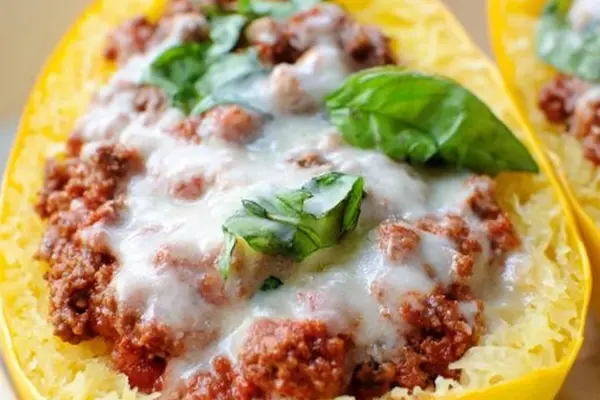
Spaghetti Squash Lasagna with Ground Turkey

Hearty Veg Chili Twist with Aubergine
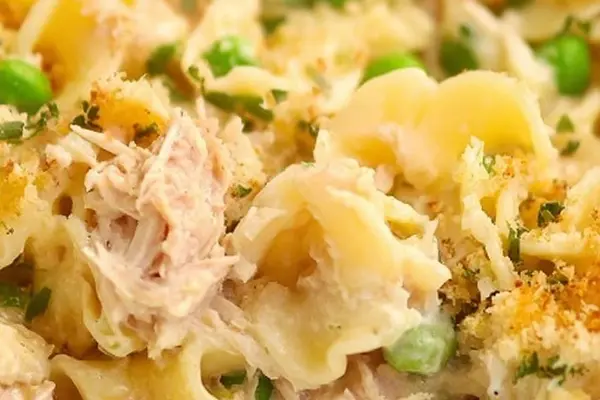
Tuna Casserole with Egg Noodles
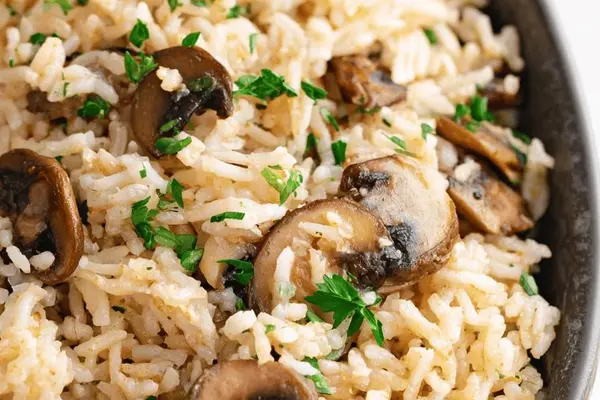
Savory Mushroom Rice with Butter & Wine
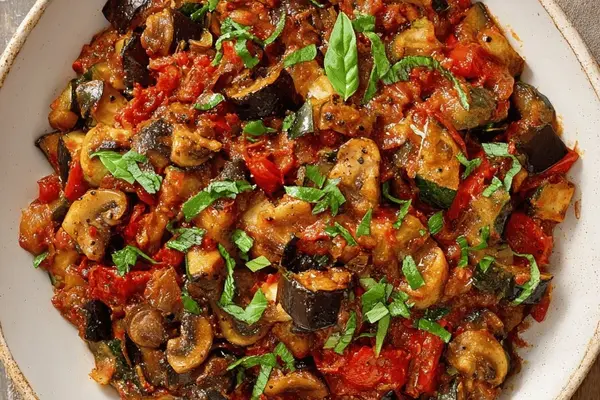
Roasted Vegetable Medley with Smoked Paprika
Dry Rub For Ribs With Chipotle & Cumin
Easy Mexican Rice with Cumin and Canned Tomatoes
Grilled Yakitori Chicken Wings