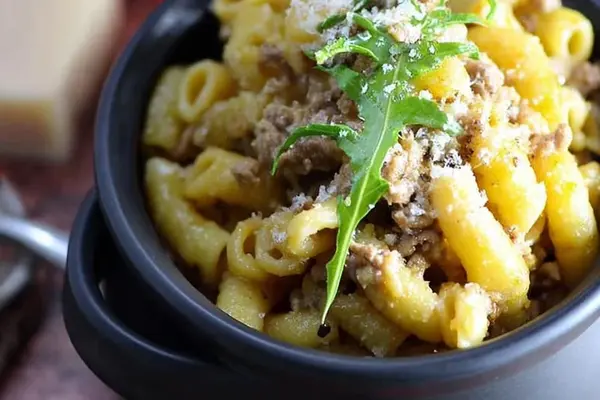
Rustic Veal Ragu with Wine & Capers
By Emma
Certified Culinary Professional
·
Recipe tested & approved
Rustic veal ragu simmered with white wine, capers, thyme & rosemary, tossed with pasta, butter & Pecorino Romano. Rich, savory comfort food.
Prep:
20 min
Cook:
40 min
Total:
60 min
Servings:
6 servings
Pound of ground veal, 40 minutes, one pan that doesn’t leave you scrubbing for an hour. White wine goes in—watch it bubble down to almost nothing. That’s when the sauce actually happens.
Why You’ll Love This Veal Ragu
Takes an hour total if you move steady. Comfort food that tastes like you spent the whole day on it.
One pot. Not one pot after prep—one pot for everything. Onion goes in, veal goes in, wine goes in, broth goes in, pasta goes in. That’s the deal.
Capers and fresh herbs make it taste Italian without tasting like restaurant imitation.
Leftovers are somehow better the next day. Maybe the flavors had time to stop fighting.
What You Need for Veal Ragu
Extra virgin olive oil. Just two tablespoons. Olive oil burns too fast if you use the cheaper stuff.
Medium yellow onion, finely diced. One. Red onion changes the whole thing. Don’t do it.
Three large garlic cloves, minced. Maybe four if they’re small. Not a guessing game—peel them and see.
Ground veal. A pound. It’s leaner than beef, richer than chicken. Pork works if veal costs too much. Turkey if you want it lighter, but you lose that depth.
Dry white wine. Three-quarters cup. Not the boxed stuff. And not Chardonnay—something crisp, something dry. Dry vermouth if you don’t have wine. Seriously—vermouth actually works.
Chicken broth. A cup. Low sodium. You’ll salt it yourself as you go.
Fresh thyme and fresh rosemary. A teaspoon of each, chopped. Dried is sad. Don’t use it.
Capers. Two tablespoons, drained. They’re salty and slightly acidic and they do something to veal that nothing else does.
Pasta. A pound. Pappardelle if you want to feel fancy. Rigatoni if you want the sauce to grab it. Either works.
Pecorino Romano. Half a cup, grated fresh. Not the pre-shredded kind—it’s coated in cellulose and doesn’t melt right.
Unsalted butter. Three tablespoons. You salt the dish yourself at the end.
Flat-leaf parsley. A quarter cup, chopped. Not decorative. It lives in the sauce.
Flaky sea salt—Maldon—for the finish. It crunches and it tastes like salt tastes when it’s actually flaky instead of dissolved.
How to Make Veal Ragu
Heat the olive oil in a wide skillet over medium. Let it shimmer. Not smoking—just right before that. Onion and garlic go in. Stir it often. Six minutes. You’re watching for them to go translucent and soft. Not brown. The smell changes—sweetness instead of raw garlic bite. That’s the signal.
Ground veal next. Salt it heavy. Pepper it heavy. Crank the heat to high. Brown it. Push the heat. You want those little pieces to turn gray, then brown. The veal releases moisture—that’s fine. Keep stirring it now and then. Nine minutes. Maybe ten. No pink left. The pan should be mostly dry by the end. This matters. If it’s wet, the sauce will taste thin and watery.
White wine. Pour it in. It’ll hiss. Boil it down hard. Stir every minute or so. Watch the volume drop. You’re looking for it to get down to about a quarter of what you started with. Six minutes, maybe seven. The smell gets deeper. Less sharp. The acidity is still there but it’s not biting anymore.
Chicken broth, thyme, rosemary, capers. All at once. Lower the heat to medium-low. Let it sit. Uncovered. Simmer for about 12 minutes. You’ll see the sauce get glossy. It’ll coat the back of a spoon but not like pancake batter. Like something that actually belongs on pasta. Watch it more toward the end. Don’t leave it.
How to Get Veal Ragu Thick and Clingy
Cook the pasta while the ragu finishes. Salted boiling water. Just before al dente—you want it to have a tiny bit of firmness in the center. Don’t overcook it. The sauce will keep it going.
Drain it. Keep half a cup of that starchy water. This is the magic. This is what makes the whole thing work.
Dump the pasta into the skillet. Add butter. Add the Pecorino. Add the parsley. Medium heat. Stir constantly. This part takes about six minutes. The sauce should grab the pasta. Should thicken and become creamy. Not because you added cream—because of the starch water and the butter and the cheese all melting together. If it gets too thick too fast, add more pasta water. A splash. Stir. Feel the difference.
Taste it. Salt, pepper—fix it now. Serve straight from the pan. Top with flaky salt and more Pecorino. That crunch against the smooth sauce is the whole point.
Veal Ragu Tips and Common Mistakes
Veal browning is half the battle. If the meat stays pale and gray, your sauce tastes weak. High heat. Break it up. Let it sit for a few seconds between stirs so it actually browns instead of steaming.
Wine reduction matters more than the wine itself. Some people skip it, add broth straight away. Don’t. The wine needs to cook down. It changes flavor. Tastes better.
Fresh herbs only. I know it’s an extra step. It’s the only thing standing between this and sad.
Pasta water is not optional. The starch is what binds everything. If you don’t have it, the sauce slides off and pools at the bottom of the bowl. It’s weird. Save it always.
Don’t let the sauce cook down too far. If it’s already thick and clingy when you add the pasta, you’ll end up with paste. Watch it. Medium-low is the right temp. Not a rolling boil.
Pecorino, not Parmigiano. They’re different. Pecorino is saltier, sharper. It cuts through veal better. Parmigiano would be fine but it’s not the point here.
Pork works as a substitute. Ground turkey too. Pork is closer to veal—same fat content, same flavor profile, just slightly milder. Turkey gets lighter and leaner. Both work if that’s what you have.
Dried herbs will not make this taste good. Fresh thyme and fresh rosemary are doing specific work. Dried is something else entirely. If you don’t have fresh, add more capers or a pinch of red pepper flakes instead. Don’t compromise.
Rustic Veal Ragu with Wine & Capers
Prep:
20 min
Cook:
40 min
Total:
60 min
Servings:
6 servings
Ingredients
- 2 tablespoons extra virgin olive oil
- 1 medium yellow onion finely diced
- 3 large garlic cloves minced
- 1 pound ground veal (substitute ground pork for milder flavor)
- Coarse sea salt and freshly ground black pepper
- 3/4 cup dry white wine (dry vermouth works if wine is missing)
- 1 cup low sodium chicken broth
- 1 teaspoon fresh thyme leaves
- 1 teaspoon finely chopped fresh rosemary
- 2 tablespoons chopped capers drained
- 1 pound pasta (I prefer pappardelle or rigatoni)
- 1/2 cup freshly grated Pecorino Romano (instead of Parmigiano)
- 3 tablespoons unsalted butter
- 1/4 cup chopped flat-leaf parsley
- Flaky sea salt (like Maldon) for finishing
Method
- 1 Heat olive oil in a wide skillet over medium heat till it shimmers but not smoking. Toss in onion and garlic. Stir often — they should soften, not brown — about 6 minutes. You’ll smell sweetness and see translucency, no raw edges.
- 2 Add ground veal; season aggressively with coarse salt and pepper. Pump heat to high. Brown, breaking up lumps. Veal tightens and exudes moisture. Keep stirring occasionally, cook till no pink remains and liquid dries out; about 9 minutes. This step is crucial. If too wet, sauce will be bland and loose.
- 3 Pour in white wine. It should bubble furiously, not steam. Boil down vigorously, stirring occasionally until volume drops by 60%, around 6 minutes. Watch for that deep aroma shift — wine acidity softens but doesn't overpower.
- 4 Add chicken broth, thyme, rosemary, and capers. Lower to medium-low heat. Let it simmer, uncovered, until sauce thickens and reduces by half. You'll see a glossy coating form; not watery but clingy. About 12 minutes but watch for saucy depth.
- 5 While ragu simmers, cook pasta in salted boiling water till just shy of tender—al dente is the goal. Drain pasta, reserve 1/2 cup starchy pasta water. Save this—it’s magic for adjusting sauce texture later.
- 6 Toss drained pasta into skillet. Add butter, Pecorino Romano, parsley, and splash reserved pasta water. Medium heat, stir constantly. Sauce should bind to noodles and thicken to creamy richness. About 6 minutes. Feel free to add more pasta water if sauce stiffens too quickly.
- 7 Taste, adjust salt or pepper. Serve straight from pan with extra flaky sea salt and a dusting of Pecorino. The contrast of salty crunch and smooth sauce is what makes it sing.
- 8 If dry wine or no fresh herbs on hand, boost capers or add a pinch of red pepper flakes for heat. Ground pork or turkey viable swaps but keep fat content in mind for flavor. Always save pasta water. Don’t overcook pasta or sauce turns mushy.
Nutritional information
Calories
410
Protein
30g
Carbs
35g
Fat
18g
Frequently Asked Questions About Veal Ragu
Can I make veal ragu ahead of time? Yep. Cook it all the way through, store it in the fridge for up to three days. Reheat gently. Toss it with the pasta fresh—don’t sit pasta in sauce waiting. Texture gets weird.
What if I don’t have white wine? Dry vermouth. Dry sherry if you have it. Not white vinegar and water. That’s not the same. Vermouth actually works because it has herbs and it’s fortified.
Ground pork instead of veal? Works fine. Slightly milder. Same cooking time. Maybe add a pinch of nutmeg if you want it to taste richer, but not necessary.
Can I use dried herbs? Tried it once. Not the same. Go to the store. Fresh thyme and rosemary take two minutes in the produce section.
How thick should the sauce be when it goes on the pasta? Glossy. Coats the back of a spoon but slides off slowly. Not watery. Not thick like mud. If you’re unsure, it’s usually too thin. It’ll thicken more when you add the pasta.
What if the sauce breaks when I add the butter and cheese? It shouldn’t if the heat is medium and you’re stirring constantly. If it does, add a splash more pasta water. Starch fixes it. The whole point of saving that water is for this.
Can I freeze it? Yeah. Freeze the ragu itself, not the finished pasta dish. Thaw it in the fridge overnight. Reheat in a pan, then toss with fresh pasta and butter. Works fine.
Do I really need flaky sea salt at the end? You need something for crunch against the smooth sauce. Flaky salt does it best. Regular salt dissolves into the sauce and disappears. Doesn’t hit the same.
You’ll Love These Too
Explore all →
Cosmopolitan Drink Recipe with Cranberry
Pimento Cheese with Manchego and Smoked Paprika

Crunchy Anchovy Mozzarella Sandwich

Gluten Free Crepes with Corn Flour & Eggs

Jalapeno Popper Chicken Breast with Cream Cheese
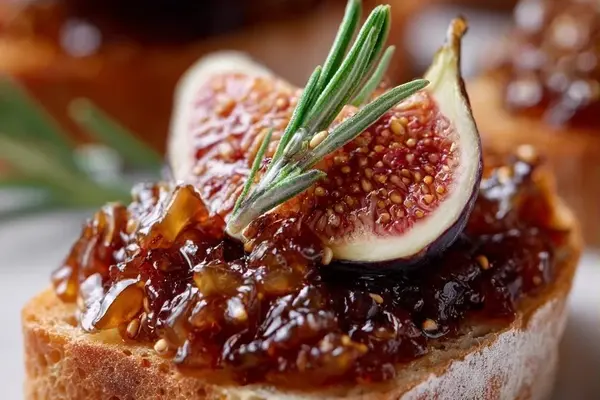
Fig Jams with Onion & Apple Cider Vinegar
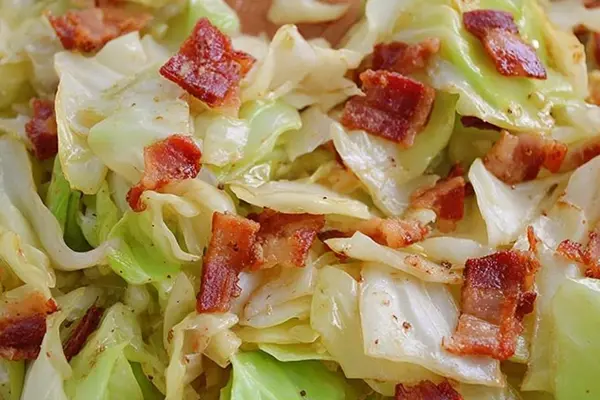
Fried Cabbage Dish with Bacon and Onion
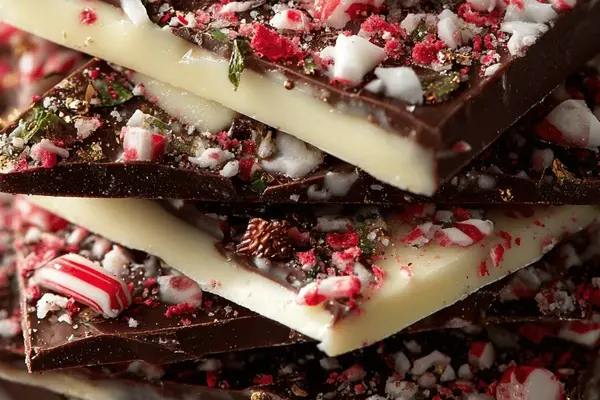
Peppermint Chocolate Shards with Candy Canes
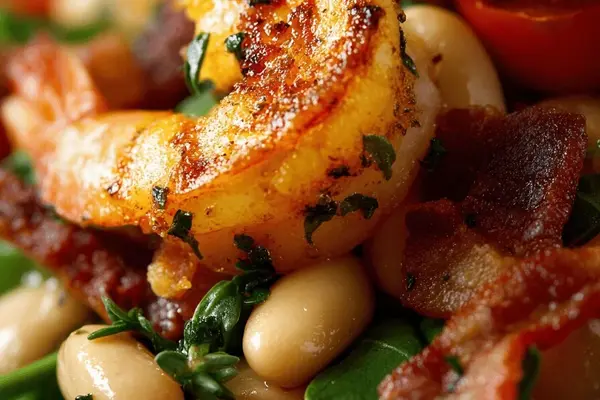
Cannellini Bean Salad with Grilled Shrimp
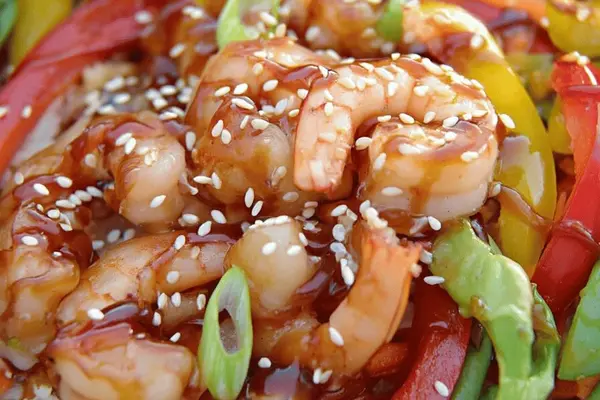
Shrimp Stir Fry with Bell Peppers
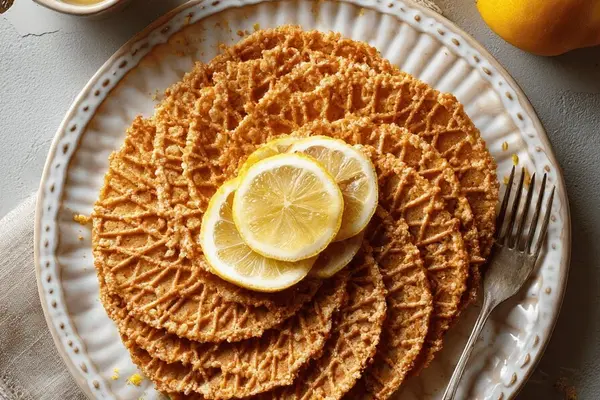
Almond Pizzelle Recipe with Lemon Zest
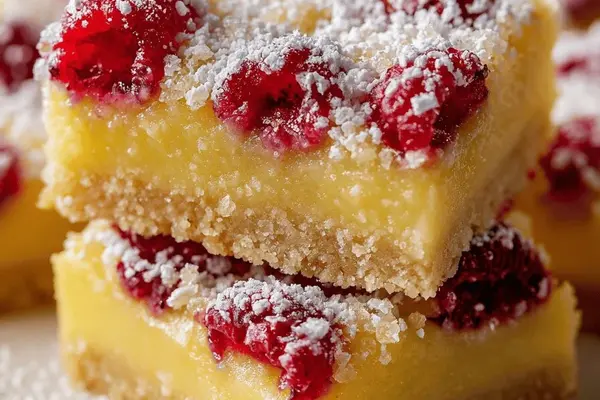
Lemon Raspberry Bars with Coconut Oil Shortbread

Oreo Chocolate Mint Shake with Vanilla Ice Cream

Cherry Cobbler Muffins with Cinnamon Streusel
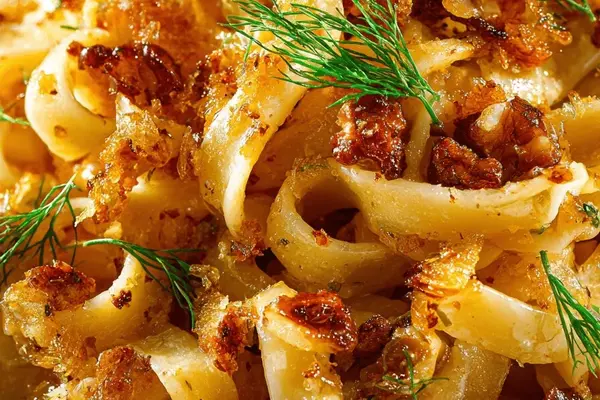
Tagliatelle with Fennel, Walnuts & Raisins
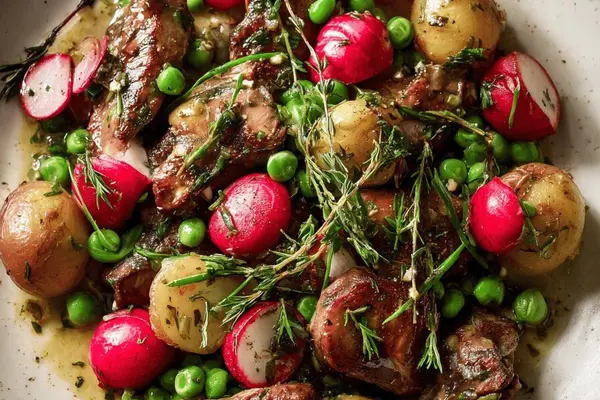
Pan Seared Chicken Livers with Radishes and Peas
Chocolate Ganache Chocolate Cake Filling
Strawberry Short Cake with Cream Cheese Frosting
Strawberry Short Cake Recipe Fresh Berries