Rustic Tomato Basil Sauce with Fresh Garlic
By Emma
Certified Culinary Professional
·
Recipe tested & approved
Rustic tomato basil sauce made with fresh plum tomatoes, garlic, and olive oil. Slow-simmered for natural sweetness, no blender needed. Perfect for pasta.
Prep:
15 min
Cook:
45 min
Total:
60 min
Servings:
4 servings
Slice the garlic thin—too thick and it burns, too thin and it vanishes into nothing. Rough chop the tomatoes by hand. Don’t overthink it. Heat oil in a heavy saucepan, listen for that gentle sizzle when the garlic hits, and stay there watching. Thirty minutes on medium, maybe a bit longer. Fresh basil goes in at the very end, still bright.
Why You’ll Love This Rustic Tomato Basil Sauce
Tastes homemade because it is. No blender. No sieve. No fuss. Just tomatoes, garlic, oil, heat. Comes together in 15 minutes prep. Simmers for 45. Total time 60 minutes, but you’re mostly just standing there. Not work. Works cold the next day—maybe even better cold than hot. Freeze it. Use it on pasta, on eggs, on bread. Doesn’t matter. Chunky. The tomato pieces stay chunky. Some people want that. If you don’t, simmer longer and they’ll break down more. Easy fix. Budget thing too. Fresh tomatoes, garlic, basil, oil. That’s the whole grocery list.
What You Need for Homemade Italian Tomato Sauce
Fresh plum tomatoes. About 1.9 kilograms, peeled. Rough chop them—don’t make it neat. The irregular pieces matter. Skin actually dissolves into the sauce as it cooks, so ripping them open by hand works fine.
Extra virgin olive oil. Four tablespoons. Not light olive oil. Not vegetable oil. The sharp, peppery stuff. It’s the spine of this sauce.
Garlic. Five cloves sliced thin. Too thick and you’ll taste bitter char instead of garlic. Slice it yourself. Pre-sliced doesn’t work the same way.
One small onion diced fine. Fine enough that it basically melts into the sauce and changes the whole texture without announcing itself.
Dried oregano—a teaspoon. Fine sea salt, a teaspoon and a half. One pinch sugar. Red wine vinegar optional, but keep it around. Ten fresh basil leaves torn at the very end. Fresh cracked black pepper to taste.
How to Make Rustic Tomato Basil Sauce
Heat the oil in a heavy saucepan over medium heat. Medium. Not high. The moment you add garlic you’ll hear it. Listen for a gentle sizzle. Not a pop. Not a crackle. A sizzle. Stay there. Browning garlic is how you get bitterness and regret.
Garlic just starts to turn color—maybe 90 seconds, maybe two minutes—toss in the diced onion. The onion will soften. The kitchen will smell different. Better. This takes about five minutes. The onion needs to be translucent, not brown. Slightly soft. The texture shifts.
Dump the tomatoes in. Be careful here. Hot oil, unexpected splashes, tomato juice hitting the pan. Add salt now. The oregano. The sugar. Sugar doesn’t sweeten it. It cuts the acid without making you taste sugar. No sugar? That’s what the vinegar is for, later.
How to Get Chunky Tomato Sauce with Perfect Body
Uncovered pan, medium heat. Do not stir constantly. Some people think constant stirring = better sauce. It doesn’t. The sauce needs bubbles breaking steadily across the surface. That’s how it thickens. Use a wooden spoon to scrape the bottom occasionally, just to make sure nothing’s scorching. Once, maybe twice.
Around 30 minutes in, the liquid will thin slightly and the sauce will gain actual body. This is the hard part—knowing when to stop. Taste it. The acid still sharp? Add the vinegar now. Stir. Simmer five more minutes. Crack pepper in. Taste again.
Seven minutes before you kill the heat, tear the basil and toss it in. Torn, not cut. Gently stirred. If the heat’s still too aggressive or you stir rough, the leaves bruise and turn dark and lose that bright thing they had. The sauce will cool slightly once you remove it from heat and it’ll thicken even more on standing.
Rustic Tomato Basil Sauce Tips and Common Mistakes
Too watery? Simmer longer uncovered. The longer it goes, the more water cooks off and the thicker it gets. Too thick? Add a splash of water or stock and stir. Both work.
Burnt smell creeping in? You can rescue this. Add fresh tomatoes if you have them, or a tablespoon of sugar to mask the bitterness. Works. Not perfect. But works.
No fresh tomatoes? Use canned whole peeled. Same method. The only thing—drain the excess liquid from the can first. Canned tomatoes are juicy and you’ll end up with soup if you don’t. Use that drained liquid later if you need to thin it.
No fresh basil? Dried oregano does something, or parsley, but add it after cooking. Dried herbs cook differently than fresh. You add dried at the beginning, fresh at the end. Different rules entirely.
Want it spicy? Pinch of chili flakes when the garlic goes in. One pinch. Not two. You can always add more next time.
Store it in sterilized jars. Keeps four days refrigerated. Freezes well for months. Reheat gently—high heat breaks down the flavors and it tastes tired.
Rustic Tomato Basil Sauce with Fresh Garlic
Prep:
15 min
Cook:
45 min
Total:
60 min
Servings:
4 servings
Ingredients
- 1.9 kg fresh plum tomatoes peeled and roughly chopped
- 4 tbsp extra virgin olive oil
- 5 garlic cloves thinly sliced
- 1 small onion finely diced
- 1 tsp dried oregano
- 1.5 tsp fine sea salt
- 1 pinch sugar
- 10 fresh basil leaves roughly torn
- 1 tbsp red wine vinegar optional twist
- Fresh cracked black pepper to taste
Method
- Preparation
- 1 Rip tomatoes open by hand. No peeling skin stress; skin cooks down. Rough chop, don’t overdo it. Set aside.
- 2 Slice garlic thin—too thick, it burns; too thin, it disappears. Dice onion fine enough to melt into sauce later.
- 3 Tear basil last, keep fresh and bright, toss in near end.
- Cooking
- 4 Heat oil in heavy saucepan medium heat. Add garlic. Listen for gentle sizzle, not aggressive pop. Browning garlic = bitterness, so stay watching.
- 5 Toss in onions when garlic just starts color. Softening onion changes texture, aroma fills kitchen.
- 6 Once onions translucent, about 5 mins altering heat slightly, dump tomatoes in. Be careful; hot oil, unexpected splashes.
- 7 Add salt, oregano, and sugar now. Sugar cuts acidity without sweetness takeover. No sugar? Try a splash vinegar later to balance instead.
- 8 Simmer uncovered. Do not stir constantly; bubbles should break steadily, sauce thickening. Use wooden spoon to scrape bottom occasionally, prevents scorch.
- 9 After 30 mins, liquid thins slightly, sauce gains body. Give taste—acid still too sharp? Add vinegar now, stir, simmer 5 more. Pepper to finish.
- 10 Seven minutes before off heat, toss torn basil leaves. Stir gently; heat will bruise leaves if too hot or stirred rough.
- Finishing and Storage
- 11 Cool slightly, sauce thickens on standing. Taste again. Too thick? Thin with splash water or stock.
- 12 Use immediately or store in sterilized jars. Keeps for 4 days refrigerated, freezes well.
- 13 Reheat gently—high heat breaks down flavors.
- Troubleshooting and Variations
- 14 Too watery? Simmer longer uncovered. Too thick? Add broth or wine. Burnt smell? Rescue by adding fresh tomatoes or a tablespoon sugar to mask bitterness.
- 15 No fresh tomatoes? Use canned whole peeled; same method. Remove excess liquid from canned first to avoid diluting.
- 16 No basil? Use dried oregano or parsley but add after cooking; dried herb flavors cook differently.
- 17 Prefer spicy? Add pinch chili flakes with garlic step.
Nutritional information
Calories
120
Protein
3g
Carbs
15g
Fat
7g
Frequently Asked Questions About Tomato Basil Pasta Sauce
Can I make this sauce without peeling the tomatoes? Yeah. The skin softens as it cooks and mostly breaks down anyway. Sauce might be slightly thinner. Texture changes a bit. Some people prefer it that way.
How do I know when the sauce is actually done? Listen to the bubbles. They break steadily across the surface, not aggressively popping. Taste it. The acid should be rounded—not sharp. The sauce should coat the back of a spoon. Takes 45 minutes usually. Sometimes 50.
What if I don’t have fresh basil? You already have oregano in there. Dried basil doesn’t work—tastes like nothing. Use what you have. Parsley does something if you add it fresh at the end. Or just skip it entirely.
Can I use a blender to make it smooth? Sure. But this sauce is supposed to be chunky. That’s the whole point. If you blend it, it’s not rustic anymore. It’s just smooth tomato sauce.
Does the red wine vinegar actually matter? Only if your tomatoes are super acidic and taste sharp. Most of the time skip it. Sometimes you need it. Keep it nearby. Add a tablespoon near the end if you taste it and go “yeah, this needs something.” Don’t guess.
How long does it actually keep? Four days in the fridge. Freezes for months. Reheat gently. High heat and you’ll taste the difference immediately.
You’ll Love These Too
Explore all →
Apple Pie Bars with Cinnamon Shortbread
Grilled Chicken Sandwiches with Scallion Sauce
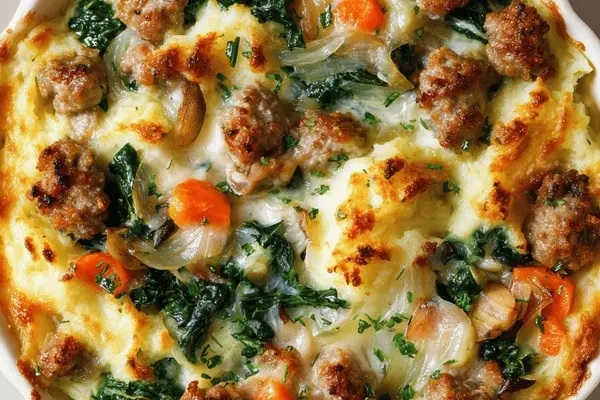
Sausage Shepherd's Pie with Parmesan
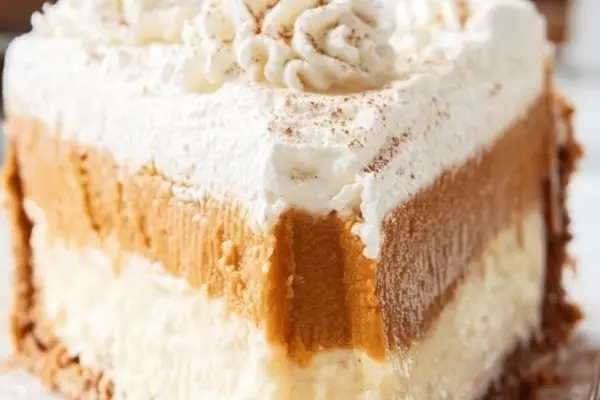
No-Bake Pumpkin Pie with Cream Cheese
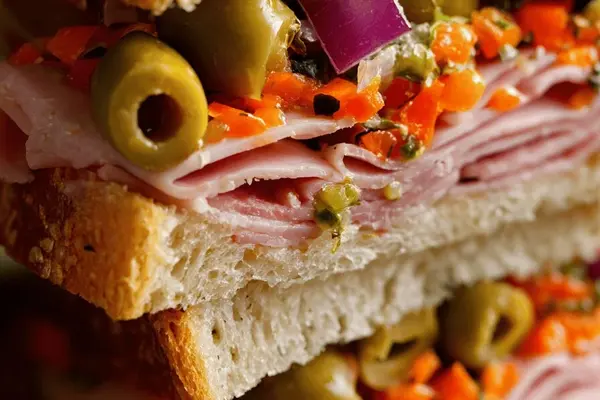
Muffuletta Sandwich with Kalamata Olives

Rainbow French Bread Pizza with Fresh Veggies
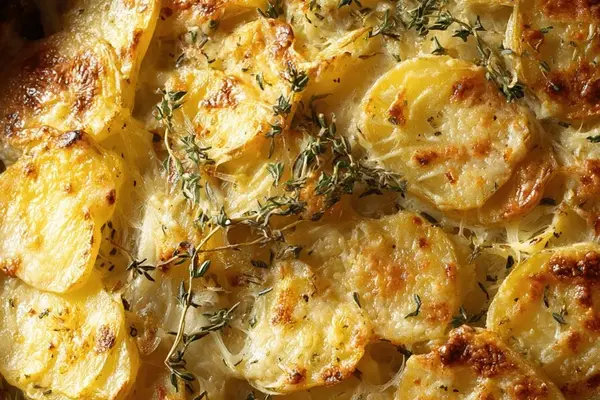
Scalloped Potatoes and Gruyere with Roasted Garlic
Flammekuchen Recipe: Crispy Crust with Pancetta
Beef Masala Recipe with Ginger and Pears

Apple Slab Pie with Chai Spice Crumb

Cookie In Iron Skillet With Chocolate Chips
Leek Shrimp Tart with Dill & Parmesan

Fluffy Pancakes Recipe with Buttermilk
Chocolate Pretzel Bark with Toffee Bits
Oreo Oreos: Red Velvet Cream Cheese Cookies
Pan Fried Tofu with Peanut Ginger Glaze
Peanut Soba Chicken with Cashew Butter
Banana Pineapple Bundt Cake Recipe
No Bake Cookie Recipe With Peanut Butter