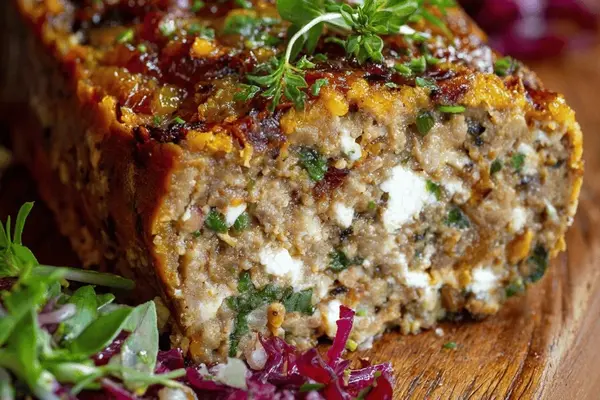
Rustic Meat Pâté with Pork and Celeriac
By Emma
Certified Culinary Professional
·
Recipe tested & approved
Rustic meat pâté featuring ground pork, celeriac, and dried apricots with warming spices. Topped with a buttery pastry crust and fresh herb salad for textural contrast.
Prep:
45 min
Cook:
55 min
Total:
1h 40min
Servings:
8 servings
Preheat to 400. The celeriac goes in first—roasted until the edges turn dark and sticky. That’s where the sweetness comes from. While that’s happening, brown the pork in a hot skillet. Don’t cook it all the way through. Leave it slightly pink, keep the moisture in. The whole thing comes together in under two hours, and most of that is just waiting around.
Why You’ll Love This Rustic Pork Pâté
Makes a proper French appetizer without needing to know French. Honestly one of the easiest ways to impress people at dinner. The crust gets buttery and golden and actually stays crispy on the bottom if you do the fold right. Tastes like something you’d spend money on at a restaurant. Cold the next day it’s somehow better—flavors settle into something deeper. This is the kind of comfort food that doesn’t feel like comfort food while you’re eating it.
What You Need for a Homemade Meat Pâté
Celeriac. Sounds fancy. It’s just root vegetable. Peel it, dice it small, roast it with olive oil until it goes soft and the edges caramelize. That’s it.
Pork—ground, lean, doesn’t matter what cut as long as it’s meat. 400 grams. You’ll brown it in a skillet with onion. Don’t use a low heat. High heat. The onion should go translucent and start catching color on the edges.
Breadcrumbs. Fresh ones work, or dried, two tablespoons either way. They soak up the broth and make the filling thick instead of sloppy.
Cinnamon and allspice. A quarter teaspoon each. Sounds small. It’s not. These spices are what make it taste French instead of just like seasoned pork.
Apricots, dried, chopped. A quarter cup. Substitute dates if you want—works fine, maybe a touch sweeter. The acid cuts through the richness.
Flour and butter for the crust. Two cups flour, three quarters cup cold butter cut into cubes. Cold matters. If the butter’s warm it won’t make those flaky layers. Salt, ice water, milk for brushing. That’s the shell.
Celery, fresh, diced fine. Lemon juice. Cilantro—or parsley if cilantro tastes like soap to you. These go on top at the very end, cold, sharp, cutting through everything.
How to Make French Pâté with Pork and Celeriac
Get the oven to 205 Celsius. That’s 400 Fahrenheit. Toss the diced celeriac with two tablespoons of olive oil, salt, pepper. Spread it on parchment paper on a tray. Roast it. Watch for the edges to brown and caramelize. About 23 minutes. The celeriac should be soft all the way through when you push it with a fork. Let it cool.
While that’s roasting, get a skillet hot. Not medium hot. Actually hot. Remaining tablespoon of olive oil goes in. Onion goes in right after. Let it sit for maybe 30 seconds before stirring. You want it to catch some color. Once it’s translucent and the edges are starting to turn golden—and you should smell it by now, that smell should be noticeable—add the pork.
Break it up as it cooks. Don’t press it down. Just crumble it with a wooden spoon. The goal is pieces, not a paste. It should stay slightly pink inside when you add the broth. Don’t overcook it here. You’ll cook it again.
Pour in a cup of chicken broth. Stir in the breadcrumbs, the cinnamon, the allspice. Keep the heat high. Stir often. The liquid needs to evaporate almost completely—about nine minutes. What you want is a thick, sticky mixture that holds together. Season with salt and pepper. Let it cool completely. It’ll firm up as it cools.
How to Get the Buttery Crust Right
Pulse flour and salt together in a food processor. Drop the cold butter cubes in. Pulse. You’re looking for pieces the size of small peas. Not smaller. Not bigger. Not a paste. If you pulse too much it gets tough. Stop while there’s still visible butter chunks.
Slowly add ice water while you pulse. Stop the second the dough just comes together in clumps. If it’s too crumbly and won’t hold, add a little more water. A teaspoon at a time. Too wet and your crust gets tough instead of flaky. Form it into a tight disk, wrap it in plastic, throw it in the fridge for 25 minutes minimum. The butter needs to firm up again.
Flour your work surface lightly. Roll the dough out to about 35 centimeters, maybe 14 inches. Doesn’t need to be perfect. A rough circle is fine. Move it carefully to a parchment-lined sheet.
Spread the cooled pork mixture all over the dough, but leave five centimeters of bare dough around the edges. Scatter the chopped apricots over the pork. Then layer the roasted celeriac on top. It’s not fancy plating. It’s rustic. Messy is correct here.
Fold the edges inward. Make loose pleats. Don’t seal them tight. Leave a small opening in the center for steam to escape. A sealed pastry gets soggy underneath. Brush the whole thing with cold milk. This is what turns it golden. Pop it into the oven.
Bake 33 minutes. You’ll hear it hiss faintly as the butter melts. The edges should turn a rich golden brown. Cracks will appear. They mean the crust is crisping. The bottom should slide slightly on the tray when it’s done. You’ll feel it move. That means it’s not stuck. Not soggy.
French Pâté Tips and Common Mistakes
Don’t use warm butter. Cold is everything. The whole point of folding the pastry is those little pockets of cold butter that create layers as they melt. Room temperature butter just greases everything and you get a tough, dense crust instead.
The celeriac needs to caramelize. Don’t pull it out when it’s just soft. The browning adds sweetness. That sweetness is what balances the spices and the pork.
Leaving the pork slightly pink inside sounds wrong. Do it anyway. It stays juicy. Cooked all the way through it gets dry and heavy.
The center hole in the pastry isn’t decoration. It’s functional. Steam has to escape or the bottom gets wet. This is the single thing that separates a crispy-bottomed pâté from a soggy one.
Cilantro on top matters. Or parsley. Whatever green herb you use. The fresh acid and brightness against the rich, spiced meat is what makes you want another bite. Without it the dish sits heavy.
The filling needs to cool completely before it goes into the dough. Warm filling melts the butter in the crust before it has a chance to create layers. You’ll end up with a greasy, flat pastry.
Rustic Meat Pâté with Pork and Celeriac
Prep:
45 min
Cook:
55 min
Total:
1h 40min
Servings:
8 servings
Ingredients
- Filling
- 1 medium celeriac, peeled and diced small
- 3 tbsp olive oil, divided
- 1 medium onion, finely chopped
- 400 g lean ground pork
- 1 cup chicken broth
- 2 tbsp fresh breadcrumbs
- 1/4 tsp ground cinnamon
- 1/4 tsp ground allspice
- 1/4 cup dried apricots, chopped (substitute dates)
- Crust
- 2 cups all-purpose flour
- 1/2 tsp fine salt
- 3/4 cup cold unsalted butter, cubed
- 1/2 cup ice water, plus more as needed
- Milk, for brushing
- Garnish
- 1 stalk celery, finely diced
- 1 tbsp lemon juice
- 1 tbsp olive oil
- 1/4 cup chopped fresh cilantro (replace parsley)
Method
- Filling
- 1 Set rack mid-oven; preheat to 205°C (400°F). Toss celeriac with 2 tbsp olive oil; season with salt and pepper. Roast on parchment-lined tray until fork-tender, about 23 minutes; watch for a little caramel in corners. Let cool.
- 2 Meanwhile, heat remaining olive oil in a hot skillet. Sweat onion till translucent, edges turning golden—aroma should build. Add pork, crumble as it browns but don’t overcook, leaving it slightly pink inside to keep moisture. Pour in broth. Stir in breadcrumbs, cinnamon, and allspice. Continue cooking on high, stirring often until liquid nearly evaporates and mixture feels thick and sticky—about 9 minutes. Salt and pepper well. Let cool completely.
- Crust
- 3 Pulse flour and salt together in food processor. Drop cold butter cubes in; blitz intermittently. You want pea-sized lumps, not a paste. Slowly add ice water while pulsing; stop as soon as dough just clumps together. If too crumbly, add water dropwise—too wet, tough crust. Turn dough out, form tight disk, wrap in plastic. Chill 25 minutes minimum for rest and butter to firm up.
- Assembly
- 4 Flour work surface lightly. Roll dough to about 35 cm (14 inches) diameter; rough circle is fine. Transfer carefully to parchment-lined sheet.
- 5 Spread pork filling unevenly but staying 5 cm (2 inches) from edge. Scatter chopped apricots over meat. Spoon roasted celeriac over apricots to finish layering.
- 6 Fold edges inward to make loose, messy pleats, leaving small hole exposed in center for steam. Don’t seal it airtight—that crust needs to breathe and brown. Too tight, pastry gets soggy underneath.
- 7 Brush entire pastry with cold milk for that golden sheen. Pop into oven and bake about 33 minutes. Crust will hiss faintly as butter melts, edges should turn rich golden-brown, cracks and crispness visible. Bottom should slide slightly on tray when done.
- Garnish
- 8 Combine diced celery, lemon juice, olive oil, and cilantro in bowl. Season with salt and pepper. Scatter fresh herb salad atop the pâté right after removing from oven for a fresh, tangy crunch contrast.
Nutritional information
Calories
350
Protein
18g
Carbs
20g
Fat
22g
Frequently Asked Questions About French Pâté Recipe
Can I make this ahead of time? Yeah. Bake it, let it cool, wrap it tight. Lasts three days in the fridge. Actually tastes better on day two. The flavors settle. Serve it cold or room temperature. Doesn’t matter.
What if I don’t have celeriac? Parsnip works. So does regular celery root if you can find it. Turnip if you’re desperate. The point is a root vegetable that gets sweet when roasted. Don’t use potato. Too starchy.
How do I know when the filling is thick enough? It should stick to itself. When you stir it, it should hold together in one mass, not run to the edges of the pan. If it’s still sloppy after nine minutes, cook it longer. Sometimes it takes eleven or twelve.
Can I use a different meat instead of pork? Ground beef works fine. Ground turkey works. It’ll taste different—less rich—but it works. Pork’s got enough fat that it doesn’t dry out. Lean meats need more broth, or it gets dense.
Why does the milk matter for brushing? It brushes on better than egg wash and doesn’t brown as dark. Gives you that softer golden color. Egg wash tastes metallic to me. Just use cold milk. Paint it on right before it goes in the oven.
What’s the deal with leaving the center hole open? Moisture. The pastry releases steam through it while it bakes. No hole, that steam has nowhere to go, it condenses on the bottom, you get a soggy crust. Sealed pastry is beautiful on top and wet on the bottom. Open hole fixes that.
How should I serve this? Slice it. The cross-section should show the layers. Serve with good bread, maybe some mustard, some pickles. A sharp vinegar cuts through the richness. Cold works better than warm, but both work.
What if my crust comes out tough? You pulsed the processor too much or added too much water. Next time pulse less frequently. Stop when you still see butter chunks the size of peas. Ice water too. Warm water toughens the dough.
You’ll Love These Too
Explore all →
Pork Medallions with Tangerine Glaze
Maple Buttercream Cake with Cinnamon

Chicken And Broccoli Rice Bake

Chorizo Stromboli Recipe with Mozzarella
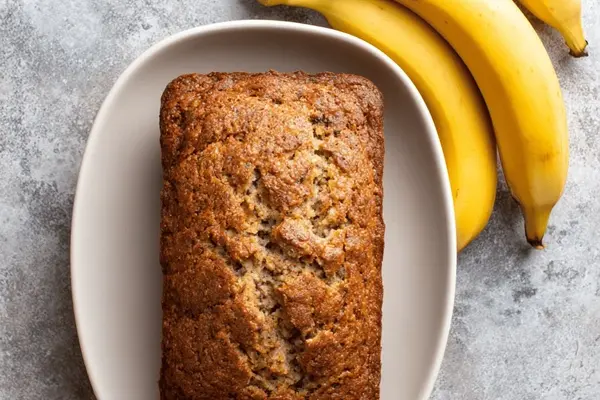
Banana Bread Recipe with Oat Flour
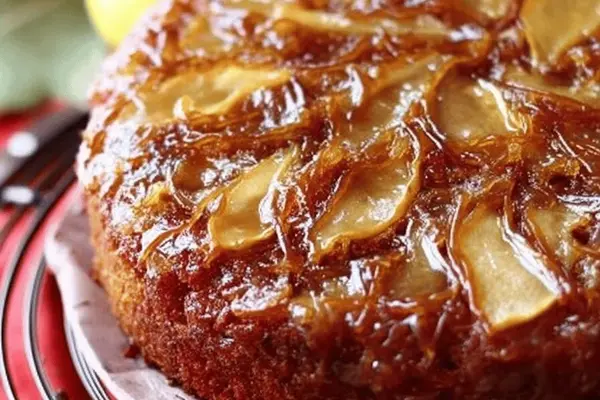
Apple Upside Down Cake Recipe

Chocolate Ninja Creami with Cream Cheese

Crispy Baked Potato Skins with Bacon & Cheddar

Apple Cheesecake Crisp with Pecan Crust
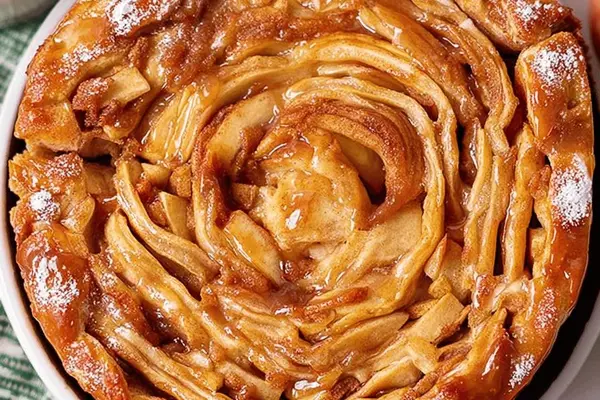
Apple Crescent Coffee Cake with Caramel

Auntie Anne's Cinnamon Pretzel Recipe

Lemondrop Martini Recipe with Vodka
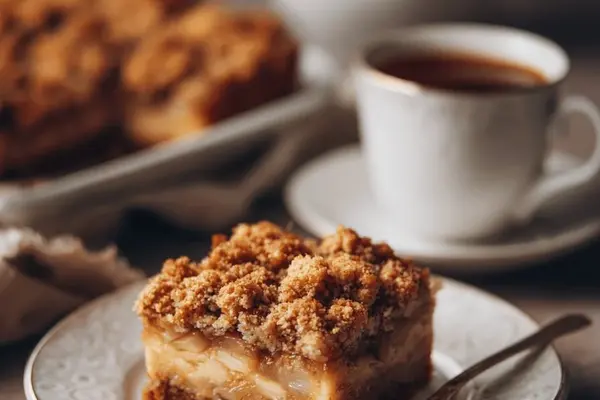
Iced Rhubarb Cake with Crunchy Crumble

Cucumber Gin Sparkler Cocktail Recipe

Mexican-Style Dips with Guacamole & Cucumber
No Bake Cookies Recipe with White Chocolate
Herb Pesto with Walnuts and Pecorino
Pumpkin Muffins with Greek Yogurt

Rustic Red Velvet Cake with Beet Powder