Rustic Grape Galette with Lemon & Vanilla
By Emma
Certified Culinary Professional
·
Recipe tested & approved
Grapes go in, butter stays cold, everything else falls into place. Fifty minutes of actual work, thirty minutes of heat, and somehow you end up with something that looks like you spent the whole afternoon in a French bakery. You didn’t. The dough’s just flour and butter doing their thing. The filling is grapes—actually grapes, not some complicated compote—plus a tablespoon of maple syrup and a dash of lemon so they taste like themselves but better.
Why You’ll Love This Rustic Grape Tart
Takes an hour and twenty minutes total. Not a weekend project. The dough works cold. No special mixer, no technique secrets—just pulse and chill. Grapes break down just enough. They’re soft but hold their shape. Not jam. Actual fruit. Looks rustic because it is. Rustic means imperfect edges are the point. No piping, no precision required. Just fold and go. Summer dessert that doesn’t heat your kitchen. One sheet pan. One oven. Tastes better the next day. Cold from the fridge, or warmed up. Doesn’t matter.
What You Need for a Fresh Grape Galette
Flour goes in first. All purpose. Nothing fancy. One and a quarter cups.
Sugar and salt. Two and a half teaspoons of the granulated kind, half a teaspoon kosher. The salt matters—it wakes up the grapes later.
Butter. Ten tablespoons. Cold. Cubed before you even open the food processor. Warm butter won’t flake. Cold butter does.
Ice water. Three to four tablespoons. Cold matters here too. Your tap water doesn’t work—actually get ice water or chill it first. Sounds fussy. It’s not. Makes a difference.
Grapes. Three cups, halved. Red, black, a mix—whatever you have. They’re the whole point.
Lemon juice. A tablespoon. Fresh. Bottled tastes stale in something this simple.
Vanilla extract, maple syrup, arrowroot powder. One teaspoon, one tablespoon, one and a half tablespoons. The arrowroot’s key—it sets the filling without making it glossy and weird like cornstarch does.
Egg for wash. One large, beaten. Pastry brush. Makes the crust golden.
Turbinado sugar. A tablespoon scattered on top. Adds crunch and looks intentional.
How to Make a Homemade Galette with Arrowroot Filling
Pulse flour, sugar, salt in the food processor. Quick bursts. You’re not blending, just mixing. Takes maybe ten seconds.
Dump in the cold butter cubes. Pulse again. You want pea-sized chunks. Maybe smaller. Look closely—some bits should still be visible butter, not completely mixed into the flour. That’s what gives you layers. That’s the whole secret. Stop pulsing when it looks like coarse sand with actual pea-sized lumps still visible.
Add cold water. Drizzle it in—one tablespoon at a time. Pulse after each splash. Watch the dough. It goes from powder to clumps. Stop the second it clumps. This matters. Too much water and you’re scraping sticky dough off the processor. Too little and it won’t hold together. Somewhere in between is right. For most people that’s three to four tablespoons total. Maybe three and a half.
Dump the dough onto a floured surface. Don’t knead it. Don’t work it. Just gather the clumps gently, press them together into a ball, then flatten it into a thick disk. Wrap it tight in plastic. Into the fridge for twenty-five to forty minutes. The butter needs to firm up again—that’s what gives you a flaky crust instead of a sad, crumbly mess.
While that’s chilling, deal with the grapes. Halve them. Toss them in a bowl with lemon juice, vanilla, maple syrup, and arrowroot powder. Just stir. Let them sit for seven to twelve minutes. They’ll release their own juice. The arrowroot thickens it slightly. You want the filling to have body, not be soup.
How to Get a Crispy Rustic Grape Tart Crust
Heat the oven to three hundred and ninety-five degrees. Not four hundred. Not three eighty. Three ninety-five. It’s cozy enough to bake through without burning the edges.
Flour your work surface. Pull the dough out. Roll it into a circle. Roughly twelve inches. It doesn’t have to be perfect. Rustic means bumpy, uneven edges, weird thickness in spots. That’s the whole point. If you’re worried about sticking, wipe your rolling pin with a damp cloth or dust it with flour again. Easy fix.
Slide it onto a baking sheet lined with parchment or a Silpat. Now grab a slotted spoon. Scoop the grapes out of their juice—just the fruit. Leave the juice in the bowl. This is crucial. Wet filling makes a soggy bottom crust. Soggy crust is sad. Arrange the grapes in the center of the dough, leaving about two inches of bare dough around the edges.
Fold the edges up and over the grapes. Pleat as you go. It doesn’t have to be neat. Overlapping slightly, pinching so the folds stay put but the dough stays tender—that’s all you’re doing. It’ll look rustic. Again, that’s the point.
Brush the exposed dough rim with beaten egg. This is where the golden color comes from. The egg wash also helps the edges set properly during baking. Sprinkle turbinado sugar on top. Generously. Those sugar crystals stay on the surface and add a little crunch to the crust.
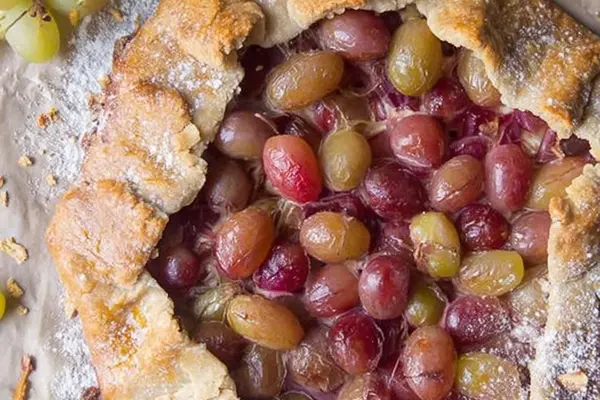
Bake for twenty-eight to thirty-five minutes. Watch for golden crust and bubbling fruit juices visible through the dough folds. The aroma shifts—from fresh grape sweet to warm toasted butter and something syrupy and dark. That’s when it’s done. Pull it out and let it cool for at least fifteen minutes. The filling’s hot. Patience now means you can actually slice it later without it falling apart.
Easy Grape Galette Tips and Common Mistakes
Cold butter is non-negotiable. Warm butter won’t create flakes. It’ll just blend into the flour and you’ll get a tough crust.
Don’t skip the chill time for the dough. Those twenty-five to forty minutes aren’t random. Butter firms back up. Gluten relaxes. Both matter.
The slotted spoon trick matters. Grape juice on the filling is fine. Grape juice soaking into the dough bottom is how you end up with a soggy crust. One spoon, one moment, leaves the juice behind.
Arrowroot over cornstarch. Cornstarch gets glossy and weird-looking. Arrowroot thickens clean. You can actually see the fruit.
Don’t over-roll the dough. You want it maybe a quarter inch thick. Thinner and it tears when you move it. Thicker and it stays doughy in the middle.
The egg wash matters but isn’t complicated. Just brush it on. It browns the crust and makes it look intentional.
Single Crust Fruit Galette Recipe with Fresh Grapes and Lemon
Everything comes together in about an hour and twenty minutes from start to finish. Fifty minutes of prep and chill time, thirty minutes in the oven. Sitting and cooling is separate—worth the wait.
It’s a summer dessert that works cold or warm. Vanilla ice cream on top is traditional. Whipped cream works too. Neither is necessary. Galette alone is good.
Leftovers keep for three days wrapped loosely in the fridge. Something about the flavors actually melds together overnight. The lemon becomes less sharp. The maple becomes more present. It’s better the next day than the day you made it.
You can make this the morning of and bake it in the evening. You can make it a day ahead and bake it the day of. The dough doesn’t care. Stay cold.
Rustic Grape Galette with Lemon & Vanilla
Prep:
50 min
Cook:
30 min
Total:
1h 20min
Servings:
6 servings
Ingredients
- 1 1/4 cups all purpose flour
- 2 1/2 tsp granulated sugar
- 1/2 tsp kosher salt
- 10 tbsp unsalted butter, cold and cubed
- 3-4 tbsp ice cold water
- 3 cups grapes, halved (red, black, or mix)
- 1 tbsp fresh lemon juice
- 1 tsp vanilla extract
- 1 tbsp maple syrup
- 1 1/2 tbsp arrowroot powder
- 1 large egg, beaten (for egg wash)
- 1 tbsp turbinado sugar
Method
- Dough
- 1 Dump flour, sugar, salt into food processor; pulse quick bursts to mix.
- 2 Add cold butter cubes; pulse until butter bits about the size of peas; look for tiny chunks but not completely blended.
- 3 Slowly drizzle in cold water, a tablespoon at a time; pulse after each addition just until dough clumps. Too much water? Dough sticky, floured surface rescue; too dry? Add another splash.
- 4 Scrape dough on floured surface; gather gently, form ball—gentle press, flatten thick disk; wrap tight in plastic to trap chill; fridge 25-40 mins. Crucial for butter to solidify again—skip this and crust’s sad and crumbly.
- Filling
- 5 Toss halfed grapes with lemon juice, vanilla, maple syrup, and arrowroot powder in bowl. Rest 7-12 mins until grapes release juice but mixture thickens slightly. Arrowroot edge preferred over cornstarch—cleaner, better clarity in filling.
- Assembly & Baking
- 6 Heat oven to 395°F; cozy but not scorching, prevents burned edges.
- 7 Flour board lightly; roll dough into roughly 12 inch circle. Not perfect? Rustic charm. Dirtier rolling pin? Quick wipe or dust flour prevents stick.
- 8 Slide dough onto baking sheet lined with Silpat or parchment; no sticking, no worries.
- 9 Slotted spoon in hand, lift grapes from juice, arrange center dough leaving 2 inch bare edges. Juice in bowl stays behind; prevents soggy bottom.
- 10 Fold dough edges over filling, pleat as you go—overlapping slightly, pinch firmly so dough holds shape but remains tender.
- 11 Egg wash with pastry brush all over exposed dough rim; sets color, tiny bubbles form during bake—sign of caramelizing butter and sugars.
- 12 Sprinkle turbinado sugar liberally on edges for crunch sparkles.
- 13 Bake 28-35 mins; look for golden crust, bubbling vibrant fruit juices visible through folds; aroma shifts from fresh grape sweet to warm toasted butter and syrupy notes.
- 14 Pull tray out, cool 15 mins minimum; hot filling fights patience, but improves sliceability and melds flavors.
- 15 Serve solo or with vanilla ice cream or whipped cream—cold cream meets warm fruit and crisp shell; magic.
Nutritional information
Calories
280
Protein
3g
Carbs
34g
Fat
15g
Frequently Asked Questions About Easy Grape Galette
Can I make the dough ahead of time? Yes. Three days max. Wrap it tight so it doesn’t dry out. Pull it out fifteen minutes before rolling so it’s not completely rigid.
What if my dough is too sticky? Dust with flour. Work on a floured surface. It happens. Not a disaster.
Can I use cornstarch instead of arrowroot? Technically yes. The filling gets glossy instead of clear. Looks less like fruit, more like jam. Arrowroot is better here.
How do I know when it’s done baking? Golden crust. You can see the grapes bubbling through the folds. Smell shifts from grape to toasted butter. That’s the sign. Usually around thirty to thirty-two minutes but ovens vary.
Why do the grapes need to sit before filling the galette? They release their own juice. The arrowroot thickens it. Prevents a puddle on the bottom. Just seven to twelve minutes. Not a big wait.
Can I use frozen grapes? They’ll work but release more liquid. Drain them really well or add another half teaspoon of arrowroot. Fresh is better here though.
What’s the difference between this and a pie? Single crust. Free-form shape. Less fussy. Galette says “rustic.” Pie says “perfect.” This is galette.
You’ll Love These Too
Explore all →
Peanut Noodle with Tofu and Green Beans
Rustic Cookie Pie with Chocolate & Pecans

Grilled Shrimp On Grill with Smoked Paprika
Lemon Butter Sauce with Dijon Mustard
Homemade Seasoned Salt with Smoked Paprika
Nutella Swirl Brownies with Hazelnut Spread
Apple Cider Reduction with Warm Spices
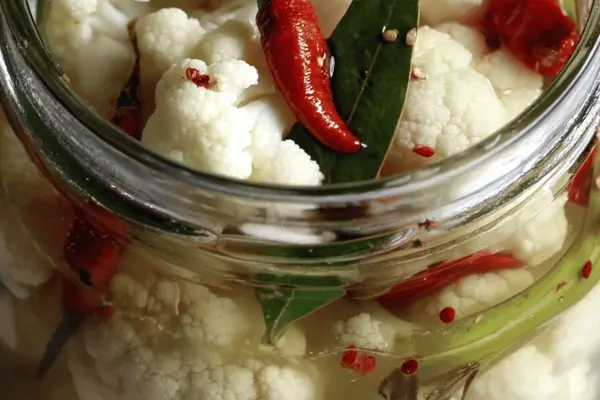
Quick Pickled Cauliflower with Mustard Seeds

White Chicken Chili with Beans

Oyster Appetizers with Turnip Fennel Mignonette
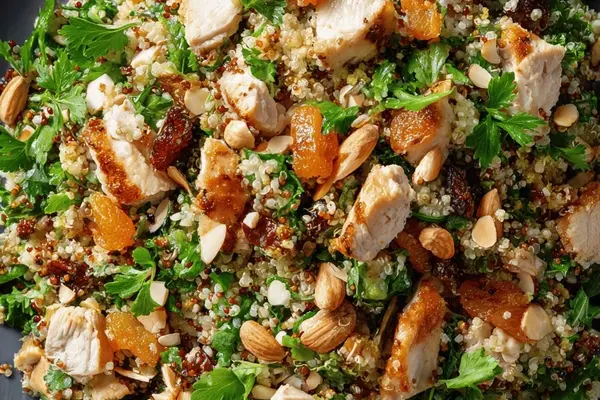
Quinoa Chicken Salad with Lemon & Feta
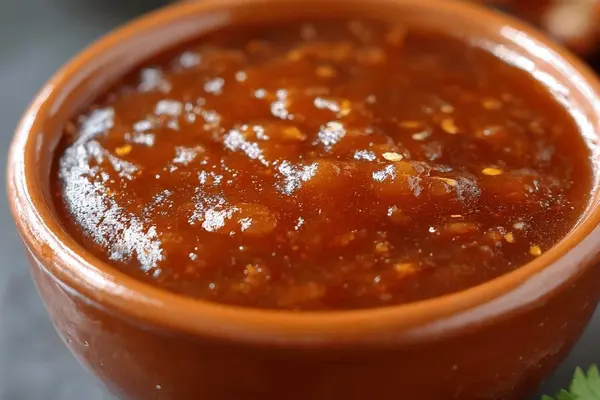
Shredded Pork BBQ Sauce with Chipotle
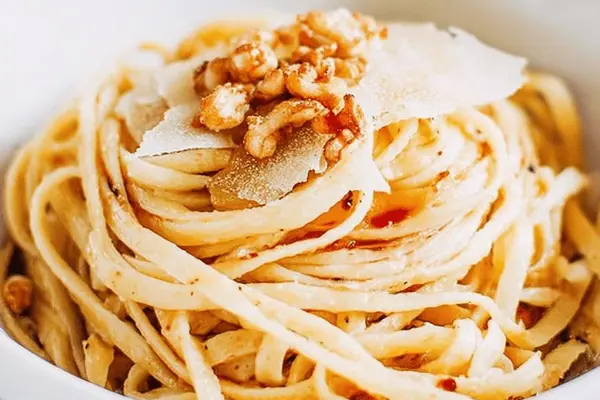
Pancake Spaghetti Remix with Almonds

Homemade Orange Juice Drink Recipe
Muhammara Recipe: Roasted Red Pepper Dip

Black Bean Burritos with Cilantro Rice
Broccoli Carrot Puree with Ginger
Marinated Broiled Flank Steak with Red Wine
Crispy Herb Roast Chicken with Butter