
Rustic English Scones with Sour Cream
By Emma
Certified Culinary Professional
·
Recipe tested & approved
Grate frozen butter straight into the flour. That’s where it starts. Cold butter stays crumbly, melts in the oven instead of your hands, and that’s the whole secret to scones that actually flake. Takes 12 minutes to mix, 17 in the oven. Done.
Why You’ll Love This Rustic English Scones Recipe
Works for breakfast, obviously. But also afternoon tea, next-day brunch, quick weeknight bread when you’re tired of regular stuff. No yeast. No waiting. Just 29 minutes total and the kitchen smells like butter and sugar.
Homemade scones cost almost nothing — flour, butter, an egg. Way cheaper than the bakery version that’s dry by lunchtime.
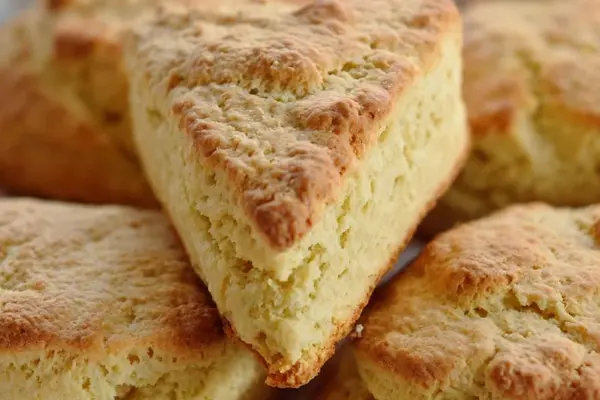
These stay soft inside, crispy at the edges. Not cakey like most homemade ones. The sour cream keeps them tender all the way through, even cold the next day. Actually better cold, kind of.
British style means rustic. Uneven. Torn, not cut perfectly. Easier, honestly. Less finicky than American diner scones.
No mixer. No special equipment. Hands work fine — actually work better. Takes about as long to clean up.
What You Need for Homemade Scones
Two cups flour. All-purpose works. Bread flour makes them tougher — skip it.
Baking powder. One tablespoon. Check the date. Old baking powder won’t rise right, and that’s the only leavening you get here.
Sugar. A third of a cup. Not much. You want the butter and scone flavor first, sweetness second.
Salt. Just half a teaspoon. Sounds like nothing but it fixes everything — makes the butter taste like more butter.
Half a cup unsalted butter. Frozen solid. Grate it with a box grater straight into the flour. Cold butter is non-negotiable. Warm butter makes them dense and oily. Not worth it.
Sour cream. Two-thirds of a cup. The tang keeps scones from tasting one-note. Greek yogurt works too but add a splash of milk to loosen the dough up — Greek yogurt’s thicker.
One egg. Large. Whisked with the sour cream. Binds everything, adds richness.
How to Make British Scones
Heat the oven to 405. Line a sheet with parchment. Sticking ruins everything. Parchment solves it.
Whisk together the flour, baking powder, sugar, and salt in a medium bowl. Whisk it actually — big flour clumps won’t rise right. Takes maybe a minute.
Pull out the frozen butter. Grate it with a cheese grater straight into the flour. Sounds weird, works perfect. The butter stays cold, stays in tiny pieces, and that’s what makes them flaky. Don’t use a food processor. Don’t do anything but grate and drop.
Now pinch the butter and flour together with your fingers. Literally pinch it. Your hands warm it up just enough to barely combine — keep lumps visible, keep crumbs loose. You’re looking for a texture like wet sand. Overworking kills it. Butter melts, scones turn tough. Takes about two minutes.
In a small bowl, whisk the sour cream and egg together until it’s one color. Pour it into the dry mix. Fold it in gently with your hands only — no spoon, no mixer. Fold until it sticks together. The dough should be sticky. That’s right. Sticky dough means moisture got trapped where it belongs. Don’t knead. Don’t smooth it. Stop as soon as it holds.
How to Get Flaky Scones with Frozen Butter Method
Form it into a ball and plop it onto the parchment. Literally plop. Messy is fine. Press it down with your palm to roughly 9 inches across, slightly uneven. Don’t make it perfect. Rustic means lumpy.
Slice it into 8 wedges. Use a sharp knife, cut gently, don’t press or compress the dough. Separate the wedges a bit — air space between them means easier browning, more uneven texture.
Bake 15 to 20 minutes. Watch the edges first — they color before the tops do. Tops should show faint golden hints but not brown fully. Touch one. Should feel firm but spring back slightly, like the inside’s still soft. That’s done.
Remove from the oven. Cool five minutes or serve warm right away. Butter melting inside, crispy edge, soft crumb. That’s the scone.
Rustic English Scones Tips and Mistakes
Don’t press the dough after you slice it. That crushes the rise, makes them dense. Gentle. Separate and leave them.
Cold butter matters more than anything else. If it’s warm, restart. Seriously. One batch ruined teaches you to freeze the butter longer next time.
Sour cream swap is fine. Greek yogurt works but add milk. Milk loosens it up so the dough isn’t thick paste. Regular yogurt works too, probably.
If you’re out of butter, cold coconut oil does something close. Not exactly the same but adds a subtle twist. Scones come out softer, less flaky. Still good though.
Overworking the dough is the mistake everyone makes. You think you’re helping. You’re not. Stir until it sticks, stop. The tougher it looks, the better it’ll bake.
Rustic English Scones with Sour Cream
Prep:
12 min
Cook:
17 min
Total:
29 min
Servings:
8 servings
Ingredients
- 2 cups all-purpose flour
- 1 tablespoon baking powder
- ⅓ cup sugar
- ½ teaspoon salt
- ½ cup unsalted butter very cold or frozen
- ⅔ cup sour cream
- 1 large egg
Method
- 1 Preheat oven near 405 degrees. Line sheet with parchment; no sticking, even heat.
- 2 Whisk flour, baking powder, sugar, salt in medium bowl. Uniform blend; big lumps ruin rise.
- 3 Grate frozen butter with cheese grater directly into flour. Works best cold so it stays crumbly, not greasy.
- 4 Pinch butter and flour together—no machines. Fingers, pastry cutter, whatever but keep crumbs visible. Overwork melts butter, tough scones.
- 5 In small bowl, whisk sour cream and egg. Pour into dry mix and gently fold with hands only until it just sticks. Sticky dough means moisture held right—don’t knead.
- 6 Form round ball, plop onto parchment. Press down with palm to roughly 9 inches across, slightly uneven ok.
- 7 Slice into 8 wedges gently—don’t press or compress dough too much. Separate wedges a bit for air space, easier browning.
- 8 Bake 15-20 minutes; watch edges color first. Tops should show faint golden hints but not brown fully. Touch feels firm but quick spring back hint.
- 9 Remove from oven. Let cool 5 minutes or serve warm right away. Crisp edge, soft crumb, with butter melting inside.
- 10 If butter missing, use cold coconut oil for subtle twist. Sour cream swap: thick Greek yogurt works but add splash milk to loosen dough.
Nutritional information
Calories
210
Protein
4g
Carbs
27g
Fat
10g
Frequently Asked Questions About Homemade Scones
Can I make the dough ahead? Yeah. Mix everything, form the ball, wrap it in plastic. Sits in the fridge overnight, actually better that way. Butter stays cold. Slice and bake in the morning. Takes the same 15 to 20 minutes.
What if my scones turn out dense? Overworked dough. Next time stop folding the moment it sticks together. Also check your baking powder — old baking powder won’t rise. That’s usually it.
Sour cream scones — can I use something else? Greek yogurt, thick yogurt, even crème fraîche. Just thin it out a little if it’s too thick. Regular milk won’t work — no tang, no richness. Not the same.
Why grate the butter instead of cutting it in? Cold grating keeps butter in tiny pieces that stay separate in the dough. Box grater is faster and easier than two knives. Food processor warms it up too fast. Your hands work but grating’s just easier.
Do they freeze well? Baked scones freeze fine — three months, maybe four. Slice them first so you only defrost what you need. Toast them if they’re been frozen. Makes them crispy again.
Can I use regular milk instead of sour cream? No. Milk’s too thin, won’t hold the dough right. Also loses the tang. Sour cream or Greek yogurt — those are the ones.
What’s the difference between these and American baking powder biscuits? British scones use more butter and sour cream. American biscuits use buttermilk and less sugar. Scones are richer, more tender. Both flaky if you do the cold butter thing right.
You’ll Love These Too
Explore all →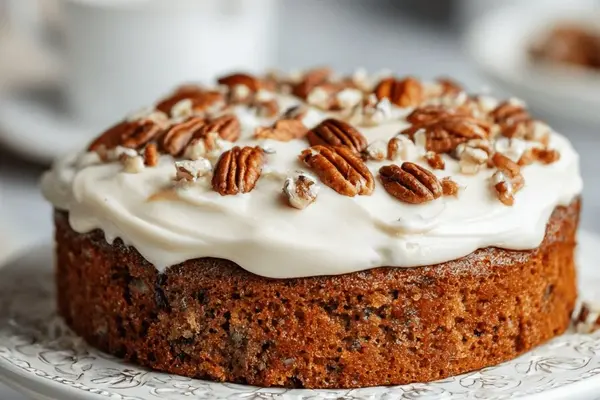
Brown Butter Banana Cake with Pecans

Chicken Marbella Recipe with Olives & Prunes

Sesame Bread with Olive & Walnut Oil
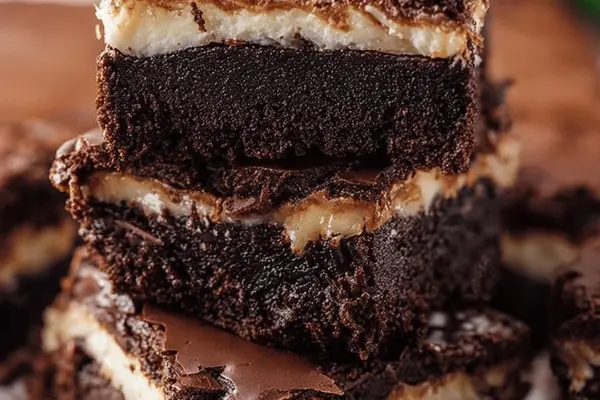
Baileys Brownies with Irish Cream Frosting

Baking Leeks with Roast Veal & Mustard

Jeera Rice Recipe: Cumin Basmati Rice

Arrabbiata Sauce Pasta with Spicy Sausage

Corn Black Bean Salad with Red Wine Vinaigrette

Cheesecake Stuffed Strawberries Recipe

Pineapple Fried Rice with Crispy Bacon

Pepperoni Cheese Logs with Egg Roll Wrappers

Braised Rabbit Pappardelle with White Wine
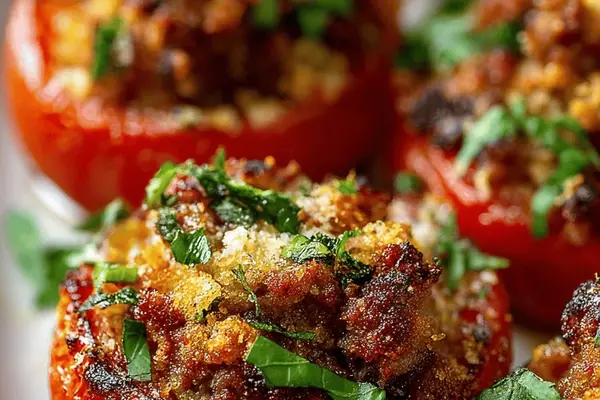
Sausage Stuffed Tomatoes with Parmesan

pan fried steak cast iron

Cheesy Beef Quesadillas with Ground Beef

Oklahoma Onion Smash Burger Recipe

Keto Spicy Bacon Chili with Ground Beef
Apricot Jam Baked Brie with Pecans

Bacon Wrapped Corn On The Cob Recipe