Roast Leg of Lamb with Port Wine & Cherry
By Emma
Certified Culinary Professional
·
Recipe tested & approved
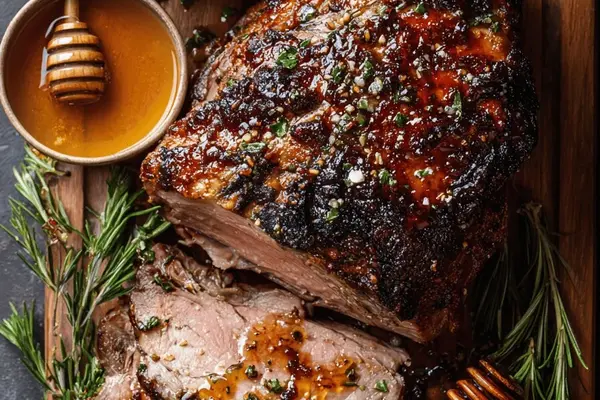
Cut the lamb in half lengthwise—actually, leave it whole. Fourteen hours in port and cherry, then two hours turning over coals. The fat crisps. The inside stays pink. Port reduces down to something sweet and sharp at the same time.
Why You’ll Love This Roast Lamb
Takes 2 hours 35 minutes total but most of it’s marinating while you do something else. Port wine and cherry preserves sound fancy. Honestly it’s five ingredients you probably have, plus the lamb. Grilled instead of roasted, which means less oven time and char that tastes like a holiday dinner without feeling like it. The meat pulls apart. Doesn’t need a knife if you don’t want one. Leftovers are better cold the next day—not that there usually are any.
What You Need for Smoked Paprika Lamb Marinade
Port wine. Two hundred milliliters. The cheap stuff works. Cherry preserves go in next—ninety milliliters, needs to dissolve into the port or it stays gritty. Olive oil. Twenty-five milliliters. Not fancy. Just olive oil. Balsamic vinegar. One tablespoon. This is the acid that cuts the sweet. Whole grain mustard. Two teaspoons. Creates texture, holds flavor. Smoked paprika. One teaspoon. Not regular paprika. The smoke matters. Garlic. Three cloves minced fine. Gets into everything.
The lamb itself. One and a half kilos. Partially boned, tied, fat layer still on. If your butcher can do that, let them. If not, keep the skin on—protects the meat while it cooks.
How to Make Roast Leg of Lamb with Port
Mix the port, preserves, oil, balsamic, mustard, paprika, garlic in a container big enough for the lamb to fit inside. Stir until the preserves break down into the port. This takes a minute. They won’t totally dissolve—that’s fine. Close enough.
Add the lamb. This is the part where you work the marinade into the meat with your hands. Push it into the surface. Flip it. Push again. Get the marinade under the fat layer if you can. Seal it up. Bag it. Fridge it. Ten to fourteen hours minimum. Overnight is best.
When you’re ready to cook, prep the grill for indirect heat. Coals on one side or gas turned off on half the grill. Target temperature around 160 to 180 degrees Celsius. Hot enough to sear, not so hot the fat just burns straight off. Pat the lamb dry but keep that marinade. You’ll need it.
Salt it. Pepper it. Coarse pepper. The kind that doesn’t disappear.
How to Get Roasted Lamb Crispy and Perfectly Cooked
Thread the spit through the center—rotisserie if you have one. If the fat layer looks thin right from the start, wrap it loose with foil. Only on top. You’ll pull it off later.
Mount it. Place it over the cooler side of the grill. Turn it on. Seventy-five to ninety minutes. Listen for the spit rotating steady. After the first hour, peek. The fat should look like it’s getting serious—darker, tightening up.
Start basting at twenty minutes, then every twenty minutes after that. Use the reserved marinade. If it dries out in the pan underneath, splash water in there. You want something to baste with the whole time. The lamb sweats a little into the drip pan. Good. That becomes sauce.
Pull the foil off about thirty minutes from the end. Let the skin crisp proper. It should get dark. Not black. Dark.
Fork test at the thickest part. It should pull without shredding. Internal temp somewhere around 60 to 65 degrees Celsius—medium rare to medium. The grill never cooks the same twice so times shift. Could be 75 minutes. Could be 100. Smell it. Watch it. That’s your real timer.
When it’s done, off heat for at least fifteen minutes, loosely covered in foil. The juices have nowhere to go if you cut it now. Wait.
Roast Lamb Tips and Common Mistakes
Too hot at the start means the outside seizes and the inside stays cold. Then you’re panicked, cooking longer, and everything dries out. Happened to me once. Keep it moderate. Slow. The cherry and port sweetness only works if the meat’s tender.
Check your fat layer before you start. If it’s patchy, foil goes on earlier. If it’s thick, you might not need foil at all.
Don’t skip resting. I know you want to eat it. Wait.
The drip pan gets this thickened sauce from the marinade and the lamb fat. Pour it over the slices. That’s most of the flavor right there.
Ruby red wine works instead of port if you want less sweet. Blackberry jam instead of cherry if you want more tang. Smoked paprika is doing real work—don’t swap it for regular. It tastes like the grill even if you can’t taste grill smoke.
The whole thing is a balance. Sweet wine, sour vinegar, fat from the lamb, smoke from the paprika. One thing too much ruins it.
Roast Leg of Lamb with Port Wine & Cherry
Prep:
20 min
Cook:
2h 15min
Total:
2h 35min
Servings:
4 servings
Ingredients
- 200 ml port wine 7 fl oz
- 90 ml cherry preserves 6 tbsp
- 25 ml olive oil 1 2/3 tbsp
- 15 ml balsamic vinegar 1 tbsp
- 10 ml whole grain mustard 2 tsp
- 1 tsp smoked paprika
- 3 cloves garlic finely minced
- 1.5 kg leg of lamb partially boned and tied with thin fat layer
Method
- Marinade
- 1 Mix port, cherry preserves, olive oil, balsamic vinegar, mustard, smoked paprika, garlic in sizable glass or plastic container. Blend well; preserves must dissolve in port for even coating.
- 2 Add leg of lamb; massage marinade to penetrate surface evenly. Seal container or heavy-duty bag flush with air. Chill 10-14 hours; overnight best to maximize flavor and tenderize meat fibers.
- Cooking
- 3 Prepare grill for indirect cooking—coals or gas flame split. Target moderate heat zone around 160-180°C. Too hot and fat burns, too low means drying. Pat lamb dry from marinade, keep marinade for basting.
- 4 Season lamb liberally with salt and coarse black pepper. Insert rotisserie spit through center to ensure balanced turn. Wrap top of lamb with foil only if fat layer looks thin and starting to burn during initial cooking to protect moistness.
- 5 Mount lamb on spit, place over indirect heat. Grill with rotisserie on for 75 to 90 minutes. Listen for steady rotation sound. After first hour, check color beneath foil and fat clarity. Start basting every 20 minutes with reserved marinade, adding splash of water if marinade dries too fast in pan underneath.
- 6 Remove foil once lamb skin firms and caramelizes, about 30 minutes before end. Continue turning and basting regularly. Skins should crisp and darken but not char—watch closely.
- 7 Test doneness with fork at thickest part; tender pulls without shredding means perfect. Internal temp target 60-65°C for medium rare to medium, depending on muscle thickness and personal preference. Carryover heat will rise a few degrees resting off heat.
- 8 Careful with cooking times; grill irregularities and fat coverage change speeds. Smell rich lamb and cherry with balsamic hints. Juices in drip pan should thicken slightly, simmer gently to reduce if too liquidy—don’t burn.
- 9 Rest lamb min 15 minutes loosely tented with foil to allow juices to redistribute. Slice against grain, meat fibers should part with little effort.
- 10 Serve with reduced marinade from drip pan spooned over sliced lamb. Good with roasted baby potatoes or simple green salad. Reminds me of a summer evening when charred fat met sweet tartness—note balance always delicate.
- 11 Common mishap: too high heat shrinks meat rapidly, dries interior despite juicy exterior. Mistake seen often with impatient cooks rushing grill setup. Patience pays, flavor intensifies with slow roasting and frequent basting.
- 12 Don’t skip resting phase; juices locked in during cooking will flow out if sliced too soon.
- 13 Substitutions: replace port with ruby red wine for less sweetness, or cherry preserves with blackberry jam for tartness twist. Smoked paprika replaces black pepper for mild warmth and subtle smokiness. Balsamic vinegar edges up acid, provides depth beyond mustard bite.
Nutritional information
Calories
420
Protein
36g
Carbs
7g
Fat
28g
Frequently Asked Questions About Roast Lamb with Port
How long does the lamb actually need to marinate? Ten hours minimum. Fourteen is better. Overnight’s best. The port breaks down the muscle fibers. Longer time means more tender.
Can you roast this in the oven instead of grilling? Yeah. Same temperature, same time. 160 to 180 degrees Celsius. Indirect heat means don’t roast it right on a hot pan. Put it on a rack. Baste the same way. The skin won’t crisp quite as much but it works.
What if the marinade burns in the drip pan? Lower the heat a touch. Or move the pan further from the coals. If it’s already burnt, scrape it out and start fresh. Burned marinade tastes like ash. Not good.
Do you have to use a rotisserie spit? No but it helps. You can roast it on a rack and flip it by hand every twenty minutes. Takes more attention. Not impossible.
What temperature inside is actually medium rare? 60 to 65 degrees. Depends on where you measure—thickest part is safest. Carryover heat adds a few degrees after you pull it off, so pull at 60 if you want 65.
Can you make this ahead? The marinated lamb keeps three days in the fridge before cooking. Cooked lamb keeps three days. Slice it cold the next day. Barely warm it or don’t. The sauce gets thick when it’s cold—kind of jellies up from the preserves. Weird texture but tastes right.
Does smoked paprika really matter or can you skip it? It matters. It’s giving you the smoke flavor without an actual smoker. Regular paprika tastes like nothing. Different spice entirely.
You’ll Love These Too
Explore all →
Chorizo Corn Macaroni Bake with Cheddar
Cabbage & Hamburger Casserole with Quinoa
Slow Cooker Chicken Thighs with Potatoes
Cakes With Coconut: Easy Vanilla Cake
Sausage and Flageolet Bean Stew
Halibut Papillotes with Pickled Cucumbers

Cream Wafers with Vanilla Buttercream
Black Rice Tofu Apple Salad with Curry
Spinach Pie with Ricotta and Feta
White Chicken Chili Crockpot with Turkey
Autumn Fruit Salad with Apples, Grapes & Honey

Lactose-Free Strawberry Ice Cream with Coconut
Herbed Ranch Salt Mix with Smoked Paprika
Grilled Chicken Breasts with Honey Soy Marinade
Pan Seared Chicken Breast with Creamy Sauce
Roasted Spaghetti Squash with Tomato Sauce
Creamy Poblano Chicken with Corn & Avocado
Pasta Tomato Sauce Tuna with Capers
Rustic Chicken Pot Pie with Buttermilk Crust