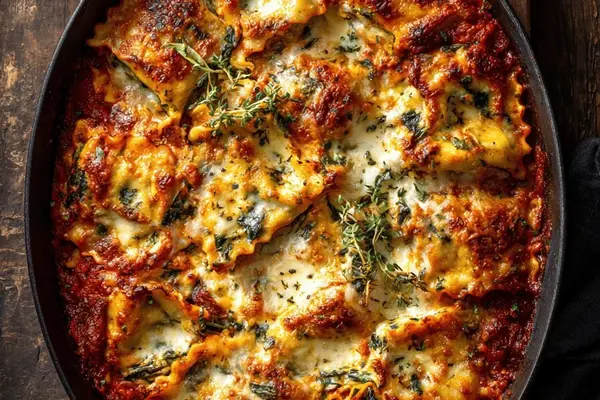
Ricotta Spinach Fazzoletti with Plum Tomatoes
By Emma
Certified Culinary Professional
·
Recipe tested & approved
Ricotta spinach pasta squares baked with plum tomatoes, garlic, and provolone. Fresh lasagna sheets folded into pouches, filled with creamy ricotta and sautéed spinach, finished with fragrant tomato sauce.
Prep:
40 min
Cook:
50 min
Total:
1h 30min
Servings:
4 servings
Pinch the corners. That’s the whole thing. Four squares of fresh pasta, ricotta filling that doesn’t spill, tomato sauce underneath and on top, 35 minutes at 175°C. Fazzoletti. Means handkerchiefs in Italian because they look like little folded cloth napkins on your plate. Had spinach coming in hard one week, ricotta that needed using. This happened instead of the usual lasagna stack.
Why You’ll Love This Ricotta Spinach Fazzoletti
Looks fancy. Takes an hour and a half total — 40 minutes prep, 50 in the oven — but most of that’s just waiting. Comes together faster than you’d think.
Fresh pasta sheets make it possible. No rolling, no wrestling sheets. You get squares. Fill them. Fold. Done.
The provolone instead of mozzarella does something. Strings when melted, depth you don’t get from regular cheese. Tastes less like school lunch, more like you meant it.
Spinach and ricotta with nutmeg — that combination is Italian. Warm, creamy, slightly peppery from the greens. Smells like someone who knows what they’re doing made it.
Cold the next day works. Better, probably. Flavors settle. You can eat it straight from the fridge or warm it up. No rules.
Fresh Pasta Sheets and the Ricotta Spinach Filling
Fresh lasagna sheets cut in half — that’s your base. Around 350 grams total. Not dried. Fresh sheets need almost no cooking, just a quick dunk in boiling salted water. Forty-five seconds if you time it. Maybe thirty if they’re thin. Just before al dente. They’ll firm up in the oven.
Spinach. Baby spinach, about 180 grams. Chop it roughly. Doesn’t matter how fine. Wilting takes two minutes once the heat hits.
Ricotta — 500 milliliters whole milk ricotta. Room temperature works better. Mixes smoother. Cold ricotta gets lumpy and you spend five minutes fighting it.
Parmesan grated fresh, 60 grams. Not the green can. It tastes like sawdust. Provolone shredded, 120 grams. The provolone matters. Regular mozzarella is fine if you only have that. But provolone has more flavor. It doesn’t just melt — it tastes like something.
Nutmeg. A grind or two. Not a ton. Just enough that you smell it and think “wait, that’s nutmeg?” Exactly that amount.
Salt. Pepper. Olive oil. Garlic clove for the spinach pan.
For the sauce underneath — one medium onion chopped small. Three cloves garlic minced thin. Eighty milliliters olive oil. One 800-milliliter can crushed Italian plum tomatoes. The hand-broken kind if you can find it. If not, crush them yourself or don’t. They break down either way. Salt and pepper.
How to Make the Tomato Sauce Base
Warm the oil over medium heat. Throw the onion in. Don’t rush this. You want it turning translucent and soft, not browning and crispy. That takes about four or five minutes of just watching it. The garlic goes in after — minced small — and the whole thing smells incredible for about thirty seconds before you pour in the tomatoes.
Don’t drown it. Just the crushed tomatoes from the can. Stir once. Leave it alone. Bubbles should break the surface steadily, not violently. You’re looking at around 20 minutes. The sauce reduces, darkens slightly, gets glossy at the edges. That’s your signal. Season it. Salt first, then cracked pepper. Taste it. If it tastes flat, needs more salt. If it tastes like tomato and nothing else, it’s right.
Pour half of this sauce — just the bottom half of whatever you made — into your baking dish. The dish should be roughly 33 by 23 centimeters. A standard rectangular lasagna pan. Spread it so it covers the bottom evenly. This layer keeps the pasta from sticking during the bake.
The other half of sauce goes on top of the fazzoletti later. Don’t pour it now.
Cooking the Spinach and Building the Ricotta Filling
Heat another pan with 25 milliliters olive oil over medium heat. Just warm enough that it shimmers. Mince one garlic clove — smaller than you think you need — and drop it in. Wait maybe 20 seconds for the smell. That fragrance that makes you realize you’re cooking something.
Dump the spinach in. All of it at once looks like way too much. Stir for maybe two minutes. Watch it collapse from bright green to dark, almost black-looking green. Once it’s shriveled down, pull it off the heat and let it cool. If the ricotta is still warm or hot, the heat will split it. You’ll end up with grainy filling. Not the end of the world but not great.
While it cools, combine ricotta, Parmesan, provolone, and a grind of fresh nutmeg in a bowl. Mix with a spoon until blended. It should be smooth, no lumps of cheese floating around. Fold the cooled spinach into this mixture. Salt it. Pepper it. Taste a spoon of it. The cheese is already salty — provolone especially — so go easy. Too much salt and it’s ruined.
The filling should taste warm and creamy with spinach threading through. That nutmeg should be there but not announced. You want people to taste it and think “something spiced this” without naming it.
Assembling the Fazzoletti Pouches
Bring a pot of salted water to a boil. Rolling boil. The water should taste like the sea — that’s the saying and it’s right.
Lay your pasta squares on a clean kitchen towel or plastic wrap. They can overlap slightly. Cook them in batches if the pot isn’t huge. Drop them in, watch them float, wait for them to come back up plus about 10 extra seconds. Forty-five seconds total from the drop. Not longer. They’re not done yet. They’ll finish in the oven.
Pull them out with a slotted spoon. Lay them on the towel to cool slightly. Brush or toss them lightly with olive oil so they don’t weld together. One square can’t stick to another or you’ll rip it trying to separate them.
Once they’re cool enough to handle — maybe two minutes — grab one. Spoon about 70 milliliters of filling into the center. Not the middle. Just south of the middle so you have room to fold. Pinch the four corners up and over, bring them together at the top like you’re cinching a little pouch. Gentle but firm. You want it sealed so filling doesn’t spill during the bake. The edges should be crimped inward, holding everything.
These little packets go directly onto the tomato sauce you already spread in the dish. Arrange them snugly, almost touching. Snug so they don’t shift when you pour the remaining sauce on top.
Baking and Finishing with Fresh Oregano
Pour the remaining sauce carefully over and around each pouch. Don’t splash. You want the pasta edges to stay visible. Sprinkle the last of the provolone over the top — don’t skimp. This melts into the sauce and browns slightly, creating those gratinated spots that catch the light.
Bake at 175°C (350°F) for 35 minutes. You’re looking for the sauce to bubble at the edges. Cheese should be browning in places. If the cheese isn’t quite golden after 35 minutes, turn on the broiler. Three to five minutes under high heat will brown it. Watch it. Watch hard. Burnt cheese tastes bitter and there’s no coming back from that.
Let it sit five minutes out of the oven. Just five. The filling is hot, the sauce is bubbling, cutting into it right away means sauce all over your plate and filling running. Those five minutes let it set slightly.
Fresh oregano — not basil — torn or whole depending on your mood. Scatter it on top just before serving. The oregano is piney and warm. It cuts through the richness of the ricotta and provolone in a way basil doesn’t. Basil goes sweet. This needs the opposite.
Serve warm with all that sauce scraped out of the pan. The fazzoletti should be soft through, the filling warm and creamy, the sauce rich and tomatoey. If anything’s soggy — the pasta falling apart — that’s either too much filling, pasta overcooked, or too long sitting. Probably pasta. Fresh sheets cook fast. Forty-five seconds isn’t arbitrary.
Optional: sun-dried tomatoes chopped into the filling add acidity that punches through the cream. Mushrooms sautéed with the spinach work too. Thyme with the oregano on top — both together, not either-or.
Ricotta Spinach Fazzoletti with Plum Tomatoes
Prep:
40 min
Cook:
50 min
Total:
1h 30min
Servings:
4 servings
Ingredients
- Tomato sauce
- 1 medium onion chopped fine
- 3 cloves garlic minced
- 80 ml olive oil
- 1 can 800 ml crushed Italian plum tomatoes, handbroken
- Salt and cracked black pepper
- Filling
- 180 g fresh baby spinach roughly chopped
- 25 ml olive oil
- 1 garlic clove minced
- 500 ml whole milk ricotta
- 60 g freshly grated Parmesan
- 120 g shredded provolone cheese instead of mozzarella
- Freshly grated nutmeg to taste
- Salt and freshly cracked pepper
- Fresh pasta sheets for lasagna, cut in half squares (around 350 g)
- Fresh oregano leaves for garnish instead of basil
Method
- Tomato sauce
- 1 Start slipping the onion and garlic gently in olive oil over medium heat. Wait for translucent softness, not brown but soft. Smell starts to build, that garlicky sweetness. Pour in crushed tomatoes. Don’t rush; simmer uncovered letting bubbles break up and thicken sauce. About 20 minutes – watch reducing edges turn deep red, slightly glossy. Season with salt and pepper. Spread half of this into a rectangular baking dish, roughly 33x23 cm.
- Filling
- 2 While the sauce simmers, heat a pan with oil and toss in garlic just till fragrant—don’t burn. Chuck spinach in. You want it wilted, dark green but not mush. Shake pan often. Once shriveled, squeeze out excess water—too wet? Will make filling runny and pasta soggy. Let it cool or you’ll scramble the ricotta.
- 3 Mix spinach, ricotta, Parmesan, provolone, nutmeg. Salt and pepper liberally but taste, cheese adds saltiness—a bit too much kills it. The nutmeg wakes up the cheese, subtle but necessary. Set aside.
- 4 Put the pasta squares on a clean surface. Cook them in boiling salted water briefly – al dente, around 45 seconds if fresh. Drain and brush or toss lightly with olive oil so they don’t stick. Lay them flat to cool slightly.
- 5 Spoon about 70 ml of filling into the center of each square. Pinch corners over the top to seal a little pouch; no gaps or filling leaks. Twitch the edges inward, firm but gentle. This keeps the steam inside during baking.
- 6 Arrange these pouches snugly next to each other on the tomato sauce base. Pour remaining sauce carefully on top so the pasta isn’t disturbed. Sprinkle remaining provolone over everything – don’t skimp here, it melts into pockets creating strings and gratins.
- 7 Bake at 175°C (350°F) for 35 minutes. You want bubbling sauce edges, golden cheese spots starting. Use broil/grill for 3-5 minutes if cheese isn’t quite browned — watch carefully or burnt cheese bitterness.
- 8 Garnish with fresh oregano leaves, not basil this time; oregano's piney notes combat the creamy filling well. Serve warm, scraping all that rich bubbling sauce. No leftover sogginess—if soggy, probably overfilled dough or pasta boiled too long.
- 9 Optional tweak: add chopped sun-dried tomatoes to filling for acidity contrast, or sauté mushrooms with spinach for earthiness. Fresh thyme also works with oregano for garnish.
Nutritional information
Calories
420
Protein
17g
Carbs
25g
Fat
28g
Frequently Asked Questions About Ricotta Spinach Fazzoletti
Can I use dried lasagna sheets instead of fresh pasta sheets? Yeah but they’re a different dish. Dried sheets need longer cooking and they’re thicker. Fazzoletti are about the delicate handkerchief thing. Dried sheets turn into something sturdier. If that’s what you have, cook them longer in the boiling water — maybe two to three minutes — and add a few minutes to the oven bake.
How do I prevent the filling from leaking out? Pinch the corners tight. Like actually squeeze them, don’t just fold. And don’t overfill — 70 milliliters is the amount. More than that and the corners won’t seal. The pasta edges need to meet and seal without filling in between them.
Can I make these ahead of time? Assemble them and refrigerate covered for up to a day. Cold fazzoletti might need an extra 10 minutes in the oven. Haven’t tested it extensively but it should work. The filling won’t set hard or anything. It’s ricotta.
What if I don’t have provolone? Mozzarella is fine. It won’t be the same — less depth, more neutral — but it melts and it works. Gruyere would be interesting if you have that. Fontina too. Avoid anything too strong or sharp or it fights with the spinach and nutmeg.
Does this freeze? Probably. Haven’t done it. The sauce freezes fine. The assembled fazzoletti might get weird with the fresh pasta becoming grainy when thawed. If you’re going to freeze something, freeze the filling and sauce separately, then assemble and bake fresh.
Why fresh oregano and not basil? Oregano is piney and warm. Basil goes sweet and bright. This filling is creamy and rich — it needs oregano’s earthiness to balance it. Basil would make it feel more summery and lighter. Different dish entirely.
How much is “freshly grated nutmeg”? A grind or two from a nutmeg grinder. Maybe an eighth of a teaspoon if you’re measuring. You shouldn’t taste nutmeg explicitly. You should taste cheese and spinach with something warm underneath. That’s the nutmeg doing its job.
You’ll Love These Too
Explore all →
Chewy Chocolate Chip Cookies with Cadbury Eggs
Bacon Cheese Ball with Ranch & Walnuts
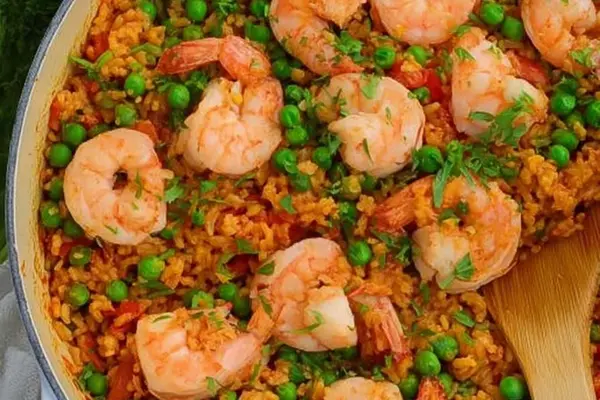
Saffron Rice with Shrimp and Smoked Sausage
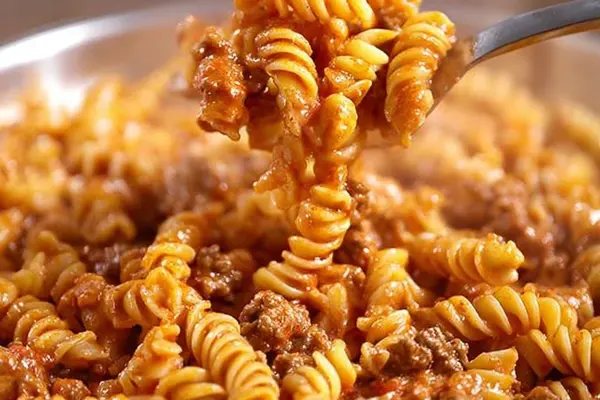
Creamy Italian Beef Pasta with Provolone
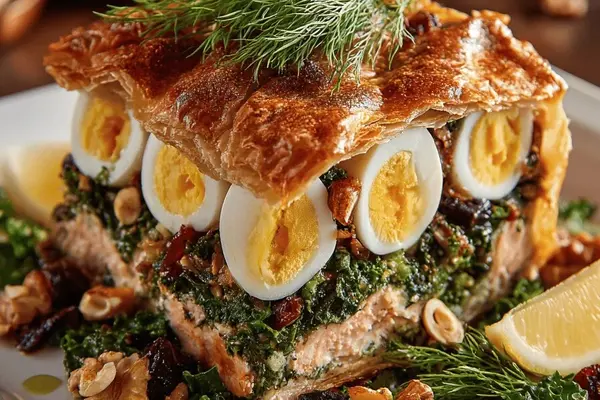
Salmon Koulibiac Twist with Hazelnuts
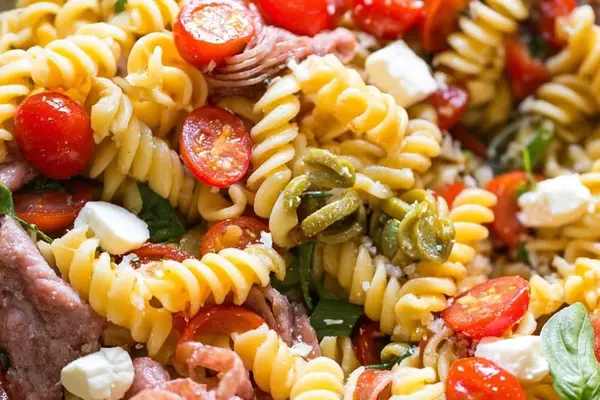
Pasta Salad with Smoked Turkey & Rotini

Eggless Macaroons with Coconut Yogurt

Cherry Pineapple Fluff Recipe with Marshmallows

Baked Samosas Without Frying with Sweet Potato

Creamy Chicken Taco Soup with Rotisserie Chicken
Grilled Chicken Thighs with Bell Peppers
Bigoli Pasta With Mussels and Caramelized Onions
Chicken Salad Chick with Pepperoncini
Vegetarian Chili Recipe with Beans
Rocket Salad with Yellow Beans & Sherry Vinaigrette
Ham With Apricot Glaze Recipe

Crispy Fried Spring Rolls with Pork
Crispy Air Fryer Chicken Wings with Hoisin
How to Make Rennet Mozzarella at Home