Baked Samosas Without Frying with Sweet Potato
By Emma
Certified Culinary Professional
·
Recipe tested & approved
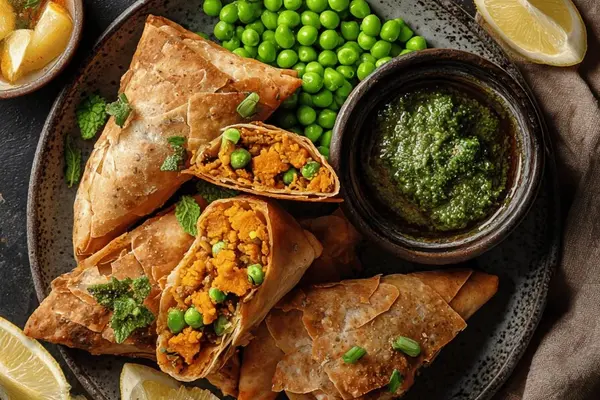
Baked samosas without frying made with sweet potato, eggplant, and curry powder. Crispy whole wheat lavash wraps filled with vibrant veggies, served with tangy tamarind chutney.
Prep:
30 min
Cook:
35 min
Total:
1h 5min
Servings:
16 samosas
Pan gets hot. Oil shimmers. Three tablespoons of filling wrapped in lavash, and you’ve got samosas that crisp without a deep fryer taking over your kitchen. Sweet potato. Eggplant. Curry powder that actually blooms instead of tasting like you threw it in cold. Had three pounds of root vegetables sitting around last summer, didn’t want to heat the oil to 350 degrees on a 95-degree day. This happened instead. Works every time now.
Why You’ll Love This Healthy Samosa Recipe
Takes an hour start to finish — maybe 65 minutes if you’re slow with the knife. Vegetarian indian appetizer that doesn’t require a deep fryer, doesn’t smell up the whole house, doesn’t need specialty equipment. Crispy outside. Filling so good it works cold the next morning for breakfast or lunch. Leftovers taste better, honestly. The curry powder and cumin actually toast in the pan instead of sitting raw in the filling like a lot of samosa recipes do. Changes everything. No deep frying. Oil use is minimal. Healthier than the traditional version without tasting like you’re eating guilt.
What You Need for Sweet Potato Eggplant Samosas
Two medium sweet potatoes. Peel and cube them — about half-inch pieces, maybe smaller. Eggplant. One small one, cubed same size. The cubes matter. Too big and the center stays hard. Too small and it turns to mush.
One large onion chopped. Two cloves garlic minced. Vegetable oil — you’ll use about 2 tablespoons for cooking, a little more for the skillet at the end.
Curry powder. One tablespoon. Cumin powder — a teaspoon. Smoked paprika, half a teaspoon. Water. One cup. Frozen green peas, thawed. Half a cup. Fresh cilantro chopped. A quarter cup.
Eight whole wheat lavash breads cut in half. This is your wrapper. Not phyllo. Not spring roll wrappers. Lavash. It folds clean and crisps up without shattering.
For the tamarind chutney sauce: six tablespoons tamarind chutney. Two tablespoons water. Two tablespoons fresh lime juice. Mild chili sauce optional. You already have most of this if you’ve ever made samosa recipe at all.
How to Make Vegetarian Samosas Without Deep Frying
Large nonstick skillet. Medium-high heat. Add the oil. When it moves around easy, not sitting there thick, dump in the sweet potatoes, eggplant, onion, garlic. Cover it. Don’t check on it for six or seven minutes. Stir maybe twice. The vegetables release their own steam. They soften. Edges go golden. This is where the texture starts.
Don’t rush this part. Rushing makes mush. Patience makes something that actually holds together when you bite it.
Sprinkle the curry powder, cumin, paprika straight over the pan. Stir hard for thirty seconds. The smell changes immediately. That’s the spices toasting. That’s the difference between raw and right. Splash in the water. Cover again. Turn heat down to medium. This simmers now, gentle, for about sixteen to eighteen minutes. The liquid disappears. The vegetables get actually tender, not just soft. Watch it near the end. No scorching. No waterlogged sadness.
How to Get Stovetop Samosas Crispy and Golden
Off heat. Pull out a wooden spoon or potato masher. Mash the filling — but don’t go full puree. Leave some chunks. The texture matters. It’s not a dip. It’s a filling that has something going on in your mouth.
Fold in the peas and cilantro. Taste it. Salt and pepper. The filling should taste bright. Not flat. Not underseasoned. It’s sitting there for fifteen minutes while it cools and the flavors marry. That rest time is not optional. It’s critical. Filling firms up enough to handle. Flavors go deeper. No rest means sloppy samosas that fall apart the second they hit hot oil. Learned that the hard way.
Lay out your lavash halves on a clean surface. Spoon about three tablespoons of filling near the wide edge of each half. Fold the corners in over the filling. Roll it into a half-moon shape. Don’t seal the ends completely. Leave a tiny gap. The gap vents steam. Steam escapes instead of getting trapped and sogging everything out.
Clean the skillet or wipe it dry if you used the same one. Medium heat. Drizzle a little oil. Just enough to coat the bottom. This isn’t frying. This is toasting. Place the samosas seam side down. Press lightly. You’re not crushing them. You’re making sure they touch the pan evenly. Three minutes a side, maybe a bit more. Listen for a quiet sizzle. Not sputtering. Not roaring. Quiet sizzle means the oil temperature is right. Crisp and golden happens at the end of that cook time. And it happens without the deep fryer.
Samosa Recipe Tips and Common Mistakes
Eggplant softens faster than sweet potato. If you’re worried about mush, cut it bigger. Or cut the sweet potato smaller. The goal is everything done at the same time.
Lavash will tear sometimes. Patch it with a little water and pinch the edges. It holds fine.
Do not overlap samosas in the skillet. Crispness dies in a heartbeat when they touch each other. Cook in batches if you have to.
Gluten-free wraps work if you need them. Keep the folding gentle. They’re more fragile.
Peas optional. Never understood that in a samosa recipe, but some people skip them. Use diced carrots or corn if you want. The filling still works.
If the filling tastes dry, hit it with a splash of lemon water. Not heavy sauce. Just brightness. It fixes it immediately.
Some people roast sweet potatoes first instead of stovetop cooking. You lose moisture control that way. The filling gets grainy. Stick with the pan.
Baked Samosas Without Frying with Sweet Potato
Prep:
30 min
Cook:
35 min
Total:
1h 5min
Servings:
16 samosas
Ingredients
- 2 medium sweet potatoes, peeled and cubed
- 1 small eggplant, cubed
- 1 large onion, chopped
- 2 cloves garlic, minced
- 2 tbsp vegetable oil, plus more as needed
- 1 tbsp curry powder
- 1 tsp cumin powder
- 1/2 tsp smoked paprika
- 1 cup water
- 1/2 cup frozen green peas, thawed
- 1/4 cup chopped fresh cilantro
- 8 whole wheat lavash breads, cut in half
- Sauce:
- 6 tbsp tamarind chutney
- 2 tbsp water
- 2 tbsp fresh lime juice
- Mild chili sauce, optional
Method
- 1 Heat a large nonstick skillet over medium-high heat. Add 2 tbsp oil. Toss in sweet potatoes, eggplant, onion, garlic. Cover quickly. Let sweat for about 6-7 minutes, stirring a couple times until veggies soften, edges golden. Don’t rush or veggies turn mushy.
- 2 Sprinkle curry powder, cumin, smoked paprika over the pan. Stir vigorously for 30 seconds. Aroma should bloom, spices toast just right. Splash in water. Cover. Simmer gently. Wait until liquid vanishes, vegetables fully tender — usually 16–18 minutes. Watch carefully; no soggy mess.
- 3 Take off heat. Mash roughly with wooden spoon or potato masher. Leave some chunky bits for texture. Fold in green peas, fresh cilantro. Salt and pepper to balance — think bright, vibrant, not flat. Set aside 15 minutes to cool and let flavors marry.
- 4 Lay out lavash halves on clean surface. Spoon about 3 tbsp filling near the wide edge of each half. Fold corners inward over filling, roll into half-moon shape. Don’t seal completely at ends — venting keeps wrapper crisp without oil soaking in.
- 5 Clean skillet or use same pan wiped dry. Medium heat, drizzle little oil, just enough to coat bottom. Place samosas seam side down. Press lightly for even contact. Cook about 3 minutes each side or until crisp, golden brown. Listen for quiet sizzle, not sputtering — that indicates right oil temp.
- 6 Prepare dipping sauce. Whisk tamarind chutney with water, lime juice. Adjust tang by tasting. Add mild chili sauce if you dare, but keep balanced. Serve samosas warm, encourage guests to dip generously.
- 7 Notes — shortcuts: roasted sweet potatoes instead of stovetop, but lose some moisture control. Eggplant softens faster; cut into larger cubes if worried about mush. Do not overlap samosas while cooking; crispness ruined in a heartbeat. If lavash tears, patch with a little water and pinch edges firmly.
- 8 Swap lavash for gluten-free wraps for gluten intolerance, keep folding gentle. Peas optional; can sub with diced carrots or corn. If too dry, a splash of lemon water brightens filling immediately without heavy sauce.
- 9 Rest time critical; flavors deepen, filling firms to handle easily. No rest means runny failure. This method learned after too many sloppy samosas on first tries.
- 10 Stove heating varies — adjust oil heat and timing by watch and sound, no strict timer. Feel the pan heat with the back of your hand, smell curry release — that’s prime cooking time.
Nutritional information
Calories
180
Protein
3g
Carbs
28g
Fat
6g
Frequently Asked Questions About Healthy Samosa Recipe
Can I make the filling ahead of time? Make it the morning of. Store it in the fridge in a container. It keeps maybe six hours before it starts to break down and get watery. Fold the samosas right before you cook them. The filling needs to be cool and firm, not cold, so pull it out maybe ten minutes before wrapping.
What if I don’t have tamarind chutney? Greek yogurt mixed with lime juice and a pinch of salt works. It’s not the same. But it tastes good. Sweet mango chutney mixed with lime also works. Haven’t tried anything else worth mentioning.
Can I freeze these? Freeze them raw, uncooked, on a baking sheet. Once they’re solid, throw them in a bag. Cook them straight from frozen. Add maybe a minute to each side. The filling thaws while the wrapper crisps.
Why whole wheat lavash and not regular? Regular white lavash works fine. Whole wheat has more structure, less likely to tear. But it’s not a rule. Use whatever you have.
My samosas are soggy on the inside. What went wrong? Rest time. You skipped it or didn’t wait long enough. The filling was still warm when you wrapped it. Warm filling releases steam while cooking. Steam equals soggy. Cool the filling all the way. Fifteen minutes minimum. Also check that you’re not overcrowding the pan. Crowding steams them instead of crisping.
Do I have to use both curry powder and cumin? Yes. Curry powder alone tastes flat. Cumin adds depth. They work together. If you only have one, double it. Not the same result, but better than missing one.
You’ll Love These Too
Explore all →
Tuna Casserole with Egg Noodles
Wild Berry Pop Tarts with Ginger Crust
Pear Chocolate Cake with Dark Chocolate Mousse

Ham Egg Cheese Biscuit Wafflewiches
Cauliflower Mornay Sauce with Sharp Cheddar
Red Lentil Soup with Cumin & Tzatziki
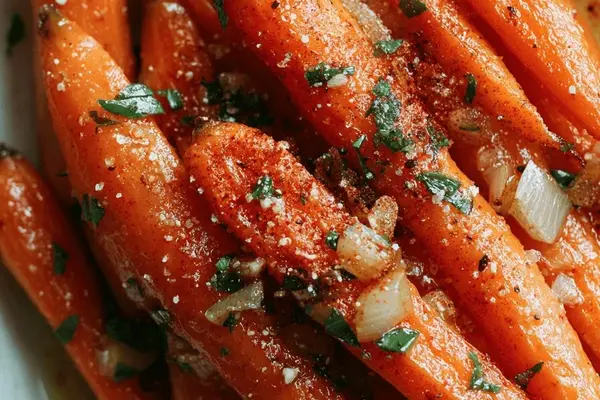
Sous Vide Carrots with Butter and Shallots
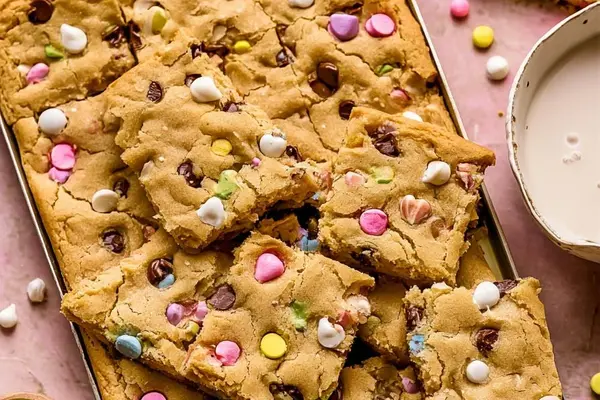
Chewy Chocolate Chip Cookies with Cadbury Eggs
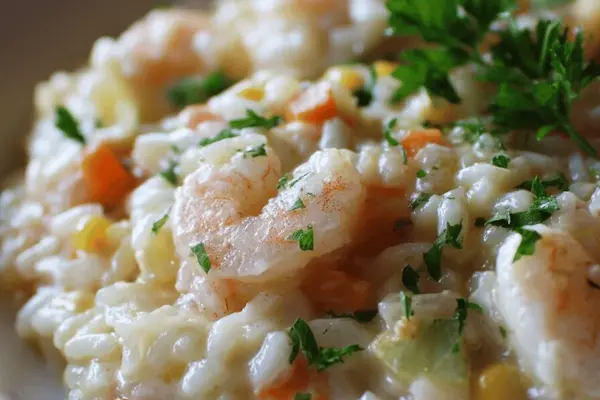
Shrimp Corn Risotto with Arborio Rice
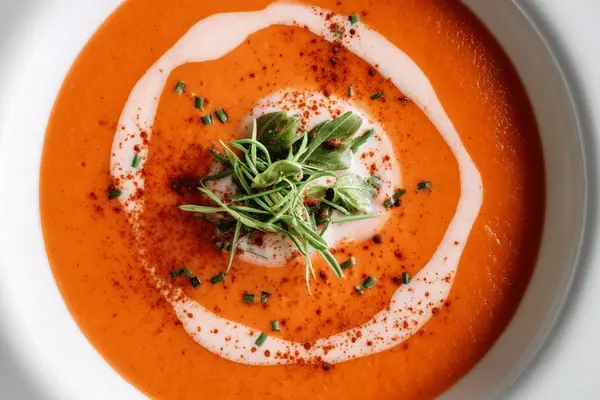
Roasted Tomato Soup with Tarragon
Gluten Free Hors D'Oeuvres with Sunflower Seeds
Stuffed Peppers with Ground Turkey
Apple Cider Reduction with Warm Spices
Shortbread Millionaire Bars with Pecans

Cinnamon Pop Tarts with Coconut Cream Glaze
Herb Cheese Biscuits with Fresh Thyme
Dan Dan Pork Noodles with Sesame Sauce
Peanut Butter Cookies with Reese's Cups
Glazed Beets with Grapefruit and Fresh Basil