Red Wine Sangria with Peaches and Cinnamon
By Emma
Certified Culinary Professional
·
Recipe tested & approved
Bring orange juice to a gentle simmer—orange slices, lemon, sugar, brandy all in. Watch for soft bubbles, never a hard boil. Three to four minutes. That’s it. Remove from heat and let it cool just slightly. The residual warmth matters more than you’d think.
Why You’ll Love This Red Wine Sangria
Takes 20 minutes active, then overnight in the fridge does the real work. Tastes better the next day. Not the same. Better. The fruit goes soft, the spices settle in, everything talks to everything else. Cold summer drink that actually has depth. Citrus hits first, then peach sweetness, then cinnamon warmth on the back end. You can make it days ahead. Literally just sits there getting better. Cleanup’s nothing—one pitcher, one saucepan. Done.
What You Need for Red Wine Sangria
Fresh orange juice. Two cups. Not from concentrate. The difference matters. One medium orange sliced thin—skin on. The peel oils do work. Lemon juice from one actual lemon. Not bottled. A hundred grams of sugar. Seven tablespoons if you’re measuring. The syrup dissolves into brandy and orange juice when warm, which is the whole point. Sixty milliliters of brandy. A quarter cup. Mellower than cognac. Works. One bottle of dry red wine. 750 milliliters. Nothing fancy. Mid-range is perfect. A ripe peach. Pitted, sliced thin. Keep extra slices for the glass. One green apple. Unpeeled. Core it, slice thin. Texture matters here. Two cinnamon sticks. Seriously. They anchor everything. Not overwhelming if you leave them in overnight, but taste and remove if needed. Ice cubes. Lots. The drink should be cold.
How to Make Red Wine Sangria
Get a saucepan and pour in the orange juice. Add the orange slices, lemon juice, sugar, and brandy. Put it on medium heat. Watch it. You’re looking for gentle bubbles breaking the surface—not a rolling boil. That burns the citrus oils and makes everything taste bitter. Takes about three to four minutes. The sugar dissolves and the orange starts releasing those aromatic compounds. Then pull it off heat and let it cool just slightly. Still warm. That matters because residual heat helps the fruit absorb flavor better than cold syrup does.
Pour everything—the warm syrup, the fruit, all of it—into a large pitcher. Now add the sliced peach, the apple slices, the cinnamon sticks, and the entire bottle of wine. Stir it lightly. Don’t mash the fruit. You want it to stay intact, not turn to mush. Cover the pitcher tight. Refrigerate overnight. Maybe longer. Twenty-four hours minimum. This is where sangria becomes sangria. The maceration softens the fruit, the wine pulls flavors from the peach and apple and cinnamon, the citrus oils meld with everything. It’s not a shortcut step. It’s the whole thing.
How to Get Red Wine Sangria Perfect
Before serving, taste it. If it’s too tart, add a spoonful more sugar. If it’s flat, add citrus—squeeze a lime or lemon in. Some people strain it clean to avoid floating bits. Others go rustic and dump everything in the glass, fruit and all. Both work.
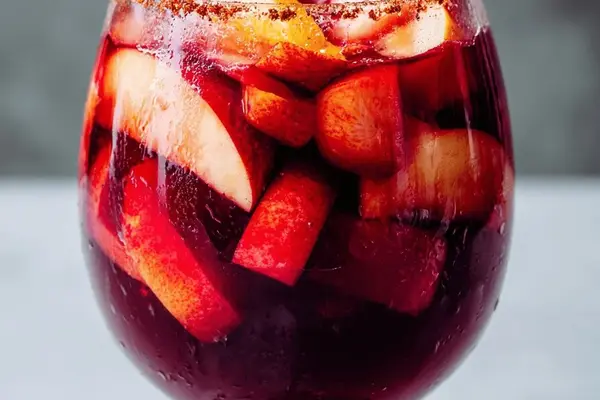
Fill a glass with ice. Pour the sangria over it. Add extra peach slices, extra apple slices—color and texture matter. The first sip hits bright and citrusy. The peach sweetness comes in the middle. Cinnamon warmth on the finish. Smooth but alive.
If it sits another day and tastes flat, splash in some soda water. Wakes it right up. The wine opens back up and feels fresh again.
Red Wine Sangria Tips and Common Mistakes
Don’t boil it hard. Ever. Low heat, soft simmer, four minutes max. That’s the trap—people want to rush the syrup step and burn the whole thing.
The cinnamon sticks can overpower if you leave them too long. Taste it after overnight. If it’s too spiced, fish them out. If you want more spice, leave them in another few hours.
The fruit gets soft after maceration. Some people eat it separately, spoon it into yogurt or granola the next morning. Some people leave it in the drink. Your call.
You can swap the apple for pear. Add berries if you want. Use lime juice instead of lemon to freshen it up. Cognac instead of brandy works too—it’s just richer, warmer. The structure stays the same: fruit, citrus, booze, sweetness, spice.
Make it ahead. Days ahead. Sangria improves with time. It’s one of the few drinks that doesn’t deteriorate sitting in the fridge. It lives. It gets better.
Red Wine Sangria with Peaches and Cinnamon
Prep:
20 min
Cook:
4 min
Total:
24 min
Servings:
6 servings
Ingredients
- 480 ml (2 cups) fresh orange juice
- 1 medium orange sliced thin
- lemon juice from 1 lemon
- 100 g (7 tbsp) granulated sugar
- 60 ml (1/4 cup) brandy
- 1 bottle (750 ml) dry red wine
- 1 ripe peach pitted and sliced thin, plus extra for garnish
- 1 green apple unpeeled, cored, sliced thin, plus extra for garnish
- 2 cinnamon sticks
- Ice cubes
Method
- 1 Bring orange juice, orange slices, lemon juice, sugar, and brandy to a gentle simmer in a saucepan. Watch closely for a few bubbles—don't let it boil hard; soft simmer releases aromatic oils from peel and dissolves sugar into sticky syrup. About 3 to 4 minutes max. Remove from heat; cool slightly—not cold. Quick tip: residual heat helps the fruit soak better.
- 2 Pour this warm syrup into a large pitcher. Add sliced peach, apple, cinnamon sticks, and the entire bottle of wine. Stir lightly, don’t mash fruit—keeps texture intact. Cover tightly and let rest overnight in fridge. This long maceration softens fruit, deepens spiced aroma. Spoons of sugar or extra citrus can be adjusted next day if too tart or mild.
- 3 Before serving, decide: Strain if you want a cleaner pour avoiding floating bits, or serve rustic, dumping all in glass. Add plenty of fresh ice, extra peach and apple slices for color and texture. The first sip hits with bright citrus; the mid-palate shows peach sweetness and cinnamon warmth. Mouthfeel smooth yet lively. If wine tastes flat next day, a splash of soda water wakes it back to life.
- 4 Voila. Simple, layered, and endlessly modifiable. Swap apples for pears, toss in berries mid-maceration, or swap lemon for lime juice to freshen. Cognac swapped to brandy here—mellower base but still strong backbone. Sugar cut slightly since orange juice has natural sugars; adjust sweetness as preferences dictate.
- 5 Common trap: Overboiling syrup burns citrus oils—bitter and unpleasant. Use low heat. And don’t forget the cinnamon sticks—they anchor the spice but should never overpower. Remove if too strong after tasting. Same with fruit—over-soggy slices for maceration are best eaten out separately or tossed into granola.
- 6 Serve chilled with straws or spoons. Fun to prep ahead. Makes you think about the balance in sangria—fruit, citrus, booze, sweetness, spice—all marrying through slow melding. Not rushed, patience here builds character and depth. A sangria that’s lived, not slapped together.
Nutritional information
Calories
170
Protein
0.4g
Carbs
22g
Fat
0.3g
Frequently Asked Questions About Red Wine Sangria with Brandy and Citrus
Can I make sangria without letting it sit overnight? Technically yes. But it won’t taste like much. The fruit needs time to soften and give flavor to the wine. At minimum, four hours. Overnight is better. Two days is best.
What if I don’t have fresh peaches? Use what you have. Pears work. Apples alone work. Even canned peach if that’s what’s there—drain it first. The point is fruit in the wine, not a specific fruit.
Does the brandy really matter, or can I use vodka? Brandy gives warmth. Vodka doesn’t. You can use it but the drink tastes different—cleaner, sharper, less smooth. Cognac is richer. Brandy is mellower. Pick one or the other.
How long can I keep sangria in the fridge? Three to four days easy. The fruit gets softer but the wine stays good. After that the fruit starts to break down too much. Strain it out and the wine itself lasts longer.
Why does mine taste flat compared to this? Either didn’t macerate long enough, or the wine’s sitting in there without the fruit flavors pulling through. Make sure the fruit is thin-sliced so it releases flavor faster. And let it sit. You can’t rush this one.
Can I make this ahead for a party? Best thing for a party. Make it the day before. It sits in the fridge, gets better, and you just pour it when people arrive. Add fresh ice and extra fruit slices right before serving.
You’ll Love These Too
Explore all →
Butternut Squash Soup with Fennel
Negroni Colada Mix with Aperol & Coconut Milk
Condensed Milk Fudge with Pecans
Coffee Cake Cake with Olive Oil & Cinnamon
Broccoli Carrot Puree with Ginger

Crispy Fried Eggplant Pita Sandwich
Pan Seared Salmon with Wild Mushrooms
Roasted Chicken with Chorizo and Lemon
Crispy Asparagus Appetizer with Herb Yogurt Sauce
Pineapple Chicken Slow Cooker with Mango Chutney
Pineapple Ham Glaze with Orange Juice
Creamy Maque Choux Recipe with Coconut Milk
Sangria Recipe with Prosecco & Raspberries
Apple Crumble Recipes with Walnuts
Grilled Yakitori Chicken Wings
Roasted Vegetable Medley with Smoked Paprika
Pan Seared Chicken Breast with Chorizo
Egg Muffins with Prunes and Applesauce
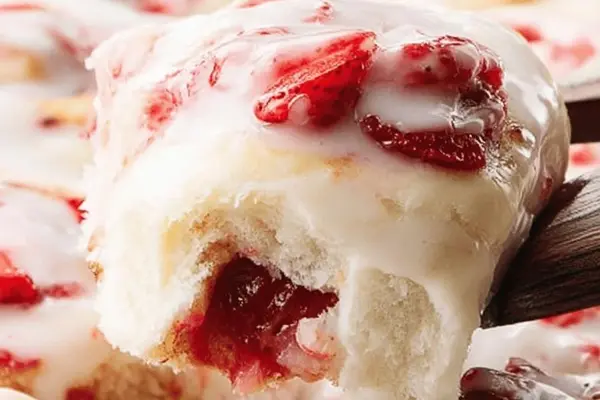
Cinnamon Rolls with Cherry Preserves & Cream Cheese