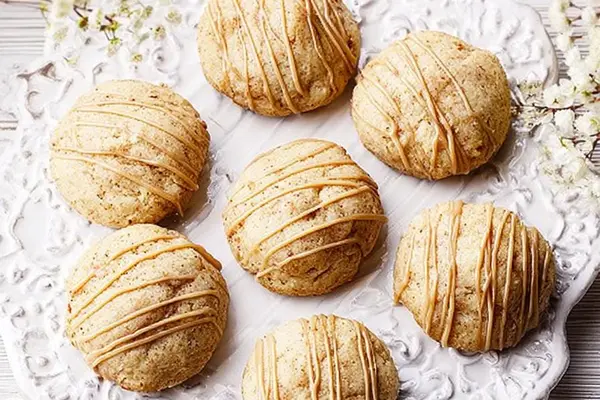
Rustic Shortcakes with Spelt Flour & Berries
By Emma
Certified Culinary Professional
·
Recipe tested & approved
Rustic shortcakes made with spelt flour, buttermilk, and cream of tartar for a tender crumb. Topped with lemon zest whipped cream and macerated berries.
Prep:
15 min
Cook:
20 min
Total:
35 min
Servings:
4 servings
Slide the sheet in. Eighteen to twenty-two minutes depending on your oven — you’ll smell butterscotch before they’re done. Had a stack of spelt flour and cream of tartar in the pantry. This happened instead of the usual thing. Works every time, rustic look and all.
Why You’ll Love This Shortcake Recipe
Takes 35 minutes total. Breakfast, dessert, doesn’t matter. Spelt flour gives it a chewier thing going on — softer crumb than regular wheat but still crisp on top where it counts. One bowl basically, minimal cleanup. Tastes better the next day cold, which almost never happens with shortcakes. Works with whatever berries you have. The brown sugar deepens everything without tasting sweet exactly.
What You Need for Easy Shortcakes
Spelt flour. Not all-purpose. The texture shifts — more chew, less dry. One cup minus a tablespoon. Baking soda and cream of tartar together, not a leavener packet. Three-quarters teaspoon soda, one teaspoon cream of tartar. Brown sugar, packed. Light brown specifically. One-quarter cup. Unsalted butter, cubes, straight from the freezer. Cold matters more than anything here. One-quarter cup plus a tablespoon. Fine sea salt. Just one-quarter teaspoon. Buttermilk, chilled. Half a cup. Milk for brushing the tops — not buttermilk, it leaves spots. Two teaspoons fine sugar for sprinkling. Whipped cream with lemon zest for the middle. Fresh berries macerated fifteen minutes with sugar and lemon juice.
How to Make Shortcakes with Spelt Flour
Position the rack middle of the oven. Heat it to 350 degrees Fahrenheit. Line a baking sheet with parchment — crease it ahead so it doesn’t slide around. This matters more than it sounds. Your butter chunks need to be nearly frozen. Keep them in the freezer until the moment you’re ready to cut.
Dump the spelt flour, baking soda, cream of tartar, brown sugar, and salt into a food processor. Pulse it a handful of times until it looks combined. No pockets of powder sitting around — that ruins the whole texture thing. Add your butter cubes. This is where people mess up. Pulse in short bursts. Ten seconds total, maybe less. You want coarse crumbs, pebble-sized bits still visible everywhere. Overprocess and you’ve wrecked the flakiness. It’s gone.
Pour in the buttermilk slowly. Pulse once or twice and watch the dough just start to clump. Stop immediately. Too wet and you can tell. Too dry? Drip another tablespoon of buttermilk in. Don’t drown it. Remove the dough the second it looks right.
How to Get Rustic Shortcakes with That Perfect Crust
Floured wooden board works best. Pat the dough into a rough square, about five and a half inches. Divide it into four uneven pieces — rustic look matters more than precision here. Press gently. Don’t knead. Kneading changes everything.
Brush the tops lightly with milk. Buttermilk leaves spots sometimes. Regular milk is smoother. Dust each one with fine sugar — that’s what gives you the crunchy finish and caramel sparkles when the heat hits.
Slide the sheet in. Watch the edges turn amber. The tops should go a soft golden blush. Eighteen to twenty-two minutes depending on your oven’s personality. Smell a faint butterscotch aroma? Getting close. Remove it when the color looks right, not when a timer says so. Timers lie. Your nose doesn’t.
Transfer to a cooling rack immediately. Ten minutes minimum, still warm but won’t collapse when you slice it. Cold shortcakes are fine too — actually better cold.
Spelt Flour Shortcake Tips and Common Mistakes
No food processor? Use a pastry cutter or two knives. Cut the butter until pea-sized chunks, then fold the liquids in gently with a fork. Slow. Fast doesn’t work here. Spelt yields more chew — if you want lighter, swap half of it with pastry flour. No buttermilk? Add one teaspoon lemon juice or vinegar to milk. Wait ten minutes. Works exactly the same. Brown sugar deepens the flavor but white works if that’s all you have. Watch how the dough feels. Sticky means too wet — add flour sparingly, one teaspoon at a time. Dry means crumbly, add liquid carefully. A tablespoon usually fixes it. Parchment prevents scorching bottoms. Clean metal absorbs too much heat and burns the underside before the top’s done. Don’t skip the parchment.
Rustic Shortcakes with Spelt Flour & Berries
Prep:
15 min
Cook:
20 min
Total:
35 min
Servings:
4 servings
Ingredients
- 190 ml spelt flour (1 cup minus 1 tbsp)
- 4 ml baking soda (3/4 tsp)
- 5 ml cream of tartar (1 tsp)
- 50 ml light brown sugar (1/4 cup packed)
- 1 ml fine sea salt (1/4 tsp)
- 50 ml unsalted butter, extra cold cubes (1/4 cup plus 1 tbsp)
- 125 ml buttermilk, chilled (1/2 cup)
- Milk for brushing
- 10 ml (2 tsp) fine sugar for sprinkling
- Whipped cream with lemon zest (for garnish)
- Fresh mixed berries, macerated 15 min with 1 tsp sugar, splash lemon juice (for garnish)
Method
- Preheat oven setup
- 1 Position rack mid-oven. Heat oven to 175 °C (350 °F). Line cookie sheet with parchment, crease ahead to prevent sliding. Butter chunks must be nearly frozen; I keep a bowl in freezer 'til knife ready.
- Dry mix blend
- 2 In food processor bowl, dump spelt flour, baking soda, cream of tartar, brown sugar, salt. Pulse a handful to combine evenly. No one wants pockets of powder ruining texture.
- Butter incorporation
- 3 Add butter cubes. Pulse short bursts, barely 10 seconds total, until coarse crumbs form. Important not to overprocess or you'll wreck flakiness. Pebble-sized bits still visible -- that’s the goal.
- Liquid addition and dough formation
- 4 Pour in buttermilk slowly. Pulse once or twice, watch dough just start to clump. Too wet? Halt. Too dry? Drip another tablespoon of buttermilk, never drown the dough. Remove promptly.
- Shaping and portioning
- 5 Floured wooden board serves best. Pat dough into a rough square about 14 cm (5.5 in). Divided into four uneven pieces works fine, rustic look matters more than perfect cuts. Press gently, don’t knead.
- Egg wash alternative and sugar sprinkle
- 6 Brush tops lightly with milk — buttermilk sometimes leaves spots, milk is smooth here. Dust with fine sugar for crunchy finish and caramel sparkles under heat.
- Baking and watching
- 7 Slide sheet in oven. The key: watch edges turn amber, tops a soft golden blush, 18-22 minutes depending on your oven temp variability. Smell a faint butterscotch aroma? Getting close.
- Cooling and assembly
- 8 Remove from oven, transfer to rack immediately. Cool 10 min or less, still warm but won’t collapse when sliced horizontally.
- Serve with twist
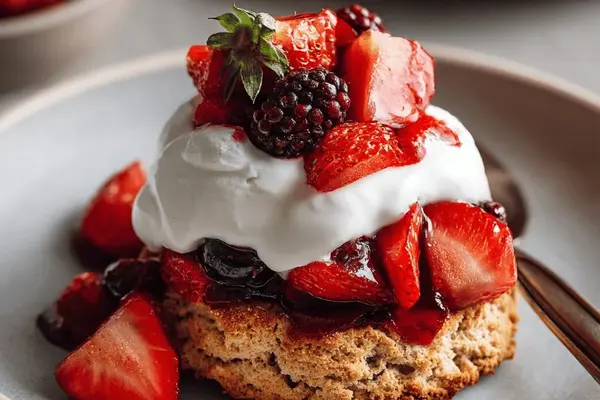
- 9 Cut each shortcake in half horizontally. Spoon lemon zest whipped cream thickly on bottom half, add macerated berries a generous heap, top with second half. Tastes like summer even in late winter.
- Pro tips and alternatives
- 10 No food processor? Use pastry cutter or two knives to cut butter until pea-sized chunks, then fold liquids gently with fork laboriously fast. Spelt flour yields more chewy texture; swap up to half with pastry flour to lighten. No buttermilk? Add 1 tsp lemon juice or vinegar to milk, rest 10 minutes. Brown sugar deepens flavor but white ok in pinch. Watch dough feel, sticky means too wet, add flour sparingly—dry means crumbly, add liquid carefully. Parchment prevents scorching bottoms; clean metal absorbs too much heat.
Nutritional information
Calories
280
Protein
4g
Carbs
38g
Fat
12g
Frequently Asked Questions About Shortcake Recipe
Can I make the dough ahead? Yeah. Mix everything but the buttermilk the night before, keep it in the fridge. Add the buttermilk and bake the next morning. Actually tastes slightly better that way.
What if my shortcakes spread too much? Oven’s too hot or the dough was too warm. Butter needs to stay cold. Chill the whole sheet for ten minutes before baking next time.
Why use spelt flour instead of regular? Chewier crumb. Regular flour makes them more cake-like. Spelt shortcakes feel different — denser in a good way.
Can I use buttermilk to brush the tops? Not really. It leaves weird spots. Milk is smoother. The flavor’s already in the dough anyway.
How long do these keep? Three days in an airtight container. Taste better on day two. Cold works great too. Haven’t tried freezing them baked — probably works but texture might shift.
What if I don’t have cream of tartar? Skip it and use one full teaspoon baking soda instead. Different rise, slightly more tang. Won’t taste identical but it’s fine.
Can I make these for breakfast? Absolutely. Make the dough the night before, bake in the morning, serve with berries instead of whipped cream. Works cold too.
You’ll Love These Too
Explore all →
Banana Caramel Syrup with Pecans

Nacho's Pulled Pork Egg Rolls Recipe
Dark Chocolate Chip Muffins with Sour Cream
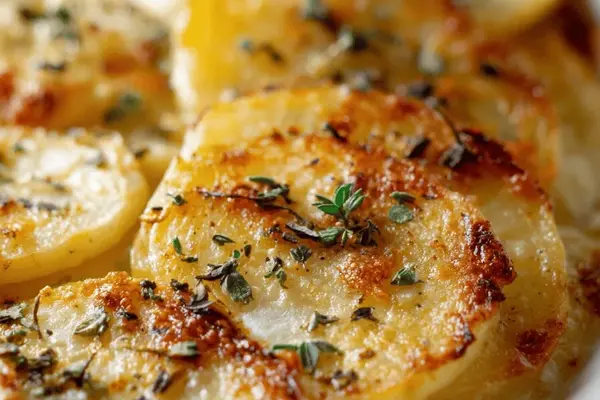
Potato Gratin with Rosemary and Piave Cheese
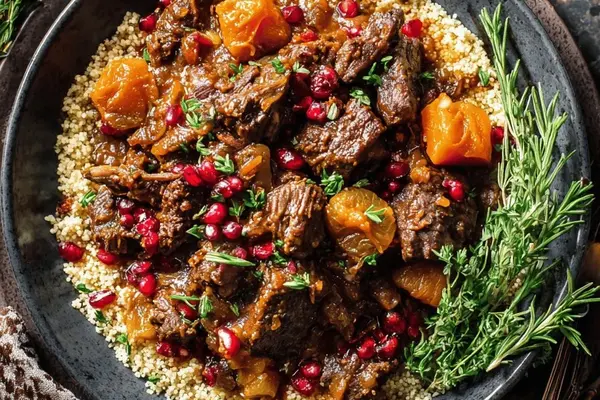
Lamb Tagine with Spiced Tea and Dried Fruits
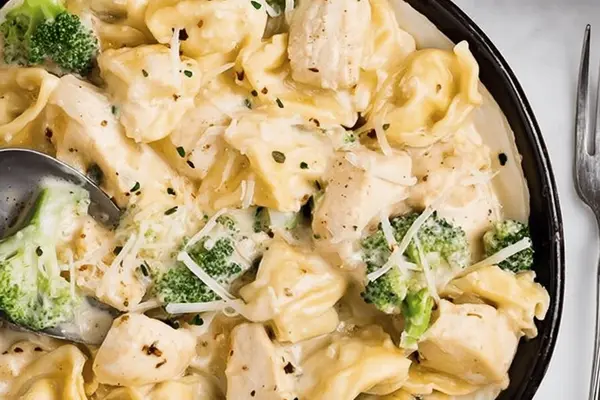
Chicken Broccoli Tortellini with Cheese

Ruby Red Jubilee Whiskey Cocktail Recipe
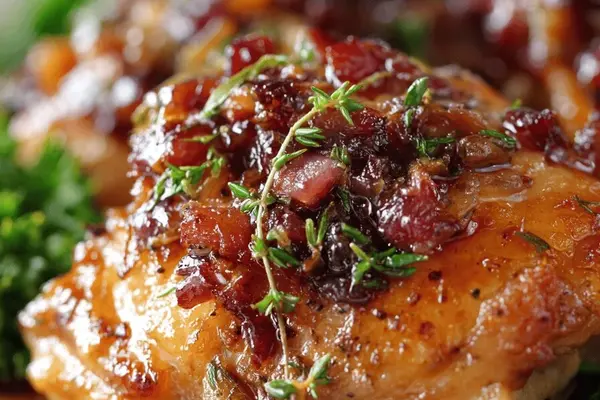
Chicken Thighs With Onion Jam and Pancetta

Crunchy Beef Walking Taco with Black Beans
Rustic Slow Chicken Stew with Bacon

Ginger Chicken Fried Rice with Mushrooms
Blueberry Muffins with Cake Flour

Creamy Chili Crab Pasta with Lemon
Butternut Squash Rigatoni Gratin with Leek

Crispy Chicken Croquettes with Cornstarch

Mojito Recipe with Raspberry Mixer

Pineapple Cilantro Slaw with Creamy Mayo
Creamy Mushroom Sauce with Veal

Turkey Sausage Shrimp Jambalaya with Brown Rice