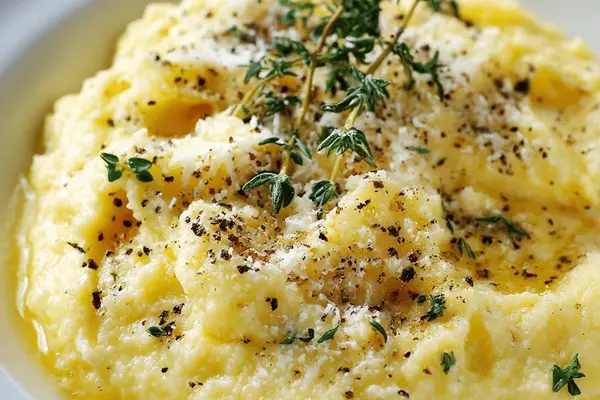
Quick Polenta with Taleggio Cheese Recipe
By Emma
Certified Culinary Professional
·
Recipe tested & approved
Creamy polenta with Taleggio cheese, garlic, and fresh thyme. Made with vegetable broth and olive oil for rich, velvety comfort food ready in minutes.
Prep:
8 min
Cook:
15 min
Total:
23 min
Servings:
4 servings
Set the pan hot. Garlic goes in. Two cloves. Minced. Listen for the smell—that’s when you pull it out before it goes bitter and brown. Thirty seconds too long and the whole thing tastes burned. Not worth it.
Why You’ll Love This Quick Polenta With Taleggio
Comes together in 23 minutes. Not some four-hour braise situation. You’re actually eating in the time it takes to watch two episodes of something.
Taleggio does something garlic can’t—it melts into the polenta and gets this soft, almost stringy texture that tastes way better than it should. Most people don’t know about it. Their loss.
Works as comfort food that doesn’t feel heavy. Italian, kind of luxurious, but also just polenta. Easy dinner material. Something you throw together Wednesday night and nobody questions it.
One pan. Vegetable broth stays in there the whole time so nothing gets sticky. The thyme and nutmeg handle the seasoning so you’re not stuck tasting just cheese and garlic.
What You Need for Polenta With Cheese
Vegetable broth. Three and three-quarters cups. Chicken works too if that’s what’s open. Just needs to steam the polenta.
Garlic. Two cloves. Minced fine. Not a press—a knife. Pressed garlic burns faster.
Taleggio cheese. Peel the rind off first. Four ounces. Cube it. The rind’s edible but it doesn’t melt smooth. Kind of gets stringy instead of dissolving. Softer cheeses work better here—fontina, maybe. Parmesan doesn’t do the same thing.
Quick-cooking polenta. Three-quarters cup plus two tablespoons. Not cornmeal. Not regular polenta. The quick stuff. Makes a difference in texture.
Olive oil. Two tablespoons. Gets the pan ready for garlic. Too much and it pools. Too little and it sticks.
Fresh thyme. One teaspoon minced. Not dried. Dried tastes like nothing by the time it’s done cooking. Rosemary works if you’re out. One-third the amount.
Ground nutmeg. A pinch. Honestly a pinch. Half a pinch if you’re nervous. It doesn’t fade much.
Salt and black pepper. Taste it at the end. Add more. Polenta soaks up seasoning.
How to Make Easy Polenta Dinner
Heat the oil over medium. Let it shimmer first—that’s the signal it’s actually hot enough. Then the garlic goes in. Watch it constantly. Stir as soon as the smell hits. Two minutes, maybe one-and-a-half if your stove runs hot. Golden. Not brown. Not dark. Pull it out at golden.
Pour in the broth. Turn the heat up. You want it actually bubbling hard, not just steaming. This matters. The boil helps the polenta spread out instead of clumping.
Sprinkle the polenta in slow. Whisk the whole time. Fast. If you dump it all in at once it glues into one horrible lump and you’re done. Whisking breaks up the clumps as they form. Takes maybe a minute to get all of it in there. Keep going even after it’s all in. The broth is still thinning out the polenta so whisking stops the lumps from setting.
How to Get Creamy Polenta With Vegetable Broth
Listen to it now. The bubbling changes. Gets quieter. Smaller bubbles. That’s when it’s thickening enough to move to low heat. Could be two minutes, could be five. Depends on your stove.
Reduce heat to low. Stir constantly. Not like standing there moving the spoon in circles. Actually stir. Scrape the bottom. Corners. Keep it moving. The polenta at the bottom touches the pan and burns if you stop. Twelve to fifteen minutes of this. Maybe longer. You’ll feel it getting thicker. Heavier. The spoon starts dragging.
Too thick before it’s done cooking? Splash in more broth. Half a cup. Keep stirring. Polenta that sets too early tastes starchy instead of smooth. Thick is good. Gluey is not.
When the spoon drags and the polenta is mostly smooth with maybe tiny bits still visible—that’s done. Off the heat.
Polenta With Garlic and Thyme Tips and Mistakes
Taleggio goes in now. Off the heat. Cube it first so it melts faster. Stir. You’ll see it break apart and disappear into the polenta. Gets that stringy, soft thing happening where the cheese doesn’t dissolve completely—it pulls. That’s how you know it’s working. Takes a minute. Maybe less.
Thyme in next. The fresh stuff. Minced small. Stir it through. Salt if it needs it. Probably does. Black pepper. Lots. Nutmeg pinch. Stir once more.
Serve immediately. Don’t let it sit in the pan getting thick. Polenta that cools gets dense and kind of gluey. Texture should be soft enough that a spoon pushes through it easy, dense enough that it holds a shape on the plate. Like soft butter. If it firms up on the plate, loosen it with a splash of warm broth.
Pairs with braised greens. Sausage. Something with bold flavor because the polenta is mild and creamy. Mushrooms work. So does roasted garlic. The taleggio doesn’t need much competing with it—it’s already doing something interesting.
Mistake: Burning the garlic. You end up with this acrid taste running through everything. Toast it just until the smell hits. Pull it out. Done.
Mistake: Dumping the polenta in all at once. Creates clumps. Actually impossible to break up after they set.
Mistake: Letting it sit too long before serving. Gets thick. Not ruined. Just not what you made.
Quick Polenta with Taleggio Cheese Recipe
Prep:
8 min
Cook:
15 min
Total:
23 min
Servings:
4 servings
Ingredients
- 2 cloves garlic minced
- 30 ml (2 tbsp) olive oil
- 900 ml (3 ¾ cups) vegetable broth
- 130 g (¾ cup plus 2 tbsp) quick-cooking polenta
- 110 g (4 oz) Taleggio cheese peeled and cubed
- 1 pinch ground nutmeg
- 1 tsp fresh thyme minced
- Salt and freshly ground black pepper
Method
- 1 Heat olive oil in medium saucepan over medium heat. When shimmering, toss in garlic. Watch closely, stir as soon as aroma hits; soften until golden but not burnt—about 1 to 2 minutes.
- 2 Pour in vegetable broth, increase heat till bubbling. Off you go—slowly sprinkle polenta in while whisking vigorously to prevent clumps. Listen as polenta thickens, a quieter bubbling indicates it’s near done.
- 3 Reduce heat to low. Simmer gently, stirring constantly to keep it creamy and lump-free. Usually 12-15 minutes at least. Too thick? Splash in more broth—don’t let it glue up.
- 4 Off fire, fold in Taleggio cubes. Mix until cheese melts, that stringy pull signals good melt. Stir in fresh thyme, salt if needed, plenty of black pepper. Nutmeg pinch for warmth.
- 5 Serve immediately. Texture should be dense but soft, cut with spoon easily. If it firms too fast, loosen with broth. Robust enough for rich sides; pairs well with braised greens or bold sausages.
Nutritional information
Calories
310
Protein
10g
Carbs
35g
Fat
15g
Frequently Asked Questions About Taleggio Polenta Recipe
Can I use a different cheese? Yeah. Fontina. Gruyère. Anything that melts soft and doesn’t get grainy. Avoid hard cheeses. Parmesan gets weird, kind of granular. Mozzarella works but tastes like nothing.
What if I don’t have fresh thyme? Skip it. Seriously. Dried thyme tastes stale in something this simple. Rosemary if you have it. Sage too. Just use way less—like a quarter teaspoon. Fresh is better but not mandatory.
Can I make this ahead? Kind of. Make the polenta. Let it cool. Reheat in a pot with a splash of broth and stir constantly. It’ll separate a bit but it comes back together. Not ideal. Make it the day you eat it.
How thick should it actually be? Soft. Like melted butter. Spoon should push through it. If you’re thinking “should I add broth?” you probably should. Better too loose than too thick.
Is there a way to keep it creamy longer? Not really. Polenta wants to set. Happens fast. Eat it as soon as it hits the plate. If it firms up add broth. Heat doesn’t break the creaminess back down. Stirring does.
Why does the recipe say quick-cooking polenta? Regular polenta takes forty minutes and constant stirring. Quick-cooking polenta takes twelve to fifteen minutes. Total difference. Buy the quick stuff. It exists for a reason.
You’ll Love These Too
Explore all →
Rustic Meat Pâté with Pork and Celeriac
Chocolate Mint Profiteroles with Whipped Cream
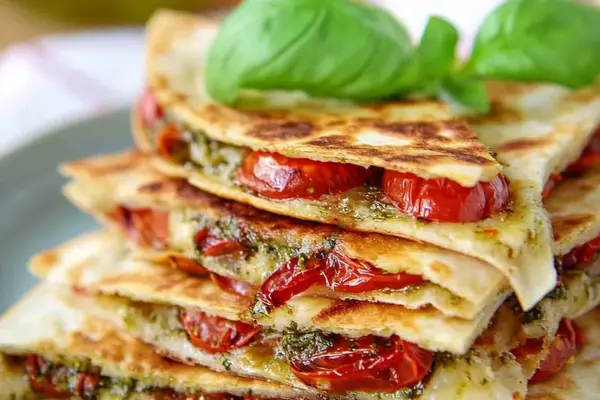
Caprese Pesto Quesadillas with Fresh Mozzarella
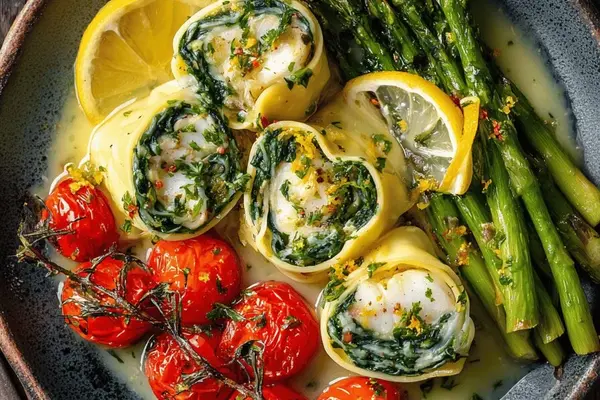
Pan-Seared Haddock Spinach Ravioli
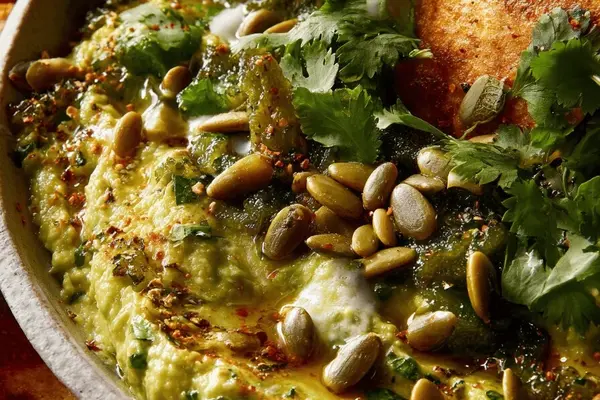
Grilled Guacamole with Charred Tomatillo Salsa
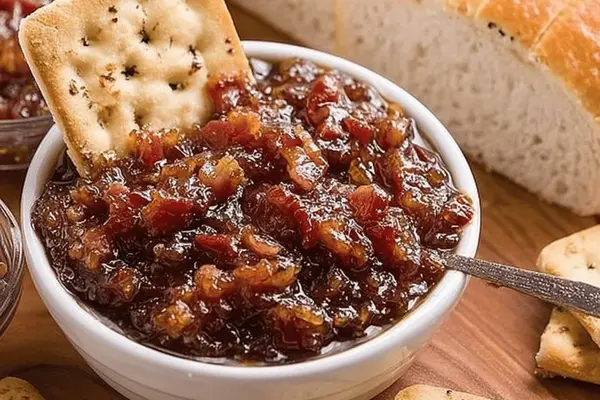
Bourbon Bacon Jam Recipe with Maple Syrup
Butter Chicken with Tofu and Cream Sauce
Chorizo Corn Macaroni Bake with Cheddar
No Bake Cheesecake with Strawberries
Mozzarella Stuffed Chicken with Cream Sauce
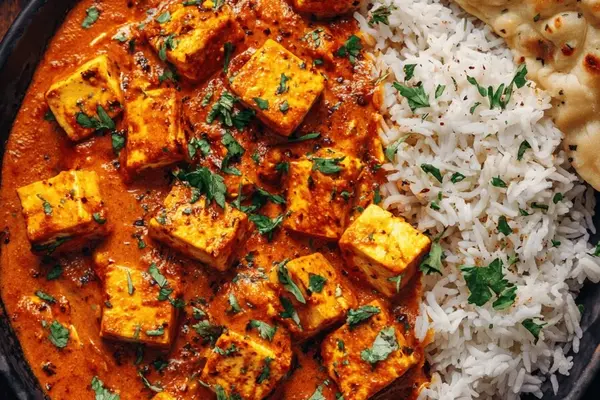
Tofu Butter Masala with Tomato Cream
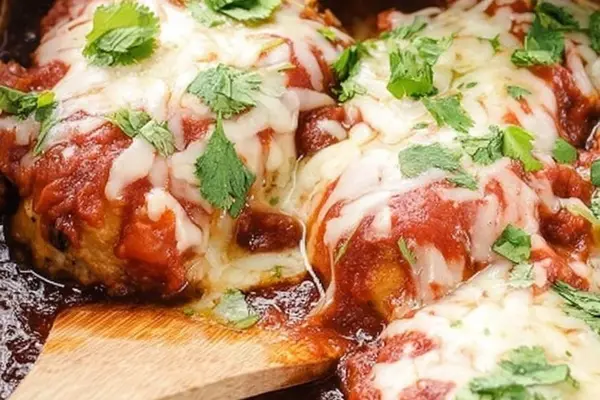
Salsa Chicken Bake with Cheddar Cheese
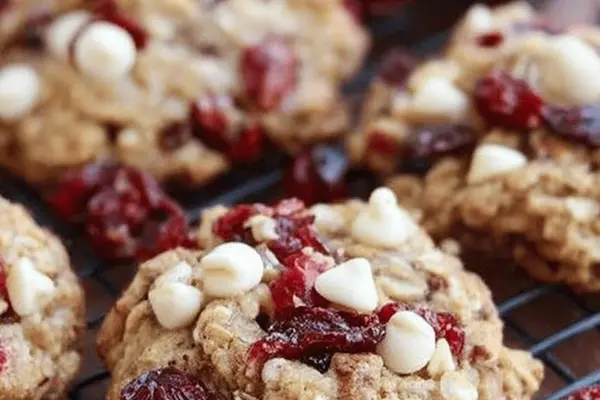
No Baking Cookies with Oats & White Chocolate
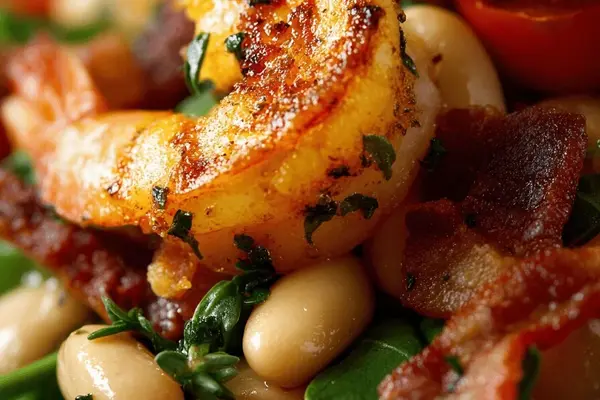
Cannellini Bean Salad with Grilled Shrimp
Garlic Bread Recipe with Fresh Parsley
Peppermint Mocha Cupcakes with Cream Cheese
Sausage and Flageolet Bean Stew

Pain Au Chocolat Recipe with Orange Zest
Seafood Cabbage Omelette with Shrimp