Pizza Dough Recipe with Bread Flour

By Emma
Certified Culinary Professional
·
Recipe tested & approved
Warm water, olive oil, maple syrup. Mix it till the syrup dissolves. That’s it. From there, flour and yeast go in a processor for half a minute—just enough to spread the yeast around evenly so it doesn’t clump. Add the wet stuff. Pulse till it’s shaggy. Then knead. Six, seven minutes. Your hands will know when it stops being sticky and starts being elastic. That’s the whole thing before it even sits.
Why You’ll Love This Easy Pizza Dough Recipe
Makes enough for two solid pies. Maybe three thin crust ones if you’re careful. Takes 72 minutes total but most of that’s just waiting—the actual work is maybe 12 minutes, probably less if you’re not thinking about it.
Comes out chewy inside, crisp on the outside. Not dense. The maple syrup does something weird to the crust—not sweet, just better. Works cold from the fridge too. Actually tastes better the next day. Something about the flavor getting deeper.
One bowl, one set of measuring spoons. Cleanup takes five minutes. Homemade pizza for less than the cost of ordering it, and you didn’t leave your house.
What You Need for Homemade Pizza Dough
Warm water. Not hot. Like bathwater. Olive oil—doesn’t have to be expensive. Maple syrup instead of sugar, which sounds weird but do it anyway. The caramel notes sit under the savory toppings instead of fighting with them.
Bread flour. Two and a half cups. Unbleached. All-purpose works if that’s what you have but bread flour gives you the chew. Instant yeast—one teaspoon. Fine salt. Three-quarters of a teaspoon. Added late so the yeast doesn’t die before it does anything.
How to Make Pizza Dough
Combine the water, oil, syrup in whatever bowl’s clean. Mix till the syrup’s gone. Should feel warm to your wrist but not hot—around 38 degrees Celsius, basically body temperature. If it’s too hot you’ll kill the yeast. If it’s cold the dough rises slow.
Put the flour, yeast, salt in a food processor or stand mixer. Run it for thirty seconds. You’re not mixing, just separating the yeast so one grain doesn’t do all the work. Pour in the wet mixture. Pulse or mix on medium speed till it looks shaggy—rough clumps holding together, sticky but not a puddle.
Dust your counter light. Scrape the dough out. Knead for six or seven minutes. It’ll be tacky. That’s fine. You’re looking for that moment where it stops being rough and starts being smooth, when you can stretch a tiny piece and it gets thin without tearing. That’s the windowpane test. Doesn’t have to be perfect. Just elastic enough that when you push it, it bounces back.
How to Get Pizza Dough to Rise Perfectly
Form it into a ball. Oil a bowl lightly. Place the dough in there. Cover it loosely with plastic wrap or a damp cloth. Set it somewhere warm and humid—near your stove works, or in a turned-off oven with a bowl of hot water sitting underneath. No drafts.
Wait fifty to seventy minutes. It should roughly double. Poke it with your finger. If the dent springs back slowly and leaves a little mark, it’s done. Don’t overproof. If you wait too long the gluten relaxes and the dough collapses flat like it never puffed up at all. Just doesn’t recover from that.
The dough looks smooth and puffy when it’s right. Almost taut. Use it immediately or wrap it tight and refrigerate. Cold slows everything down—the yeast barely moves. But the flavor gets way better. You can keep it in the fridge up to fourteen hours. If you need it longer, freeze it shaped in an airtight bag. Thaw overnight in the fridge before you use it.
Easy Pizza Dough Tips and Mistakes
Before you stretch it into a pizza, let it sit at room temperature for twenty to thirty minutes. Room temp dough stretches without fighting you. Cold dough tears.
Sticky dough? Sprinkle flour on your work surface. A little bit. Not a handful. Too much flour and you end up with a dry, dense crust that doesn’t chew. The whole point is hydration. If you went the opposite direction and it’s too dry, splash a bit of warm water in and fold it gently.
Don’t dump all the flour in at once at the beginning. Mix, check the texture, add more if you need it. Dense crust is usually from too much flour added too fast.
The maple syrup swap for regular sugar—it works. Adds these subtle notes that sit under everything. Pairs better with savory toppings than straight sugar does. Salt goes in last so it doesn’t shock the yeast, but mix it through completely so it’s even.
Pizza Dough Recipe with Bread Flour
Prep:
12 min
Cook:
0 min
Total:
72 min
Servings:
2 pizzas or 4 calzones
Ingredients
- 260 ml 1 cup plus 2 tbsp warm water
- 20 ml 1 tbsp olive oil
- 12 ml 3 tsp pure maple syrup
- 600 ml 2 1/2 cup bread flour unbleached
- 5 ml 1 tsp instant yeast
- 3 ml 3/4 tsp fine salt
Method
- 1 Mix warm water, olive oil, maple syrup in a bowl till sugar dissolved; warm not hot, about body temp 38C
- 2 In food processor or stand mixer with dough hook, blend flour, yeast, salt for 30 seconds to distribute yeast evenly
- 3 Add wet mixture, pulse or mix on medium speed until shaggy dough forms; sticky but cohesive
- 4 Dust work surface lightly; scrape dough out; knead 6-7 minutes by hand till elastic, tacky but not sticky; windowpane test shows gluten developed
- 5 Form ball; lightly oil a clean bowl; place dough inside; cover with damp cloth or plastic wrap loosely; set in warm humid area—near stove or turned-off oven with bowl of hot water below—avoid drafts
- 6 Wait for dough to double; about 50-70 minutes; finger poked should slowly spring back, indentation remains slightly
- 7 Dough ready when smooth and puffy; do not overproof—will collapse and flatten
- 8 Use immediately or wrap tightly; refrigerate up to 14 hours for flavor; cold retard slows yeast activity but deepens complexity
- 9 Can freeze shaped dough in airtight bags up to 3 months; thaw overnight in fridge before shaping
- 10 Before shaping, let dough rest at room temp 20-30 minutes; easier to stretch; avoids tears
- 11 Troubleshoot sticky dough: sprinkle more flour sparingly; too dry? splash warm water, mix gently
- 12 Avoid adding all flour at once to prevent dense crust; hydration key to light chew
- 13 Maple syrup swap for sugar adds subtle caramel notes; works well with savory toppings
- 14 Salt added last to avoid yeast kill but mixed thoroughly for evenness
Nutritional information
Calories
260
Protein
7g
Carbs
48g
Fat
5g
Frequently Asked Questions About Easy Pizza Dough Recipe
Can I use all-purpose flour instead of bread flour? Yeah. Works fine. Won’t have quite the chew. Bread flour’s got more gluten so it stretches better, but all-purpose does the job.
What if my dough is too sticky? Dust the counter with a little flour. Work surface, not the dough itself. If you flour the dough you’ll dry it out. Some sticky is correct.
How long can I keep pizza dough in the fridge? Fourteen hours. Longer and the flavor starts getting sour in a way that’s not good. Freeze it instead if you need it to last. Thaw overnight.
Can I skip the maple syrup? Technically yes. Sugar works. Maple’s better though. Not much, just something. One tablespoon either way.
How do I know when the dough has risen enough? Poke it. Should almost feel full. Indent slowly springs back but not all the way. You’ll feel the difference between under and over.
Why does cold dough taste better? Fermentation. The yeast is still working in the fridge, just really slow. More time means more flavor. Not totally sure why it works but it does.
What’s the windowpane test? Pinch a tiny piece of dough. Stretch it thin. If it gets almost see-through without ripping, the gluten’s developed. If it tears, knead more.
Can I make this dough without a stand mixer? Mix it in a bowl with a spoon first, then knead by hand. Takes a bit longer but works. The only reason for a mixer is speed.
You’ll Love These Too
Explore all →
Grilled Skirt Steak with Chimichurri Sauce
Leek and Ham Puffs with Gruyère Cheese

Mexican White Cheese Dip Sauce
Snickerdoodle Recipe with Brown Butter
Jalapeño Popper Grilled Cheese with Bacon

Double Chocolate Éclairs with White Chocolate Cream
Dough for Pizza with Smoked Provolone
Oatmeal Peanut Butter Balls Recipe
Peanut Butter Jam French Toast Sandwiches
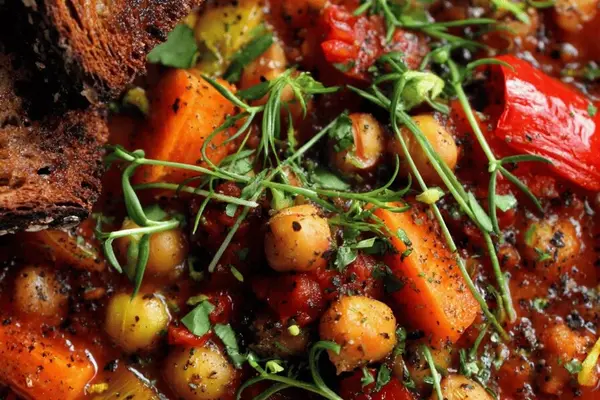
Roasted Veggie Soup with Chickpeas & Thyme
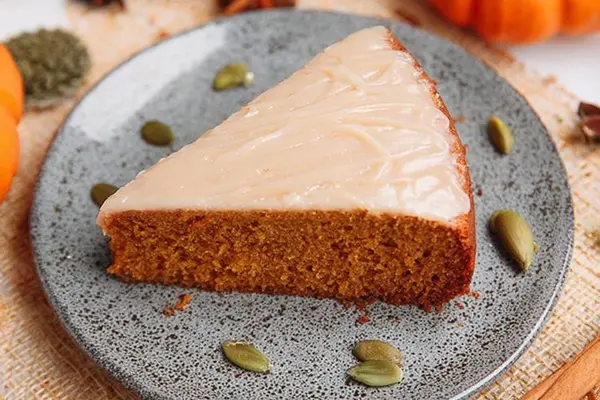
Pumpkin Olive Oil Cake with Maple Glaze
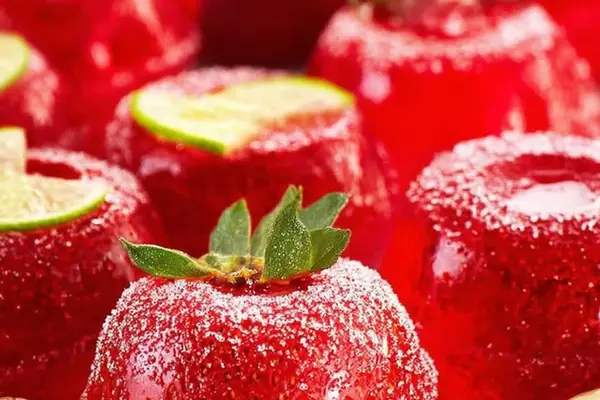
Jello Shot Recipes with Strawberries & Rum
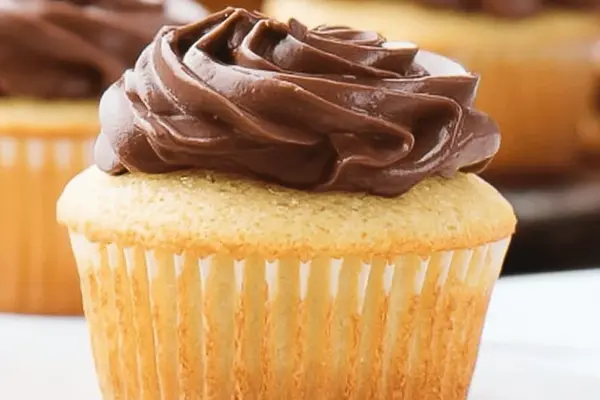
Boston Cream Cupcakes with Chocolate Ganache
Shortbread Millionaire Bars with Pecans
Cheesy Broccoli Potato Soup with Smoked Gouda
Grilled Marinated Potatoes
Pecan Caramel Sauce with Sea Salt
Salty Sweet Monster Bars with Pretzels

Smoked Trout Salad with Potatoes & Asparagus