Recipe For Making Tartar Sauce
By Emma
Certified Culinary Professional
·
Recipe tested & approved
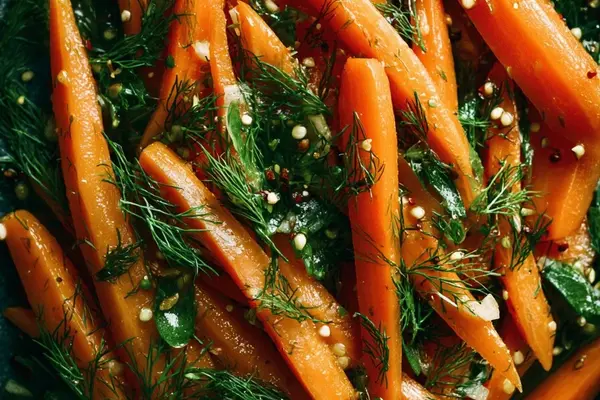
Make quick pickled carrots with champagne vinegar and fennel seeds. Crisp carrots absorb tangy flavor in under 30 minutes. Keep refrigerated for weeks with enhanced taste.
Prep:
15 min
Cook:
5 min
Total:
20 min
Servings:
4 servings
Champagne vinegar hits different than white vinegar. Water, sugar, fennel seeds, salt — that’s it. Twenty minutes total and you’re waiting for the real magic to happen in the fridge.
Why You’ll Love This Tartar Sauce
Takes fifteen minutes of actual work. After that, the fridge does everything. Vegetarian, vegan, keeps for weeks. You make it once and eat it forever. Fennel gives it something going on — not like regular dill pickles. The crunch stays for days. Snaps when you bite it. Works cold straight from the jar. No reheating. No fuss. Homemade tartar sauce costs nothing compared to the jarred stuff, and tastes like you know something.
What You Need for Homemade Tartar Sauce
Water and champagne vinegar. Equal amounts — a cup and a half each. Not white vinegar. Too sharp. Champagne vinegar’s softer.
Raw cane sugar. A tablespoon. Maybe less if you like it sharp.
Salt. Two kinds. Fine salt and kosher salt. Fine dissolves into everything. Kosher stays on the carrot pieces where you can taste it.
Fennel seeds. A teaspoon and a half. Toast them first if you want the flavor louder. I don’t usually bother.
Carrots. Medium ones. Twelve of them. Peel them. Cut them in half lengthwise, or quarters if they’re thick. That’s the whole vegetable part.
One glass jar. Clean. About two cups. That’s enough.
How to Make Homemade Tartar Sauce
Water, vinegar, sugar, both salts, fennel seeds — all go in a saucepan together. Medium-high heat. You want bubbles racing up the sides, not a full rolling boil. Just steady. Four minutes. Maybe five. You’ll smell the fennel getting stronger. That’s when you know it’s done.
While that’s going, pack your carrots into the jar. Doesn’t have to be perfect. Rustic cuts work better actually — more surface area to catch the brine. Don’t squeeze them. Just fit them in. They should be snug but not crushed.
Pull the pan off heat the second the sugar dissolves. Pour it all over the carrots. Hot liquid, right over them. Leave about half an inch at the top. Room for it to expand. That gap keeps things from getting mushy later.
Let it steam. Don’t touch it. Twenty minutes until it stops being hot to the touch. Then seal it tight.
Refrigerator now. At least eighteen hours before you even open it. But honestly — wait forty-eight. Seventy-two hours is better. The crunch gets louder. The fennel settles into the carrot instead of screaming at you.
How to Get the Crunch Perfect in Homemade Pickles
This is the thing nobody talks about. You can pickle something too long. Carrots get soft. Sad.
The secret is the headspace. That gap at the top. It creates a tiny vacuum when it cools. That vacuum holds the crunch. Sounds weird. Works every time.
Stir the jar gently once a day for the first two days. Not shaking. Gentle. Rotating it. That spreads the fennel oil around evenly and wakes up the spices.
If your carrot comes out too soft — and it might, temperature matters, everything matters — next time use less water or add more vinegar. The acidity keeps it snappy. Sugar does the opposite. Less sugar, crunchier carrot.
The brine should stay clear. If it gets cloudy, trust your nose. If it smells off, throw it out. Sterilized jar and utensils every time. Bacteria hides in the small stuff.
Tartar Sauce Tips and Common Mistakes
Champagne vinegar is not optional. White vinegar is too aggressive. Apple cider works in a pinch. Mix it half and half with white wine vinegar if you have to. But champagne is better.
Don’t use more sugar than vinegar. You can add sweetness later. Acidity’s harder to take out once it’s in there. Tried it once. Lost the whole batch to oversweetness.
Fennel’s strong. If it’s too much, use coriander seeds next time. Black peppercorns work. Dill if you want regular pickle flavor. Whatever. One and a half teaspoons of whatever seed you want.
Salt ratio matters more than people think. The kosher salt stays on the outside. The fine salt dissolves into the brine and into the carrot. Both do different work.
Carrots last three to four weeks in the fridge. After that, the crunch starts going. Before that, they’re perfect.
Recipe For Making Tartar Sauce
Prep:
15 min
Cook:
5 min
Total:
20 min
Servings:
4 servings
Ingredients
- 150 ml (2/3 cup) water
- 150 ml (2/3 cup) champagne vinegar
- 20 ml (1 1/2 tbsp) raw cane sugar
- 5 ml (1 tsp) fine salt
- 7 ml (1 1/2 tsp) coarse kosher salt
- 7 ml (1 1/2 tsp) fennel seeds
- 12 medium carrots, peeled and halved lengthwise or quarters if thick
Method
- 1 Place water, champagne vinegar, raw sugar, fine and coarse salts, and fennel seeds in a small heavy-bottomed saucepan. Bring to a lively simmer on medium-high. You’ll hear bubbles racing up the sides, but avoid rolling boil; simmer just enough to dissolve sugars and bloom spices—about 4 minutes. Aromas deepen, fennel scent emerges – a sign to move on.
- 2 Meanwhile, pack peeled carrot pieces tightly into a clean glass jar, roughly 500 ml capacity. The shape isn’t perfect; rustic cuts leave surface varied, which sucks flavors in unevenly. That’s okay. Try not to crush them while packing. Freshness visible in vibrant orange sheen, texture firm. I prefer halving lengthwise for bite-size chunks that snap.
- 3 Once the pickling liquid simmers and sugar-salt combo fully dissolves, remove from heat immediately. Pour hot liquid over carrots, ensuring they’re covered but leave about 1 cm (half inch) headspace for air expansion. This gap crucial—it prevents carrots from softening prematurely and creates a slight vacuum after cooling.
- 4 The jar will steam a bit, cast familiar pickling scent; wait until it’s no longer hot to the touch, roughly 20 minutes, then seal tightly.
- 5 Let sit in fridge at least 18 hours before testing—but flavors deepen over 48 to 72. Crunch should be audible, snapping under pressure but no hardness. If too soft, next batch reduce vinegar slightly or add less water to intensify acidity.
- 6 Carrots last 3-4 weeks refrigerated. If cloudy brine appears, trust your nose—discard. Always employ sterilized glassware and utensils to avoid unwanted fermenting bacteria.
- 7 Pro tip: Stir jar gently once a day first two days to redistribute spice oils. It wakes up fennel, balances salt evenly.
- 8 Serve as snack, side to grilled meats or layered in salads for punch. Crunch and subtle licorice aroma unexpected but welcomed. If fennel too strong swap with toasted coriander or black peppercorns.
- 9 Keep sugar less than vinegar initially; you can sweeten later but acetic acid sharpness harder to retract. I've tried more sugar once; carrots turned too sweet, lost balance.
- 10 If short on champagne vinegar, mix white vinegar half plus dry white wine vinegar or apple cider vinegar to mimic flavor complexity without losing acidity.
Nutritional information
Calories
30
Protein
0.7g
Carbs
7g
Fat
0.1g
Frequently Asked Questions About Homemade Tartar Sauce
Can I make this without champagne vinegar? Apple cider vinegar works. White wine vinegar works. Mix them together if you want. Champagne vinegar is smoother. Don’t use plain white vinegar. Too sharp. Not worth it.
How long does homemade tartar sauce actually last? Three weeks, maybe four if the brine stays clear. After that the crunch goes. Nose test first — if it smells weird, throw it away. Don’t overthink it.
Do I have to wait eighteen hours before eating? Technically no. But they’ll taste sharp and crunchy and not blended. Forty-eight hours is the move. Seventy-two is better.
What if my carrots got soft? Next batch. Less water or more vinegar next time. Temperature matters too — if your fridge runs warm, the crunch suffers. Also don’t pack them too tight. They need a tiny bit of space.
Can I change the fennel seeds to something else? Coriander. Black peppercorns. Dill if you want dill pickle flavor instead. One and a half teaspoons of whatever. Fennel’s just what I like.
Is this actually vegan? Yeah. Water, vinegar, sugar, salt, seeds, carrots. All of it vegan. No fish sauce, no anchovies. Just vegetables and brine.
Can I use white vinegar instead? No. I said it above but I’ll say it again. Too sharp. Tastes like you’re eating a cleaning product. Not worth saving the three dollars.
What’s the gap at the top for? Keeps the crunch. Creates a vacuum when it cools. The carrots stay firm instead of turning into mush. Half an inch. That’s all you need.
You’ll Love These Too
Explore all →
Vanilla and Chocolate Mousse with Whipped Cream
Lemon Crinkle Cookies with Browned Butter
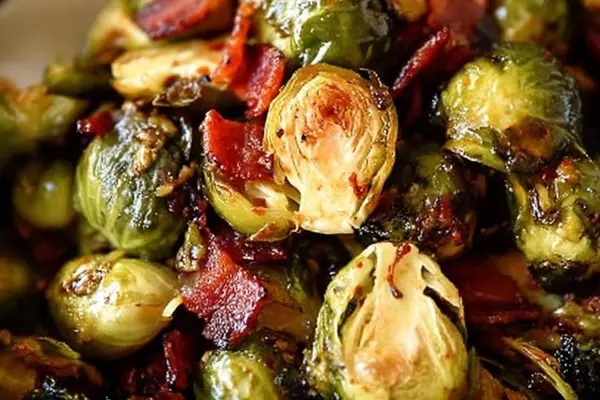
Roasted Brussels Sprouts with Bacon Dressing
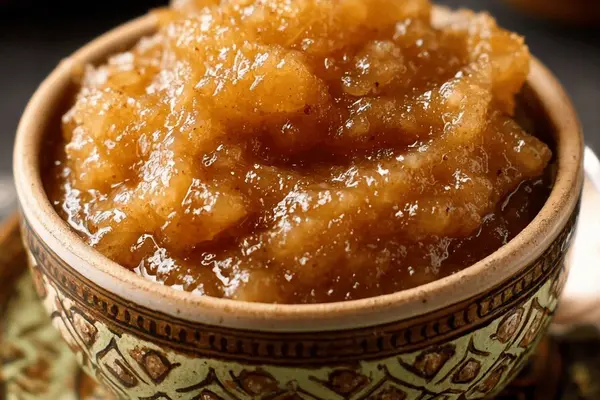
Pear Butter Recipe with Cinnamon
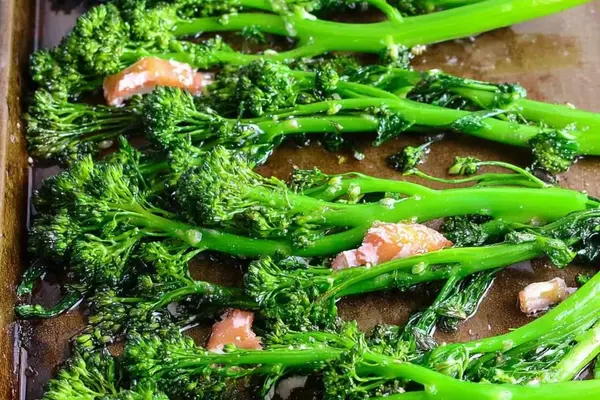
Charred Broccolini with Garlic & Red Wine
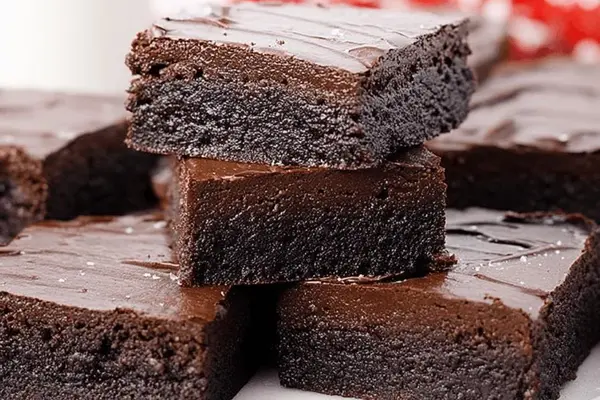
Layered Cookie Brownies with Chocolate Ganache

Slow Cooker Chili with Ground Turkey
Hearty Chicken Bog with Smoked Sausage

Chili Cheese Fries with Ground Beef

No Bake Cookie Recipe With Peanut Butter
Pumpkin Chocolate Brownies with Spice

Roasted Sweet Potatoes with Smoked Gouda

Homemade Sorbet with Lime & Grapefruit
Beef Tartare with Bone Marrow & Crispy Potatoes
Vegan Pesto with Pumpkin Seeds & Tomatoes

Condensed Milk Fudge with Pecans
Bell Pepper Bruschetta with Olives

Cream Wafers with Vanilla Buttercream

Baked Pumpkin Donuts with Maple Glaze