Lime Key Pie Recipe with Graham Cracker Crust
By Emma
Certified Culinary Professional
·
Recipe tested & approved
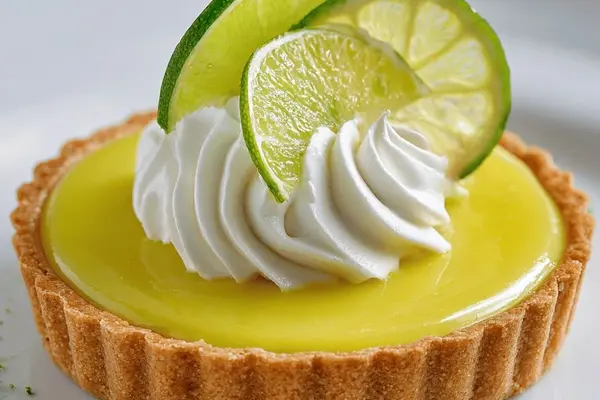
Lime curd wobbles in the center. That wobble is everything. Too firm and you’ve got dense custard instead of the silky thing that makes key lime pie worth the fridge time.
Why You’ll Love This Lime Key Pie
Takes 35 minutes of actual work, then the oven does the rest. No mixer needed. No special technique.
Tart enough that it cuts through sweetness but not so aggressive your face implodes. Citrus without the assault. Works as dessert or as the thing you eat at 3 PM when nobody’s looking.
Crust stays crispy even after chilling — that graham cracker base actually holds up instead of turning soggy. One slice doesn’t fall apart on the plate.
Store it three days. Tastes better on day two, honestly. The lime flavor settles in deeper.
What You Need for Lime Key Pie Crust and Filling
Eggs. Five of them. Room temperature matters because cold eggs don’t whisk up right. They stay dense instead of getting light and fluffy.
Sugar. About 2/3 cup minus a tablespoon. Not less. The sweetness balances the lime’s bite.
Limes. Four. Zest them first — fine grated, not chunky. Then juice them. Use all of it.
Graham cracker crust. Buy it prebaked in the freezer section. Or make one if you’re into that. The recipe doesn’t care. Pâte brisée works too if you want to feel fancy.
One thing: if you go with pâte brisée instead of graham, bake it until golden-brown and firm before you pour the filling in. Graham usually comes ready to go.
How to Make Lime Key Pie From Scratch
Heat oven to 175°C (350°F). Low rack position. Lower heat keeps the crust edges from going too dark while the filling sets. Graham crust usually handles this fine. Pâte brisée needs this specifically.
Get your mixing bowl. Whisk the eggs with sugar vigorously — and I mean actually vigorous, not lazy circles. Keep going until the mixture lightens, until you see streaks of white foam in the yellow. That aeration matters. It’s what stops the filling from being a dense brick.
Lime zest goes in now. Fine grated. Mix it through everything so it’s distributed. Then add the lime juice slowly. Fold it in smoothly, quickly — don’t overthink it, just fold until it looks combined.
Pour it into the crust. It should look thin, but it’s dense with flavor. Like a tart curd situation, not a mousse.
How to Get Lime Key Pie’s Perfect Texture
Center rack. Bake 16 to 20 minutes. This is where you stop watching the clock and start watching the pie.
Look for a wobble in the center. Not a slosh. A gentle wobble. The edges should be set and firm. The middle should jiggle when you move the oven rack slightly. If the whole thing is solid, you overbaked it. The curd turns dense and loses its silkiness.
Some ovens run hot. Some run cool. The jiggle test matters more than any timer. You’re looking for that sweet spot between liquid and firm.
Pull it out. Let it cool on the wire rack until it’s barely warm to the touch. Don’t leave it to cool completely at room temperature — the filling keeps cooking from residual heat.
Then into the fridge. Minimum 1.5 hours. Closer to 2 is better. The curd firms up enough to slice cleanly. Room temperature slices turn into a mess on the plate.
Lime Key Pie Tips and Mistakes to Avoid
The wobble test beats every timer. Overbaking is the usual trap — curd cracks on top, surface looks dry, and suddenly it tastes dense instead of creamy. That jiggle in the center is not a mistake. It’s the whole point.
Graham cracker crust softens after a couple days in the fridge. If that bothers you, reheat just the crust — 3 to 5 minutes in a toaster oven. Don’t heat the filling itself. It breaks.
Check your lime zest before you use it. One eggshell bit ruins everything. Bitterness from pith kills the balance you worked to create.
I swapped one lime out for lemon zest. The lemon lifts the sharpness, makes the whole thing less aggressive. Try it next time. Or try a tiny pinch of sea salt — deepens the flavor without adding more tartness.
Storage: covered, fridge, three days. Tastes better on day two. Not sure why but it does.
Lime Key Pie Recipe with Graham Cracker Crust
Prep:
35 min
Cook:
38 min
Total:
1h 13min
Servings:
8 servings
Ingredients
- Lime curd
- 5 eggs, room temperature
- 140 ml sugar (about 2/3 cup minus 1 tbsp)
- Zest and juice of 4 limes (instead of 5)
- Crust
- 1 9-inch (23 cm) graham cracker crust or pâte brisée, prebaked
Method
- ===
- 1 Position oven rack low, preheat oven to 175 °C (350 °F). Lower temp helps avoid too-dark edges on crust. Prebake crust fully until golden-brown and firm to touch if using pâte brisée. Graham crust usually comes ready.
- 2 In mixing bowl, whisk eggs vigorously with sugar and finely grated lime zest until mixture lightens and shows streaks. This aeration helps texture of final curd. Combine juice of 4 limes gradually, folding smoothly but quickly. Pour carefully into crust; a thin layer but packed with tang.
- 3 Bake in center rack about 16 to 20 minutes. Watch for gentle wobble in custard's center—firm edges with subtle jiggle inside. If center solidifies fully, tart turns dense and dull. Slight wobble means creaminess. Oven watchers swear by this jiggle test. Cooler oven temp and wider pan edges yield even cooking.
- 4 Remove and let cool slightly on wire rack until barely warm. Then chill minimum 1.5 hours, preferably closer to 2, so curd firms and slices clean. Room temp slices get messy.
- 5 Serve chilled, optionally topped with whipped coconut cream or thin lime slices for brightness. If too tart or thick, a thin dusting of powdered sugar tames sharp edges without drowning flavor.
- 6 Store covered in fridge up to 3 days. Crust may soften; re-crisp by reheating crust-only slices 3-5 minutes in toaster oven but avoid heating lime filling itself. No eggshell bits—double check zest quality; pith bitterness ruins balance.
- 7 Common trap: overbake curd until cracked surface appears—sign you lost moisture and silkiness.
- 8 Swap note: I swapped 1 lime out of 5 for a lemon’s zest. Slight lemon note helps lift lime’s sharpness, less aggressive. Try adding tiny pinch sea salt next round for deeper depth.
Nutritional information
Calories
260
Protein
5g
Carbs
30g
Fat
12g
Frequently Asked Questions About Lime Key Pie
Can I make this no bake? No. The curd needs the oven. But the prep is fast and you don’t need a mixer. Thirty-five minutes and you’re done.
What if I don’t have a graham cracker crust? Buy one. Frozen section. Prebaked. You’re not reinventing the wheel here. Or use pâte brisée if you bake it golden first. Either works.
How do I know when it’s actually done baking? The wobble. Gentle center wobble. Firm edges. That’s done. Not the timer.
Can I use bottled lime juice? Tried it once. Tastes flat. Fresh limes are not optional.
Why does the filling need room temperature eggs? Cold eggs don’t whisk up right. They stay dense. Room temp means they aerate properly, which means the texture isn’t brick-like.
How long does it actually keep? Three days, covered, in the fridge. Day two tastes the best. Crust might soften — put slices in a toaster oven for 3 to 5 minutes if that bugs you.
Can I freeze it? Haven’t tried it. Probably works but the texture might get weird. Fridge is safer.
What if my pie is too tart? Dust it with powdered sugar before serving. Doesn’t drown the flavor, just takes the edge off. Or don’t, and just eat it tart. That’s the point.
You’ll Love These Too
Explore all →
Chocolate Icing Recipe with Mascarpone
Braised Pork Shoulder with Orange Juice
Lemon Cheesecake Bars with Puff Pastry
Lobster Croque-Monsieur with Béchamel Sauce
Lentejas Soup with Beef & Mushrooms
Slow Cooker Beef Ragu with Red Wine
Parsnip Dish with Roasted Root Vegetables
Banana Chocolate Muffins with Olive Oil
Cinnamon Sugar Mix with Brown Sugar
Cheesy Mashed Potatoes with Smoked Gouda
Rustic Apple Tart with Cardamom and Ginger
Herb Garlic Salt with Chive Flowers
Chocolate Chip Cookie Recipe with Sour Cream
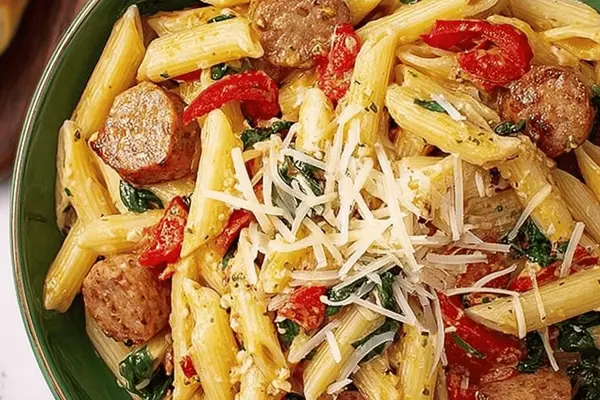
Sausage Pasta with Spinach and Tomatoes
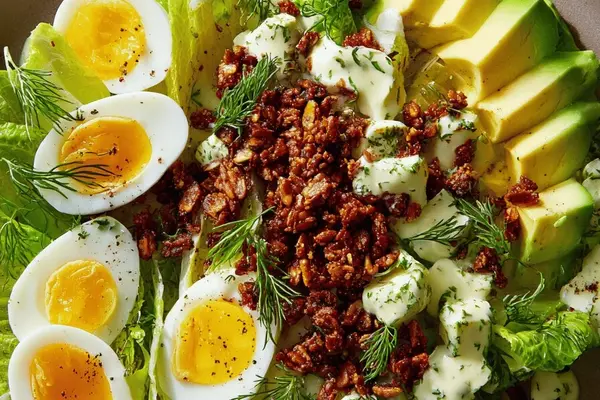
Brunch Salad with Creamy Italian Dressing
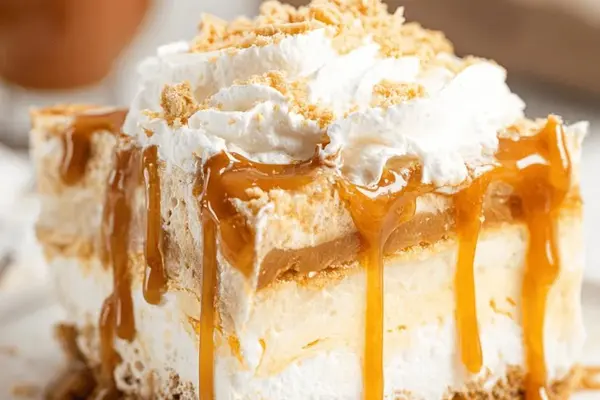
Butter Scotch Pudding Recipe with Graham Cracker
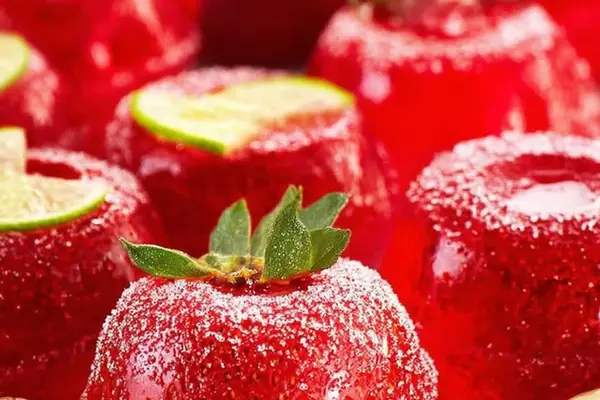
Jello Shot Recipes with Strawberries & Rum
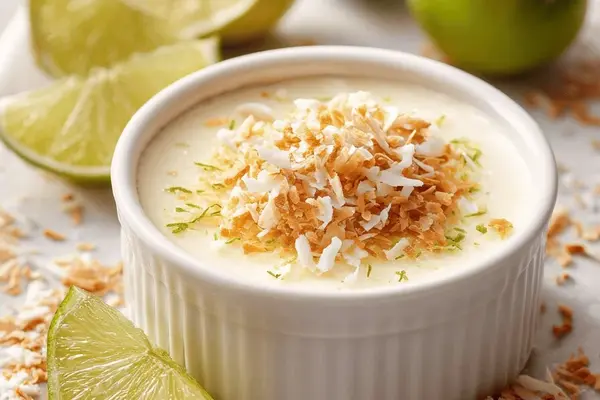
Silky Coconut Custard with Lime Zest
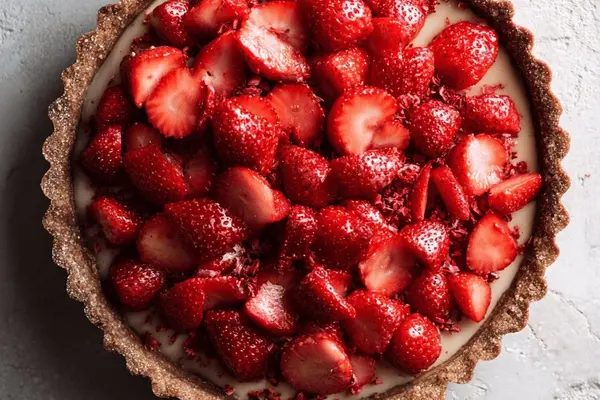
Sweet Tart Dough with Spelt Flour & Ghee