
How to Make Rennet Mozzarella at Home
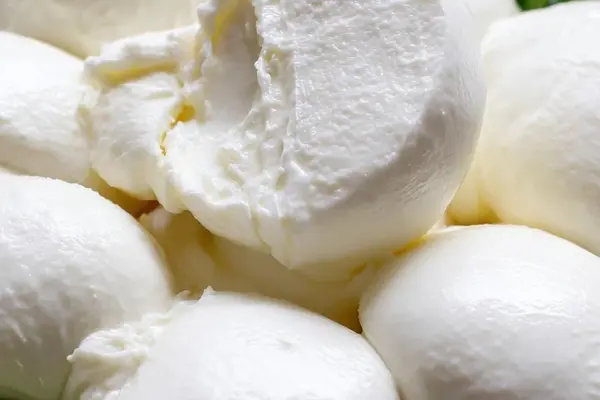
By Emma
Certified Culinary Professional
·
Recipe tested & approved
Learn how to make fresh mozzarella using rennet, citric acid, and whole milk. Create silky curds at home with simple steps and basic equipment.
Prep:
12 min
Cook:
52 min
Total:
64 min
Servings:
8 servings
Cut the milk temperature slow. This isn’t yogurt—if you rush, the curds go tight and weird instead of stretchy. You need 64 minutes total, and honestly, every single one of them matters.
Why You’ll Love This Homemade Cheese
Actually make it yourself instead of buying it. Costs nothing. Works cold or warm. Leftovers stay good in brine for weeks, maybe longer. You’ll have actual cheese to make mac and cheese with, the kind that melts the way it’s supposed to. No bake involved. Just heat, patience, and your hands. Vegetarian. Everything in it is real.
What You Need for Homemade Cheese
One gallon whole milk. Not ultra-pasteurized. Regular whole milk from any store works. Citric acid powder—1 1/8 teaspoon. Lemon juice is fine if you don’t have it, just use 1 1/2 teaspoons instead. Liquid rennet. 1/4 teaspoon. Dissolve it first or it won’t spread evenly. Cheese salt or kosher salt. A teaspoon total. Cool water for mixing the rennet. Five tablespoons. Plastic gloves. For kneading when it gets hot. Cotton won’t cut it.
How to Make Cheese at Home
Mix the rennet in cool water first—really mix it, no clumps sitting around. Set it aside. You’ll need it in a minute.
Pour milk into a big stainless steel pot. Not aluminum. Not nonstick if you can help it—they don’t heat right. Clamp a thermometer on the side where you can actually read it.
Sprinkle the citric acid over the milk surface. Dust it, don’t dump it. Stir gently—fold it in like you’re mixing egg whites, not whisking. This lowers the pH. The milk will start looking different almost immediately, kind of opaque.
Pour in the dissolved rennet. Stir for one full minute, same gentle folding motion. Stop. Leave it alone for the next 5 to 10 minutes. You’ll see the milk thicken into this silky gel. That’s the rennet working. When you can pull a knife through it and it breaks clean instead of running back together, you’re ready to cut.
How to Get Perfect Curds and Stretch
Cut straight down with a sharp knife. One-inch squares, straight strokes. Think of it like scoring a cake, except you’re going all the way through. The curds will separate from cloudy yellow whey.
Heat to 88-90 degrees. Slow. Electric stoves jump temperature, so watch it constantly. Don’t go past 90. Stir gently every few minutes. You’ll feel the curds getting firmer in your hand.
When they’re set—takes maybe 30 minutes from when you added the rennet—line a colander with cheesecloth and pour everything through. Don’t press. Let gravity do it.
Spoon the curds into a microwave-safe bowl. Pat them dry if there’s excess whey pooling. Microwave on high for one minute. Drain off the whey that runs out.
Put on gloves. Start folding and kneading. It’s hot. Really hot. Knead it like bread dough but gentler, pull and fold, pull and fold. Feel when it starts getting stretchy and smooth instead of grainy. That’s when you microwave it again—30 seconds to a minute, until the inside hits 130-135 degrees. You’ll feel the difference. It gets pliable. Bouncy.
Sprinkle salt while you’re kneading. Keep going until it forms one ball, shiny, smooth, pulls back when you stretch it.
Cheese Tips and Common Mistakes
Don’t rush the temperature. The recipe says 52 minutes of cooking because the milk needs time to turn into something solid. Skip the steps and you get scrambled curd soup.
Ultra-pasteurized milk doesn’t work. The heat already changed the proteins. Regular milk only.
The thermometer is everything. A few degrees off and the whole thing acts different. Get one that clips to the pot.
Stainless steel pot—this matters. Aluminum reacts with the acid. Nonstick doesn’t heat evenly.
Microwave method works better than stovetop for the final heating. Easier to keep the temperature right without breaking the curds.
Store it in brine if you’re not eating it right away. Keeps it moist. Just salt water—one teaspoon salt per cup of water. Submerge the cheese completely.
How to Make Rennet Mozzarella at Home
Prep:
12 min
Cook:
52 min
Total:
64 min
Servings:
8 servings
Ingredients
- 1 gallon whole milk, preferably not ultra-pasteurized
- 1 1/8 teaspoon citric acid powder (or 1 1/2 teaspoons lemon juice as backup)
- 1/4 teaspoon liquid rennet (use table salt for dry rennet, dissolve first)
- 1 teaspoon cheese salt or kosher salt
- Plastic gloves for kneading
Method
- ===
- 1 Dissolve rennet in 5 tablespoons cool water making sure it’s evenly mixed; set aside.
- 2 Pour milk into large non-reactive pot, stainless steel best. Attach thermometer to side securely.
- 3 Sprinkle citric acid evenly over milk’s surface — no clumps, stir gently but thoroughly.
- 4 Add dissolved rennet next. Stir one solid minute but gentle, think folding eggs. Avoid stirring too vigorously or curds break down prematurely.
- 5 Heat milk slowly over medium-low heat, aiming for 88-90 degrees Fahrenheit. Electric stove might jump temps, watch close. Avoid going past 90 to keep curd tight and elastic.
- 6 You'll see a silky gel forming, slow pull from edges to center. Wait until curd and whey separate fully — curds set but still tender.
- 7 Use a sharp large knife to cut curds into 1 inch squares, straight down strokes to keep clean edges.
- 8 Back on heat, raise temp carefully towards 108-112 degrees Fahrenheit; hold steady for 9 to 12 minutes. Curds tighten, whey gets clearer and yellowish.
- 9 Prepare colander lined with cheesecloth or fine muslin. Pour curds and whey gently, let whey drain well and naturally. Avoid pressing—just gravity for now.
- 10 Spoon curds into microwave-safe bowl, pat dry if needed. Microwave on high for one minute, let whey drain off again carefully.
- 11 Put on plastic gloves, start folding and kneading curds fast. Hot to touch, pliability tells you when it’s ready to stretch. Return to microwave for additional 30 seconds to one minute until reaches 130-135 degrees Fahrenheit internal temp. Perfect time to amp stretchiness.
- 12 Sprinkle salt while kneading. Kneed like dough but gently, pull and fold repeatedly till cheese forms a cohesive ball, shiny and smooth. Texture should bounce back, not crumble or tear.
- 13 Form into large ball or divide into small portions. Wrap tightly in plastic or plunge in bowl of ice water to firm up quickly.
- 14 Refrigerate at least 30 minutes before slicing. Store leftovers submerged in brine made with 1 teaspoon salt per cup water to keep moist.
- ===
Nutritional information
Calories
80
Protein
6g
Carbs
1g
Fat
6g
Frequently Asked Questions About Making Homemade Cheese
Can I use regular milk from the store? Yeah. Just not ultra-pasteurized. Check the label. Most store milk works fine.
What if I don’t have citric acid? Lemon juice works. Use 1 1/2 teaspoons instead of the powder. Fresh is better. Bottled works too.
How do I know when to cut the curds? Slide a knife through. If it breaks clean and doesn’t run back together, it’s ready. If it’s still soupy, wait another few minutes.
Why does the temperature have to go up so slowly? Rush it and the curds get hard and won’t stretch. Slow heating keeps them tender.
Can I make mac and cheese sauce with this? It melts, so yeah. Cut it up, heat it in milk or cream, it becomes a sauce. Tastes way better than store cheese.
What do I do with the whey? Save it for ricotta if you want. Otherwise—compost or pour it down the drain. It’s just liquid.
How long does homemade cheese last? In brine in the fridge, maybe three weeks. Without brine, couple days before it starts drying out.
Can I use dry rennet instead of liquid? Sure. Use a quarter teaspoon, dissolve it in water first just like the liquid version. Same difference.
You’ll Love These Too
Explore all →
Wonton Filling Recipes with Ground Turkey

Lemon Meringue Tart with Swiss Meringue
Homemade Crisp Breadcrumbs from Day-Old Bread

Pumpkin Pie Recipe with Pecan Crust

Quinoa Salad with Roasted Sweet Potato

Duck Confit with Wild Rice and Roasted Squash
Sesame Bread with Olive & Walnut Oil

Lemon Sundae Tart with Vanilla Ice Cream
Peppercorn Cream Sauce with Whiskey

Asparagus Pea Puff Tart with Herb Spread

Grilled Eggs Recipe with Black Beans

Club Sandwich with Bacon, Eggs & Tomato
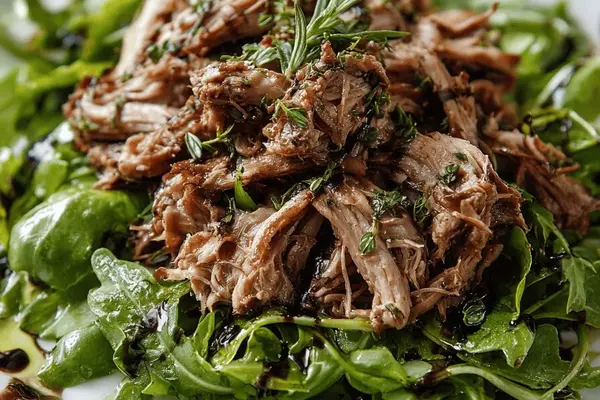
Slow Cooker Pulled Pork with Garlic & Thyme

Frozen Popsicles with Raspberries and Peaches

Jeera Rice Recipe: Cumin Basmati Rice

Passionfruit Coconut Pavlovas with Basil Cream
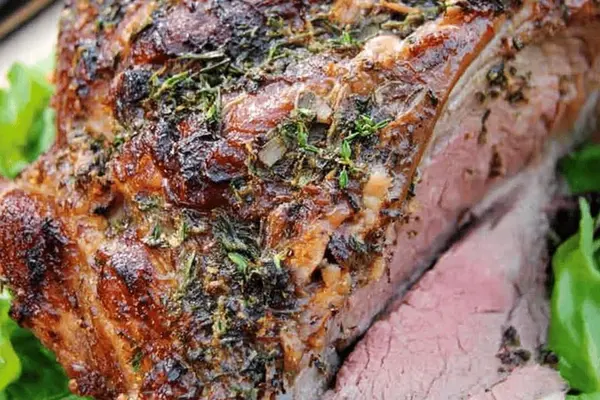
Roast Lamb Dinner with Garlic and Sage

Bacon Ranch Potato Salad

Chicken Thighs With Onion Jam and Pancetta