
Brown Gravy Recipe with Beef & Chicken Broth
By Emma
Certified Culinary Professional
·
Recipe tested & approved
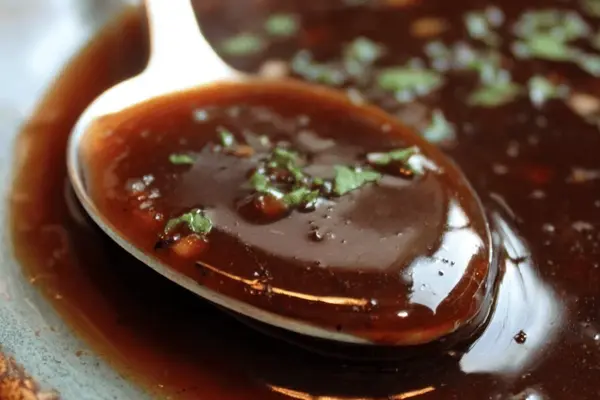
Make brown gravy from scratch with caramelized onions, garlic, butter, and beef and chicken broth concentrate. This homemade sauce is smooth, rich, and perfect for roasted meats.
Prep:
15 min
Cook:
20 min
Total:
35 min
Servings:
4 servings
Melt the butter. Watch it go foamy. Toss in the diced onion and garlic before it browns — that’s the moment. You’ll feel it. Golden edges on the onion mean you’re close. Another minute or two and you’ve got caramelization happening. The whole kitchen smells different.
Why You’ll Love This Brown Gravy
Takes 35 minutes total. Actually pretty quick for homemade brown gravy that tastes like someone who knows what they’re doing made it. One pot. That’s literally it — no cleanup theater. Works over anything. Mashed potatoes. Salisbury steak. Meatloaf. Even fries if you’re being honest. Tastes nothing like the packet stuff. Better, obviously. And you know exactly what went in it.
What You Need for Homemade Brown Gravy
Butter. A tablespoon and a half. Not margarine. Real butter changes everything here. Yellow onion — one small one, diced fine. Garlic. Just one clove. Minced small. Both beef and chicken broth concentrates. A can of each. That’s 284 ml each. If you can’t find concentrates, use regular stock and reduce it by half. Takes longer but works. Toasted all-purpose flour. About a quarter cup, maybe 40 grams. Toast it yourself in a dry pan first — kills the raw flour taste and adds a nutty thing that matters. Worcestershire sauce. Optional, but do it. Five milliliters. Soy sauce. Same amount. Also optional. But together they add depth without you tasting “soy” or “Worcestershire.” Just tastes like a better version of itself. Salt and pepper. The kind you grind yourself. The concentrates are salty already, so go easy.
How to Make Brown Gravy from Scratch
Grab a heavy saucepan. Medium heat. Melt the butter — watch it get foamy, that’s normal. Toss in the onion and garlic. Stir it around. You’re looking for the onion to go translucent and soft, around 8 to 12 minutes. Don’t rush. Don’t burn it either — burnt onion in gravy is a specific kind of sad. Stir often. The edges will start to turn golden. That’s when you know it’s working.
Pour both broths in at once. It’ll bubble up immediately. Get loud. That’s the concentrates waking up. Bring it to a rolling boil — a real boil, not just steaming — then drop the heat down to a simmer. Gentle. Keep it there.
Now the flour. Whisk it in slowly. Not all at once or you’ll get lumps and lumps ruin everything. Add it bit by bit while you’re whisking. The sauce goes from looking thin and sad to actually thick. Watch it happen. Keep stirring. Takes about 5 to 7 minutes. You want it thick enough to coat the back of a spoon but still pourable. Not gravy-thick yet, but getting there.
How to Get Brown Gravy Silky and Deep
This is where Worcestershire and soy come in. Add them now. Five milliliters of each. Stir. You’re not looking for it to taste like either one. You’re looking for it to taste deeper. Like it’s been sitting in the kitchen thinking about itself. Dark, kind of complex, but not obvious. That’s what those two do.
Taste it. Salt and pepper now. The broths vary wildly in how salty they are, so don’t season until you taste. Go slow. You can always add more. Hard to take out.
Here’s the part that makes it actually good: strain it. Fine sieve. Let it go through slowly. Catches the onion bits. Catches the grit. What comes out the other side is silky. Smooth. Looks like you know something. Taste again while it’s warm. Fix it if it needs fixing.
Brown Gravy Tips and Mistakes to Avoid
The flour has to be toasted or it tastes raw. Raw flour in gravy is a specific kind of wrong. Toast it in a dry pan first for 2 minutes. That’s enough. Smells nutty. Use that.
Don’t skip the straining. It’s the difference between homemade gravy and homemade-looking gravy. Three minutes of work. Massive payoff.
If it breaks — gets grainy or weird — you overheated something. Start over. Or add a splash of cold broth and whisk hard. Sometimes that fixes it. Doesn’t always.
Can’t find broth concentrates? Use regular stock instead. Buy 750 milliliters total — half beef, half chicken. Simmer it down until it’s reduced by half. Concentrates the flavor. Takes extra time but the gravy’s still good. Different-good, not bad-good.
Bacon fat instead of butter works. Even better sometimes. Shallots instead of onion if that’s what you have. Vegetable oil if you need it dairy-free. None of these break it.
If it’s too thick, add water or more broth. A splash at a time. If it’s too thin, let it simmer longer. The flour keeps thickening as it sits. Be patient.
Brown Gravy Recipe with Beef & Chicken Broth
Prep:
15 min
Cook:
20 min
Total:
35 min
Servings:
4 servings
Ingredients
- 1 small yellow onion, finely diced
- 1 garlic clove, minced
- 25 ml butter (1 ½ tbsp)
- 1 can 284 ml caramelized beef broth concentrate
- 1 can 284 ml chicken broth concentrate
- 40 g toasted all-purpose flour (about ¼ cup)
- 5 ml Worcestershire sauce (optional twist)
- 5 ml soy sauce (optional twist)
- Salt and freshly ground black pepper to taste
Method
- 1 Start by melting butter over medium heat in a heavy saucepan. Toss in onion and garlic. Watch closely — flickering sizzles and gentle golden hints signal patience paying off. Stir often; onions need translucent softness before color deepens, around 8-12 minutes. Avoid scorching; burnt bits kill a sauce’s charm.
- 2 Once onion edges edge toward caramelized, pour in both broths. Listen for instant bubbling and gentle hisses as flavors mingle. Bring to a rolling boil to wake up the condensed broth, then lower heat to maintain a gentle simmer.
- 3 Whisk in toasted flour gradually. It’s crucial to do this evenly to dodge lumps. The sauce starts thin, gradually thickening. Keep stirring, watch viscosity change — thick enough to coat back of spoon but still ladleable, about 5 to 7 minutes. If too thick, splash in water or broth; too thin needs more simmer time.
- 4 Add Worcestershire and soy sauces for a subtle umami lift — deep woods and fermented notes without overwhelming. Season with salt and pepper after tasting; broth concentrates vary wildly in saltiness.
- 5 Strain through a fine sieve to catch onion bits and get that silky texture. This step transforms rustic gravy into something deceptively simple but refined. Taste again. Adjust seasoning while still warm.
- 6 Serve immediately with roasted spiced chicken, turkey, red meats, or slap on fries for a quick poutine drizzle.
- 7 Notes: If no broth concentrates, reduce 750 ml good beef and chicken stock by half to intensify flavors. Butter may be swapped with vegetable oil or bacon fat for richness; garlic can be replaced with shallots for subtle sweetness; flour toasted in a dry pan beforehand locks in nutty aroma and avoids raw flour taste.
Nutritional information
Calories
120
Protein
3g
Carbs
10g
Fat
7g
Frequently Asked Questions About Homemade Brown Gravy
Can I make this brown gravy without the broth concentrates? Yeah. Use 750 milliliters total stock — beef and chicken mixed — and reduce it on the stove first. Cuts it in half. Takes 15 minutes longer but tastes the same.
How long does homemade brown gravy keep in the fridge? Three days easy. Maybe four if you stored it right. Reheat low and slow. Add a splash of water if it got thick. Don’t nuke it.
What’s the difference between this and a flour and butter roux gravy? This one starts with broth concentrates so it’s deeper faster. A straight roux gravy takes longer to build flavor. Both work. This is just quicker.
Can I make this for meatloaf and brown gravy ahead of time? Make it, let it cool, stick it in the fridge. Reheat when you’re ready. Actually tastes better the next day. Not sure why.
What if I don’t have toasted flour? Toast regular flour in a dry pan yourself. Two minutes. Smells different immediately. Worth doing. Raw flour tastes like nothing, like failure. Toasted tastes like actual cooking happened.
Is this good for salisbury steak with gravy or does it only work for one thing? Works for basically everything. Salisbury steak. Meatballs. Meatloaf. Turkey. Chicken. Fries. Roasted vegetables. Doesn’t matter. Brown gravy is the answer to a lot of different questions.
You’ll Love These Too
Explore all →
Recipe For Bean Salad With Sweet Potato
Herbed Ranch Salt Mix with Smoked Paprika
Honey Jalapeño Cornbread with Butter

Pitcher Paloma Remix with Yuzu & Grapefruit

Cheesy Basmati Arancini with Cheddar Béchamel
Maple Glazed Tofu with Crispy Cornstarch

Homemade Cauliflower Pizza Crust Recipe
Vegetable Soup Recipe With Carrots & Green Beans

Earl Grey Cocktail with Rum and Ground Cherries
Apple Upside Down Cake with Brown Butter
Pavlova With Raspberries and Almond Crumble
Piquante Pepper Sauce Recipe
Grilled Chicken Breasts with Honey Soy Marinade

Hawaiian Macaroni Salad Recipe
Chicken Fried Rice with Bell Peppers
Grilled Chicken Breast with Mozzarella & Olives

Pork Meatballs with Mushroom Cream Sauce

Crispy Tofu Avocado Wraps with Arrowroot
No Bake Cookies Recipe with Dark Chocolate