Cinnamon Rolls with Almond Flour & Cream Cheese
By Emma
Certified Culinary Professional
·
Recipe tested & approved
Set your oven to 350 and listen for that quiet buzz—you’ll know it’s ready. Three tablespoons of butter, brown sugar, cinnamon layered thick into dough that comes together in maybe 12 minutes. Then roll, slice with floss instead of a knife, and 18 minutes later you’ve got homemade cinnamon rolls that taste nothing like store-bought. The kind that actually smell like the bakery, not like they’ve been sitting in a plastic container for three days.
Why You’ll Love This Homemade Cinnamon Rolls
Takes 30 minutes total—not the eight-hour wait. Breakfast ready before you’re done with coffee. Uses almond flour mix as the base, so the texture’s different. Less dense than regular cinnamon buns. Softer somehow. Easy enough to make on a Tuesday morning. No yeast. No waiting for rise times that frustrate you halfway through. Floss for cutting works. Sounds weird. Does it better than a knife—no squishing, cleaner slice, less mess. Costs less than hitting a bakery. Maybe three dollars for rolls that taste homemade. Because they are.
What You Need for Homemade Cinnamon Rolls
Simple Mills almond flour pancake mix is the base—a cup of it. Not regular flour. The texture’s entirely different and worth seeking out. Oat milk. Three quarters of a cup. Any plant milk works, but oat milk doesn’t separate during baking like some do. Butter. Three tablespoons softened, not melted. Softened means it spreads without tearing the dough. Spread it thick on the rectangle—this is where richness comes from. Brown sugar and ground cinnamon mixed together. One third cup sugar, two teaspoons cinnamon. Measure the cinnamon; don’t eyeball it. Too much tastes like a spice cabinet. String or dental floss. Unwaxed. This cuts the rolls without crushing them. Sounds unnecessary. Changes everything. Cream cheese frosting is optional but don’t skip it. Half a cup cream cheese, two tablespoons powdered sugar, a teaspoon of vanilla. The tang cuts through the sweetness in a way that actually works. Not sickly.
How to Make Cinnamon Rolls at Home
Pour the pancake mix into a bowl. Add the oat milk slowly—three quarters cup is your starting point, but you might need a bit more or less depending on humidity, your specific milk, a dozen variables that exist. The dough should look shaggy. Slightly wet. Don’t panic. That’s right. Feel it with your hands. Too sticky? Dust in almond flour, a tablespoon at a time. Too dry? Splash more milk. You’ll feel when it’s correct. Knead it gently on a floured surface—heel of your hand, press down and stretch away, bring it back, do it again until it comes together as one ball. Not overworked. Just until it springs back if you poke it and doesn’t stick to your fingers.
Press it into a rectangle. Long way, so about 9 by 12 inches. It doesn’t have to be perfect. Bumps, uneven edges, doesn’t matter. Imperfect dough rises better anyway. Spread the softened butter across the whole thing. Thick. This is your insurance against dry rolls. Then sprinkle the cinnamon-sugar mixture over it liberally. Don’t scrape. Spread it with your fingers, let it fall where it wants to fall.
How to Get Cinnamon Rolls Perfectly Golden and Tender
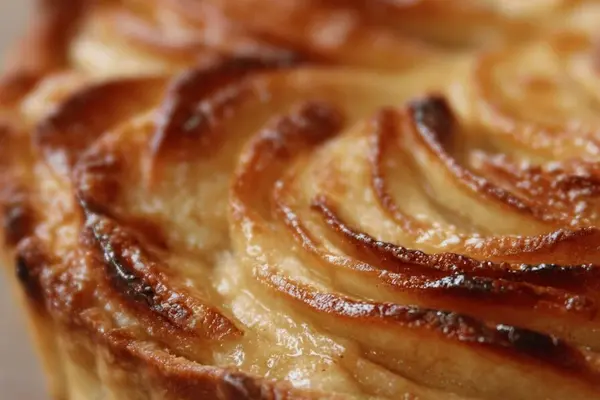
Roll the dough carefully but firm. A tight roll keeps the sugar inside where it belongs—loose rolls spill filling during baking and the edges dry out. Start from the long side and roll toward you, pinch the seam closed. Grab unwaxed floss. Slide it under the log, cross it over itself, and pull tight. Sounds weird. Works perfect. You get clean cuts without squishing, without mangling the shape. Should yield around 8 or 9 rolls depending on how thick you slice them. Coat your baking dish with non-stick spray or rub it with butter. Place the rolls spaced out but close enough to almost touch—when they rise, they’ll connect slightly. Keeps them from drying out at the edges. Into the oven at 350 for 13 to 17 minutes. Watch for a golden dome on top. You’ll smell it before you see it—that warm, toasty cinnamon smell filling your kitchen. A slight crackle on the surface means the sugar’s caramelizing. That’s your signal it’s almost done. Don’t overbake. Soft is the goal. Overdone means hard edges and dry centers.
Cinnamon Rolls Tips and Common Mistakes
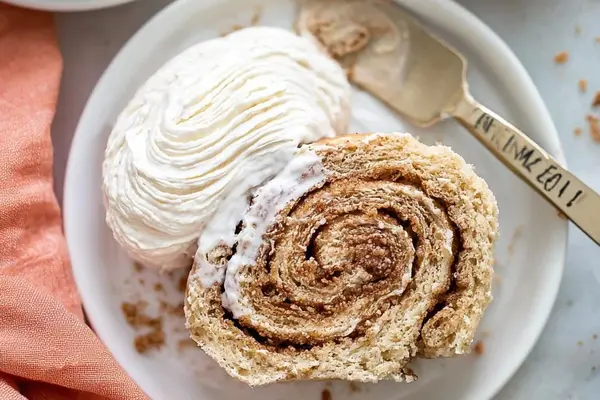
Remove them from the oven and let them cool without covering them. Twenty minutes minimum. The butter and sugar need time to set. Cut into them too soon and it’s just a sticky mess. Second day, they’re actually better reheated gently or eaten cold. If you’re frosting them—and you should be—whip the cream cheese, powdered sugar, and vanilla together until fluffy. Spread it on after they’ve cooled. The slight tang cuts through the sweetness in a way that store-bought frosting never does. Serve them warm, not hot. The texture is tender with just a slight chew when they’ve cooled a bit. Straight out of the oven they’re too soft to hold together. Keep leftovers wrapped. They keep for two days easy, longer if you refrigerate them. Reheat gently. Cold works too if you’re into that texture. Ovens fluctuate. 350 is the target but yours might run hot or cold. Start checking at 13 minutes. The dough cooks fast with almond flour—it’s not as dense as regular cinnamon buns, so timing shifts.
Cinnamon Rolls with Almond Flour & Cream Cheese
Prep:
12 min
Cook:
18 min
Total:
30 min
Servings:
9 rolls
Ingredients
- 1 cup Simple Mills almond flour pancake mix
- 3/4 cup oat milk (or any plant milk)
- 3 tbsp softened butter
- 1/3 cup brown sugar
- 2 tsp ground cinnamon
- String or dental floss for clean cutting
- Cream cheese frosting (optional): 1/2 cup cream cheese softened, 2 tbsp powdered sugar, 1 tsp vanilla extract
Method
- 1 Preheat oven 340-355 degrees F—aim for 350 but ovens fluctuate. Listen for the quiet buzz settling, a hint your oven’s ready.
- 2 Pour pancake mix into a bowl. Slowly mix in oat milk—a 3/4 cup starting point. Dough’s going to look shaggy but don’t panic. Feel the stickiness; too wet add a sprinkle of almond flour. Too dry, splash a little more milk. Knead gently on a floured surface. Use heel of hand, press down and stretch away, incorporate the dough to a homogenous ball. It should spring back if poked but not cling to fingers.
- 3 Press the dough into a long rectangle, roughly 9x12 inches. Not obsessively perfect, imperfections add charm. Spread butter thick; this is your richness layer. Then sprinkle cinnamon and brown sugar mix liberally across, use fingers—don’t scrape, spread with love.
- 4 Roll carefully but firm. A tight roll is your friend; loose rolls spill sugar during baking and get dry edges. Grab some unwaxed floss and slide it under the log, cross over itself, pull tight to slice clean pieces without squashing. Should yield around 8-9 rolls. Don’t panic if one’s misshapen, rustic wins here.
- 5 Coat your baking dish with non-stick spray or butter. Place rolls spaced but close enough to touch when risen. Oven time, 13-17 minutes. Watch for a golden dome. Slight crackle on top means the sugar is caramelizing, smells warm, toasty cinnamon filling the air. Don’t overbake or rolls dry out hard; softness matters.
- 6 Remove and let cool without skirts or napkins. Twenty minutes minimum. The butter and sugar settle; cutting too soon just a sticky mess. Meanwhile, if frosting, whip cream cheese, powdered sugar, and vanilla till fluffy. Spread after cooling. Optional but gives a slight tang to the candy sweetness.
- 7 Serve warm, not hot. Texture is tender with just a slight chew. Keep leftovers wrapped; best day two reheated gently or cold for contrast.
Nutritional information
Calories
180
Protein
4g
Carbs
22g
Fat
9g
Frequently Asked Questions About Homemade Cinnamon Rolls
Can I use regular flour instead of almond flour pancake mix? Not the same thing. Almond flour mix gives this a different crumb—lighter, less chewy. Regular flour would make them denser, more like traditional cinnamon buns. Could work. Wouldn’t be this recipe.
What if I don’t have cream cheese for the frosting? Skip it. Rolls are good without it. Or use Greek yogurt mixed with a bit of powdered sugar. Not the same taste but works if you just need something on top.
Can I make these the night before? Assemble them, cover the baking dish, throw it in the fridge. Bake the next morning. Might need an extra 2-3 minutes since they’ll be cold. That’s fine.
Why floss instead of a knife? Knives squish. Floss slides through without compressing the roll. Cleaner cut. Less mess. Sounds ridiculous until you try it.
How do I know when they’re done baking? Golden dome on top. Slight crackle. The smell gets strong and warm. Pull one slightly—the inside should be set but still tender, not dense. Around 13 to 17 minutes depending on your oven.
Can I freeze the leftover cinnamon rolls? Yes. Wrap them, freeze for up to a week. Thaw at room temperature or reheat gently. They lose a bit of texture but taste fine.
You’ll Love These Too
Explore all →
Blueberry Bread Pudding with Maple Sauce

Buckwheat Banana Muffins with Dark Chocolate

Roasted Sweet Potato Broccoli Salad

Chicken Pot Pie with Carrots & Leek
Instant Pot Salsa Chicken with Chipotle

Sautéed Cauliflower Rice with Lemon

Ruby Red Jubilee Whiskey Cocktail Recipe
Lemon Cheesecake Bars with Puff Pastry

Cheesy Arepas with Cotija & White Cheddar

Frittata With Vegetables | Sweet Potato Recipe
Pork Bok Choy Salad with Teriyaki Dressing

Creamy Pumpkin Pie Shake with Avocado

Hamburger Beef Pasta with Ginger & Lime
Ginger Cookies Recipe with Chai Spice

Ricotta Cream Heart with Lemon & Maple
Shortbread Millionaire Bars with Pecans

Fried Cashew Recipe with Smoked Paprika
Spiced Bacon-Herb Butter with Dijon

Menchie Frozen Yogurt Popsicles Recipe