Pork Chops With Pears: Honey Maple Glazed
By Emma
Certified Culinary Professional
·
Recipe tested & approved
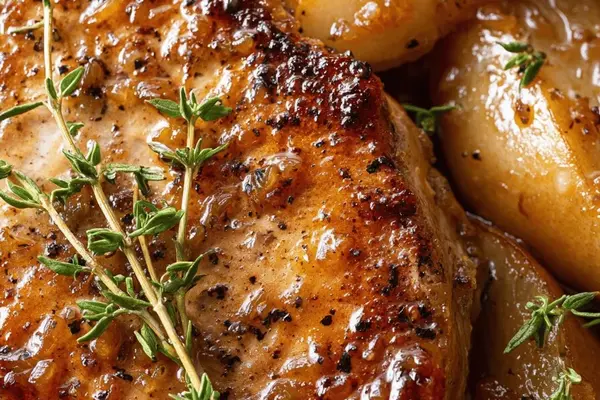
Lay the pork chops in a hot pan and they sizzle immediately — that’s when you know you’re doing it right. The pears go soft and caramel-sweet while the meat gets this golden crust and the honey glaze turns sticky and dark. Forty-five minutes total, one skillet, and something that tastes like you’ve been cooking all day. Had a bunch of ripe pears sitting around. This happened.
Why You’ll Love Pan-Seared Pork Chops With Caramelized Pears
The whole thing cooks in one pan. Cleanup is basically nothing. Takes 60 minutes total — 25 prep, 35 cooking — and most of that’s just letting things do their thing while you stand there, honestly kind of watching. Main dish that feels fancy but isn’t. The glaze happens by itself once you understand the sizzle. Pork stays juicy because you’re not overcooking it. Pears turn into actual caramel — sweet, soft, almost melting into the sauce. Tastes like honey and thyme and that sharp hit of white wine vinegar all at once. The butter. The crust on the chops. Works cold the next day too, which is weird but true.
What You Need for Caramelized Pear Pork Chops
Two pears — ripe but still firm, not mushy. The kind that give a little when you squeeze them. Butter. Real butter. About 1½ tablespoons for the pears. It needs to foam but not brown. Maple syrup, white wine vinegar. Not cider vinegar. It matters. The white wine vinegar is sharper, brighter. Three garlic cloves crushed. Literally crush them with the flat of your knife. Don’t slice. Fresh thyme. Three sprigs. Dried doesn’t work here. Actually tastes different. Four bone-in pork chops, about an inch thick. Thickness matters. Thinner ones dry out. Thicker ones don’t cook through. Salt and pepper. Crack the pepper yourself. Pre-ground tastes old. Chicken broth. Just 100 ml. Becomes the base of the sauce. One more pat of butter and a splash of neutral oil for the pork. Keeps the butter from burning while you sear.
How to Make Pan-Seared Pork Chops With Honey Maple and Garlic Pears
Get a large heavy skillet — cast iron works, stainless steel works — and heat it over medium-high. The pan needs to be hot. Really hot. Melt the butter. You’ll hear it sizzle and foam. Watch it — that takes maybe a minute. Don’t let it brown. Lay the pear halves cut side down and listen. That immediate sizzle is correct.
Leave them alone. Don’t fuss. They need 3 minutes minimum for that golden-brown crust to form. The whole kitchen smells like caramel now. That’s the pears sweetening as they hit the heat. Flip them gently once. The edges should be this tan-brown color, almost translucent at the edges where the skin is. Add the maple syrup, white wine vinegar, crushed garlic, and thyme right now. The garlic will smell sweet almost immediately. That’s fine. If it starts smelling burned, toss it around or pull it down into the liquid.
Keep cooking. 8 to 10 minutes total for the pears, turning them every couple minutes so they caramelize evenly instead of charring on one side. They’re done when you can push a fork through the center and it gives but still holds its shape. Not mushy. Just soft. Lift them out carefully — they’re delicate now — and set them on a warm plate without the garlic and thyme. You don’t eat those.
Pour the chicken broth into that same pan. Scrape the bottom with a wooden spoon. All those brown bits dissolve into the broth. This is where the flavor lives. Turn heat up and let it bubble fast. Reduce it for 2 to 3 minutes. It should go from thin and watery to slightly syrupy — when you tilt the pan, the liquid moves slowly instead of running everywhere. Set it aside off heat.
How to Get Glazed Pork Chops With Butter Caramel Perfection
Wipe out the skillet or use another one if you need to. Add a small pat of butter and a splash of oil. Medium-high heat. The butter and oil together prevent the butter from blackening on its own.
Pat the pork chops completely dry with paper towels. Don’t skip this. Wet meat steams instead of sears. Salt them heavily. Pepper them. Lay them away from you — the oil might splatter — and you should hear a loud sizzle the second they hit the pan. If you don’t hear it, the pan isn’t hot enough. Pull them out and wait another 30 seconds.
Cook them undisturbed for about 6 minutes. Just leave them. The meat will release from the pan when it’s ready — you can feel the difference when you try to move it. Don’t move it before then or the crust tears. You want deep golden brown, almost mahogany on the bottom. The edges show browning too. Flip them. Cook the other side the same way. 6 minutes. If the butter starts blackening, lower the heat slightly.
Now pour the maple syrup and white wine vinegar over the top of the chops. Tilt the pan. Let the liquid pool and start to bubble. Spoon that sticky sauce over the chops repeatedly for 2 to 3 minutes. The glaze thickens as the sugar caramelizes. It should smell sweet and a bit sharp. If it smells burnt, the heat is too high. Lower it.
Test the pork by pressing it gently — it should spring back but with slight resistance. Or use a thermometer. 63°C inside is perfect. Still slightly pink at the bone, juicy all the way through. Pull them off the heat. Tent loosely with foil — just lay it over the top, don’t seal it. Let them rest 5 minutes. This matters. The meat keeps cooking slightly and the juices redistribute so it doesn’t bleed all over your plate.
Wipe the pan or add the reserved pear broth back to the same one if there’s room. Medium heat. Bring it to a boil and let it reduce again. 4 to 5 minutes. It thickens, becomes glossy, coats the back of a spoon. Smells sweet with that thyme-vinegar thing going on. Watch it constantly now. Sauce can tip from perfect to burnt faster than you’d think.
Plate the pork chops. Set a caramelized pear half next to each one. Pour the reduction sauce over everything. Spoon extra if you have it. Serve with something to absorb the sauce — mashed potatoes, polenta, whatever. A sharp green helps. Grilled asparagus. Garlicky kale. The acidity cuts through the richness and makes you want another bite.
Pan-Seared Pork Chops With Fresh Thyme and White Wine Vinegar Glaze Tips
The glaze can break if you’re not careful. Keep the heat moderate once the syrup goes in. High heat burns the sugar. Low heat and it just sits there getting sticky instead of caramelizing.
Bone-in matters. It’s not just for looks. The bone conducts heat differently than boneless does. Boneless dries out faster in this recipe. Different cooking altogether.
The pears don’t have to be perfectly ripe. Too hard and they don’t soften enough in 10 minutes. Too soft and they fall apart. You want that in-between stage where they give slightly under pressure but still hold.
White wine vinegar really is different from cider vinegar here. Cider is warmer, rounder. White wine vinegar is sharper, brighter. It cuts through the honey and butter better. Worth having a bottle.
Maple syrup versus honey — maple is more caramel-forward. Honey is floral and more subtle. Either works but they taste different. Maple is more forgiving if you reduce the glaze too far.
The resting step sounds like nothing. Actually huge. Five minutes makes the difference between a juicy chop and a dry one.
Pork Chops With Pears: Honey Maple Glazed
Prep:
25 min
Cook:
35 min
Total:
60 min
Servings:
4 servings
Ingredients
- Caramelized Pears
- 2 pears ripe but still firm, peeled, halved, cored
- 25 ml butter softened (~1 ½ tbsp)
- 20 ml honey maple syrup (~1 1/3 tbsp)
- 20 ml white wine vinegar (~1 1/3 tbsp)
- 3 garlic cloves crushed
- 3 sprigs fresh thyme
- 100 ml chicken broth
- Glazed Pork Chops
- 4 pork chops bone-in about 2.5 cm (1 inch) thick
- 20 ml honey maple syrup (~1 1/3 tbsp)
- 20 ml white wine vinegar (~1 1/3 tbsp)
- Salt and freshly cracked black pepper
- Butter or neutral oil for cooking
Method
- Caramelized Pears
- 1 Heat a large heavy skillet over medium-high. Melt butter until foaming but not brown. Lay pears cut side down listening for the sizzle and watch the edges start crisping and coloring – that caramel smell should peek through around 3 min. Flip gently once golden, add honey maple syrup, white wine vinegar, garlic, and thyme. The garlic should smell sweet not burned, so toss or bury it early if needed. Roast pears total 8-10 minutes turning them occasionally till just fork-tender, skin should hold but be softly translucent. Remove pears carefully, set aside warm without garlic and thyme.
- 2 Pour chicken broth into the pan. Scrape browned bits with a wooden spoon. Simmer briskly reducing 2-3 minutes until slightly syrupy coating consistency. Remove broth reduction from heat, set aside.
- Glazed Pork Chops
- 3 Clean the same skillet, add a pat of butter and a splash of oil to keep it from burning. Bring heat to medium-high. Pat chops dry with paper towels (don’t skip this or they’ll steam). Season generously with salt and pepper. Lay chops away from you to avoid splatter. Should hear a firm sizzle. Cook undisturbed about 6 minutes or until a deep golden crust forms, edges show slight browning. Flip, same for the other side. Lower heat if butter blacks too fast.
- 4 Add honey maple syrup and white wine vinegar on top, tilt pan carefully, spoon glaze repeatedly over chops while cooking another 2-3 minutes. Glaze should thicken, become sticky but not burn. Cooking this way lets the sugar caramelize without bitterness. Test doneness by slight springiness to touch or using an instant-read thermometer (about 63°C, 145°F). Rest for 5 min under tented foil.
- 5 Return pan to medium heat, add reserved pear broth. Boil rapidly to reduce again until nappe-like coating that clings when spoon lifted (about 4-5 min). Watch carefully to avoid burning. Should smell sweet acid tang with a whisper of thyme.
- 6 Plate pork chops and pears together, spoon reduction sauce over everything generously. Serve with mashed potatoes or a robust green, maybe grilled asparagus or garlicky kale. The acidity brightens, balance fat, and sweetness ties flavors together.
Nutritional information
Calories
380
Protein
32g
Carbs
20g
Fat
18g
Frequently Asked Questions About Pork Chops With Caramelized Pears
Can I use boneless pork chops instead? Technically yes. They cook faster — maybe 4 minutes per side instead of 6. Drier usually. Bone-in holds moisture better.
What if I don’t have fresh thyme? Don’t use dried. It tastes like dust in this dish. Use rosemary instead. Strip the leaves off the stems first. Same amount roughly.
How do I know when the pork is done without a thermometer? Press it gently. Should give a little but bounce back. Not soft like chicken, not hard like steak. It’s weird but you feel the difference once you’ve done it a few times.
Can I make this ahead? Most of it, yeah. The pears can sit in the sauce for hours. Reheat them gently. Cook the pork fresh. Leftovers are fine cold the next day. Bring the sauce back if you want it warm.
Is the glaze supposed to bubble that much? Yeah. It should be actively bubbling while you spoon it. If it’s just sitting there, heat’s too low. If it’s burning, heat’s too high. Find that middle ground.
What if my pears are already soft? Check them at 6 minutes instead of 8. They might fall apart. Nothing wrong with that — they just become more of a sauce and less of a pear. Still tastes good.
Can I use regular butter for everything instead of oil? You can but the chops might steam instead of sear properly. The oil keeps the butter from burning at high heat. Combination is better.
You’ll Love These Too
Explore all →
Potato Gratin with Rosemary and Piave Cheese
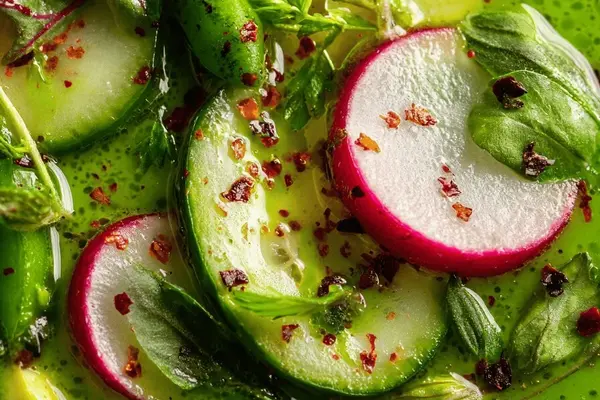
Chilled Green Pea Soup with Cucumber
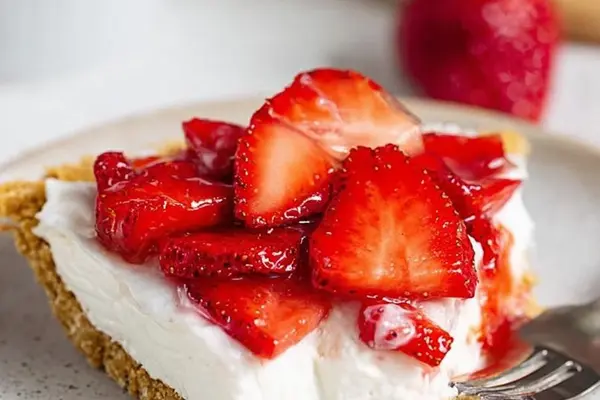
No-Bake Strawberry Cream Pie Recipe
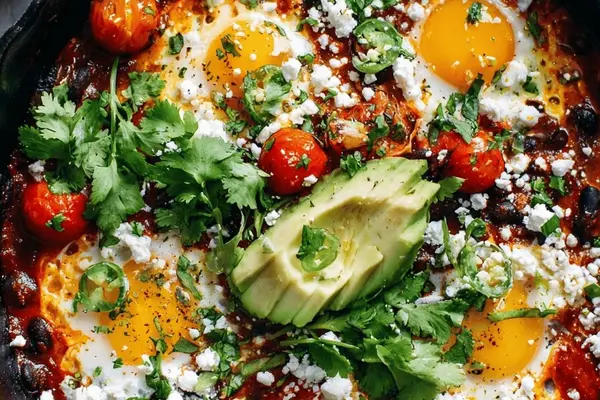
Grilled Eggs Recipe with Black Beans
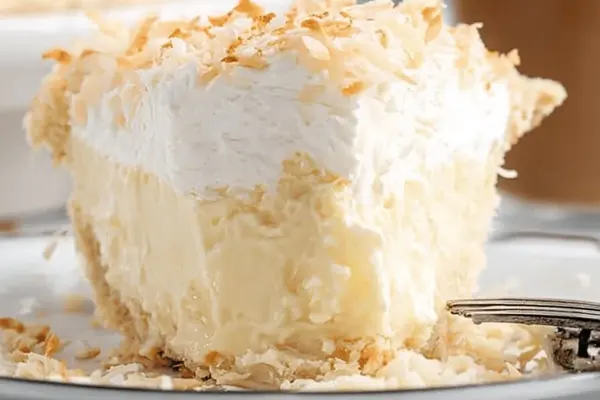
Coconut Cream Pie with Toasted Coconut Flakes

Peppermint Shortbread Cookies with Andes Candy
Quinoa Chicken Salad with Lemon & Feta
Cranberry And Pistachio Shortbread
Cheesy Zucchini Casserole with Cracker Crust
Salty Sweet Monster Bars with Pretzels
Hoisin Mustard Sauce with Avocado Oil
Lemon Poppy Seed Muffins with Coconut Oil
Easy Banana Loaf Recipe with Rhubarb

Chocolate Chip Cookies with Almond Meal
Griddle Corn Cakes with Fresh Kernels
Vegan Pesto with Pumpkin Seeds & Tomatoes
Layered Candy Corn Cookies Recipe
Armagnac Apple Croustade with Filo Pastry
No-Bake Black Forest Cheesecake with Oreo Crust