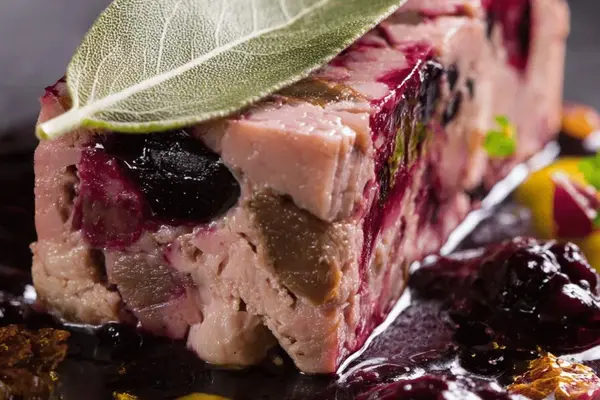
Pork Terrine with Blackcurrant Liqueur
By Emma
Certified Culinary Professional
·
Recipe tested & approved
Homemade pork terrine with shoulder, liver, garlic, and onion. Ground with juniper and black pepper, bound with egg. Blackcurrant liqueur and dried currants add berry depth. Pressed, water-bathed, chilled overnight.
Prep:
50 min
Cook:
1h 10min
Total:
2h 10min
Servings:
10 servings
Pound the pork into pieces, render the rum down to nothing, layer it all into a loaf pan and wait. Two hours of work spread across two days. Looks like a restaurant thing. Isn’t really.
Why You’ll Love This Pork Terrine
Cold. Slice it thick. Tastes better the next day — maybe better three days later. French appetizer that actually works as one, or just slice it and eat it on bread.
Homemade pork terrine with cassis and currants sounds fancy. The actual work is straightforward — no techniques you don’t know. One loaf pan. One water bath. That’s the whole setup.
Rum burns off. Juniper cracks under salt. The liver goes in raw and comes out tasting like meat, not organ. Blackcurrants stay tart. Nothing gets lost.
Keeps seven days wrapped in plastic. Makes people think you spent all day on it.
What You Need for a Pressed Pork Terrine
Pork skirt and pork shoulder — both cubed. Two hundred grams skirt, two-fifty shoulder. Different cuts, different textures when ground. Don’t skip either one.
Pork liver. A hundred twenty grams. Chopped with a sharp knife, not ground. Stays distinct that way.
One small onion chopped. One clove garlic. Just that. Olive oil — ten milliliters. Dark rum, twenty-five. Let it reduce almost completely. Cool before it goes in the mix.
Black peppercorns and juniper berries. Three milliliters peppercorns, four berries. Crush them together with sea salt — six milliliters — using a mortar and pestle until it’s powder.
Blackcurrant liqueur. Twenty-five milliliters. Dried blackcurrants chopped rough — twenty. One egg beaten lightly. One bay leaf for the top.
Everything goes cold before assembly. The meat. The onion mix. Everything.
How to Make a Pork Terrine
Heat the oil medium. Chop the onion and garlic in. Watch it brown lightly — takes maybe four minutes. Pour the rum in. Let it reduce almost dry. You’ll see it happen. Cool it down completely.
Fit the meat grinder with the large plate. Grind the skirt and shoulder in batches. Don’t overthink it. Just turn the handle.
Chop the liver fine with a sharp knife. Mix it into the ground pork in a bowl. Doesn’t need to be perfectly uniform. Just combined.
Crush the peppercorns and juniper with the salt in the mortar. It takes time. Keep going until it’s powder, not pieces. Stir it into the meat along with the cassis liqueur, dried blackcurrants, egg, and the cooled onion mix. Mix it vigorously — really work it. Don’t overwork it, but don’t be gentle either. There’s a difference.
Building and Cooking the Pressed Pork Terrine
Seven hundred milliliter loaf pan. Take the meat mixture. Put it in three layers. Press each one down firmly — really push the air out. Smooth the top. Lay the bay leaf on the surface. Wrap it tightly with plastic wrap pressed directly onto the meat.
Chill it. Minimum seven hours. Overnight is better.
Preheat to 175°C. Center rack.
Remove the plastic. Set the loaf pan into a deep baking dish. Pour boiling water around it — halfway up the sides. That’s the water bath. It matters more than the oven temp.
Bake about one hour and five minutes. You’re looking for an internal temp of 72°C. A meat thermometer goes in the center. Pull it when it hits that mark.
Cool it on a rack. Don’t rush. Cover it. Refrigerate at least ten hours.
Pork Terrine Tips and Common Mistakes
The rum reduces almost dry — not completely dry. Leave maybe a teaspoon of liquid. It carries flavor.
Don’t grind the liver. Chop it. Grinding makes it paste. Chopped, it stays granular and interesting in the finished terrine.
The meat mixture needs to be cold before it goes in the pan. Room temperature meat won’t set properly. Chill everything first.
Press each layer down hard. You’re removing air pockets that would turn into gaps when it cooks. Tight layers mean tight terrine.
The water bath does the actual cooking. The oven is just holding the temperature. Don’t skip it. Water conducts heat evenly. Dry heat cooks the outside before the inside is done.
Cool it completely before refrigerating. Hot meat seeps liquid. Cold meat stays firm.
Slice it cold. A warm knife helps — warm knife, cold terrine. Cleaner cuts.
Serve it with Dijon mustard. Vinegar pickles. Crusty bread. That’s the whole plate. The terrine does the work.
Pork Terrine with Blackcurrant Liqueur
Prep:
50 min
Cook:
1h 10min
Total:
2h 10min
Servings:
10 servings
Ingredients
- 1 small onion chopped
- 1 clove garlic minced
- 10 ml olive oil
- 25 ml dark rum
- 200 g pork skirt cut into cubes
- 250 g pork shoulder boneless cubed
- 120 g pork liver chopped
- 3 ml black peppercorns
- 4 dried juniper berries
- 6 ml sea salt
- 25 ml blackcurrant liqueur
- 20 ml dried blackcurrants chopped roughly
- 1 egg lightly beaten
- 1 bay leaf
Method
- 1 Heat oil in pan medium heat. Add onion and garlic. Cook till lightly browned. Pour in rum. Let it reduce almost dry. Cool down.
- 2 Fit meat grinder with large hole plate. Put large bowl underneath. Grind skirt and shoulder pork cubes in batches.
- 3 Finely chop liver with sharp knife. Mix into ground pork in bowl.
- 4 Crush peppercorns and juniper with salt using mortar and pestle till powder. Stir into meat along with cassis liqueur, dried blackcurrants, egg and cooled onion mix. Mix vigorously but not overwork.
- 5 Take 700 ml loaf pan. Put meat in three layers, pressing each down firmly to remove air. Smooth top. Lay bay leaf on surface. Wrap tightly with plastic wrap directly on top. Chill minimum 7 hours or overnight.
- 6 Preheat oven to 175°C. Set rack center.
- 7 Remove plastic wrap. Place loaf pan into deep baking dish. Pour boiling water around pan to halfway up sides.
- 8 Bake about 1 hour 5 minutes or until internal temp reaches 72°C. Remove from water bath. Let cool on rack. Cover and refrigerate at least 10 hours.
- 9 Slice terrine thick. Serve cold with Dijon mustard, vinegar pickles, crusty bread.
- 10 Keep chilled wrapped in plastic up to 7 days.
Nutritional information
Calories
320
Protein
25g
Carbs
3g
Fat
22g
Frequently Asked Questions About Pork Liver Terrine with Juniper and Rum
Can I make this pork terrine without the blackcurrant liqueur? The cassis adds something. Try it with an equal amount of brandy. Not identical. Darker, less sweet. Works fine either way.
Why does the recipe use both ground pork and chopped liver instead of grinding everything together? Grinding the liver turns it to paste. You lose texture. Chopped, it stays distinct — bits of liver flavor throughout instead of a smooth, uniform meat pâté. Makes a difference.
How do I know when the pork terrine reaches 72°C internal temperature? Meat thermometer. Push it in the center of the loaf pan. If it says 72°C, it’s done. Don’t rely on time — oven temps vary. The temperature is what matters.
What’s the purpose of the water bath when cooking pork terrine? Even heat. Water conducts temperature consistently. Without it, the outside cooks fast and the inside stays raw. The water bath solves that. Essential for a French terrine.
Can I use pork belly instead of pork skirt and shoulder? Belly’s fattier. You’d end up with greasier terrine. The combination of skirt and shoulder gives you the right fat balance. Stick with it.
How long does a pressed pork terrine actually keep? Seven days wrapped in plastic, kept cold. After that, the edges start to oxidize. It still tastes fine but doesn’t look clean. Seven days is the window.
Do I really need to chill it for seven hours after layering but before cooking? Yes. The mixture firms up. When it hits the water bath, it holds together instead of shifting. Try it cold, try it warm next time. Cold is better.
You’ll Love These Too
Explore all →
Pineapple Chicken Slow Cooker with Mango Chutney

Egg Muffins with Spaghetti Squash
Cranberry Chocolate Pull-Apart Bread
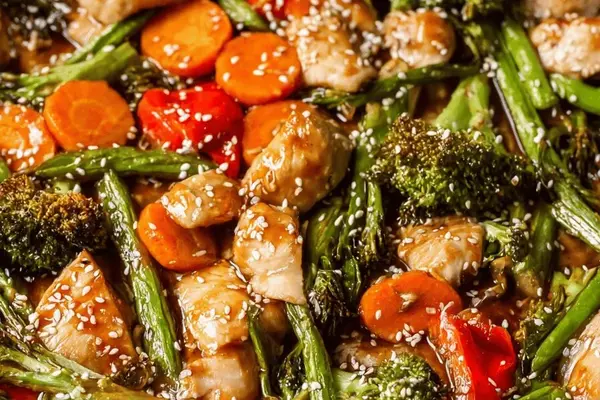
Sheet Pan Sesame Chicken with Broccoli

Chocolate Bacon Toffee Crackers Recipe
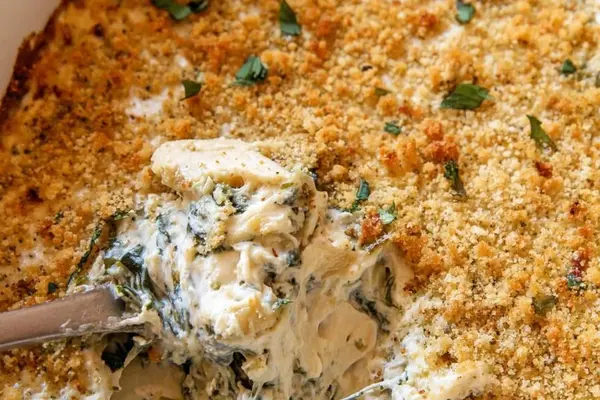
Spinach Artichoke Dip Recipe with Panko Crust
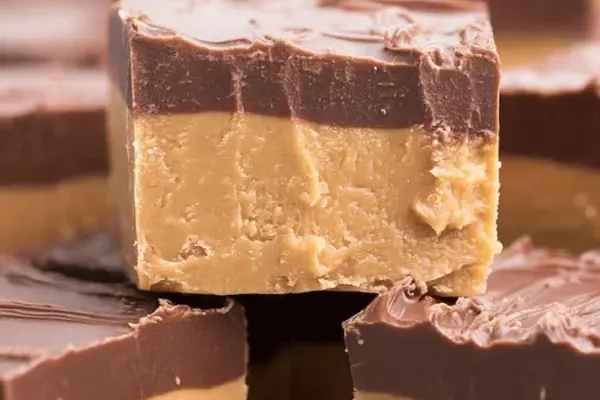
Chunky Peanut Butter Chocolate Fudge

Grilled Shrimp Spring Rolls Salad
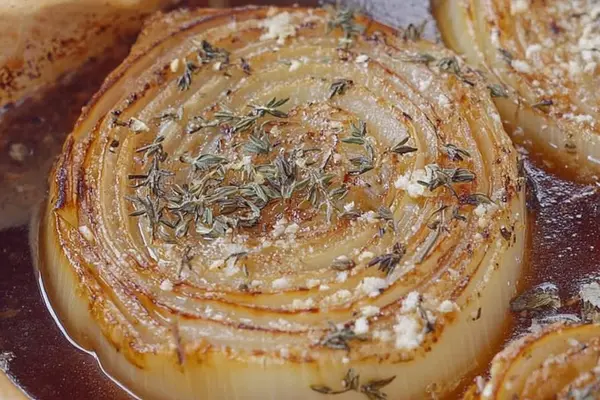
Rustic French Baked Onions with Gruyère

Velveeta Cheese Dip With Chorizo
Slow Cooker Pulled Pork with Garlic & Thyme

Marinated Italian Eggplants with Garlic
Butternut Squash Mac and Cheese Recipe

Herb Butter Toast Cubes with Tarragon

Pumpkin Cake Cheesecake Recipe

Asian Salmon Recipes with Citrus-Soy Marinade
Grilled Beef Sandwiches With Pickled Fennel

Belgian Waffles with Pearl Sugar Crust
Seared Cod with Pesto Couscous & Grapefruit