Apple Jelly Recipe with Lemon and Sugar
By Emma
Certified Culinary Professional
·
Recipe tested & approved
Four kilos of tart apples. Water. Lemon. Heat. That’s it—and somehow you end up with something that glows in the jar like it cost forty dollars at a French market. This is how you make it.
Why You’ll Love This Easy Apple Jelly
Takes under two hours start to finish, which is faster than you’d think for something homemade that tastes this restrained and good. No pectin powder. No guessing. The apples do the work.
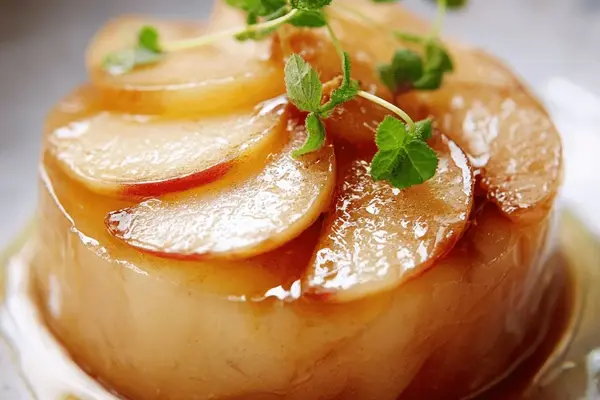
Looks like amber. Tastes bright without being aggressive—tart apple with lemon underneath, cinnamon if you swing that way. Spreads clean on toast or swirled into yogurt without getting thick and sticky the way some jams do.
Makes enough to justify the effort but not so much you’re canning for three days. Also: your kitchen smells incredible while it’s happening.
What You Need for Homemade Apple Jelly
Pommettes. That’s the main thing—small tart apples with thin skins that are basically pectin in fruit form. Haven’t seen them? Granny Smith works. So does a mix of whatever tart apples you find, as long as they’re not the soft eating kind. Those fall apart to nothing.
Cold water. Not hot. Not room temperature. The cold matters for getting the juice clear later.
Fresh lemon juice. Bottled doesn’t work the same way. The acid’s different. You need actual lemon.
Sugar. The amount depends on how much juice comes out of your apples. That sounds weird but it’s true—some years apples are wetter, some drier. You’ll measure it after step two. Usually lands around 1.4 liters, give or take.
One small cinnamon stick if you want it. Not if you don’t. Makes a subtle difference but it’s not essential.
How to Make Homemade Apple Jelly
Quarter the apples. Leave the skin on. Leave the seeds in. Those are where the pectin hides. Don’t peel. Don’t core cleanly. Rough and messy is what you want here.
Dump them in a heavy pot with the water and lemon juice. Cinnamon stick goes in now if you’re using it. Crank the heat and let it come to a rolling boil—not a simmer, an actual boil where the bubbles are sharp and frantic at the surface. Takes maybe 10 minutes depending on your pot.
Once it’s boiling hard, turn it down. Lower the heat so it’s barely at a simmer. Just barely. The surface should ripple but not bubble aggressively. Keep the pot uncovered. Leave it alone for 35 minutes while the apples soften and release everything into the water. The room fills with that tart apple smell. That’s when you know it’s working.
How to Get Clear Tart Apple Jelly from Scratch
This is where patience becomes the actual ingredient. Line a fine mesh strainer with two layers of cheesecloth. Set it over a big bowl. Ladle the hot fruit and liquid into the cloth gently—just pour it in, don’t be rough. Then walk away.
Gravity does the work. Juice drips through. The cloth catches the solids. Do not squeeze it. Do not press. Do not wring out the cheesecloth like you’re frustrated. That cloudiness that people complain about? That’s what happens when you force it. The juice that drips naturally is crystal clear and that’s what makes the difference.
This takes two hours minimum. Sometimes longer. Temperature matters. Cold kitchen, takes longer. You want around 1.9 to 2 liters of clear juice coming through. Have a measuring cup there. When you hit that volume, you’re done waiting.
Measure what you got. For every cup of juice, you’ll need roughly three-quarters cup sugar. If your juice yield was different—say 1.8 liters instead of 2—scale the sugar accordingly. Write it down. Precision here is the difference between jelly and syrup.
Pour the juice and sugar into a clean pot. Medium-high heat. Bring it to a boil. The bubbles change character as it heats—they get bigger, rounder, they pop with a sizzle instead of a fizzle. That’s when you know the sugar’s dissolved and the cooking’s actually happening. Stir occasionally but don’t agitate it constantly. Let it bubble. Skim the foam off the top with a spoon if you want extra clarity. You don’t have to.
Attach a candy thermometer. Make sure it’s not touching the bottom of the pot. Watch the temperature climb. At 104°C (219°F) it’s done. That’s the gel point. Test it with a chilled plate—keep one in your freezer beforehand. Drop a small dollop on the cold plate, tilt the plate, the jelly should wrinkle and not run back down.
If it runs, keep cooking. Check every minute or two. Overcook and it gets stiff and dull and loses that bright taste. Undercook and it never sets. The window is small but not impossible.
Apple Jelly Tips and Mistakes to Avoid
Squeezing the cheesecloth is the number one way this goes wrong. The juice will cloud. You can’t fix it once it’s clouded. Don’t do it.
Cooking it past 104°C happens when you’re not paying attention. Use a thermometer, not guessing. The temp matters more than time or bubble appearance.
If you’re making this slow cooked apple jelly recipe and it doesn’t set after 24 hours, it’s still useful—just not as jelly. Use it as syrup. Pancakes. Yogurt. Stir it into pastry cream. It’s not a failure.
Store it in a cool dark place, not the fridge. The fridge actually slows down the setting process. Room temperature is fine. It lasts months and months.
Apple Jelly Recipe with Lemon and Sugar
Prep:
35 min
Cook:
1h 15min
Total:
1h 50min
Servings:
About 6 jars 250ml
Ingredients
- 4.2 kg quartered tart apple-like pommettes with peel and seeds
- 2.1 liters cold water
- 135 ml fresh lemon juice
- 1.4 liters sugar (adjust based on juice yield)
- 1 small cinnamon stick (optional twist)
Method
- 1 Toss quartered pommettes, water, lemon juice and cinnamon stick in large heavy pot. Bring quickly to rolling boil, bubbles sharp and frantic, top rim forming. Squash gently avoided: skin and seeds intact hold pectin and flavor tight. Lower heat to gentle simmer, uncovered keep the surface rippling, barely a bubble breaking surface. Cook 35 minutes, soft fruit releasing, perfume clear and tart.
- 2 Line fine mesh strainer thickly with double layers of cotton cheesecloth tightly woven, dunk set over large bowl—gravity is your friend here. Gently ladle fruit slurry into cheesecloth. Do not press or squeeze the fruit or you’ll cloud and muddy your precious juice. Let juice drip freely. Patience pays; this takes 2 hours or slightly longer depending on juice yield and temperature. You want around 1.9 to 2 liters clear juice.
- 3 Take measured juice and adjust sugar accordingly. Use 3/4 cup sugar per cup juice roughly. If juice differs, scale sugar precisely or jelly will fail. Measure carefully — yield may swing with season and fruit ripeness.
- 4 Clean pot again. Pour juice and sugar in. Bring to boil medium-high heat. Attach candy thermometer in center without touching pan bottom. Watch bubbles change character: from restless to large rolling ones that pop crisply with sizzling sound. Stir occasionally but don’t agitate too much. Skim foam and impurities off top for clarity.
- 5 Cook until 104 °C (219 °F) hits on thermometer. This point signals gel-set. Test with chilled plate (put plate in freezer beforehand): drop a dollop, tilt, it should wrinkle and not run. If not, keep simmering and test often. Overcook and jelly gets stiff and dull.
- 6 Ladle hot jelly quickly into pre-sterilized canning jars. Remove air bubbles with thin spatula. Seal tightly. Let jars cool undisturbed. Store in cool dark place. Jelly will clear as it sets, hue pale amber with subtle cinnamon notes if used.
- 7 If jelly seems soft after 24h, reboil with extra sugar or use as syrup on pancakes or yogurt.
Nutritional information
Calories
180
Protein
0.1g
Carbs
47g
Fat
0g
Frequently Asked Questions About Apple Jelly with Lemon
Can I use regular apples instead of pommettes? Yeah. Granny Smith. Pink Lady. Something tart that holds its structure. The soft eating apples just dissolve into mush and don’t have enough pectin. You want apples that would actually taste good to eat fresh, just the sour kind.
What if I don’t have a candy thermometer? The cold plate test works. It’s the most reliable way anyway. Thermometer’s just faster.
Why does the juice need two hours to drip if I could squeeze it? Because clarity. Squeezed juice is cloudy. Dripped juice is transparent. Transparent jelly looks better and tastes like it’s worth the effort.
Can I make this without the cinnamon? Absolutely. The cinnamon’s subtle. Some batches I skip it. Tastes just as good.
What if my pommettes jelly with lemon juice won’t set? Temperature probably didn’t hit 104°C. Or the apples were really wet that year and needed more sugar. Or both. Next time check the thermometer more often and weigh the sugar against juice volume precisely. If it’s already made and soft, just use it on something. Not wasted.
How long does homemade jelly keep? Months. Cool dark place. Once you open it, refrigerate it. Stays good for a couple weeks after opening before mold shows up, but honestly it’s gone by then.
Can I double this recipe? Sure. Use twice everything. The cooking times stay roughly the same because the pot’s just hotter and fuller. Watch the thermometer. Don’t trust time alone.
You’ll Love These Too
Explore all →
Pumpkin For Pie Cake with Pudding
Grilled Vegetable Salad with Chimichurri
Celery Pimento Cheese Bites: Easy No-Bake
Pan Seared Tilapia with Warm Grapefruit Sauce
Pork Medallions with Tangerine Glaze

Egg White Stiff Peak Soufflé Omelette
Beef Pasta with Chipotle, Corn & Cheddar
Chocolate Swirl Babka with Espresso
Cherry Citrus Punch with Moscato & Rum
Green Juice with Kiwi, Orange & Kale
Lemon Drop Martini with Lemon Vodka
Classic Deviled Eggs Remix with Dijon

Shrimp in Coconut Curry with Eggplant
Soft Peanut Butter Cookies with Almond Extract
Thanksgiving Turkey Breast Roast with Pineapple
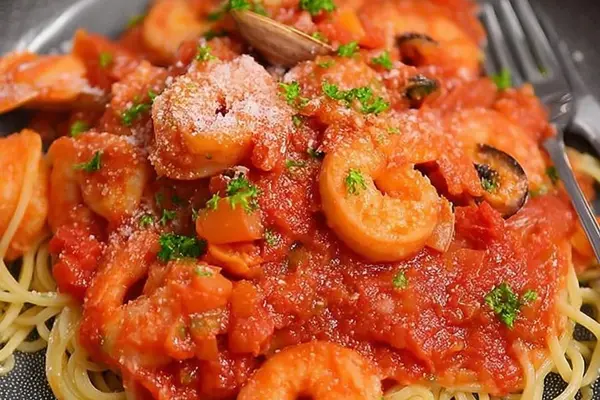
Spicy Seafood Pasta with Crushed Tomatoes
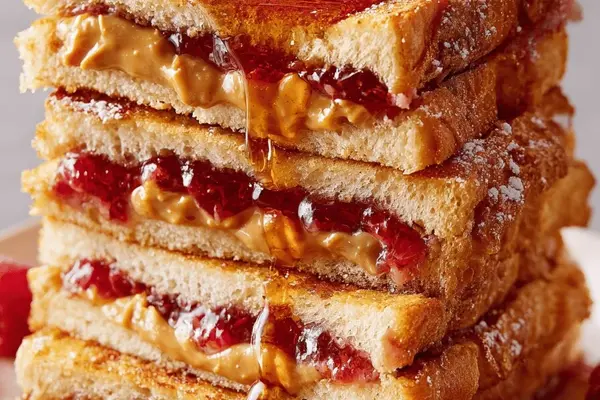
Peanut Butter Jam French Toast Sandwiches
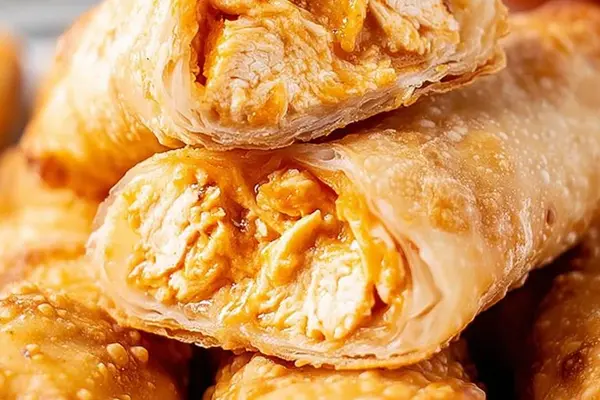
Buffalo Wing Egg Rolls with Cheddar
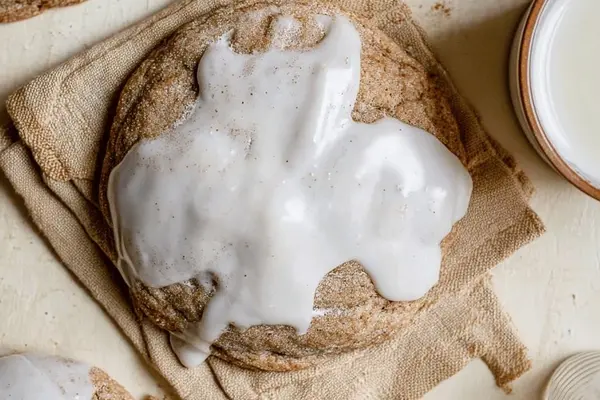
Ginger Cookies Recipe with Chai Spice