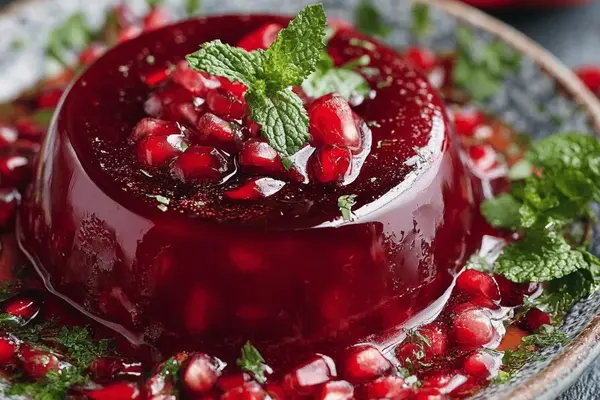
Pomegranate Ginger Jelly with Agar-Agar
By Emma
Certified Culinary Professional
·
Recipe tested & approved
Strain the juice first—no pulp. That’s the whole thing. Gritty ruins it, and you can’t fix it after. Six pomegranates, maybe seven. Press them through a fine mesh, get every drop. Ginger goes in grated, not minced. Fresh. The difference matters.
Why You’ll Love This Pomegranate Ginger Jelly
No oven. No baking. Just a pot and 17 minutes of actual heat. Works vegan without any weird substitutes or things you’ve never heard of—agar-agar is it, and it sets better than gelatin ever did. Tastes bright. Ginger and lime keep it from going sweet-heavy, which is usually the problem with jelly. Lasts three weeks in the fridge. Longer if you freeze it, though the texture gets a little loose. Makes enough to give away. Four small jars from one batch.
What You Need for Pomegranate Jelly with Fresh Ginger
Fresh pomegranate juice—extracted yourself, not from a bottle. The bottled stuff is already oxidized and flat. You need 630 ml. That’s two and two-thirds cups. Count on six to seven large pomegranates.
Agar-agar powder. One packet, nine grams. Not gelatin. Not the same thing. Agar-agar sets firmer, doesn’t get jiggly, and it’s vegan.
Ginger root. Fresh. One tablespoon grated. Don’t buy it pre-minced.
Maple syrup. Pure. 250 ml. That’s one cup. Dark or light doesn’t matter much—it’s not the star.
Lime juice. Fresh. Fifteen milliliters. One tablespoon. Bottled won’t work the same way.
Salt’s not listed but you’re thinking about it. Don’t. Doesn’t need it.
How to Make Pomegranate Jelly with Agar-Agar
Strain everything first. Get a fine mesh strainer and pour the pomegranate juice through it slowly. Push the seeds around a little but don’t smash—you’re not looking for every last drop of color, just the clean juice. Any bits stay in there and it’s grainy when it sets. Tastes fine, looks rough.
Grate the ginger while the juice drains. Zest it more than you think you need to. Just kidding—zest less. You want it to show up but not take over. Half a tablespoon is usually enough. Ginger’s aggressive.
Pour the pomegranate juice into a medium saucepan. Add the grated ginger and agar-agar powder right into the cold liquid. Stir it hard—agar-agar clumps if you don’t break it up. The powder should distribute evenly. It won’t dissolve yet. That comes with heat.
Set the heat to medium. Stir constantly. This is not optional. Agar settles fast and burns if you’re not moving it around. After maybe three minutes, it starts to bubble. The surface gets foamy. That’s agar starting to work. Keep going.
Watch it thicken as it heats. It won’t look like much at first—just bubbling juice with foam on top. Then the bubbles pop and resurface faster. The texture changes underneath. That’s when you know it’s working. The whole mixture gets sticky. Heavy. Still liquid but heading somewhere.
How to Get Pomegranate Jelly Perfectly Set
Once it’s at a full boil—actual rolling boil, not a simmer—add the maple syrup and lime juice. Do it quick. Fold them in with a few hard strokes of the spoon. The lime hits immediately. You’ll smell it. The sweetness from the maple softens right after.
Keep stirring. Constant. Twelve minutes from this point. The agar needs those minutes to fully gel. Without them it stays loose. Too long and it tastes cooked, which is not what you want.
The spoon test works. Dip a spoon in, let a drop fall onto a cold plate. Wait three seconds. Push it with your finger. If it wrinkles and holds, you’re done. If it spreads back smooth, keep going. You’re looking for that thick syrup texture—clings to the spoon like it might not let go.
Stop when you hit that point. Don’t push further. Remove the pan from heat immediately. Skim off the foam on top with a spoon. There’s usually a thin layer. Gets it cleaner.
Let it cool for maybe two minutes. Still warm enough to pour easily but it shouldn’t steam. Pour into sterilized jars. Use small ones—125 ml each works well. Fill them almost to the top but leave a tiny bit of room.
Jelly sets in the fridge. About four to five hours if you’re checking constantly. By then it’s firm enough to hold a spoon in it, jiggles slightly, stays in shape on bread. Not rubbery. Semi-soft.
Pomegranate Ginger Jelly Tips and Storage
Fresh ginger every time. Dried doesn’t work. The flavor’s totally different.
You’ll probably make this twice before you stop second-guessing the agar-agar. It does set. It’s not gelatin. That’s actually better.
Store in the fridge. Three weeks easy. After that the flavor starts to fade, the color gets duller. Not bad, just less bright.
Freeze it if you want longer storage. It works. The texture loosens a little when thawed—slightly softer, less jiggly—but the flavor stays sharp. Better than nothing if you made a bunch and need the space.
Bottles matter. Use glass jars with proper lids. Plastic sweats and the jelly gets odd.
That foam you skimmed off. Don’t save it. Don’t mix it back in. Just toss it.
Pomegranate Ginger Jelly with Agar-Agar
Prep:
25 min
Cook:
17 min
Total:
42 min
Servings:
5 servings
Ingredients
- 630 ml (2 2/3 cups) fresh pomegranate juice (6 to 7 large pomegranates, extract by pressing seeds in a fine mesh)
- 1 tbsp freshly grated ginger root
- 1 pkg (9 g) agar-agar powder
- 250 ml (1 cup) pure maple syrup
- 15 ml (1 tbsp) fresh lime juice
Method
- 1 First, strain juice carefully; no pulp or bits—gritty jelly ruins the finish. Take fresh ginger, zest and finely grate just enough to hit the palate without overpowering.
- 2 Combine pomegranate juice, grated ginger, and agar-agar powder in a medium saucepan. Stir briskly over medium heat. The mix starts to bubble and foam; watch for it to thicken but don’t rush—agar works differently from pectin. Should froth lightly, turning sticky as the bubbles pop and resurface faster.
- 3 Once boiling, add the maple syrup and lime juice, fold quickly. The tangy lime brightens, balancing earthiness of maple. Let simmer for about 12 minutes, constant stirring to keep agar from settling.
- 4 Stop exactly when it clings to the spoon like thick syrup but doesn’t scorch. Remove from heat, skim off any foam. Let cool slightly—warm enough to pour but no longer boiling hot.
- 5 Pour immediately into sterilized jars (approx 125 ml each). Touch top to check set in 4–5 hours fridge time instead of overnight. Jelly firms to semi-soft but holds shape well.
- 6 Store in fridge up to 3 weeks. Freeze if longer storage required; texture loosens slightly but flavor remains bright.
- 7 Serve slapped onto crusty bread, spooned alongside sharp cheese, or glazed over roasted veggies.
Nutritional information
Calories
68
Protein
0g
Carbs
17g
Fat
0g
Frequently Asked Questions About Vegan Pomegranate Jelly
Can I use bottled pomegranate juice? You can. It won’t be as good. Bottled’s already oxidized and tastes flat. Fresh is worth the work.
What if I don’t have agar-agar? Then this isn’t happening. Gelatin works differently and you’ll end up with something jiggly and wrong. Agar-agar’s the whole point.
How do I get pomegranate juice without a mess? Press the seeds through a fine mesh strainer. Roll them gently under a wooden spoon. Don’t smash. You’re not trying to pulverize—just extract juice. Takes longer, stays cleaner.
Does the ginger amount ever change? Not really. One tablespoon grated. Maybe less if you hate ginger. You can’t take it out once it’s in, so start low.
Can I make this ahead? Yeah. It actually tastes better the next day. The flavors flatten out slightly and blend together. Set it, cover it with plastic wrap so it doesn’t get weird smells in the fridge, and it’s good for three weeks.
Why is the lime juice necessary? Cuts the sweetness. Pomegranate and maple together get heavy without it. Lime and lime acid both matter.
You’ll Love These Too
Explore all →
Thanksgiving Turkey Breast Roast with Pineapple
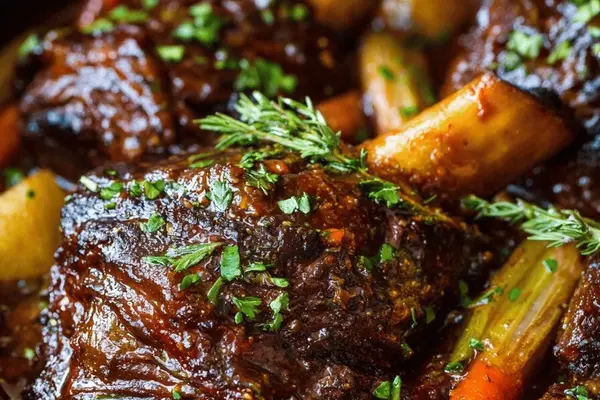
Glazed Lamb Shanks with Buckwheat Honey
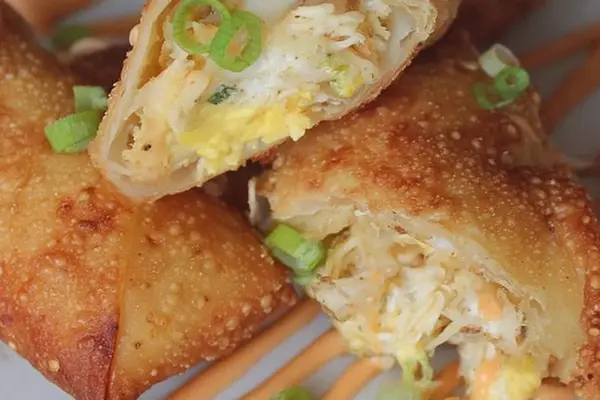
Crab Cake Egg Rolls with Sriracha Aioli
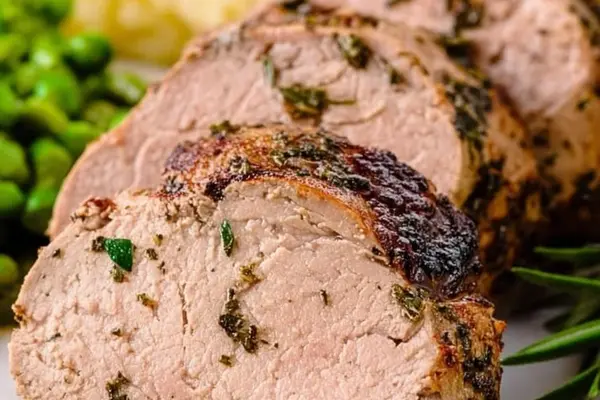
Herbed Butter Pork Tenderloin Recipe
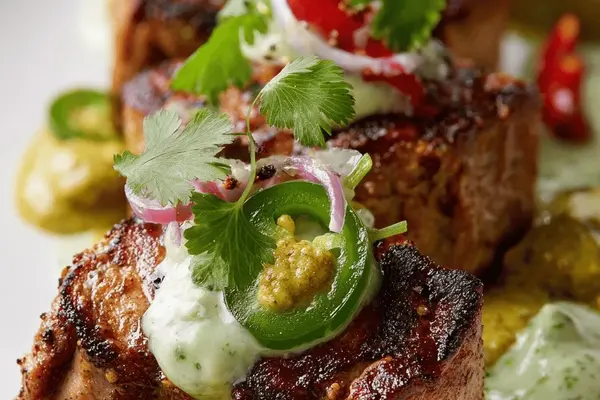
Roasted Pork Filets with Cashew Curry Sauce
Cheesy Veggie Beef Bake with Onion Rings

Hot Apple Cider with Cinnamon & Rosemary
Bundt Cake Pumpkin with Maple Whiskey
Gingerbread-Spiced Truffles with Bourbon
Spinach & Artichoke Dip with Honey Mustard
Cilantro Lime Pasta Salad with Citrus Gremolata
Meatball for Spaghetti Recipe with Italian Sausage
Braised Beef with Peppers and Cherry Tomatoes
Ground Turkey Breakfast Burritos
Simple Fudge Recipe with Condensed Milk
Oatmeal Peanut Butter Balls Recipe
Beef Mac Skillet with Cheddar & Tomatoes
Chocolate Cake House with Cream Cheese Frosting
Chicken Roulades with White Wine Butter Sauce