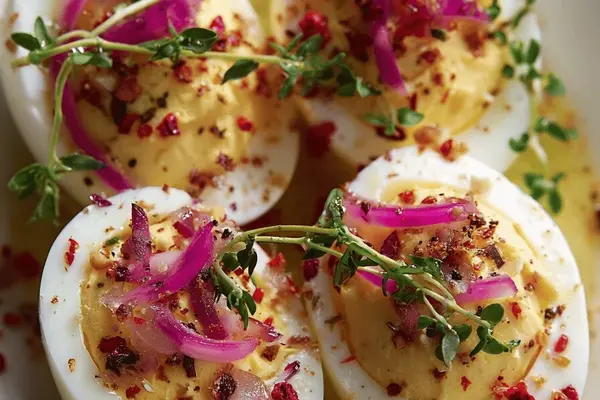
Pickled Eggs With Shallots & Pink Peppercorns
By Emma
Certified Culinary Professional
·
Recipe tested & approved
Pickled eggs steeped in cider vinegar with sliced shallots, pink peppercorns, and fresh thyme. Tangy, spiced, and herbaceous. Ready in days, keeps four weeks.
Prep:
12 min
Cook:
6 min
Total:
P3DT12M
Servings:
6 servings
Poke holes in the eggs first—stops them from cracking when the hot brine hits. Then slide them into a jar with thin shallot slices. The brine goes in boiling. Wait 72 hours. That’s it.
Why You’ll Love This Pickled Eggs Recipe
Takes 12 minutes to prep, then the fridge does the work. No cooking skills needed—just boiling water and a jar.
Works as an appetizer straight from the fridge, or chop them into salads, top a charcuterie board, toss into grain bowls. Tastes good cold, stays good for a month.
The shallots soften into something almost sweet. Pink peppercorns crack between your teeth—not spicy, just interesting. Cider vinegar instead of white vinegar means it doesn’t taste harsh.
Vegetarian. Gluten-free. Lasts longer than most condiments. Make a batch Sunday, eat them all week.
Hard Boiled Eggs With Pickled Shallots and Cider Vinegar
Cider vinegar—not white vinegar, way less aggressive. About 120 ml. Water, same amount. Sugar takes the edge off. Just under a teaspoon. Cracked pink peppercorns. A few. Coarse sea salt. A small pinch. Two shallots sliced thin—almost see-through thin. Thyme sprig. One. Fresh, not dried.
The eggs come first. Six of them, hard boiled and peeled. Peel them tight. Any white bits left behind get weird in the brine.
Glass jar or ceramic. Nothing metal—acid eats through it. Should hold around 700 to 800 ml. Wide mouth makes it easier to get them out later.
How to Make Pickled Eggs With Shallots
Boil the eggs first if you haven’t. Cool them. Peel them carefully. Now comes the part nobody mentions—poke tiny holes with a pin. Sounds strange. Prevents air pockets from expanding when the hot brine hits, which stops cracking and keeps them fresher longer.
Slice the shallots. Thin. Like paper-thin. They’re going raw into the jar, and they’ll stay that way until you eat them, so they need to be thin enough to matter.
Put the eggs and shallots in the jar. Not packed. Just sitting in there.
Getting Pickled Eggs and Shallots Right
Heat the cider vinegar, water, sugar, salt, peppercorns, and thyme together. Let it boil hard. A few minutes. Just boiling.
Pour it over the eggs carefully. It’ll bubble when it hits. That’s normal. Let the jar sit on the counter until it cools enough to touch—maybe 15 minutes. Don’t move it around.
Screw the lid on once it stops steaming. Refrigerate. Now wait. 72 hours minimum. Three days. The eggs are still white inside at 24 hours. At 48 they start turning. At 72 they taste like something. The flavor goes deep. The edges get chewy in a way that’s kind of addictive.
Pickled Eggs Tips and Common Mistakes
Remove the thyme sprig after two weeks if you’re keeping them longer. Herbs lose their bright taste and can start to discolor the brine. Everything else keeps fine.
Check them once a week. Discoloration, cloudy brine, weird smell—throw them out. Four weeks in the fridge is the limit. Haven’t had them spoil yet, but don’t push it.
Slice them diagonal when you serve them. Looks better. Serve cold. With crusty bread if you want, or just eat them straight.
The jar needs to be genuinely wide-mouth. Regular jars make it a pain to fish them out without breaking them. Wide-mouth saves everything.
Pickled Eggs With Shallots & Pink Peppercorns
Prep:
12 min
Cook:
6 min
Total:
P3DT12M
Servings:
6 servings
Ingredients
- 6 hard boiled eggs peeled tightly (see note)
- 120 ml cider vinegar almost half cup
- 120 ml water nearly half cup
- 4 ml sugar about 3/4 teaspoon
- 4 ml cracked pink peppercorns lightly crushed
- 3 ml coarse sea salt just over half teaspoon
- 2 small shallots sliced very thin into quarters
- 1 sprig fresh thyme
Method
- 1 Start by poking any air pockets in peeled eggs with a pin—prevents spoilage and stops cracking once brined.
- 2 Place eggs snugly inside a wide mouth glass jar or ceramic container that holds around 700 ml to 800 ml capacity; avoid metal—acid reacts.
- 3 In a small saucepan, combine cider vinegar, water, sugar, pink peppercorns, salt, and the fresh thyme sprig; bring to a rolling boil.
- 4 Pour the boiling liquid carefully over the eggs and shallots—should bubble as it hits but not overflow.
- 5 Let jar stand at room temperature just until cool enough to cover—usually 15 minutes. Don’t rush; hot jar could weaken seals or crack glass.
- 6 Seal tightly, refrigerate immediately after cooling.
- 7 Wait at least 72 hours before tasting—eggs absorb flavors slowly, texture changes subtly; a bit chewy on edges.
- 8 Good for up to 4 weeks cold, but observe for any discoloration or odd smells—never compromise safety.
- 9 Remove thyme sprig if you want to keep eggs longer, as herbs lose freshness and can discolor brine.
- 10 Slice on diagonal for best presentation, serve chilled with crusty bread or crudités.
Nutritional information
Calories
75
Protein
6g
Carbs
1.5g
Fat
5g
Frequently Asked Questions About Pickled Eggs With Shallots
Do I have to use cider vinegar? White vinegar works. Tastes sharper. Apple cider vinegar is sweeter. Rice vinegar too if you want something lighter. Distilled white is fine, just—it’s harsher.
Can I eat them after 48 hours instead of 72? Sure. They’ll be milder. Less flavor. 72 hours is when they actually taste like something. Worth waiting.
Why poke holes in the eggs? Air pockets expand when the brine heats up, they crack the egg. Poke them with a pin and that doesn’t happen. Also keeps them fresher.
How do I store them? Jar in the fridge. Sealed tight. Four weeks, maybe five if they look fine. Once you open the jar and start eating them, they’re fine for another two weeks after that.
Can I use this brine for hard boiled eggs I buy already cooked? Yeah. Just peel them tight and poke the holes first. Same wait time. Same result.
Are pickled eggs with shallots good for meal prep? Perfect for it. Make a batch once a week. Chop them into salads, put them on a grain bowl, eat them as a snack. They last long enough that you’ll actually finish them.
You’ll Love These Too
Explore all →
Homemade Self-Rising Flour Blend Recipe
Mini Crab Sliders with Sriracha Mayo
Dark Chocolate Ganache with Coconut Cream

Cheese & Sausage Dip with Corn
Wild Mushroom Risotto Mix in a Jar
Turkey Cheddar Panini with Garlic Herb Butter
Cream Corn Dish Recipe with Jalapeño

Rustic Pici Pasta with Spelt & Chickpea Flour

Sausage Shrimp Jambalaya Recipe One Pot
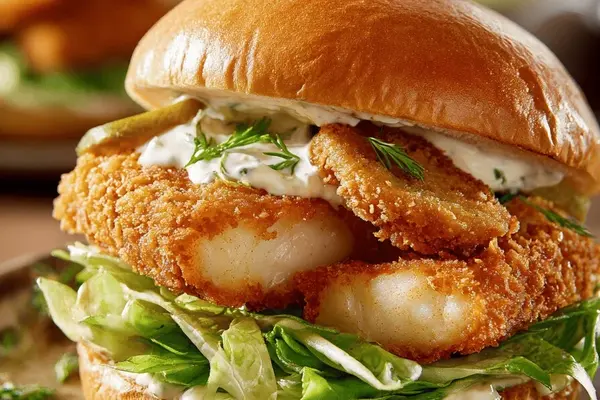
Crispy Cod Burger with Wasabi Mayo & Fried Pickles
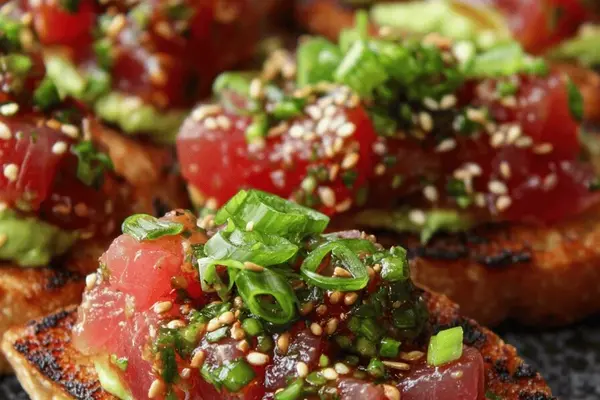
Avocado Chocolate Mousse with Tuna Tartare

Fluffy Omelette with Ricotta Salata
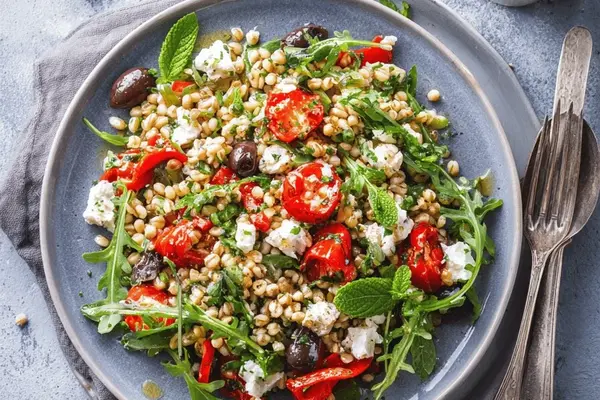
Barley Salad with Roasted Peppers and Feta
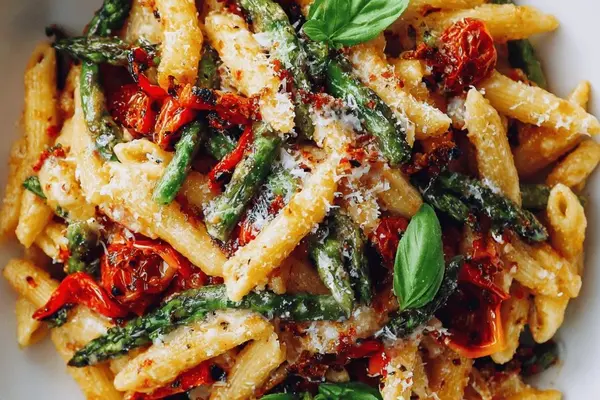
Pasta with Roasted Peppers and Asparagus

Brown Butter Chocolate Chip Cookies

Philly Cheesesteak Egg Rolls Recipe

Rice Noodle Salad with Tahini, Tofu & Mango
Caprese Salad with Tomatoes and Fresh Tarragon

Parsnip Dish with Roasted Root Vegetables