Pear Upside-Down Spice Cake Recipe
By Emma
Certified Culinary Professional
·
Recipe tested & approved
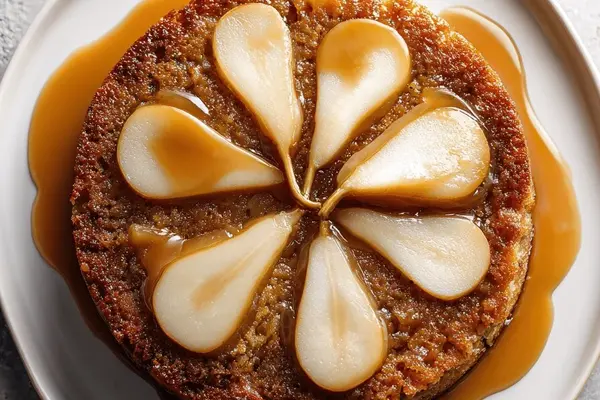
Caramel goes dark—really dark—before you realize it. Pull the pan off heat the second you smell it, that sweet-burnt edge smell. Pears go on next, skin down, crowded tight enough they don’t move when the batter pours in. The whole thing inverts warm, caramel still sticky and pears collapsing soft under their own weight. Spice cake with pears isn’t complicated but it’s the kind of thing where one wrong move—too much heat on the caramel, too much stirring in the batter—changes everything.
Why You’ll Love This Pear Upside-Down Cake
Takes 90 minutes total but feels like you’re doing something fancy. Caramel pear cake with cinnamon and ginger that tastes like it took half the day but didn’t.
The spice stays subtle. Not aggressive. Cinnamon and ginger just whisper underneath the sweetness, barely there until the second you swallow.
Buttermilk spice cake crumb is tender, moist, doesn’t dry out. Not dense either. Actual air in it, which is the opposite of what upside-down cakes usually do.
Works warm or cold. Reheats fine. Leftovers actually taste better the next day when the spices settle in.
The pears get tender without turning to mush—still hold their shape, still look intentional on the plate.
What You Need for Pear Upside-Down Cake
Five medium pears. Firm ones. Softness in the store means mushy when baked. Peel them, halve them, scoop the core out.
Coconut sugar. Not brown sugar. The flavor’s different—deeper, almost molasses-like without the molasses. Thirty grams for the caramel, and the rest mixed into the batter.
Extra virgin olive oil. Cold pressed if you can find it. The fruity kind. Adds something you can’t name but you’ll taste it.
All-purpose flour, sifted. Aeration matters here. Skip the sifter and the crumb gets tight.
Three eggs, room temperature. Cold eggs don’t emulsify clean into the oil.
Buttermilk or yogurt. Either works. The acid helps the crumb stay tender. Yogurt makes it slightly denser—not bad, just different.
Cinnamon, ginger, baking powder, baking soda, salt. The cinnamon is heaping. The ginger is half that. Star anise goes in the caramel—ground star anise, not the whole pod. Half a lemon for juice.
How to Make Pear Upside-Down Cake
Heat oven to 175°C fan forced. Butter your ramekins or cake pan so the caramel doesn’t cement everything to the sides. Olive oil slick causes it to stick worse than butter somehow.
Make the caramel first. Heavy pan. In it goes coconut sugar, star anise, lemon juice, 60 milliliters of water. Medium heat. Don’t touch it—just watch. It bubbles pale at first, then starts going amber around the edges. Five to seven minutes and it’s dark gold. That’s when you smell it. The second you catch that burnt-sweet smell, pull it off heat. It darkens more even off the heat. One second too long and it tastes like ash.
Pour the caramel into the bottom of your pan or ramekins while it’s still liquid. Don’t wait. It hardens fast.
Arrange pears on top. Cut side down. Skin up. Crowd them. They’ll shrink during baking and you don’t want gaps showing the cake underneath. But crowding means steam traps underneath and ruins the caramel crunch—so crowded but not stacked. There’s a line.
How to Get the Crumb Right on Pear Spice Cake
Dry ingredients go together: flour, cinnamon, ginger, salt, baking soda, baking powder. Whisk them light. You’re trying to aerate the flour, not just combine it.
Separate bowl. Eggs and olive oil. Whisk them hard until they’re emulsified, almost thick. Add the rest of the coconut sugar bit by bit while whisking. You want some grainy texture left—that affects the final crumb. Buttermilk goes in last.
Fold the dry stuff into the wet gently but thoroughly. Not gently so much that you’re timid about it. Fold until you don’t see streaks of flour. That’s it. Stop. Overmix makes the gluten develop and the cake gets tough.
The batter’s thick. Lumpy is fine. Thick is what you want.
Pour it slowly over the pears. Tap the pan on the counter a few times. The batter seeps into spaces between pears. Smooth the top with a palette knife if it matters to you. It doesn’t, really.
Bake 60 to 70 minutes. Check at 60. The edges should be golden-brown. The cake should spring back when you press it gently in the center but still feel slightly soft. Stick a skewer in—if crumbs cling but no raw batter comes out, it’s done. Ovens vary. Trust color more than time.
Let it sit 15 minutes after you pull it out. Still warm. Loosely covered with a tea towel. Don’t skip this. Hot caramel is still soft and sticks to everything. Warm caramel releases clean.
Invert onto a plate while it’s still warm. The pears should face up, caramel clinging to them. Sometimes it releases clean. Sometimes you need to run a hot knife around the edge, or give it a gentle shake. If it’s really stuck, a quick knife slide between cake and pan before flipping helps.
Pear Upside-Down Cake Tips and Common Mistakes
Watch the caramel constantly. Once it burns, you start over. There’s no fix for burnt caramel except throwing it out and doing it again. The line between rich amber and burnt is maybe 30 seconds.
Coconut sugar caramel is darker than regular sugar caramel. If you want something lighter, use half brown sugar and half coconut. The cake crumb will be lighter too.
Olive oil choice matters a tiny bit. Fruity cold-pressed olive oil brings something subtle to the cake. You don’t taste “olive” but you taste something warm and slightly fruity underneath. If you use regular olive oil or prefer butter, melt the butter and cool it first. Just know that butter makes the crumb heavier.
The pears need to be firm or they’ll turn to paste. Underripe is better than ripe here.
Don’t skip the lemon juice in the caramel. It doesn’t taste like lemon. It just makes the caramel taste sharper, more complex somehow.
Room temperature eggs emulsify cleaner. Cold eggs take longer to break down into the oil and you risk overmixing.
Leftover cake keeps wrapped in the fridge up to two days. Warm it gently in a low oven or 20 seconds in the microwave. Cold it’s fine. Warm it’s better.
Pear Upside-Down Spice Cake Recipe
Prep:
25 min
Cook:
65 min
Total:
90 min
Servings:
8 small portions
Ingredients
- 5 firm pears medium size peeled cored halved
- 150 grams coconut sugar packed
- 80 milliliters extra virgin olive oil
- 180 grams all purpose flour sifted
- 3 large eggs room temperature
- 120 milliliters buttermilk or plain yogurt as substitute
- 1 teaspoon ground cinnamon heaping
- ½ teaspoon ground ginger
- 1 teaspoon baking powder
- ½ teaspoon baking soda
- Pinch salt
- ½ teaspoon star anise ground mix into caramel
- Juice half lemon
Method
- 1 Preheat oven to 175°C fan forced or 350°F conventional. Butter individual ramekins well to avoid sticking. In my experience, oil slick can cause caramel slip. Protect edges.
- 2 Make the caramel. In heavy pan put coconut sugar, star anise, lemon juice and 60ml water. Medium heat; watch closely. Bubbles darken from pale amber to rich tawny in 5-7 minutes. Smell it. Watch for slightest burn smell; pull off heat quick before bitter starts. Caramel thickens and darkens fast. Pour evenly into ramekins bottom.
- 3 Arrange pear halves skin side down on caramel. Fit them snug, crowd the pan. Pears will shrink; no gaps. Don’t crowd too much or steam forms, spoils caramel crunch.
- 4 Mix dry: flour, cinnamon, ginger, salt, baking soda, powder. Whisk lightly, aerate. Separate bowl: eggs, olive oil, buttermilk. Whisk vigorous to emulsify. Add sugar last bit by bit retaining some grainy crunch hints. Sugar texture matters for crumb.
- 5 Fold dry ingredients into wet gently but thoroughly. Batter thick, lumpy but smooth. Overmix bleeds gluten—cake tough. Expect lumpy batter; it bakes out.
- 6 Pour batter slowly over pears. Tap pan on bench to remove air bubbles; batter seeps into pear gaps. Smooth surface with palette knife.
- 7 Bake 60-70 minutes. Edges brown, cake puffy, center springs back softly when poked. Test with skewer; moist crumbs cling but no raw batter. Oven temps vary; watch color more than timing.
- 8 Remove carefully; wait 15 minutes loosely covered with tea towel. Too hot and caramel sticks to ramekins like glued.
- 9 Invert each onto plate while still warm, caramel-pears facing up. A little shake nudges release. If stuck, run knife gently around edges. For safer release, run quick hot knife slice between cake and pan before flipping.
- 10 Serve warm or room temperature. Texture is moist, tender, punctuated by chewy caramel bits. Pears soft but hold shape, lightly sticky and sweet with spice background. Can add dollop creme fraiche or whipped coconut cream to tame sweetness.
- 11 Leftovers keep wrapped in fridge up to 2 days. Reheat gently in low oven or microwave 20 seconds to revive softness.
- 12 Variations: swap star anise for cardamom whole pods; add chopped walnuts or pecans for crunch embedded in batter. Swap pears for apples or quince but adjust caramel time—harder fruit requires longer softening.
- 13 Watch caramel like a hawk. Once burnt, no fix; start again. Using coconut sugar darkens both caramel and cake crumb; if you prefer golden tone, half brown sugar half coconut fine.
- 14 Olive oil choice impacts aroma subtly—go fruity cold pressed. If butter preferred, melt and cool but risk heavier crumb.
Nutritional information
Calories
280
Protein
4g
Carbs
38g
Fat
12g
Frequently Asked Questions About Pear Upside-Down Cake
Can I use a regular cake pan instead of ramekins? Yeah. A 9-inch round or 8-inch square works fine. Just make sure it’s buttered well. The baking time stays the same—60 to 70 minutes. Inversion gets trickier with a regular pan because it’s bigger and heavier, but run a knife around the edges first and it usually comes loose.
What if the caramel burns? Throw it out. Start over. There’s no saving burnt caramel. It tastes acrid and no amount of other flavor fixes it. The good news is it only takes 7 minutes to make a new batch, so you haven’t lost much.
Can I make this with apples instead? Apples work. Quince works too. Just know they’re harder than pears so the caramel under them needs longer—maybe an extra 10 minutes baked—to soften them through. Apples are quicker than quince. The cake on top bakes the same. Check the fruit for doneness with a fork, not just the cake.
Why does my caramel stick to the pan when I invert? It needs to cool slightly but not completely. Warm caramel is soft and releases. Room temperature it’s hard and glues itself to everything. Also make sure the pan bottom is buttered heavily—oil slick helps it slide.
Can I swap the star anise for something else? Cardamom whole pods, crushed. Nutmeg. Just adjust amounts because they’re stronger than star anise—start with half and taste the cooled caramel before baking. Some people swap in nothing and it’s still good. The caramel just tastes simpler.
What if I don’t have buttermilk? Plain yogurt is a straight swap. Or make a substitute—milk with a squeeze of lemon juice, let it sit 5 minutes. The acid content is what matters. The cake will be slightly less tender but still good.
Can I add nuts to the batter? Chopped walnuts or pecans work. Add them after folding in the dry ingredients. Just don’t overmix when you fold them in or the batter gets tough. They add crunch and a slight bitter note that plays against the caramel.
You’ll Love These Too
Explore all →
Strawberry Short Cake with Pretzel Crust
Cheesecake Chocolate Chip Cookies
How to Make Boiled Peanuts in Pressure Cooker
Roasted Carrots with Ricotta and Lemon
Fattoush Salad with Green Lentils
Cheese & Sausage Dip with Corn
Raspberry Lemon Jam Tart with Coconut Cream
Italian Meat Sauce with Beef and Sausage
Lemon Dill Salmon - Easy Oven Baked

Negroni Colada Mix with Aperol & Coconut Milk
Cinnamon Whisky Shot with Cream Soda
Recipe For Bean Salad With Wild Rice
Slow Braised Lamb Leg with Thyme & Sherry
Crispy Oven Bacon Recipe with Maple Glaze
Pear Chocolate Cake with Dark Chocolate Mousse
Grilled Lamb Chops with Honey Mustard Glaze
Banana Pudding Pie with Nilla Wafers
Caprese Appetizers with Burrata & Artichokes
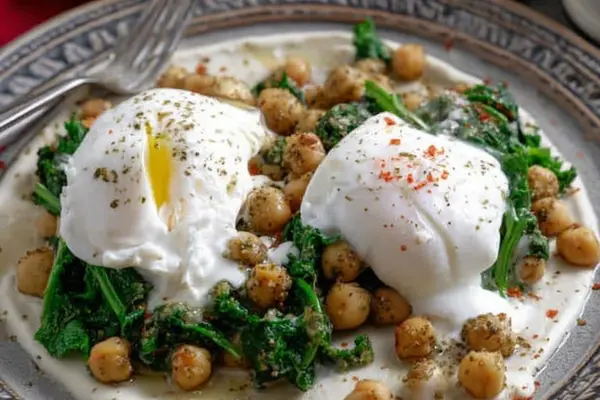
Poaching Eggs Recipe with Za'atar Chickpeas