Peach Pizza with Gorgonzola and Arugula
By Emma
Certified Culinary Professional
·
Recipe tested & approved
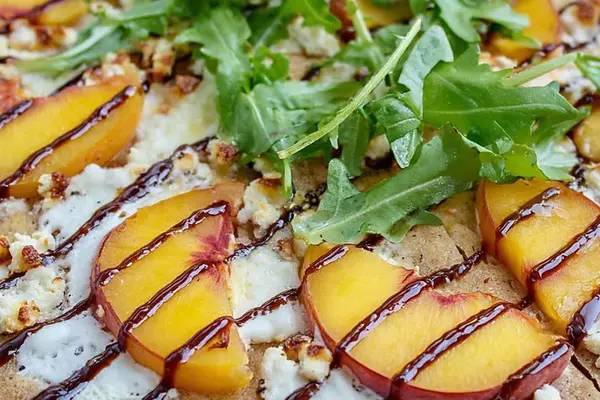
Stretch the dough thin—like really thin, 1/8 inch. Brush with olive oil. The cheese goes down first, then peaches. Fifteen minutes and you’ve got something that shouldn’t work but does.
Why You’ll Love This Peach Pizza
Twelve minutes to prep. Sixteen in the oven. Done before you’re bored.
The cheese contrast is insane—creamy mozzarella, then Gorgonzola that actually tastes like something. Not just salty. Sharp and weird in the best way.
Peaches on pizza sounds wrong until you taste it. Caramelizes just enough. The balsamic hits after and it all clicks.
Grilling situation? Works on a hot stone or sheet. Either way the bottom gets crispy. The arugula stays cold on top, which matters.
Italian flavors but nothing fancy. Shallots, cheese, fruit, heat. That’s the whole thing.
What You Need for Peach Gorgonzola Pizza
Pizza dough. A ball of it. About 12 ounces. Store-bought is fine. Let it come to room temp before you start stretching.
Mozzarella. Shredded. One cup. Not pre-shredded if you can help it—it melts weird. Just grate a block.
Gorgonzola. Crumbled. Four ounces. Bold cheese. If you hate blue cheese swap it for creamy feta instead. Different but works.
Shallots. Two tablespoons sliced thin. Not onion. Shallots are sweeter and sharper at the same time. The garlic-ish bite matters here.
Peaches. One large ripe one or two small. Sliced thin. The ripeness is everything. Hard peach tastes like nothing.
Olive oil. Two teaspoons extra virgin. Brush it on the dough before cheese. Keeps the crust from getting soggy when the fruit releases water.
Balsamic reduction. Two tablespoons. Not balsamic vinegar. The thick stuff. Goes on after baking.
Arugula. One cup fresh. Peppery. Stays cold. Add it last so it doesn’t wilt completely.
Cracked black pepper. A quarter teaspoon. Optional but good.
How to Heat Your Surface First
Set the oven to 395 to 405 degrees. Get it actually hot—not just turned on. Stone or heavy sheet inside the whole time. The bottom crust crisps fast when the surface is already screaming hot.
Wait for it. Takes maybe 10 minutes. You’ll know it’s ready when you slide the pizza on and hear the sizzle.
How to Build Thin Crust Peach Pizza with Arugula
Roll or stretch the dough thin. One-eighth inch. Thinner than you think. The thicker version gets doughy and the toppings slide around.
Brush olive oil all over but not dripping. This matters more than people think. Oil blocks moisture escaping from the cheese and peaches, so without it the crust gets soggy and sad.
Scatter mozzarella across the whole thing but don’t heap it. Cover the base. Gaps are fine. Thick piles of cheese just sort of slip off.
Dot the shallots next. Thin slices. They add a punch—sweet but sharp. Two tablespoons is enough.
Crumble Gorgonzola over it. Not evenly. Just drop it in pockets. The blue cheese flavor needs space or it’s overwhelming.
Arrange peach slices. Overlap them or random, doesn’t matter. Both catch heat differently and that’s the point. Some caramelize darker, some stay softer. It all works together.
Slide it onto the hot stone or sheet. Listen for the sizzle. It should sizzle. If it doesn’t the surface isn’t hot enough yet.
Bake for 15 to 17 minutes. Watch it. Light browning at the crust edges. Cheese bubbling up and getting brown on top. The bottom—you can’t see it but trust that if the smell is toasted not burnt, it’s crispy.
Pull it out when the cheese looks like it’s about to run off the pizza. A few more seconds and you’ve got liquid cheese everywhere. Not the worst problem but close.
Let it cool for one minute. Two if you can wait. The peaches are hot enough to burn your mouth.
Drizzle the balsamic reduction over it. Not much. Just enough so you smell that sweet-tart thing happening.
Pile the arugula on top or scatter it. The cold peppery leaves against the warm pizza is the whole reason the arugula’s here. If you let it sit too long it wilts into nothing.
Slice it fast before the arugula gives up. Sharp knife. Quick cuts. Serve immediately.
Cracked black pepper after if you want heat punch. Or before. Or skip it.
Pizza with Gorgonzola and Shallots Tips
The dough needs to be thin or the whole thing gets bread-like. Thin crust is the anchor. It lets the toppings shine instead of fighting with yeast flavor.
Peach ripeness. This is nonnegotiable. Hard peach tastes like nothing. Ripe peach caramelizes and gets almost jammy at the edges. Worth waiting for.
Don’t skip the oil brush. People do. They end up with soggy crust and they blame the recipe. Oil is the solution.
Gorgonzola crumbles unevenly which is good. You want flavor pockets not a blue cheese cake.
The arugula is fresh greens. It wilts if you add it too early. Wilted arugula looks sad and tastes like hot nothing. Cold arugula against warm pizza is the contrast that makes it work.
Balsamic reduction burns if you try to bake it on. Goes on after. That’s when it does its thing—sweetness and acid and nothing else.
Some peaches release more water than others. If your crust is soggy next time brush more oil or bake slightly longer. Temperature matters less than watching for the color.
Peach Pizza with Gorgonzola and Arugula
Prep:
12 min
Cook:
16 min
Total:
28 min
Servings:
4 servings
Ingredients
- 1 ball pizza dough about 12 oz
- 2 tsp extra virgin olive oil
- 1 cup mozzarella shredded
- 2 tbsp shallots thinly sliced
- 4 oz Gorgonzola crumbled
- 1 large ripe peach sliced thin or 2 small
- 2 tbsp balsamic reduction
- 1 cup fresh arugula
- 1/4 tsp cracked black pepper
- Optional: swap Gorgonzola for Roquefort or creamy feta twist
Method
- 1 Heat oven to 395-405°F with pizza stone or heavy baking sheet inside. A hot surface crisps bottom crust fast.
- 2 Roll or stretch dough thin, about 1/8 inch. Brush with olive oil thoroughly but not dripping; oil blocks moisture escaping from cheese or fruit so crust won’t get soggy.
- 3 Scatter mozzarella evenly to cover base but no thick heaps. Dot slice shallots thinly to add punch and sweet sharpness. Crumble Gorgonzola next for pockets of bold flavor against mild cheese.
- 4 Arrange peach slices evenly, overlapping or random like I do to catch caramelizing heat zones.
- 5 Slide pizza on preheated surface; bake close to 15-17 minutes but watch closely. Look for light browning at crust edges and bubbly molten cheese. The stone heats from below; bottom crust should have golden crispness when done.
- 6 Pull pizza out once cheese bubbles swell and crust edges smell toasted, not bitter. Let cool a moment. Drizzle balsamic reduction evenly; just enough to faintly crack the sweet-tart aroma over pizza.
- 7 Pile arugula in center or scatter lightly as a peppery fresh contrast chilled against warm toppings.
- 8 Slice with sharp cutter quick before arugula wilts from residual heat. Serve immediately. Optional crack black pepper after serving if you like more heat punch.
Nutritional information
Calories
320
Protein
12g
Carbs
29g
Fat
18g
Frequently Asked Questions About Peach Gorgonzola Pizza
Can I grill this instead of using the oven? Yeah. Hot grill. Stone or cast iron on top. Same deal—preheat it. Dough goes on, cheese and toppings, close the lid, watch it. Takes about the same time. The bottom might char more which is fine. Grilled pizza with peach and cheese tastes a little smokier.
What if I don’t have Gorgonzola? Creamy feta works. So does Roquefort if you want it sharper. Regular blue cheese crumbles up the same way. Goat cheese goes mild instead of bold. All of them work differently but none of them break the pizza.
How ripe should the peach actually be? Soft. Like if you press it gently it gives. Not mushy. Just ripe enough that it smells like peach and tastes sweet. Underripe peach doesn’t caramelize and stays kind of bland.
Can I make this ahead? Build it and bake it fresh. Don’t assemble it hours early or the peach releases water and the dough gets weird. Dough can sit out for a while. Toppings should go on when you’re ready to bake.
Does the arugula have to go on last? Yes. Cold arugula against warm pizza is the whole contrast thing. If you bake it on it turns into warm wilted nothing. Doesn’t taste like anything anymore.
What’s the actual difference between thin crust peach pizza and regular pizza? Thin crust crisps faster and the toppings matter more because there’s less bread underneath them. The peach and cheese and shallots shine instead of getting buried. Grilling pizza with blue cheese and fruit works better thin because everything cooks at the same pace.
Can I use frozen peaches? Not really. Frozen peaches release too much water when they thaw. The crust gets soggy. Fresh ripe peaches or skip them.
Why does the oil matter so much? Moisture. Peaches release water. Cheese releases water. Shallots release water. Oil creates a barrier between the wet toppings and the dough so the crust stays crisp instead of steaming itself into bread. It’s the only thing keeping everything from getting soggy.
You’ll Love These Too
Explore all →
Cheesecake Stuffed Strawberries Recipe
Classic Deviled Eggs Remix with Dijon
BBQ Chicken Marinade with Smoked Paprika
Grilled Eggs Recipe with Black Beans
Beef Eggplant Pleurote Ramen Recipe
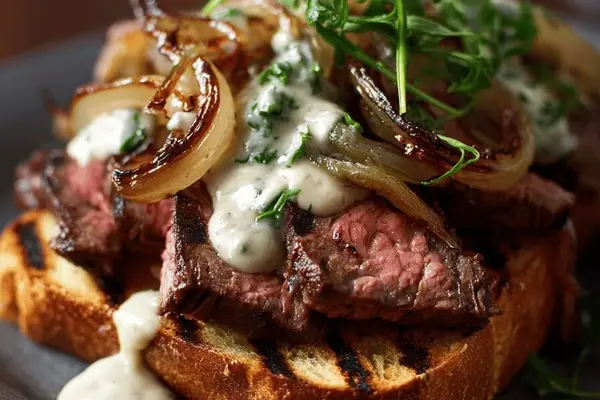
Grilled Beef Sandwiches With Pickled Fennel
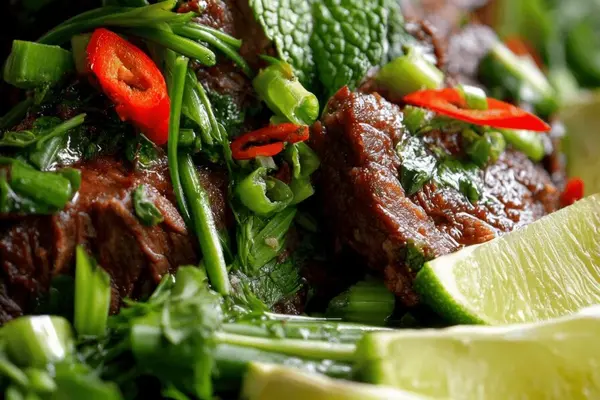
Instant Pot Pot Roast with Ginger & Lemongrass
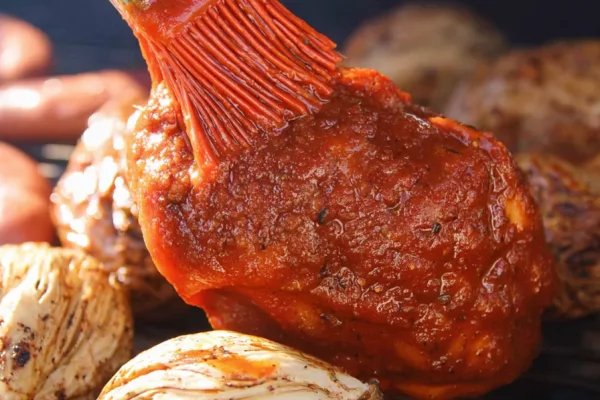
Homemade BBQ Sauce
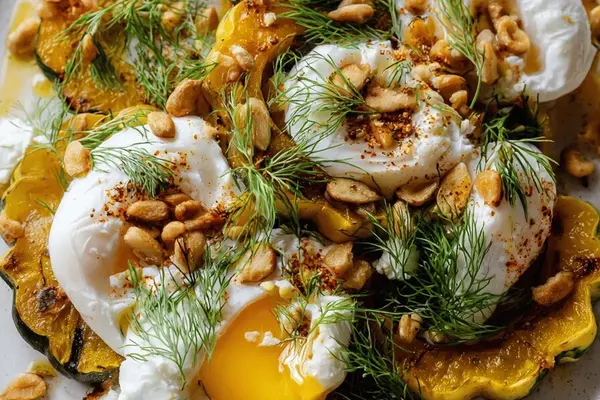
Egg Turkish with Delicata Squash & Goat Cheese
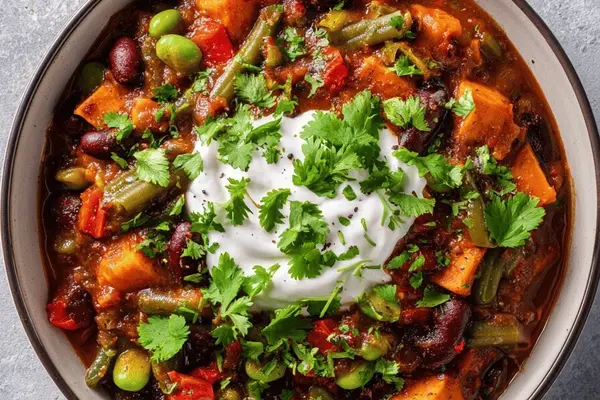
Edamame Vegetarian Chili with Chipotle
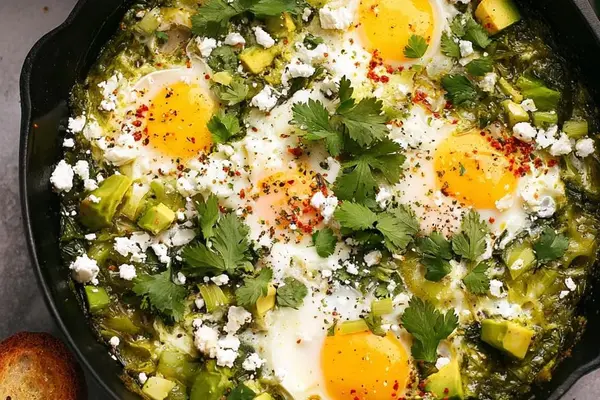
Green Shakshuka with Tomatillos and Spinach
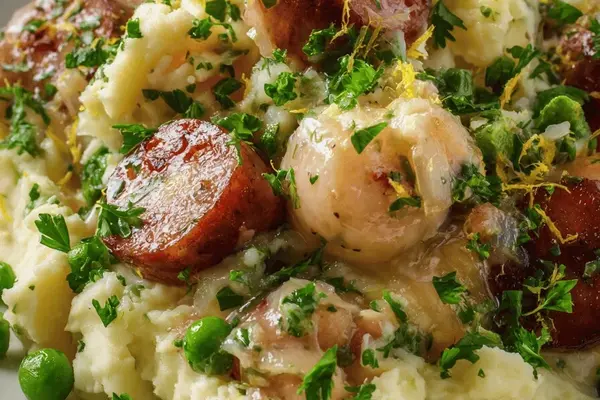
Red Potato Mash with Sweet Italian Sausages

Long Island Iced Tea Recipe with Mezcal
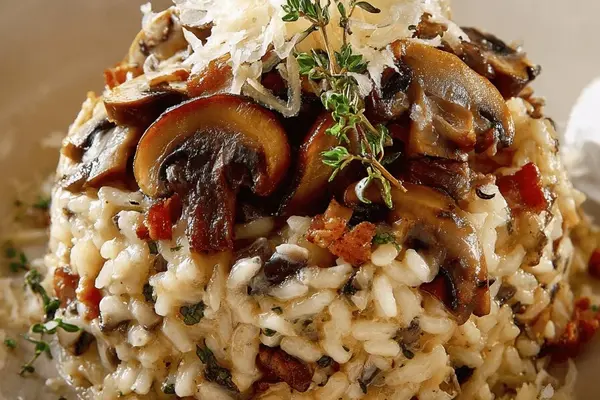
Mushroom Pancetta Risotto with Gruyère
Sour Cherries For Pie With Brandy
Pangasius Coconut Lime with Lemongrass
Stuffed Chicken Breast with Red Cabbage
Apple Upside Down Cake Recipe
Sangria Recipe with Prosecco & Raspberries