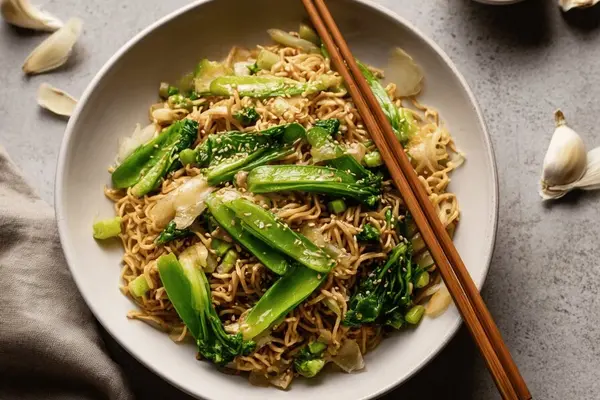
Crispy Ramen Chow Mein with Cabbage
By Emma
Certified Culinary Professional
·
Recipe tested & approved
Crispy ramen chow mein loaded with shredded cabbage, celery, and garlic. Quick stir-fry with soy sauce and sesame oil keeps noodles crunchy and delicious.
Prep:
12 min
Cook:
11 min
Total:
23 min
Servings:
4 servings
Boil the ramen till it’s still got some resistance. Drain it. Toss with a bit of oil so it doesn’t cement itself into a brick. That’s half the battle right there.
Why You’ll Love This Chow Mein Recipe
Takes 23 minutes total. Sounds short because it is. Works on a weeknight when you need something fast. No mise en place drama — everything happens in the pan. The cabbage stays crisp. Not mushy. Textures actually matter here. Tastes like you ordered it. Better, probably. You controlled the salt. One pan. One bowl for sauce. Cleanup’s basically nothing.
What You Need for Ramen Noodles Stir Fry
Two packs of ramen. Toss the seasoning packets — you’re making your own sauce, which tastes better.
Half a head of cabbage, shredded. Doesn’t matter how fine. Just separate enough so it cooks.
Two stalks of celery diced. Adds crunch that lasts. Onion would be softer. Celery holds up.
Three green onions sliced thin. That’s your brightness. Don’t skip it.
Two cloves garlic minced. Maybe three if you’re into it. Burnt garlic tastes like rage, so watch it.
Three tablespoons soy sauce. Four if your soy is weaker. Taste as you go.
One tablespoon oyster sauce — or hoisin if that’s what you have. Hoisin’s slightly sweeter. Both work.
One teaspoon sesame oil plus one teaspoon of something neutral. Olive oil’s too strong. Vegetable oil. Avocado oil. Whatever doesn’t compete.
Two tablespoons vegetable oil for the actual cooking. You’ll need it hot.
One teaspoon sugar. Just enough to round the salt edges.
Quarter cup water or broth. Broth’s better. Water’s fine.
How to Make Easy Chow Mein
Boil water. Get it actually boiling — not steaming, boiling. Drop the ramen in and watch it. The second it stops being brittle and you can bend a strand without it snapping, it’s done. Usually around three minutes. Not four. Not five. You want it still firm because it hits the hot pan next.
Drain it hard. Use a colander. Spin it in a salad spinner if you’ve got one — this matters more than you think. Wet noodles turn to paste. Toss it with a teaspoon of neutral oil while it’s still warm. Breaks up the clumps before they set.
Mix your sauce in a bowl right now. Soy sauce, oyster sauce or hoisin, sesame oil, the teaspoon of neutral oil, sugar, water. Stir it once. Set it next to the stove. Don’t forget about it.
Heat your wok or the biggest pan you have over high heat. Let it get hot — you want the oil to shimmer almost immediately when it hits the pan. Pour in a tablespoon of vegetable oil. When it’s shimmering, throw in the cabbage and celery. Don’t leave it alone. Stir every twenty or thirty seconds. You’re looking for the color to change to a lighter shade, edges still snapping when you bite them. Three to four minutes usually. If it starts going soft all the way through, you waited too long.
Push everything to one side. Create a bare spot in the pan. Add another tablespoon of oil there. Toss in the garlic and green onions. Stir for twenty, maybe thirty seconds — just until it smells like something is happening. Not brown. Not even close to brown. Quickly mix it back in with the cabbage.
Now throw in your ramen. Pour the sauce right over it. Turn the heat down to medium because the noodles are already cooked — you’re just heating them through and coating them. Stir constantly. Listen for the sizzle. If you stop hearing it, something’s sticking. Keep moving it. This takes three to five minutes. The sauce goes from glossy to slightly thickened. When the noodles glide when you stir them — not stick, glide — it’s done.
Crispy Ramen Noodles With Soy Sauce: Technique and Timing
The ramen timing kills most people. Too long and you’ve got mush. Too short and you’re eating raw.
Bend a strand. If it bends smoothly, it’s close. If it snaps, keep going. Thirty seconds later, try again.
The pan has to be hot before anything touches it. Not just warm. The oil needs to shimmer. If you pour cold oil into a medium-heat pan, the cabbage steams instead of sears. Everything comes out gray.
Green onions and garlic go in separate from the cabbage. If they’re in there the whole time, they disappear. They go in at the end because they need thirty seconds, not three minutes.
The sauce thickens slightly when the noodles heat through — that’s how you know it’s ready. It doesn’t turn thick like gravy. Just goes from shiny to slightly less shiny. That’s the cue.
Garlic Sesame Ramen Stir Fry: Tips and Common Mistakes
Don’t crowd the pan. This isn’t an instruction in your recipe, but if you’re doing two batches, don’t throw both in at once. You’ll steam it.
Sesame oil is strong. A teaspoon is enough. More than that tastes like you’re eating a hardware store. It’s a finisher, not the base.
The green onions should be cut thin. Thick chunks stay tough. Thin slices soften just enough.
If it comes out bland, don’t just add salt. Add salt and a splash more soy. The saltiness without the depth tastes hollow.
Ramen noodles absorb salt like they’re actively trying to. Taste it before you serve it. If it’s flat, one more teaspoon of soy sauce fixes it usually.
Some people break the ramen before boiling. Don’t. Boil it whole. It’s easier to tell when it’s done.
The difference between crispy vegetable edges and mushy ones is about sixty seconds. Pay attention.
Crispy Ramen Chow Mein with Cabbage
Prep:
12 min
Cook:
11 min
Total:
23 min
Servings:
4 servings
Ingredients
- 2 packs ramen noodles (discard seasoning packets)
- 1/2 head cabbage shredded
- 2 stalks celery diced
- 3 green onions sliced thin
- 2 cloves garlic minced
- 3 tbsp soy sauce
- 1 tbsp oyster sauce substitute hoisin sauce
- 1 tsp sesame oil plus 1 tsp neutral oil
- 2 tbsp vegetable oil for stir-fry
- 1 tsp sugar
- 1/4 cup water or broth
Method
- 1 Boil ramen per package but time it and stop when strands still firm yet pliable. Immediately spin dry in salad spinner or drain very well; toss with teaspoon neutral oil to keep separated.
- 2 Mix soy sauce, hoisin, sesame oil, sugar, and water in bowl. Keep nearby.
- 3 Heat wok high till oil shimmers but not smoking. Splash in 1 tbsp vegetable oil. Add cabbage and celery. Stir every ~30 seconds for 3-4 minutes. Watch color change to slightly translucent with edges still crisp. Not mushy.
- 4 Push veggies aside to create a bare spot. Add 1 tbsp oil there. Toss in garlic and green onions. Stir 20-30 seconds till fragrant but not brown. Combine quickly with cabbage.
- 5 Throw in ramen and pour sauce over. Stir fry at medium heat. Listen for sizzling but no sticking. Toss repeatedly till noodles heated through and sauce thickens slightly, about 3-5 minutes. Avoid overcooking or clumps form.
- 6 Plate. Scatter extra green onions and a dash more soy if bland. Serve hot. Noodles should glide not stick. Veggies crisp but tender.
Nutritional information
Calories
320
Protein
8g
Carbs
45g
Fat
10g
Frequently Asked Questions About Chow Mein Recipe
Can I use fresh ramen instead of packaged? Fresh ramen cooks in like ninety seconds. Watch it close or it turns to soup. Should work fine but the texture’s different — softer noodles overall.
What if I don’t have a wok? A large pan works. Cast iron works. The shape doesn’t matter that much. Heat matters. Depth doesn’t.
Can I add protein? Chicken, shrimp, tofu — sure. Cook it first, set it aside, add it back at the end so it doesn’t get chopped up in the tossing.
How long does this keep? Cold the next day it’s… fine. Not great. The noodles get sticky. Reheat it in a hot pan with a splash of water and it comes back okay. Not like it just happened though.
Can I use other vegetables instead of cabbage? Cabbage stays crisp in eleven minutes of cooking. Broccoli gets mushy. Snap peas work. Bok choy works if you don’t mind it falling apart a little. Carrots need more time so cut them thinner or boil them first.
What’s the difference between this and takeout chow mein? Takeout uses more oil and usually egg noodles. This is ramen, less oil, and you can taste the individual ingredients instead of just salt and grease. It’s cleaner.
Do I really need sesame oil? It’s not nothing. The dish works without it — you just lose that specific flavor. Tastes more neutral. Flatter maybe. Not bad, just different.
Why do my noodles stick together? You didn’t dry them enough after draining. Or you didn’t toss them with oil immediately. Or both. Do both and they won’t stick.
You’ll Love These Too
Explore all →
Chocolate Pudding Fruit with Berries
Baked White Beans with Soft Eggs & Lemon

French 75 Cocktail with Gin and Cranberry

Honey Oat Muffins with Raspberry Jam
Hearty Beef Vegetable Stew Recipe

Pan Seared Chicken Breast with Chorizo
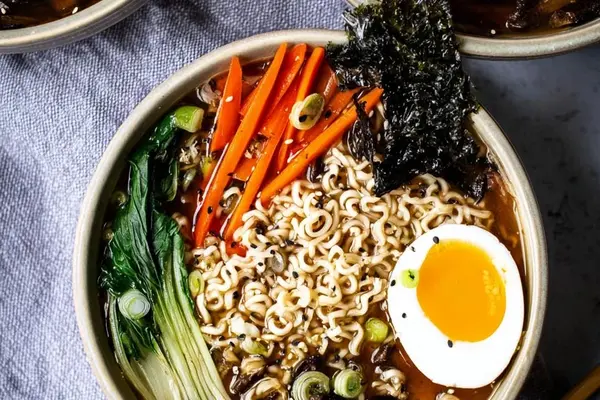
Quick Veggie Ramen with Shiitake Mushrooms
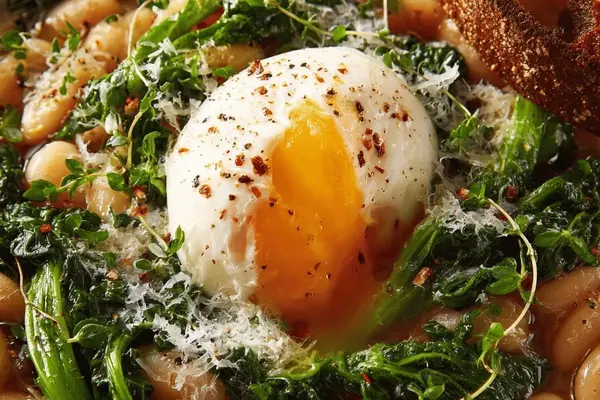
Slow-Baked White Beans with Soft-Boiled Eggs

No Bake Cheesecake with Peach Preserves

Pecan Pretzel Rolo - Homemade Caramel Chocolate
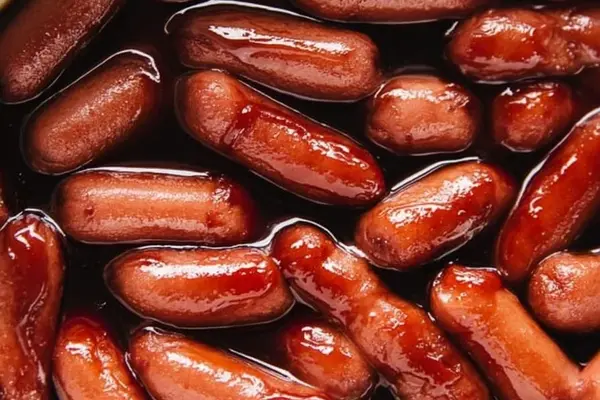
Meatballs in Crock Pot with Tangy Sauce
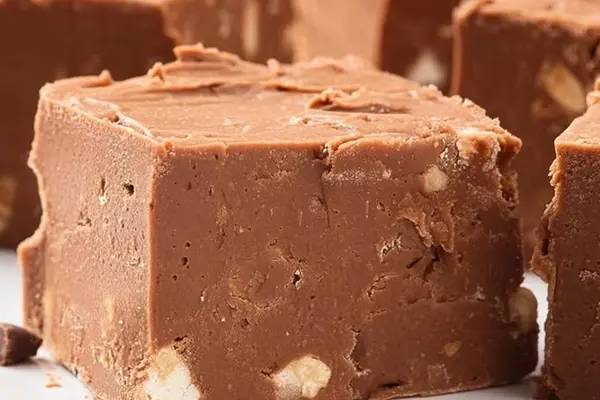
Marshmallow Fluff Fudge with Pecans

Chocolate Snowman Truffles with Nutter Butter
Beef Pasta With Mushrooms & Hoisin
Savory Mushroom Rice with Butter & Wine

Brown Butter Banana Cake with Pecans

Salad With Avocado, Ground Beef & Poppy

Almond and Cherry Loaf with Sour Cream

Hot Apple Cider with Cinnamon & Rosemary