
Oven Baked Hard Eggs in Muffin Tin
By Emma
Certified Culinary Professional
·
Recipe tested & approved
Set oven to 345°F. This matters—350 made them crack every time. Crack prevention started with turning it down a couple degrees.
Twelve eggs in a muffin tin. Warm water filled to the one-third line. Twenty-eight minutes and you’re done. Actually works. No boiling water, no babysitting, no guessing if the yolk’s still creamy or chalky gray.
Why You’ll Love This Oven Baked Eggs Recipe
Takes 35 minutes total—7 minutes to set up, then the oven does it. Healthy breakfast protein that doesn’t require standing over a pot. No crack baked eggs. The water in the tin steams them evenly instead of violent rolling boil. Yolk comes out creamy. Not rubbery. Creamy yolk hard boiled eggs happen naturally this way. Easy hard boiled eggs, seriously—less fussy than the stovetop version. Works for meal prep. Cold the next day, still good.
What You Need for Baked Eggs in a Muffin Tin
Twelve large eggs. Room temperature or cold, doesn’t matter much. Warm water. Not hot—just warm enough that you can hold your hand in it. That’s roughly 110°F but honestly just warm. A twelve-cup muffin tin. Metal or ceramic. Both work. Salt in the water is optional. Pinch of it. Helps somehow. Not sure why exactly but people swear by it.
How to Bake Eggs with Water in the Oven
Preheat to 345 degrees. Wait until the light goes off. Actually stand there and wait—oven temperature matters here more than most things.
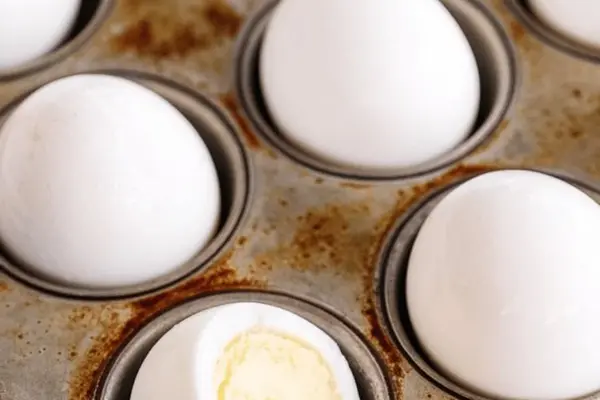
Get your muffin tin. Place one egg upright in each cavity. That’s the whole point of the tin—eggs stay put. No rolling. No cracks from movement. Line all twelve up.
Pour warm water carefully into each hole. Go slowly. Water level should hit about the one-third mark on the shell, maybe halfway. Not more. The steam rises off that water and cooks the egg gently from the outside in. Too much water and the yolk stays loose too long.
Slide the tin into the oven. Set the timer for 25 minutes. Watch for the shell color to change—it’ll go from opaque to slightly see-through as the egg cooks. At 25 minutes, open the door fast, jiggle one egg very gently. There should be almost no wobble in the center. Just the tiniest movement. That’s doneness. If it wobbles like a water balloon, add 2 more minutes. Close the door and go.
How to Get Creamy Yolk Hard Boiled Eggs Every Time
Twenty-eight minutes is the target. Your oven might run hot or cold so timing varies. Twenty-seven might do it. Thirty might be needed. The jiggle test at 25 minutes tells you what your specific oven does.
The ice bath stops everything immediately. Pull the tin out, move fast. Get those eggs straight into ice water. Three to four minutes. Cold water hardens the white, locks the yolk at creamy instead of letting it keep cooking into gray. This is the part that actually controls doneness, not the oven time.
Peeling. Start at the wider end. There’s an air pocket there—the shell separates easier. Tap firm but not hammer-style. Roll it gently under your palm. Crack the shell all over. If it’s stubborn, peel under cold running water. The water pressure loosens the membrane from the white.
Baked Eggs Tips and Common Mistakes
Temperature. 345 degrees. Not 350. The three degrees matter when you’re dealing with this much gentleness. Tried 350. Shells cracked. Cracked eggs leak into the water, ruin the batch.
Warm water only. Hot water accelerates cooking. You want it slow. That’s the whole advantage. Slow heat means even cooking, creamy centers.
Don’t overfill the water. Half the shell height is the maximum. More water steams too aggressively.
Greenish yolk ring means you went too long. Iron and sulfur in the yolk reacted. Still edible. Tastes fine. But if creamy is what you want, that’s the sign you cooked too hot or too long next time.
Variations that work: swap water for diluted white vinegar. One teaspoon vinegar to half cup water. Membrane releases like it’s not even there. No vinegar taste. Worth trying if peeling frustrates you.
Duck eggs need 33 to 35 minutes at the same temperature. Different shell thickness. Otherwise identical method.
Pre-crack prevention if you’re nervous: take a pin, prick the base of the shell lightly before baking. Tiny puncture. Releases pressure during heat expansion. Stops the sudden crack mid-bake. Haven’t needed it but it works if you’re paranoid.
Oven Baked Hard Eggs in Muffin Tin
Prep:
7 min
Cook:
28 min
Total:
35 min
Servings:
12 servings
Ingredients
- 12 large eggs
- warm water enough to fill muffin tin cavities about 1/3
- optional: pinch of salt in water
Method
- 1 Start by preheating oven to 345°F. I dialed it down from 350°F after a couple tries—less cracking, yolk creamier.
- 2 Place each egg upright into a 12-cup muffin tin cavity. This keeps eggs stable, no rolling nudges that cause cracks.
- 3 Pour warm water into each cavity until it reaches about one third to halfway up the eggshell. The water steams the egg gently, preventing dry edges.
- 4 Slide muffin tin carefully into the oven. The oven's dry heat combined with moist steam cooks eggs evenly. Bake for roughly 28 minutes. Timing varies by oven; after 25 minutes gently jiggle the eggs—the shell transparency should lighten and faint wobble near the yolk center signals doneness.
- 5 Remove from oven, immediately submerge eggs into an ice water bath for 3 to 4 minutes. Stop cooking, firm white sets but yolk not chalky. Ice bath cools them quickly, making peeling simpler.
- 6 Tap shell with firmness but not too hard. Start peeling from wider end where the air pocket lives. If stubborn, peel under cold running water to ease membranes.
- 7 Serve right away or store peeled in damp paper towel covered container. Note: Duck eggs need 33-35 minutes, same temp, but thicker shells.
- 8 Variations: swap water for diluted white vinegar if you want easy-peel. A teaspoon to half cup ratio. Helps membrane release without tasting vinegar.
- 9 Avoid overcooking: greenish yolk means yolk’s iron sulfide reaction happened—too long or too hot.
- 10 Ever cracked an egg early? Prick shell with pin at base lightly pre-baking to prevent bursting during heat expansion.
Nutritional information
Calories
63
Protein
6g
Carbs
1g
Fat
4g
Frequently Asked Questions About Oven Baked Eggs
Can I do this with fewer eggs or more than twelve? Yeah. Scale it however. Timing stays roughly the same because the oven temperature controls it, not the number. Done in 28 minutes regardless.
Should the eggs be room temperature or cold from the fridge? Cold works fine. Room temperature maybe cooks marginally faster. Honestly doesn’t matter. The warm water brings them up in temperature anyway.
Can I use cold water instead of warm? No. Cold water stretches the cooking time unpredictably. Warm water gives you actual consistency. That’s why people do this method instead of boiling—you get control.
What if my eggs crack in the oven? Happens. Lower the temperature to 340 next time. Some ovens just run hot. The eggs that didn’t crack are still fine—just remove the cracked one and keep going.
Can I store these peeled? Put them in a damp paper towel, container with a lid, fridge. They’ll keep about a week. Stays creamy. Stays good.
Does the salt in the water actually do anything? Not sure. People add it. Shell peels slightly easier supposedly. Try it both ways. Probably won’t notice a huge difference.
Why bake instead of boil? No boiling water disaster. No babysitting. No guessing doneness. The oven does the work. Yolk comes out creamy more consistently. Easier, honestly.
You’ll Love These Too
Explore all →
Auntie Anne's Cinnamon Pretzel Recipe
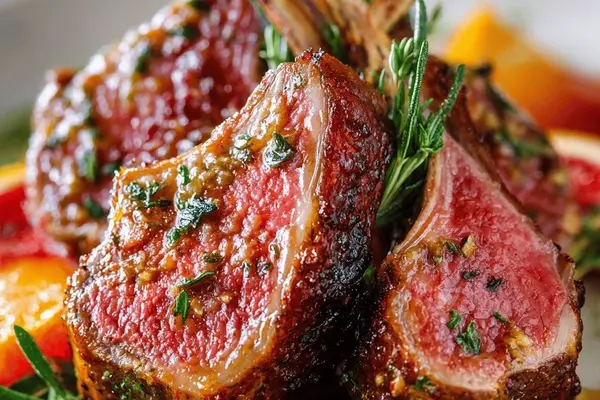
Honey Citrus Lamb Racks with Grapefruit

Cookie Dough Truffles with Bittersweet Chocolate
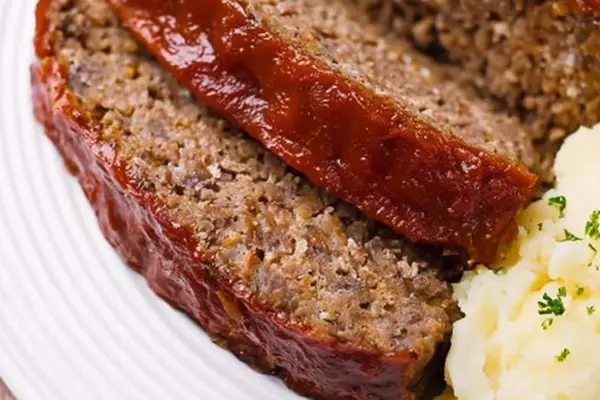
Slow Cooker Meatloaf with Panko and Worcestershire
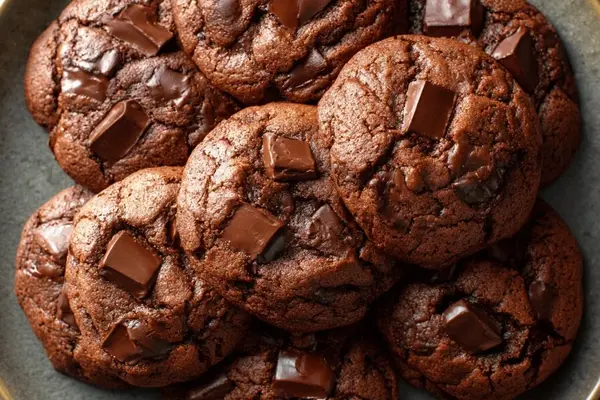
Making Chocolate Chip Cookies Recipe

Pineapple Popsicles with Lime and Mint
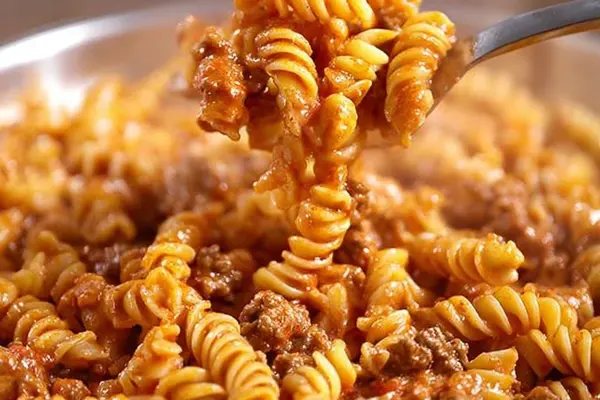
Creamy Italian Beef Pasta with Provolone

Roasted Carrots with Cinnamon & Brown Sugar
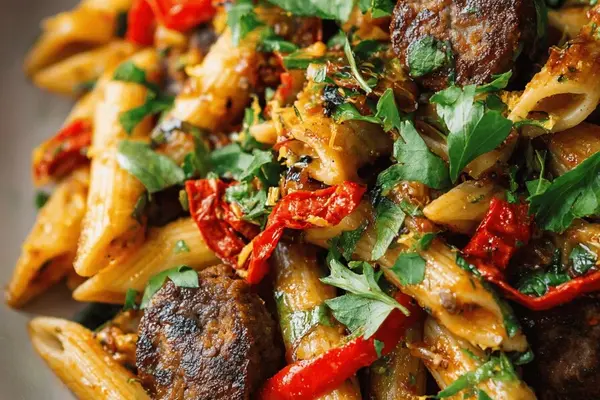
Spicy Penne Pasta with Merguez and Harissa
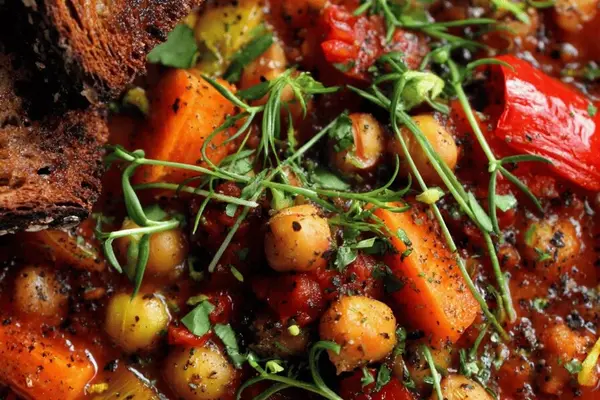
Roasted Veggie Soup with Chickpeas & Thyme
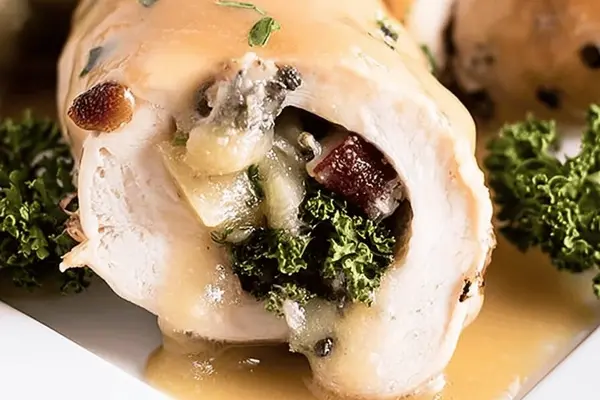
Stuffed Chicken Breast with Spinach & Apple Gravy
Eggnog Chess Pie with Cardamom
Ginger Cookies Recipe with Chai Spice

Smoked Salmon Hors D'Oeuvres Tart

Berry Fennel Burrata Salad with Honey-Citrus

Smoked Trout Salad with Potatoes & Asparagus

Vanilla Bean Gelato Recipe with Heavy Cream

Strawberry Short Cake with Mascarpone
How to Make Boiled Peanuts in Pressure Cooker