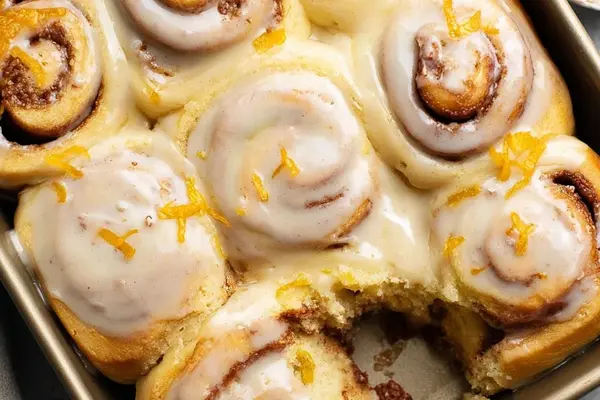
Orange Cinnamon Rolls with Heavy Cream
By Emma
Certified Culinary Professional
·
Recipe tested & approved
Warm milk hits 110°F. Butter softens. Yeast foams. Three hours later, the kitchen smells like a bakery and you’re pulling apart rolls that taste like you spent all morning on them. You didn’t. Just waited.
Why You’ll Love These Orange Cinnamon Rolls
Takes 3 hours 45 minutes total but most of that is rising — you’re actually working maybe 20 minutes. Homemade yeast rolls that taste nothing like store-bought. The citrus cuts through all that cinnamon and brown sugar so it doesn’t get cloying. Heavy cream poured over before baking makes the tops soft instead of crusty. One 9x9 pan. Nine rolls. Breakfast sorted for days.
What You Need for Orange Cinnamon Rolls
Whole milk warmed to 110°F. Not hot. That kills yeast. A cup of it. Six tablespoons of unsalted butter melted into the milk while you’re warming it. Fresh orange juice — half a cup. Not concentrate. Matters. A third cup of granulated sugar. One egg plus one yolk. Three cups all-purpose flour. Salt. Three quarters teaspoon.
For the filling: brown sugar packed half a cup. Ground cinnamon, two teaspoons. Two teaspoons orange zest — fresh, grated. Butter softened, a quarter cup. Mix those together until spreadable.
Heavy cream warmed, half a cup. Pour it over before baking.
Glaze needs powdered sugar, a cup. Two tablespoons fresh orange juice. One tablespoon softened butter. Extra orange zest to sprinkle on top because it gets missed.
How to Make Homemade Orange Cinnamon Rolls
Warm the milk and butter together in a small pan. Gentle heat. You want 110°F — lukewarm to touch. Microwave works faster. Thirty seconds, watch it like you’re babysitting it.
Dump the warm milk and butter into a mixer bowl with the paddle attached. Sprinkle the yeast on top. Wait three minutes. You’ll see it foam up. That foam means it’s alive. No foam means the yeast is dead and you start over.
Add the orange juice, sugar, whole egg, and egg yolk. Mix on low speed until it’s just combined. Don’t keep going. Overworking at this point makes the dough dense.
Swap out the paddle for the dough hook. Pour in the flour and salt. Knead on medium-low for seven to nine minutes. Watch the dough. It should pull away from the bowl sides but still feel a little tacky. Sticky is fine. That means it’ll be soft. Too much kneading kills the softness.
Grease a medium bowl with oil spray. Plop the dough in. Turn it once so the top gets lightly oiled. Cover the bowl with plastic wrap and lay a kitchen towel over the top. Leave it in a warm spot. Aim for 1.5 hours until it nearly doubles. If your kitchen’s cold, it takes longer. That’s fine.
How to Get Orange Cinnamon Rolls Soft and Fluffy
Grab a 9x9 baking pan. Spray it well. Parchment paper optional but it catches drips and makes cleanup faster. Edges get crispier too.
Make the filling while the dough rises. Mix brown sugar, softened butter, cinnamon, and orange zest until it’s combined and spreadable. No lumps.
Turn the dough onto a floured surface. Roll it gently into a rectangle about 9 by 14 inches. Spread the filling evenly but leave a half-inch border on all sides. That border keeps the roll tight.
Roll it up from the long edge. Keep it neat and snug. Slice it into nine equal rolls using a sharp knife or dental floss. Floss doesn’t squish the dough. A knife does, sometimes.
Arrange the rolls snug in the pan. Cover again with plastic wrap and a towel. Final rise is 35 to 60 minutes. The dough balloons. Watch it. If it over-proofs, the rolls get fragile and misshapen.
Preheat the oven to 350°F. Warm the heavy cream briefly — 15 seconds in the microwave. Just lukewarm to touch. Right before baking, pour it gently over the rolls. This is what makes the tops soft and golden instead of dry.
Bake 20 to 22 minutes until the tops are light brown. Internal temperature should hit 190°F. Check with a toothpick poked into a roll. You want moist crumbs, no gooey batter. Cool them five to ten minutes. Temperature drops and they set up.
Orange Cinnamon Roll Tips and Mistakes
Make the glaze while the rolls cool. Whisk powdered sugar, butter, and orange juice until it’s thick enough to drizzle. Not runny. Not stiff. Somewhere between.
Drizzle it over the warm rolls. Sprinkle extra orange zest on top for brightness. It looks good and tastes brighter.
Yeast temperature matters more than you’d think. Too cold and it won’t activate. Too hot and it dies. 110°F is the sweet spot. Use a thermometer if you have one. If not, warm until it feels warm but not hot to your wrist.
The orange juice is part of the dough, not just flavoring. It adds moisture and tanginess. Don’t skip it or use concentrate.
Brown sugar versus white sugar — use brown. It’s moister and adds depth. White sugar makes them taste thin.
Dental floss cuts rolls without squishing them. Sounds weird. Works perfectly.
Orange Cinnamon Rolls with Heavy Cream
Prep:
15 min
Cook:
25 min
Total:
3h 45min
Servings:
9 rolls
Ingredients
- 1 cup whole milk, warmed to 110°F
- 6 tbsp unsalted butter
- 2 ¼ tsp active dry yeast
- ½ cup fresh orange juice
- ⅓ cup granulated sugar
- 1 large egg
- 1 large egg yolk
- 3 cups all-purpose flour
- ¾ tsp salt
- ½ cup heavy cream, warmed
- Filling:
- ½ cup packed brown sugar
- 2 tsp ground cinnamon
- 2 tsp orange zest
- ¼ cup unsalted butter, softened
- Glaze:
- 1 cup powdered sugar
- 2 tbsp fresh orange juice
- 1 tbsp softened butter
- Orange zest for sprinkling
Method
- 1 Warm milk and butter gently in small pan until about 110°F. Lukewarm, not hot or yeast kills off fast. Microwave 30 seconds is cheat way but watch closely.
- 2 Put warm mix in mixer bowl with paddle attachment. Sprinkle yeast evenly on top; wait 3 minutes until foamy, proofed well. If no foam, yeast dead—start over or use fresh.
- 3 Add orange juice, sugar, whole egg, yolk. Mix low speed just to blend, don’t overwork.
- 4 Switch out paddle for dough hook. Add flour and salt, then knead medium-low speed about 7–9 minutes. Watch dough pull away from bowl sides but still tacky, little sticky okay. Overkneading kills softness.
- 5 Grease medium bowl with oil spray, plop dough in. Turn dough once to lightly oil surface. Cover bowl with plastic wrap and kitchen towel. Leave in warm spot, aim for 1.5 hours rise until nearly doubled. More time is fine if cooler room.
- 6 Prepare baking pan (9x9 inches). Spray well, parchment lining optional to catch wafting juices. Prepares clean up and edges crisp.
- 7 Mix brown sugar, softened butter, cinnamon, and orange zest for filling until combined, spreadable consistency. No clumps.
- 8 Turn dough onto floured surface. Gently roll to rectangle about 9x14 inches. Spread filling evenly but leave about ½ inch border to keep tight roll.
- 9 Roll up dough tight from long edge, keep shape neat. Slice into 9 equal rolls using sharp knife or dental floss—floss avoids squish.
- 10 Arrange rolls snug in pan, cover again with plastic and towel. Final rise 35 to 60 minutes. Dough balloons but watch close—overproof makes fragile, misshapen rolls.
- 11 Preheat oven to 350°F. Warm heavy cream briefly, 15 seconds microwave, lukewarm touch.
- 12 Right before baking, pour cream gently over rolls; helps soft top and golden color.
- 13 Bake 20–22 minutes until tops light brown, internal temperature ~190°F. Check by poking with toothpick: moist crumbs, no gooey batter.
- 14 Cool 5–10 minutes; temp drops and settle. Mix glaze by whisking powdered sugar, butter, orange juice to thick drizzle consistency.
- 15 Drizzle glaze over rolls, sprinkle extra orange zest if you like for brightness and zing.
Nutritional information
Calories
320
Protein
5g
Carbs
40g
Fat
15g
Frequently Asked Questions About Homemade Yeast Rolls
Can I make the dough the night before? Yeah. After the first rise, punch it down, wrap it tight, refrigerate. Next morning, roll out, fill, arrange in the pan, let it come to room temperature — maybe 30 minutes — then do the final rise. Tastes even better cold rise. Something about the flavor develops.
What if the yeast doesn’t foam? Dead yeast. Start over. Check the expiration date. Keep yeast in a cool, dry spot or it dies faster. If you’re not using it regularly, refrigerate it.
Can I use orange extract instead of fresh orange juice? No. Extract is intense and tastes artificial. Fresh juice is the point. It’s citrus and cinnamon rolls with cream, so the fresh flavor matters.
How soft do they stay? Soft for two days at room temperature in an airtight container. After that they start drying out. Freeze them after day two. Thaw at room temperature and they’re almost as good. Microwave 10 seconds if you want them warm again.
What’s the heavy cream for? Makes the tops stay soft instead of getting crusty. Adds richness. It’s subtle but you notice if it’s missing.
Can I double the recipe? Sure. You’ll need two 9x9 pans or one 9x13. Timing stays about the same. Bake a minute or two longer if you’re using the bigger pan since rolls sit slightly farther apart.
What if my rolls don’t rise enough? Could be cold kitchen. Could be old yeast. Give them more time. There’s no hard stop on the final rise — just watch them. They should look puffy and nearly touching. If your kitchen is 60°F, they might need 90 minutes instead of 45.
Brown sugar cinnamon roll dough — can I use less cinnamon? You could use one teaspoon if you don’t like heavy cinnamon. But the orange balances it. Two teaspoons is where the flavor sits right. Not overpowering.
You’ll Love These Too
Explore all →
White Chicken Chili with Beans
Muffuletta Sandwich with Kalamata Olives
BLT Salad with Pasta and Shrimp

Pineapple Fried Rice with Crispy Bacon
Microwave Butter Brownies with Espresso
Country Cabbage Soup with Gruyère Cheese
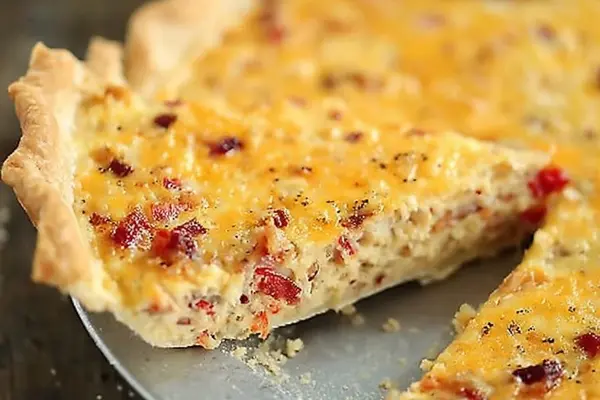
Bacon Quiche with Gouda and Roasted Red Peppers
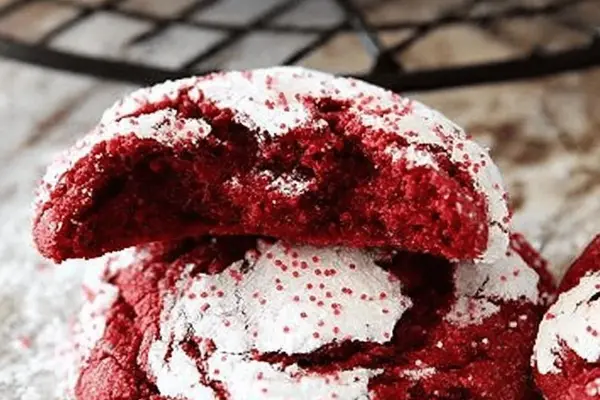
Red Velvet Powdered Cookies with Cake Mix
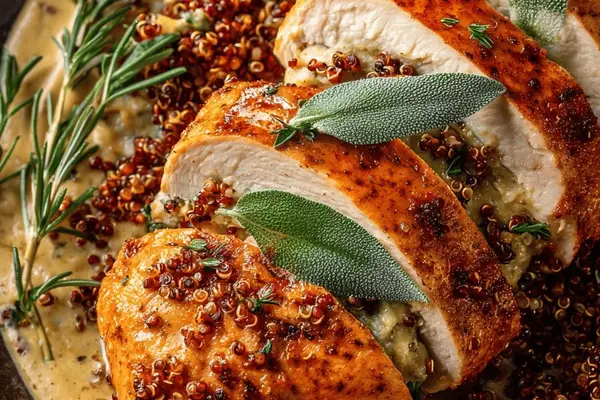
Butternut Pumpkin Pasta Sauce with Sage

Rhubarb Blackcurrant Syrup Recipe
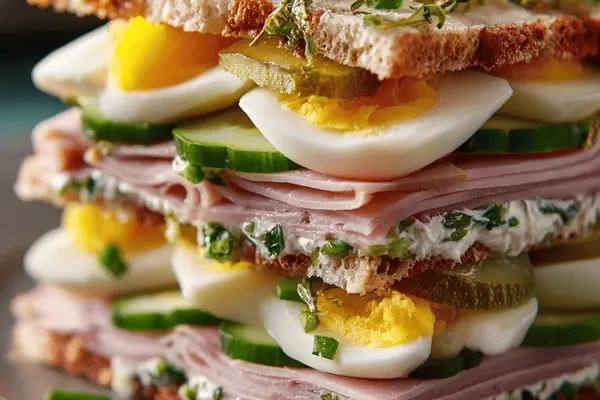
Ham Egg Herb Sandwiches with Tarragon

Rustic Chicken Noodle Soup Recipe

Clementine Mint Water Infusion Recipe

Lobster Croque-Monsieur with Béchamel Sauce
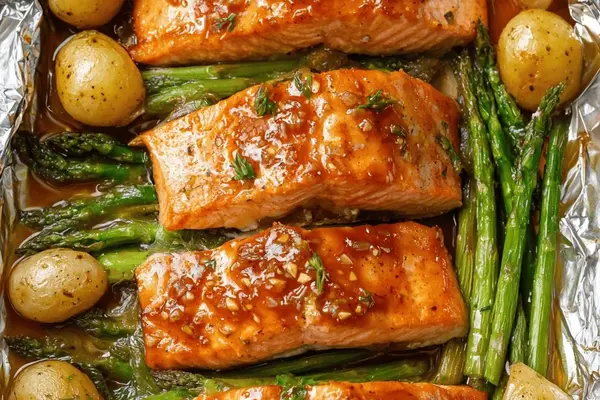
Salmon Miso Papillotes with Asparagus
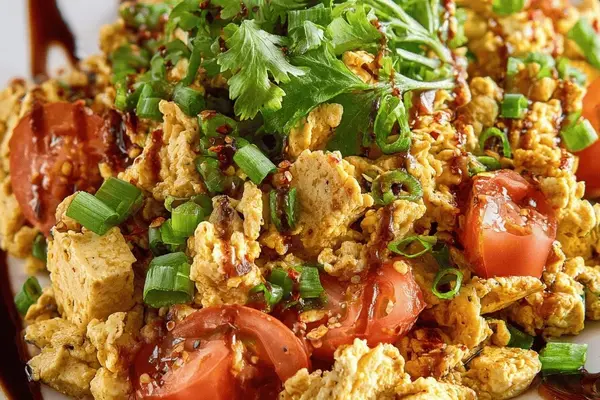
Mexican Tofu Scramble with Cilantro
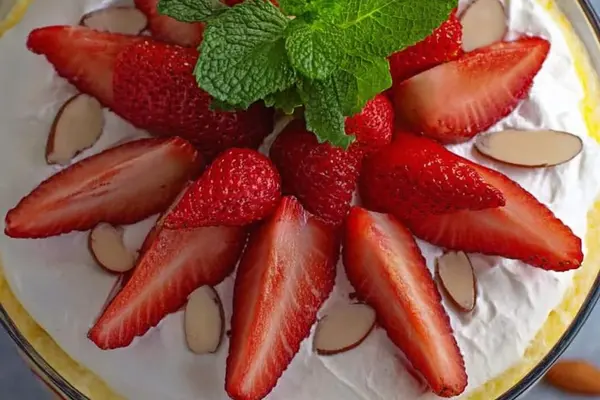
No Bake Cheesecake with Strawberries
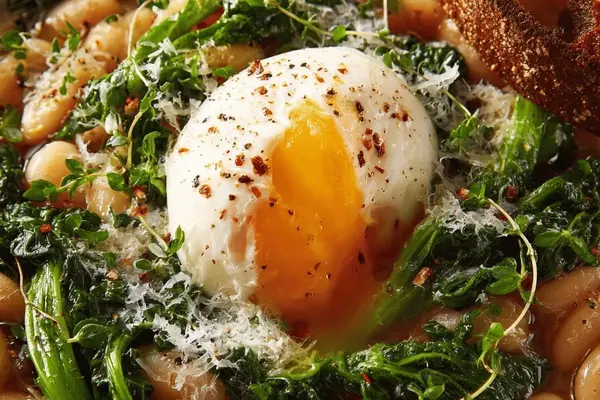
Slow-Baked White Beans with Soft-Boiled Eggs
Dolmas with Ground Veal and Walnuts