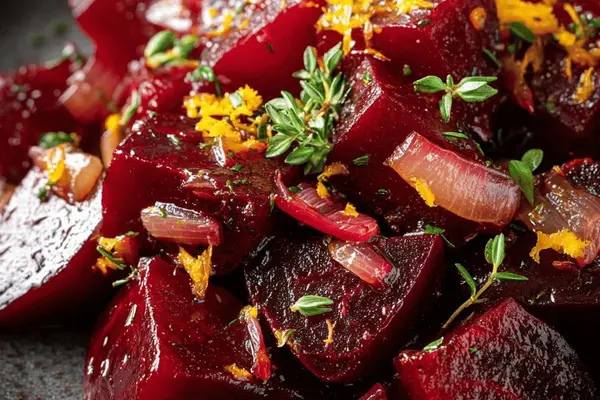
Orange Beet Cubes with Thyme & Coconut Oil
By Emma
Certified Culinary Professional
·
Recipe tested & approved
Set the beets going first—cold water, then heat. That’s where the 1 hour 15 starts ticking. While they’re softening, shallots and garlic are waiting. Orange juice does the actual work here. Not decoration.
Why You’ll Love This Orange Beet Citrus Side
Takes 1 hour 45 minutes total, and maybe 15 of that is you actually doing something. Rest is just heat. Works with literally any protein—fish, chicken, roasted tofu, doesn’t matter. The orange keeps it light instead of heavy. Beets can feel dense sometimes. This doesn’t. Shallots and thyme make it taste like you planned it for hours. You didn’t. Thirty minutes of prep. Roasted beets are fine cold or warm. Better cold, actually—flavors sharpen overnight.
What You Need for Roasted Beets with Orange and Thyme
Beets. Whole ones, medium, no massive roots because those take forever and never finish evenly. 900 grams. Trimmed.
Shallots. Two. Slice them thin. Not paper-thin. Just thin. They should still be recognizable when you bite one.
Garlic. One large clove, minced. Not a whole head. One clove. More and it takes over.
Coconut oil. 30 milliliters. Not olive oil. Olive oil smokes too fast and tastes wrong with beets. Coconut oil stays neutral.
Orange. Medium. One. You need both the juice and the zest. If you use concentrate, you’re starting over—different recipe now.
Fresh thyme. Not dried. Dried thyme tastes like the cabinet it’s been sitting in. 15 milliliters, which is kind of a loose handful. Works.
Salt. Kosher. Cracked black pepper—fresh, not the pre-ground stuff that’s been open since last year.
How to Make Roasted Beets with Orange Juice
Pick three medium beets from the pile. The ones without weird lumps. Trim the stems but don’t cut into the actual beet—you’re just removing the dangly part. Rinse them under cold water. Dirt matters here because it’ll come off later, but still.
Drop them in a pot. Pour cold water until they’re covered by maybe two inches. Doesn’t have to be exact. Just submerged.
Bring it to boil. Let it actually roll—you’ll see the kitchen steam up a little. Then lower the heat so it’s just simmering. Not boiling anymore. That’s when the 1 hour timer starts. Maybe 1 hour 15 if they’re stubborn. Pierce one with a knife around the 50-minute mark. Should give way but not fall apart. If the knife slides through like butter, you’re done. If it hits resistance, keep going.
When they’re done, pull them out and straight into ice water. This stops the cooking. Sounds dramatic. It’s not. Just works.
The skin slips off when they’re cool. Sometimes it just slides. Sometimes it doesn’t—use a paring knife gently. Don’t scrub. Just peel. You’ll know when it’s coming off.
Cube them. Roughly 2 centimeters. Not precise. Just consistent-ish.
How to Get Citrus Beet Cubes with Depth and Gloss
Heat the coconut oil in a wide skillet. Medium-low. Not hot. You’re not searing. You’re coaxing flavor out slowly.
Shallots go in first. They’re sitting in warm oil, softening, their sweetness coming out. This takes maybe 2 minutes. You’re not browning them. You’re making them give.
Then garlic. 30 seconds. That’s it. You smell it, it’s done. The moment the aroma hits you. Don’t wait longer—burnt garlic ruins the whole thing.
Pour the orange juice in. It hits the hot pan and immediately starts to bubble and reduce. Watch it. The liquid shrinks, gets thicker, almost syrupy. Maybe 4 minutes. You’ll feel the pan lighten under your hand, see a light glaze forming at the edges of the pan.
Add the beet cubes. Gentle. Stir them through the orange reduction so they’re coated. The color deepens—the beets get glossier. This is when you salt and pepper. Add it in stages. Taste it. Fix it. Don’t dump everything in at once.
Fresh thyme goes in last—just fold it through. Three to five more minutes on heat. Just enough to warm everything together and let the thyme fragrance bloom without cooking away.
You’re looking for a light syrup coating on the beets. Not swimming. Not dry. Just coated. Taste again. Adjust if needed.
Roasted Beet Side Dish Tips and What Actually Fails
The beet simmering time depends on size—medium is the move because large beets cook unevenly and small ones overcook before the big ones start. Check at 50 minutes. Every beet is different.
Don’t skip the ice bath. It stops the cooking and makes peeling actually possible. Warm beets are impossible.
Orange juice matters more than you think. Bottled juice works but tastes flat. Fresh. Squeeze it yourself. Two minutes of your life.
Shallots shouldn’t brown. If your pan is too hot, they will. Lower the heat. They’re supposed to soften, not caramelize.
The reduction happens faster than you expect. Keep watching. Walk away for 3 minutes and suddenly it’s syrup instead of liquid.
Citrus beet recipes work better with fresh thyme than dried. Dried tastes musty. Fresh is bright. One is worth the extra step.
Don’t cube the beets too small or they fall apart when you stir. Don’t cut them too large or they don’t absorb the glaze evenly.
Orange Beet Cubes with Thyme & Coconut Oil
Prep:
30 min
Cook:
1h 15min
Total:
1h 45min
Servings:
6 servings
Ingredients
- 900 g beets whole, trimmed
- 2 shallots, thin sliced
- 1 large clove garlic, minced
- 30 ml coconut oil
- Salt and black pepper freshly cracked
- Zest and juice of 1 medium orange
- 15 ml fresh thyme leaves
Method
- ===
- 1 In a pot, pick medium beets without blemishes. Pour cold water in, enough to cover. Bring to boil, then lower heat to simmer gently. Cook for about 1 hour to 1 hour 15 minutes, piercing with knife to check softness. Should slide with slight resistance but not mushy.
- 2 Remove beets from water, plunge immediately into iced water. Skin should slip off easily—if stubborn, use a paring knife gently. Cube into roughly even pieces, about 2 cm squares.
- 3 Heat coconut oil in a wide skillet medium-low heat. Toss in shallots first. Softening and sweating slowly develops flavor without browning. After 2 minutes, add garlic. Cook until aroma floats up—about 30 seconds. Don’t rush, no burnt garlic.
- 4 Up next, pour in orange juice. Let it bubble and simmer, reduce until thickened almost syrupy. You’ll hear the sizzle settle, and see edges caramelize lightly.
- 5 Add the beet cubes. Stir gently. Sprinkle salt and pepper with care, adjust as you see the color deepen and flavors mingle.
- 6 Sprinkle fresh thyme leaves last, fold in quickly to preserve bright herb fragrance.
- 7 Let mixture heat through another 3 to 5 minutes. Watch for light gloss on beet cubes tightened by syrup. Taste, adjust seasoning if needed.
- ===
Nutritional information
Calories
95
Protein
1.5g
Carbs
12g
Fat
5g
Frequently Asked Questions About Beet Side Dishes
Can I make this ahead? Yeah. Refrigerate for up to three days. Actually tastes better the next day—flavors settle. Eat it cold or rewarm gently. Don’t microwave. Low heat in a pan, add a splash of water if it’s too thick.
What if I can’t find medium beets? Use what you have. Just adjust the cooking time. Smaller beets, 45 minutes. Larger ones, maybe 1 hour 30 minutes. The knife test is what matters, not the clock.
Can I swap the coconut oil? Ghee works. Avocado oil works. Olive oil burns too easy at this heat. Skip it.
Do I have to peel the beets after boiling? The skins slip off because boiling loosens them. You could roast them instead—higher heat, beets cooked in a 400°F oven for about 1 hour, then peel. Different texture. Both work. This way is easier.
What does the orange zest do? Adds brightness to the finish. If you forget it, the dish still works. You’ll just taste it’s missing something. Zest last—on top, so it doesn’t cook away.
Can I make this a roasted beet recipe instead of sautéed? Sure. Toss the cubed beets with the orange juice, shallots, garlic, coconut oil, thyme at 400°F for about 25 minutes. Different—more edges caramelize. Both versions work. This sautéed version is faster and gives more control.
How long does it keep? Three days refrigerated. Tastes fine. Flavor holds. Color stays. Freeze it? Works. Defrost in the fridge overnight. Reheats okay. Not as good as fresh, but it works.
You’ll Love These Too
Explore all →
Pear Almond Muffins with Cinnamon

Blood Orange Chiffon Cake with Cardamom
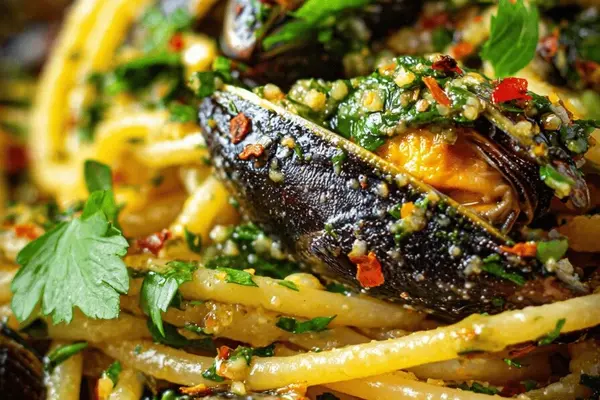
Bigoli Pasta With Mussels and Caramelized Onions
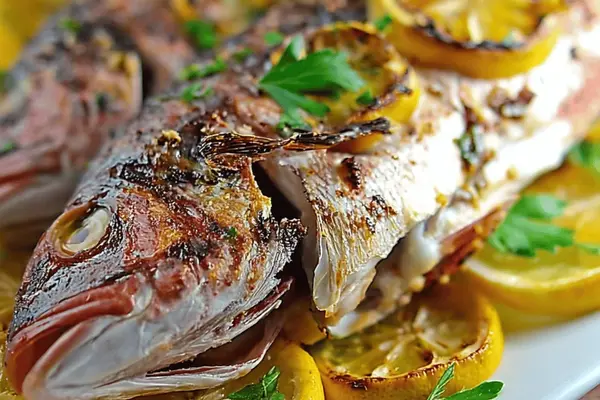
Grilled Red Snapper with Lemon and Garlic
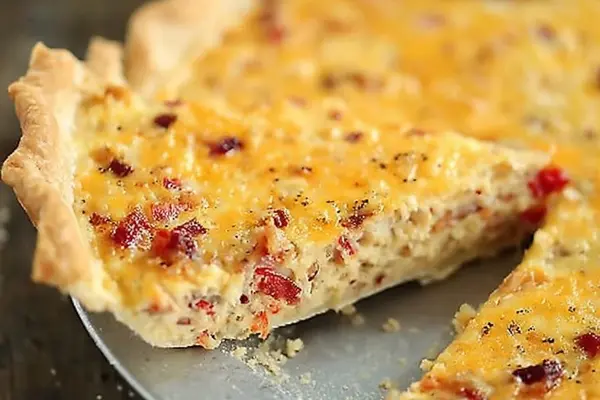
Bacon Quiche with Gouda and Roasted Red Peppers
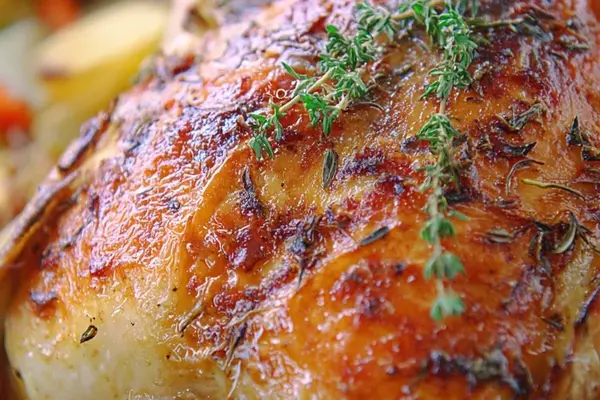
Crispy Herb Roast Chicken with Butter
Meatball Sauce with Beef, Veal & Fresh Basil
Raspberry Sorbet with Mint and Lime

Stuffed Pepper Squash with Roasted Potatoes
Kale Chicken Salad with Goat Cheese
Paloma Beverage Recipe with Grapefruit

Pan Roasted Turkey Breast with Pear Stuffing
Salted Caramel Bacon Monkey Bread Recipe

Air Fryer Carrots with Thyme and Parmesan

Rustic Cowboy Cookies with Walnuts
Blueberry Corn Bread with Honey & Polenta

Peanut Butter Chocolate Sundae No-Churn
Crunchy Veggie Salad with Ginger Lime
Grilled Vegetables: Charred Three Bean