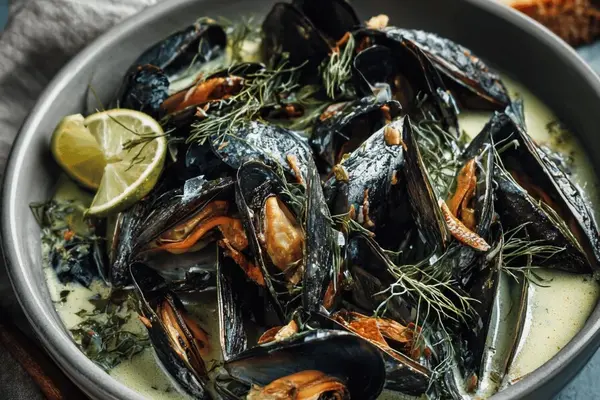
Creamy Coconut Mussels with Lemongrass
By Emma
Certified Culinary Professional
·
Recipe tested & approved
Set the oil to medium and listen for that first sizzle. Shallot goes in next, then the moment the garlic hits, the whole kitchen smells like you know what you’re doing. Lemongrass paste gets stirred in—bright, citrusy, nothing heavy about it. Lite coconut milk, honey, lime juice. Broth comes alive. Then the mussels. Cover it. Eight to twelve minutes. The shells pop open like they’re telling you something. That’s it. Thirty minutes total, maybe less if you move.
Why You’ll Love This Mussels Recipe
Takes 30 minutes flat. No weird specialty gear needed. Works on a weeknight when you want something that tastes like you actually tried.
Mussels in coconut milk taste like Asian seafood, but lighter than it sounds—the lite coconut milk keeps it from getting heavy. One bowl. One skillet. Cleanup is basically done already.
Healthy? Yeah. Protein, nothing fried, lime juice instead of cream. Works as a full dinner or a side. Bread on the side soaks up the broth—that part matters.
Tastes better the second time you make it. Once you know when to listen for the shells, you stop overthinking. Muscle memory kicks in.
What You Need for Mussels in Creamy Coconut
Shallot. Minced fine. Garlic clove, same deal—one is enough. Lemongrass paste works if you can’t find the fresh stalk. If you find fresh lemongrass, use it. Tastes brighter.
Olive oil. Not much. Fifteen milliliters. That’s about a tablespoon.
Lite coconut milk. This matters. Full fat gets too rich. The lite version stays silky without drowning everything.
Honey. A teaspoon and a half. Small amount. Balances the acid.
Fresh lime juice. Not bottled. The fresh stuff changes the whole thing. Ten milliliters, maybe a bit more if your limes are small.
Mussels. A kilogram. That’s roughly two pounds. Get them the same day you cook. They don’t keep. Clean them under cold water, pull off the beard if it’s still there.
Salt and fresh cracked black pepper. Mussels already bring salt water to the party, so go light early. Adjust at the end.
How to Make Mussels in Creamy Coconut Broth
Heat the oil on medium. Wait for the sizzle—not a roar, just that first sharp sound that tells you it’s ready. Thirty seconds maybe.
Shallot goes in. Stir gently. You’re not browning it, just softening it. Three to four minutes. The kitchen smells different now. That’s when you add the garlic.
Garlic gets stirred in with the shallot. Still medium heat. Still soft, not brown. The aromatics are building. This is the foundation.
Lemongrass paste. Drop it in. Stir immediately. The smell changes—citrusy now, bright, alive. Sixty seconds of stirring. That’s all.
Pour the lite coconut milk into the pan. Not fast. Let it settle. It’ll look separated at first. That’s normal. Keep the heat at medium.
Honey gets stirred in until you can’t see the crystals anymore. Then the lime juice. The broth transforms—suddenly sharp, suddenly balanced. Taste it. This is your baseline.
Salt and pepper. Go light. The mussels bring brine. You can add more later, you can’t take it back.
How to Get Mussels Tender Without Overcooking Them
Crank the heat. Medium-high now. Watch the broth. You want it just starting to bubble—not rolling, just bubbling. Temperature matters here because if you go too hot too fast, the coconut milk breaks and the sauce gets grainy.
The second the broth bubbles, dump the mussels in. Fast. Cover immediately. The steam does half the work.
Eight to twelve minutes. Listen. You’ll hear them opening—little pops and clicks. The broth gurgles underneath. That’s your signal.
Halfway through, shake the skillet gently. Don’t lift the lid long. In and out. Helps them cook evenly.
The mussels tell you when they’re done. Shells open. That’s it. Don’t wait for them all to open—the first batch opens at eight minutes. By twelve, you’ve got them all, and the ones that opened early are still tender because the broth is gentle.
Any shells still clamped shut at the end? Discard them. Not worth it.
Mussels in Creamy Coconut Sauce Tips and Common Mistakes
Lite coconut milk. Don’t skip this for full fat. The dish gets heavy. The whole point is silky broth without weight.
The lemongrass paste—find it in the Asian aisle. Minced fresh lemongrass works too. Different texture, same flavor. You want that citrus note. Without it, it tastes like plain coconut, which is boring.
Lime juice. Squeeze it fresh. Bottled stuff is flat. The fresh juice is sharp and alive. That sharpness is what makes the whole thing click.
Mussels cleaned means rinsed under cold water. Pull off any beard—that’s the hairy bit hanging off the side. Some come with it, some don’t. Takes two seconds.
Heat control matters most when the coconut milk goes in. Too hot and it separates into grease and liquid. Medium is enough. You’re not boiling. You’re simmering gently.
Don’t overcrowd the skillet. A kilogram of mussels fits. Barely. If you cram more in, they steam instead of opening. The ones in the middle get tough.
The broth seasons itself as the mussels open—they release salt water. Taste at the end. Adjust. Don’t oversalt early.
Listen instead of watching the clock. Clocks lie. Shells popping open is real.
Creamy Coconut Mussels with Lemongrass
Prep:
12 min
Cook:
18 min
Total:
30 min
Servings:
2 servings
Ingredients
- 1 shallot, finely chopped
- 1 garlic clove, minced
- 15 ml (1 tbsp) lemongrass paste or freshly minced stalk
- 15 ml (1 tbsp) olive oil
- 200 ml (slightly less than 1 cup) lite coconut milk
- 7 ml (1.5 tsp) honey
- 10 ml (2 tsp) fresh lime juice
- 1 kg (2.2 lb) mussels, cleaned
- Salt, to taste
- Fresh cracked black pepper, to taste
Method
- 1 Heat olive oil in a deep skillet over medium; the sizzling sound tells you it’s ready.
- 2 Add shallot and garlic, stir gently until translucent, not browned - about 3-4 minutes. The aroma here sets the stage.
- 3 Drop in lemongrass paste; stir to release its citrusy notes - it should smell bright but not overpower.
- 4 Pour in the lite coconut milk - not full fat here; it’s about balance, getting the broth silky without heaviness.
- 5 Sweeten with honey, stir until dissolved, then splash in lime juice for that sharp punch.
- 6 Season lightly with salt and pepper; remember mussels bring briny punch so go easy now.
- 7 Crank up heat until broth just begins to bubble - watch closely; too high will break the coconut milk.
- 8 Toss in mussels quickly, cover immediately to trap steam and flavors.
- 9 Cook 8-12 minutes; listen for shells popping open and gurgling broth.
- 10 Shake skillet gently halfway to redistribute mussels, avoid overcooking—shells only just open means tender flesh.
- 11 Discard any mussels remaining tightly closed - these won't save you from bitterness or crunch.
- 12 Give broth a taste, adjust salt and pepper as needed; the balance of sweet, tangy, and salty is key.
- 13 Ladle mussels and broth into warm bowls. The shell’s glisten and tender meat beneath tell you it’s ready.
- 14 Serve immediately, soak it up with crusty bread or a light salad.
Nutritional information
Calories
230
Protein
28g
Carbs
6g
Fat
8g
Frequently Asked Questions About Mussels in Creamy Coconut
Can I use full fat coconut milk instead of lite? You can. Gets heavy though. The whole thing tastes like dessert instead of dinner. Lite keeps it balanced.
What if I can’t find lemongrass paste? Fresh stalk works. Mince it fine. Or skip it and add lime zest instead—not the same, but it gets you brightness. One of the two.
How long do mussels keep in the fridge? Buy them same day. Cook them same day. They don’t sit around. If they smell like ocean rock, they’re fine. If they smell like ammonia, throw them out.
Can I make this ahead? The broth keeps. Refrigerate it. Reheat it. Cook the mussels fresh when you’re ready to eat. Reheated mussels get tough.
What if some mussels don’t open? Discard them. Dead mussels don’t open. Living ones do, even if it takes a few extra minutes. Force them open and you’ve got a problem.
Should I rinse the mussels after cooking? No. The broth is the whole point. Rinse them would be throwing away flavor. Just pull them out of the shells into the bowl with the broth.
Does this work cold? Not really. This is hot food. Coconut broth separates when it’s cold. Makes it grainy. Eat it warm or don’t bother.
What bread works best? Crusty bread. Sourdough. Something that doesn’t dissolve. You need it to hold up to the broth. Soft bread falls apart.
You’ll Love These Too
Explore all →
Banana Pudding Recipe With Cool Whip
Shredded Pork BBQ Sauce with Chipotle
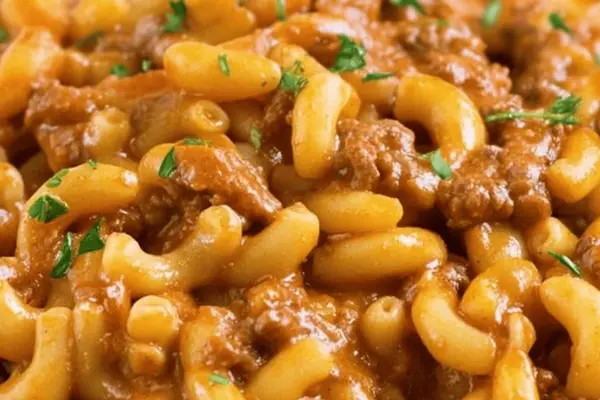
Beef Pasta with Smoked Paprika and Cheddar

Meals With Leftover Turkey Quesadillas

Mexican White Cheese Dip Sauce

Cinnamon Rolls with Cherry Preserves & Cream Cheese
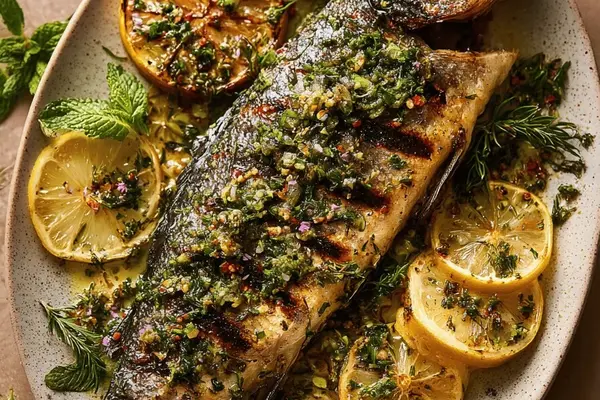
Grilled Whole Sea Bass with Lemon & Herbs
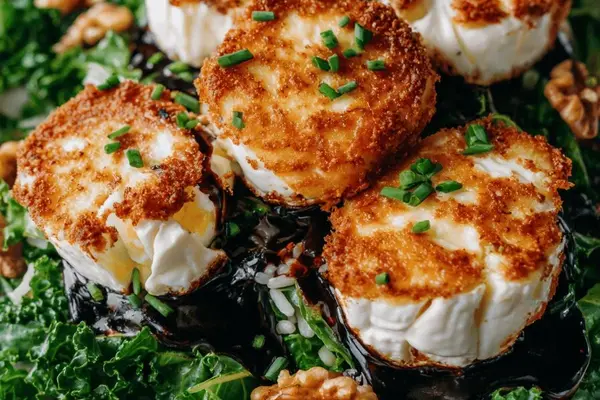
Air Fryer Goat Cheese Salad with Kale
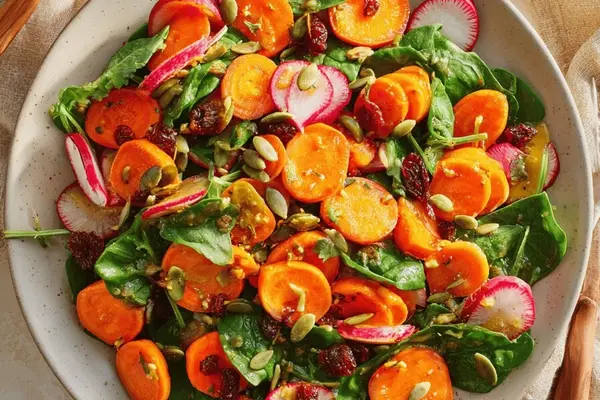
Crunchy Veggie Salad with Ginger Lime

Oven-Baked Steak Hash Omelet with Cheddar
Roast Leg of Lamb with Port Wine & Cherry

Chicken Casserole with Sweet Potatoes

Cinnamon Toast Crunch Cheesecake Bites

Rustic Sauerkraut Soup with Pancetta

Spanish Potato Omelet with Manchego Cheese
Honey Cinnamon Sweet Potatoes in Cast Iron

Oreo Mug Cake Recipe: 5-Minute Microwave
Grilled Pork Chops with Roasted Zucchini Salad

Crispy Fried Spring Rolls with Pork