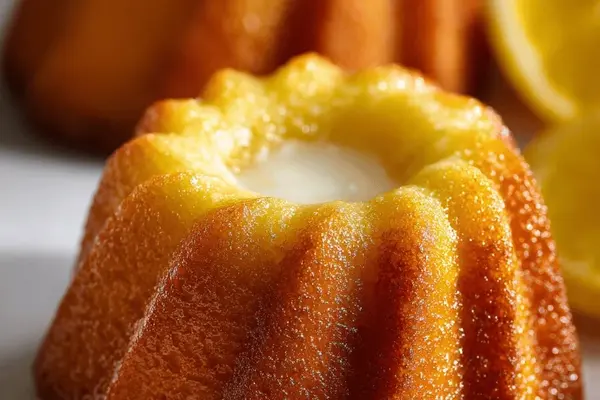
Mini Orange Bundts with Almond Flour
By Emma
Certified Culinary Professional
·
Recipe tested & approved
Pour the orange juice in slowly while beating. Don’t rush it. The batter goes from thick to almost liquid in seconds, and it works.
Why You’ll Love This Mini Citrus Bundt Cakes
Makes fifteen cakes instead of one huge thing. Easier to gift. Easier to freeze one or two and come back to them.
Almond flour in the dry mix keeps them tender all the way through — not cakey-dense, not gluey either. Just the right weight.
Tastes like actual orange, not extract. That’s the zest plus the juice doing it. Nothing fake.
Coconut oil instead of butter changes the crumb texture. It’s lighter somehow. Don’t ask me why. Just is.
Stays moist the next day. Maybe better the next day.
What You Need for Mini Orange Bundts
All-purpose flour and almond flour mixed together. That ratio matters — too much almond and it gets gritty, not enough and you lose the tenderness. Just use the amounts.
Sugar and one egg beaten until it goes pale and ribbony. Three minutes of actual beating, not thirty seconds. You’ll see it happen.
Orange zest. Fresh. A microplane works best but a grater’s fine too. Get the thin part, not the white bitter stuff underneath.
Melted coconut oil. Not softened, not solid — actually melted. Cooled a bit so it doesn’t scramble the egg when it goes in.
Fresh orange juice and yogurt. Two percent fat yogurt, not Greek, not zero fat. The fat matters. Juice should be squeezed, not bottled. You can tell the difference.
Baking powder and baking soda. They work together. Don’t skip the soda just because there’s yogurt acid.
How to Make Mini Orange Bundts
Oven to 170 degrees Celsius. Center rack. That temperature matters — higher and the tops crack before the insides set. Learned that the hard way.
Butter the pans. All fifteen. Get in the corners, the ridges, everywhere. Even a tiny dry spot means the cake sticks and tears when you flip.
Whisk the flours with baking powder and soda in one bowl. Mix them actually well — the leavening has to spread through or you get dense spots. Takes a minute.
How to Get Mini Citrus Bundt Cakes with Perfect Crumb
Sugar, egg, and orange zest in another bowl. Beat it hard. Three minutes minimum. You’re aerating the batter and it shows — the mixture goes from thick and yellow to pale and fluffy. When you lift the beaters, ribbons of it drip back down. That’s the signal.
Drizzle the melted coconut oil in slowly while the mixer’s on low. If you dump it all at once it doesn’t incorporate right. Takes maybe a minute to add it all.
Now the alternating part. Dry mix, then orange juice and yogurt together, then dry again. Start with dry, end with dry. Don’t overmix — stir until you can’t see the flour streaks anymore, then stop. Overmixed bundt batter gets tough and the crumb turns dense.
Spoon the batter in evenly. Forty milliliters per pan roughly — that means about three quarters full. Tap the pans on the counter a few times. Releases the air bubbles hiding in there.
Twenty-two minutes in the oven. Could be twenty or twenty-four depending on your oven — they’re all different. Toothpick test: insert in the middle. It should come out with maybe one or two moist crumbs clinging to it. Not wet batter. Not totally clean either.
Cool in the pans for seven minutes first. Then flip them out onto cooling racks. This is important because if you flip them while they’re hot they’re fragile and tear. Wait those seven minutes.
Mini Orange Bundts Tips and Mistakes
Don’t skip the cooling in the pan. Sounds weird but it matters. The cakes firm up just enough that they come out clean instead of leaving half the cake behind.
Room temperature ingredients mix better but honestly if they’re cold it’s fine. Just beat a bit longer.
Orange juice from concentrate doesn’t work the same way. Too concentrated. Tastes off. Fresh is better.
If the tops are cracking that means the oven’s too hot or the bake time’s wrong. Lower the temp five degrees next time. The insides take longer but the tops stay flat.
The zest amount is right at ten milliliters. More and it gets bitter. Less and you lose the bright flavor. Not like you can’t experiment but that’s the sweet spot.
Mini Orange Bundts with Almond Flour
Prep:
25 min
Cook:
22 min
Total:
47 min
Servings:
15 mini cakes
Ingredients
- 175 ml unbleached all-purpose flour
- 90 ml almond flour
- 5 ml baking powder
- 2 ml baking soda
- 150 ml sugar
- 1 large egg
- 10 ml orange zest
- 50 ml melted coconut oil
- 110 ml fresh orange juice
- 110 ml plain yogurt 2% fat
Method
- 1 Preheat oven to 170 °C (340 °F). Place rack in the center. Butter fifteen 75 ml mini bundt pans thoroughly. Set aside.
- 2 Whisk together flours, baking powder, baking soda in a bowl. Mix dry ingredients well. Keep ready.
- 3 In a separate bowl, beat sugar, egg, and orange zest vigorously for about 3 minutes or until mixture triples and ribbons drip from beaters.
- 4 Slowly drizzle in melted coconut oil while continuing low-speed mixing. The batter thickens slightly.
- 5 Alternate adding dry mix with orange juice and yogurt in two parts, starting and ending with dry. Mix until just combined; don’t overbeat.
- 6 Spoon roughly 40 ml of batter evenly into each prepared mold. Tap pans lightly to release air bubbles.
- 7 Bake in oven 22 ± 2 minutes. Test doneness with toothpick; it should come out with a few moist crumbs.
- 8 Let cool in pans 7 minutes before inverting onto racks. Cool completely before serving for best texture.
Nutritional information
Calories
160
Protein
3g
Carbs
22g
Fat
7g
Frequently Asked Questions About Mini Orange Bundts
Can I make these in a regular bundt pan instead? One big cake instead of fifteen small ones. Takes longer to bake — probably thirty-five to forty minutes. Check with a toothpick. Everything else stays the same.
How long do they last? Three days in an airtight container at room temperature. Five days in the fridge. Freeze them up to three months wrapped individually.
What if I don’t have almond flour? Use all-purpose instead. They won’t be quite as tender. Not terrible, just more like regular bundt cakes. Could add a tablespoon of cornstarch to compensate but haven’t tested it enough to promise.
Can I substitute the yogurt? Sour cream works one-to-one. Greek yogurt makes them denser — too much protein. Regular milk mixed with lemon juice or vinegar works in a pinch.
Do I need special mini bundt pans? Yes. The seven-five-milliliter ones specifically. Other sizes throw off the bake time. They’re cheap and worth having.
What’s the texture like when they’re done? Tender but not fragile. The crumb holds together when you bite into it. Slightly moist in the center — not wet, not dry. Like actual cake, not a muffin.
You’ll Love These Too
Explore all →
Strawberry Lemon Bars with Buttery Crust
Roasted Root Vegetables Recipe with Balsamic
Apple Caramel Cookies with Brown Butter
Beef Pasta with Smoked Paprika and Cheddar
Creamy Pumpkin Soup with Pistachios
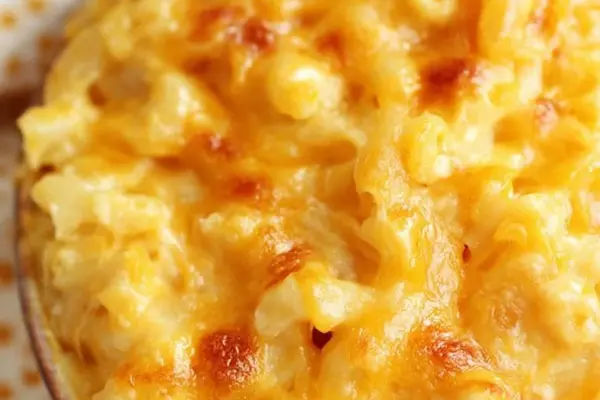
Creamy Mac and Cheese with Cheddar
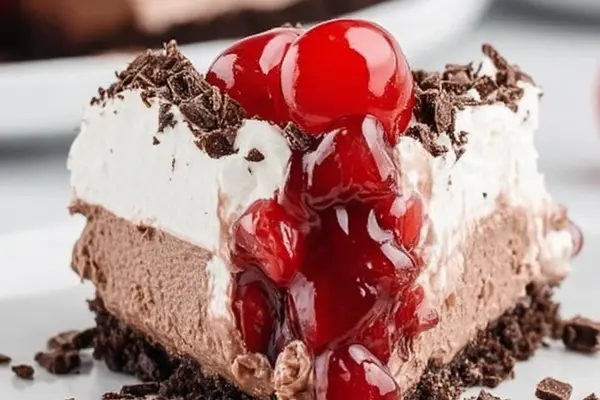
No-Bake Black Forest Cheesecake with Oreo Crust
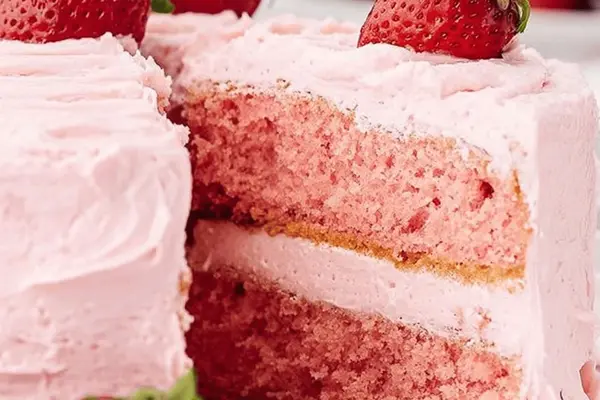
Strawberry Cake with Cream Cheese Frosting
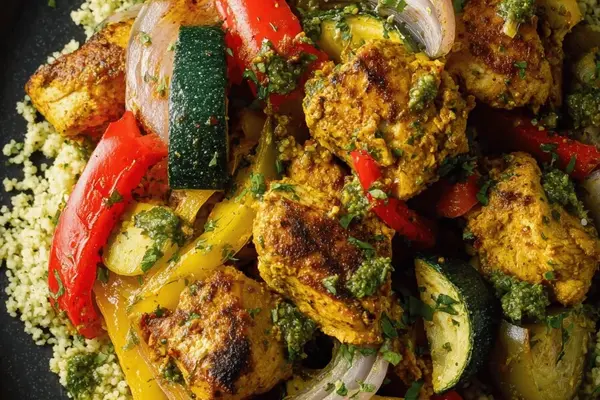
Curried Chicken Veg Traybake Recipe
Apricot Nut Bites with Dark Chocolate
Butter Board Recipe with Roasted Garlic
Collard Greens Recipe with Smoked Turkey
Beef Gnocchi with Smoked Paprika
Fluffy Pancakes with Yogurt & Chocolate
Glutinous Rice Mochi Ice Cream Recipe
Simple Turkey Chili with Black Beans
Riesling Chicken Thighs with Shiitake Mushrooms

Lobster Pasta with Cherry Tomatoes & White Wine
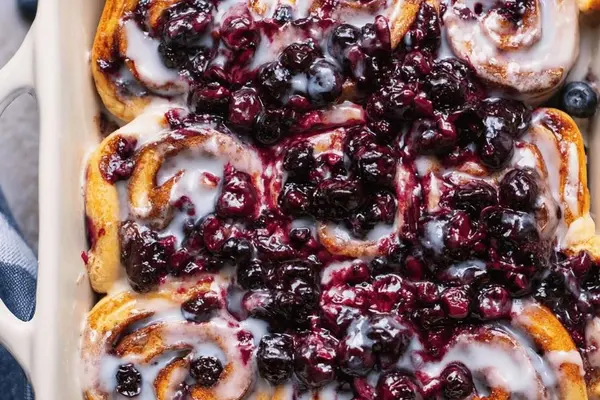
Blueberry Cinnamon Rolls Recipe