
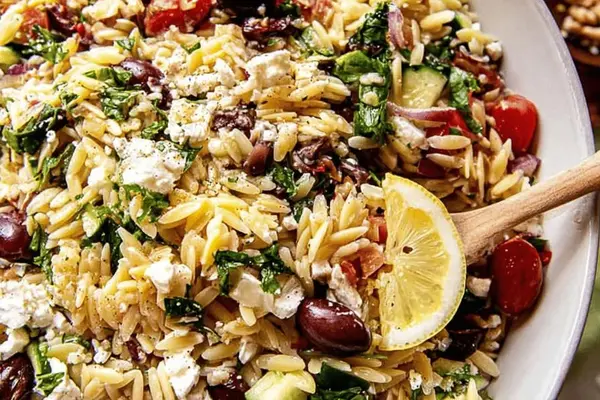
Mediterranean Orzo Salad with Goat Cheese
By Emma
Certified Culinary Professional
·
Recipe tested & approved
Mediterranean orzo salad tossed with cucumber, sun-dried tomatoes, goat cheese, kalamata olives, and fresh mint. Dressed with lemon juice, garlic, and olive oil for a bright, refreshing side.
Prep:
12 min
Cook:
13 min
Total:
25 min
Servings:
8 servings
Drain the orzo straight into ice water—you need it cold fast or it keeps cooking and gets mushy. Three things happen at once: the pasta cools, the starches rinse off, everything stops. Then you’ve got your base. Took me two tries to figure that out.
Why You’ll Love This Mediterranean Orzo Salad
Takes 25 minutes start to finish. No heat after the pasta. Summer pasta salad that actually tastes good cold the next day — better even. Goat cheese melts slightly into warm pasta. Tangy. Works. Mint instead of basil. Different. Not the obvious choice. Crumbly feta gets old. Vegetarian, but doesn’t feel like it’s missing something. One bowl. Dressing goes right in. No separate anything. Cleanup is basically nonexistent.
What You Need for Mediterranean Orzo Pasta Salad
Orzo pasta. The tiny grain-shaped stuff. If you can’t find it, small shells work. Elbow works. Matters less than people think.
English cucumber—the long thin kind. Regular cucumber has too much water and too many seeds. Makes the salad soggy. Not worth fighting.
Sun-dried tomatoes packed in oil. Don’t buy the dry ones. You’ll end up rehydrating them and adding extra steps. The oily kind just sit there ready to go. Use the oil from the jar too—it’s already seasoned.
Goat cheese. Crumbled. The tang is the whole point. Feta works but tastes like every other Mediterranean thing. Goat cheese tastes like something.
Kalamata olives. Pitted. Sliced. Salt already built in so go easy on seasoning later.
Red onion. Raw. It stays sharp and the color doesn’t fade.
Fresh mint and parsley. Not dried. Dried herbs taste like dust in this. Fresh is the one place you can’t skip it.
For dressing: extra virgin olive oil, fresh lemon juice, white wine vinegar—not red, not balsamic—one garlic clove minced small, dried oregano, salt, cracked black pepper.
How to Make Mediterranean Orzo Salad
Boil salted water. Don’t be shy with the salt—it should taste like the ocean. Stir constantly when the orzo goes in so nothing sticks to the bottom. You want al dente. Still has a bite. Not soft. Not chalky either—that weird middle ground where it snaps when you bite it but gives too.
Takes 8 to 10 minutes usually. But taste it. The smell changes when it’s close—gets kind of nutty and toasted. That’s your signal to start checking. Don’t time it. Taste it.
Drain it immediately into a fine sieve the second it’s done. No waiting. Cold water goes on right after—run it under the tap until it stops steaming. You’re stopping the cooking. Shake it dry in the sieve. The drier it is now, the better the dressing absorbs later.
Let it sit in a bowl while you prep everything else. Room temperature. Not cold. Cold pasta won’t absorb dressing properly.
Dice the cucumber. Chop the sun-dried tomatoes. Slice the olives. Mince the red onion fine—not chunks, not paste, just small pieces. Crumble the goat cheese. Chop the mint and parsley separate from each other.
How to Get Your Orzo Salad Cold and Properly Dressed
Add everything to the cooled orzo. Cucumber, tomatoes, olives, onion, goat cheese, mint, parsley. Toss it once gently—you want it mixed but not destroyed. The goat cheese will break up more when you dress it anyway.
Whisk the dressing in a separate bowl. Olive oil first, then lemon juice, then vinegar, then the minced garlic, oregano, salt, pepper. Whisk until it looks pale yellow and slightly thick. The emulsion is what matters—it holds together instead of separating. Takes maybe a minute of actual whisking.
Taste it. Adjust salt or lemon. You want bright and tangy but not sour. That’s the balance.
Pour the dressing over the orzo mixture. Don’t dump it all at once if you’re making this ahead—save maybe a quarter of it. Toss everything so every piece gets coated. This takes longer than you think. Every piece should have dressing on it.
Chill it minimum 30 minutes. The flavors meld. The pasta actually tastes like something instead of just texture. If you’re eating it right away, room temp works fine too—it’s different but good different.
Mediterranean Orzo Salad Tips and Common Mistakes
Don’t overdress it the moment you make it if you’re not eating it immediately. It gets soggy. The pasta absorbs liquid over time. Save extra dressing on the side and toss it in 20 minutes before serving.
If it sits overnight and looks dry, drizzle more olive oil and toss again. It’s not broken. It just absorbed everything.
Rinse the orzo thoroughly. Most people skip this or do it half-assed. The starch that rinses off is what makes it gluey. Cold water, actual rinsing, not a quick splash.
Use goat cheese for the tang. Ricotta salata works if goat cheese isn’t there. Queso fresco works. Feta tastes like nothing new. Avoid it.
Mint and parsley—use fresh. Dried tastes like nothing. Fresh is the one ingredient you can’t cheat on here. If you’re worried about wilt, chop them and keep them separate, toss them in literally at the end.
Sun-dried tomatoes. The ones packed in oil. If you only find dry ones, soak them in warm water 10 minutes, drain them completely, get them dry. Extra liquid ruins the salad texture. But honestly buy the oiled ones. Easier.
Garlic. One clove. If you like garlic more, add more. If you hate it, go lighter. It’s forgiving that way. Minced small so it distributes evenly, not big chunks.
Toasted pine nuts or slivered almonds add crunch if you want it. Not necessary. But they’re good.
Mediterranean Orzo Salad with Goat Cheese
Prep:
12 min
Cook:
13 min
Total:
25 min
Servings:
8 servings
Ingredients
- 1 2/3 cups orzo pasta
- 1 medium English cucumber diced
- 1 cup sun-dried tomatoes chopped, packed in oil
- 3/4 cup crumbled goat cheese (instead of feta)
- 1/3 cup kalamata olives pitted and sliced
- 1/2 cup chopped red onion
- 1/2 cup fresh mint leaves chopped (instead of basil)
- 1/4 cup fresh parsley chopped
- For dressing
- 1/3 cup extra virgin olive oil
- 3 tablespoons fresh lemon juice
- 1 tablespoon white wine vinegar
- 1 medium garlic clove minced
- 1/2 teaspoon dried oregano
- Salt and cracked black pepper to taste
Method
- Cook orzo
- 1 Bring salted water to full boil, add orzo stirred constantly for even cook. Look for al dente—still a bite but not chalky. Usually 8-10 minutes but smell nutty aroma and feel slight resistance under teeth. Drain immediately in fine sieve.
- 2 Rinse under cold tap fast to halt cooking. Drain well, shake dry. Set aside in bowl to cool to room temp.
- Combine salad
- 3 Add diced cucumber, chopped sun-dried tomatoes, kalamata olives, red onion, crumbled goat cheese, chopped mint and parsley directly to cooled orzo. Toss gently but thoroughly.
- Make dressing
- 4 In small bowl, whisk olive oil, lemon juice, white wine vinegar, minced garlic, oregano, salt, and pepper. Whisk till emulsified and pale yellow sheen appears. Garlic should be evenly distributed for balanced punch. Taste adjust salt or lemon as needed.
- Dress salad
- 5 Pour dressing over orzo mixture. Toss completely so every piece coated. Don’t overdress or it gets soggy. Save some dressing on side if making ahead for freshness punch later.
- 6 Chill salad minimum 30 minutes for flavors to meld but it can serve room temp anytime.
- 7 Garnish last minute with fresh mint leaves for extra aroma and vibrant color.
- Tips
- 8 If no orzo, use small shells or small elbow pasta. Rinsing crucial to stop overcooking and clumping. Use goat cheese for tang, substitute with ricotta salata or queso fresco if unavailable. Add toasted pine nuts or slivered almonds for crunch twist.
- 9 If salad too dry after chilling, drizzle extra olive oil and toss lightly just before serving.
- 10 Adjust garlic amount based on preference. Reserve chopped herbs separately to toss just before serving if worried about wilt.
- 11 Sun-dried tomatoes packed in oil avoid soaking—if dry ones, rehydrate in warm water 10 minutes and drain thoroughly. Avoid excess liquid in salad.
Nutritional information
Calories
250
Protein
7g
Carbs
29g
Fat
12g
Frequently Asked Questions About Mediterranean Orzo Pasta Salad
Can you make this ahead? Yeah. Make it the morning of. Dressing goes in 20 minutes before serving, not right away. Keeps everything from getting soggy. It actually tastes better after a few hours—flavors meld. Four hours max before it starts breaking down.
What’s the difference between this and regular pasta salad? Goat cheese. Mint instead of basil. Lemon dressing instead of mayo or Italian. It’s lighter. Tastes like Mediterranean. Not heavy.
Can you substitute the goat cheese? Ricotta salata works. Queso fresco works. Regular feta works but tastes like every other Mediterranean salad ever made. Goat cheese is the point.
Does this work with regular vinegar or balsamic? White wine vinegar is what’s in here. Balsamic changes the flavor completely—gets too sweet. Red vinegar is harsher. White wine vinegar sits right in the middle. Don’t swap it.
How long does leftover orzo salad keep? Three days in the fridge covered. After that it gets watery. The vegetables release liquid. It’s not bad but it’s not the same. Eat it within two days for best texture.
Can you use regular pasta instead of orzo? Small shells, small elbow, ditalini—anything small works. Regular spaghetti doesn’t. Too long. Penne is too big. Texture matters. You want pieces that mix evenly, not chunks.
Should this be served cold or room temperature? Cold is better. Let it chill 30 minutes minimum. Room temp works if you’re in a hurry but the flavors don’t meld as well. Cold makes everything taste sharper and brighter.
You’ll Love These Too
Explore all →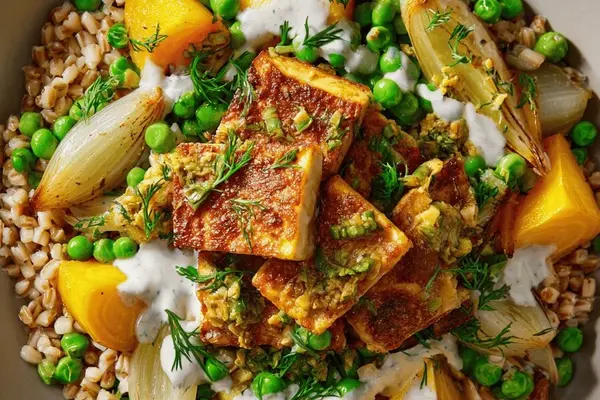
Roasted Root Vegetables with Tofu & Barley
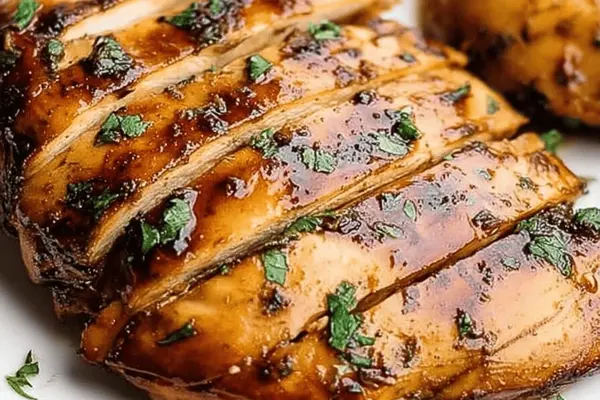
Grilled Chicken Breasts with Honey Soy Marinade
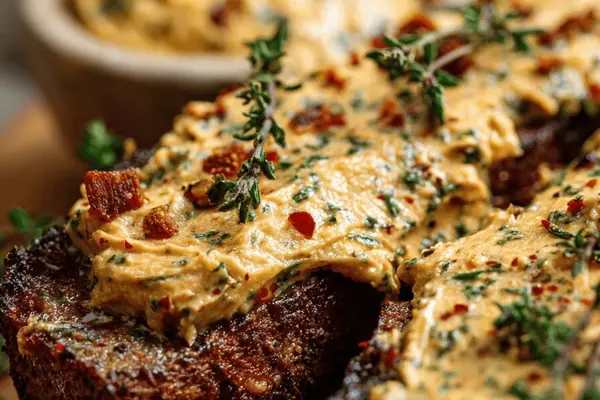
Spiced Bacon-Herb Butter with Dijon

Gluten-Free Tuna Fritters with Corn Masa

Pineapple Dessert Ideas with Lime Granita

Blueberry Corn Bread with Honey & Polenta

Crepes Recipe with Oat Milk and Honey

Cheesy Scalloped Potatoes with Cheddar

Cheesy Pigs In A Blanket - 20 Minute
Slow Cooker Meatloaf with Panko and Worcestershire
Coleslaw Recipe with Cabbage and Hot Sauce

Melon Banana Smoothie with Peach & Coconut Water

Meatballs in Crock Pot with Tangy Sauce

Fluffy Pancakes with Yogurt & Chocolate

Cherry Chip Cake with Maraschino Cherries

Mashed Sweet Potatoes with Orange Cream
Muhammara Recipe: Roasted Red Pepper Dip
Avocado Tuna Salad No Mayo Recipe

Smoked Salmon Hors D'Oeuvres Tart