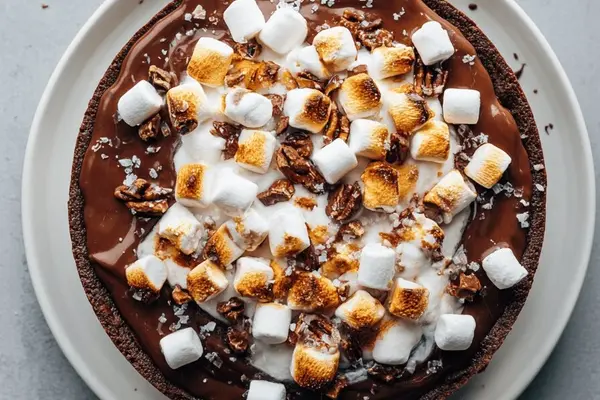
Marshmallow Pecan Fudge Twist Recipe
By Emma
Certified Culinary Professional
·
Recipe tested & approved
Crack the pecans first thing—watch them darken in the heat till they smell actually nutty, not burnt. This matters more than you’d think. Cool them completely before they go anywhere near the candy.
Why You’ll Love This Marshmallow Pecan Fudge Twist
No oven needed. Just a pan and 40 minutes total. Toasted pecans stay crisp even after they hit the warm fudge. Most fudge gets soggy with mix-ins. This doesn’t. The brown sugar caramel base hits different than regular chocolate candy. Darker, more complex. Not just sweet. Marshmallows dissolve slightly but don’t disappear—you still get the chew. Texture thing. Works cold or room temperature. Actually better room temp. Fridge dries it out a little.
What You Need for Bittersweet Chocolate Fudge with Pecans
Toasted pecan halves—300 ml, which is about two cups before they’re done. Regular pecans work but won’t be the same. Heavy cream. 35% fat or close to it. Half-and-half is too thin. Coconut cream works if you need dairy-free, but expect the texture to shift slightly thicker. Brown sugar. Packed. The moisture in it matters for the caramel layer. Bittersweet chocolate. Chopped. Not chips—they melt unevenly. Seventy percent cocoa or thereabouts. White chocolate is sweeter but softer. Not recommended unless you like that. Mini marshmallows. Full-size ones are too much. They don’t dissolve right. Vanilla extract. A teaspoon. Just use it. Flaky sea salt. A quarter teaspoon. Not iodized. Iodized tastes like metal.
How to Make No Bake Fudge
Get the pecans hot first. Pan or oven—either works, but watch constantly. When they start getting darker spots and smell like toasted nuts (not burnt, there’s a difference), pull them off heat. Cool them completely. Soggy pecans ruin the whole thing.
Heavy cream and brown sugar go in a saucepan together. Medium heat. You’re looking for small bubbles forming around the edges, which means the sugar’s actually dissolving. Don’t rush this. Low and slow keeps the sugar from scorching on the bottom where you can’t see it. The whole thing should be one smooth brown liquid before you move forward.
Add the chopped bittersweet chocolate. Turn the heat off first. Stir gently with a spatula until it’s glossy and thick—get every last shiny bit off the bottom and sides. This is where it goes from liquid to sauce.
Turn heat back to medium. Get a candy thermometer in there. You’re boiling gently now, stirring constantly. The thermometer’s the whole point. When it hits 114°C to 116°C—that’s the firm ball stage approaching—pull it off heat immediately. Overshoot and it gets grainy. Undershoot and it won’t set. Timing is critical.
How to Get Marshmallow Chocolate Fudge Twist to Set Right
Hot fudge goes in a large bowl. Vanilla extract and flaky sea salt get stirred in. Then the mini marshmallows and toasted pecans go in.
Use a sturdy wooden spoon and stir. Ten to 20 minutes. Marshmallows start breaking down but don’t fully disappear. Watch the texture change from glossy to thick and matte. That’s the sugar crystallizing. You can feel it happening. That’s when you know you’re done.
Line a 13 by 23 centimeter pan with parchment paper. Pour everything in. Tap the pan gently on the counter a few times to get air bubbles out and level the surface.
Room temperature. Uncovered. About 30 minutes until it’s firm but still soft when you press it. Kitchen temperature affects this—cold kitchen, faster set. Warm kitchen, slower. Then fridge for 15 minutes if you want a cleaner cut.
Cut with a sharp knife. Wipe it clean between cuts or the fudge sticks to the blade.
Marshmallow Pecan Fudge with Sea Salt Tips and Storage
Toast nuts ahead of time. Chop chocolate ahead. Everything else is quick once you start. Silicone spatula scrapes better than anything else—get every bit.
Candy thermometer accuracy matters. One degree difference between 114 and 115 changes the whole result. Don’t cheap out here.
Fudge too soft? You underbaked the sugar. Heat longer next time but watch it. Too hard? Undercook slightly and chill less. Sticky fudge means you didn’t stir long enough off heat to finish crystallization. Stir longer next time.
Store it airtight but not in the fridge. Fridge dries it out. Cool place works fine. Goes for several days. Maybe a week if no one finds it.
Walnuts work instead of pecans. Coconut cream instead of heavy cream for dairy-free. White chocolate if you want sweeter but softer. Expect texture shifts with substitutions.
Marshmallow Pecan Fudge Twist Recipe
Prep:
20 min
Cook:
20 min
Total:
40 min
Servings:
36 bites
Ingredients
- 300 ml toasted halves pecans
- 200 ml heavy cream 35%
- 200 ml packed brown sugar
- 200 g bittersweet chocolate chopped
- 400 ml mini marshmallows
- 1 tsp vanilla extract
- 1/4 tsp flaky sea salt
Method
- 1 Crackling pecans in hot pan or oven. Watch closely til spots turn darker; smell rich nutty aroma. Cool before use to keep them crisp—no soggy pieces.
- 2 Heavy cream and brown sugar in saucepan. Bring low boil, small bubbles forming around edges, sugar fully dissolved. Slow and steady heat to avoid scorching sugar on bottom.
- 3 Add chopped bittersweet chocolate off direct heat, stir gently till melted into thick glossy sauce. Use spatula to get every last shiny bit. Put candy thermometer in.
- 4 Turn heat back to medium. Boil gently, stirring constantly. When thermometer hits 114°C to 116°C (approaching firm ball stage), remove from heat immediately. Timing critical here; overshoot and fudge gets grainy, undershoot and it won’t set.
- 5 Pour hot fudge into large bowl and add vanilla extract plus flaky salt. Stir in mini marshmallows and toasted pecans.
- 6 Use sturdy wooden spoon to stir 10 to 20 minutes. Marshmallows start dissolving but still keep chew. Texture changes from glossy to thick and matte—critical tactile sign the sugar is crystallizing correctly.
- 7 Line 13 x 23 cm pan with parchment paper. Pour fudge mixture in. Tap pan gently on counter to release air bubbles and level out surface.
- 8 Let it cool at room temperature uncovered until firm but still soft to press; about 30 minutes depending on kitchen climate. Then transfer to fridge for 15 minutes if needed for sharper cut.
- 9 Cut into 36 small squares with sharp knife cleanly wiped between cuts.
- 10 Store airtight in cool place but not fridge to avoid drying out. Will keep several days.
- 11 Substitutions: walnuts instead of pecans; coconut cream instead of heavy cream for dairy-free alternative but expect texture shift; white chocolate for sweeter but softer fudge.
- 12 Problem solver: fudge too soft? Heat longer but risk grainy. Too hard? Slightly undercook and chill less. Sticky fudge? Stir longer off heat to finish crystallization.
- 13 Efficiency trick: toast nuts and prep ingredients beforehand. Use silicone spatula for scraping. Use candy thermometer accurate to 1 degree for best results.
Nutritional information
Calories
150
Protein
2g
Carbs
15g
Fat
10g
Frequently Asked Questions About No Bake Fudge
Can I make this without a candy thermometer? Technically yes. But the whole thing depends on hitting the right temperature. You’ll guess and get inconsistent results. Buy one. They’re cheap. Not worth eyeballing this.
How long does it actually stay good? Several days at room temperature in an airtight container. Week maybe if your kitchen stays cool. Don’t refrigerate or it gets weird and dry.
What if my fudge came out grainy? You overcooked the sugar. Happened to me once. The chocolate fudge turns grainy and sandy if you go past 116°C. Next batch, pull it off heat at 114. Give yourself a two-degree window.
Can I use regular marshmallows instead of mini? They’re too big. They don’t dissolve the same way. You’ll get chunks of marshmallow instead of that integrated chew. Mini is the move.
Is there a dairy-free version? Coconut cream works but the texture shifts. It gets thicker, denser. Not bad, just different. Haven’t tried almond cream. Probably doesn’t have enough fat.
Why does mine look matte instead of glossy? Because it set. That’s correct. Glossy means it’s still soft. Matte means the sugar crystallized right. You want matte.
You’ll Love These Too
Explore all →
Pistachio Maple Croissants with Lemon Glaze
Jackfruit Tofu BBQ Pull with Chipotle
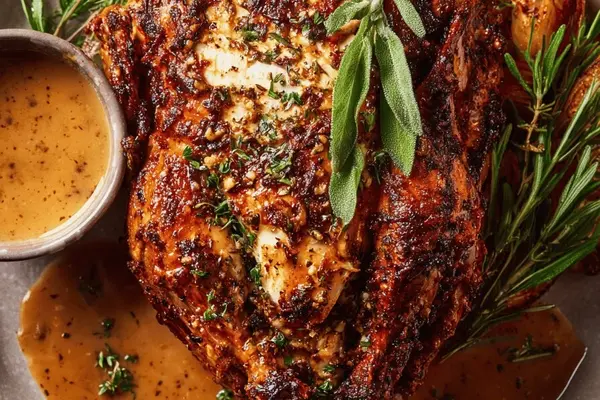
Roast Turkey with Spiced Herb Butter
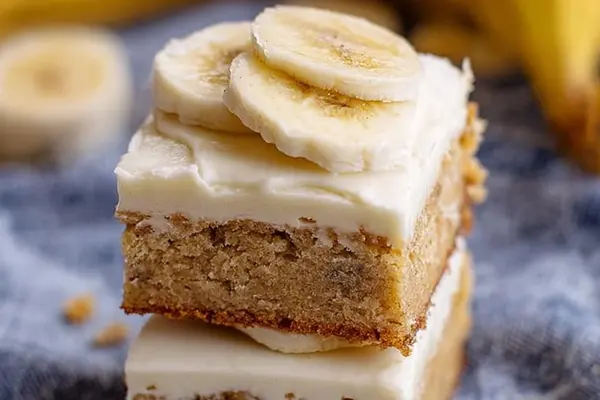
Banana Blondie Bars with Cream Cheese Frosting
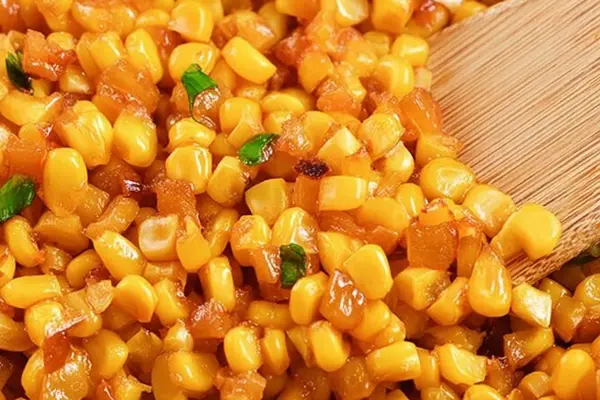
Caramelized Butter Corn with Honey and Pecans
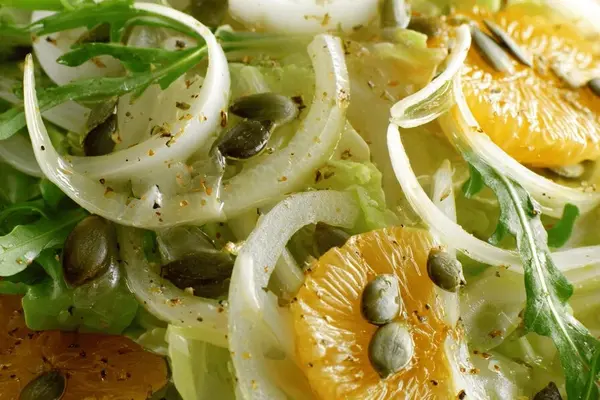
Citrus Fennel Salad with Lemon & Pumpkin Seeds

Carbonara with Pancetta and Pecorino Romano
Crispy Potato Rösti with Spinach Recipe
Crispy Herb Roast Chicken with Butter
Homemade Peanut Butter Cups Recipe

Baked Cheese with Mushroom Sauté & Mustard
Armagnac Apple Croustade with Filo Pastry

Kielbasa Potato Sauerkraut Skillet

Hot Chocolate with Irish Whiskey & Gingerbread
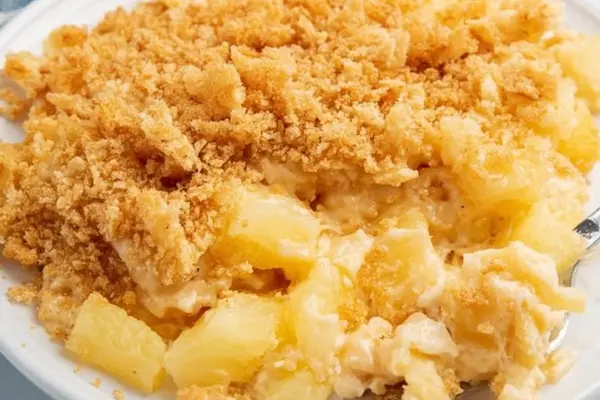
Pineapple Cheese Casserole with Crackers
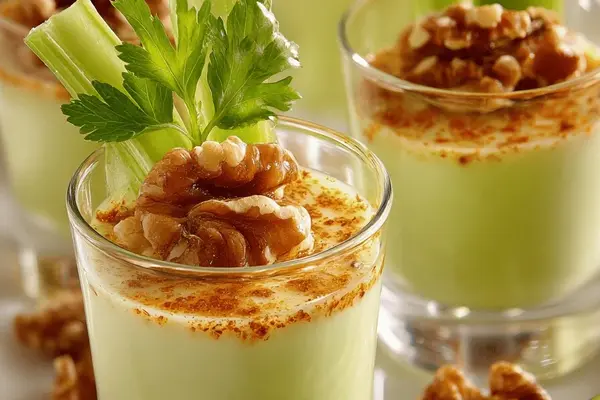
Celery Cheese Shooters with Cheddar & Walnuts
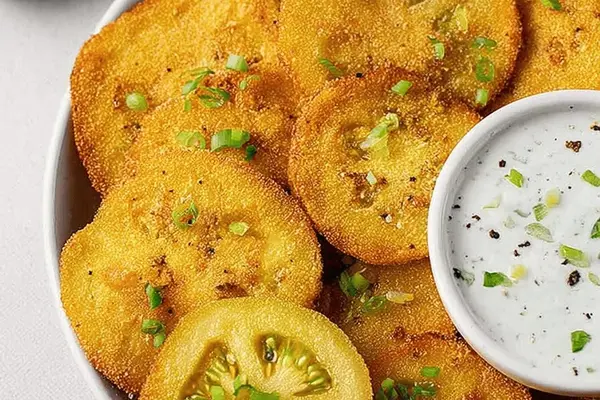
Crispy Fried Green Tomatoes with Cornmeal
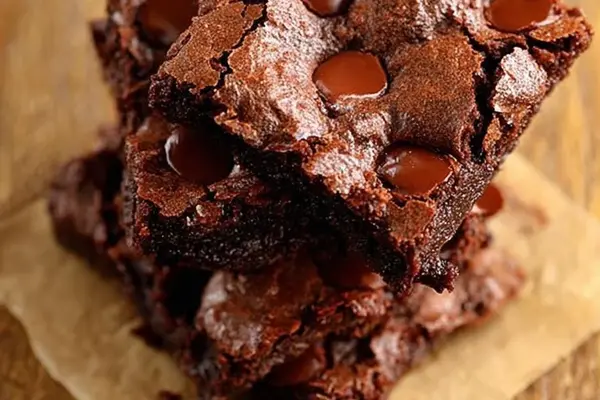
Easy Brownie Recipe with Spice Cake Mix
Oven Roasted Cauliflower Rice with Cheddar