Marinated Italian Eggplants with Garlic
By Emma
Certified Culinary Professional
·
Recipe tested & approved
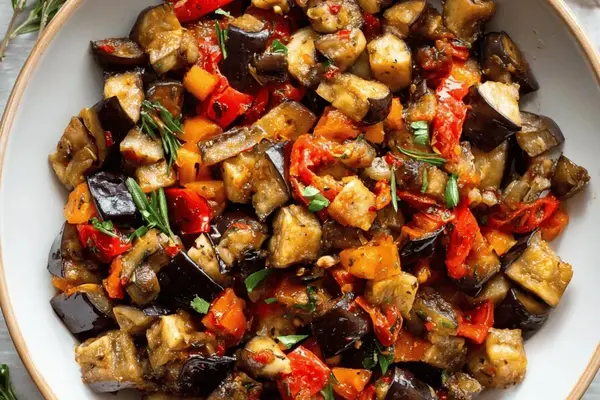
Marinated Italian eggplants with bell peppers, garlic, and fresh rosemary in balsamic vinegar. Slow-simmered Mediterranean appetizer that’s vegan and gluten-free.
Prep:
12 min
Cook:
58 min
Total:
1h 10min
Servings:
6 to 8 servings
Slice them lengthwise while they’re still warm—eggplants split easier that way, and they drink in the garlic oil like they’ve been waiting for it. Diced. Mixed back with the peppers and that infused oil. Then you just leave it alone. Room temperature. All day if you can. The vinegar does the work.
Why You’ll Love This Marinated Italian Eggplant Appetizer
Takes 12 minutes to prep. The stove does the rest while you do something else. Not complicated. Just eggplants, peppers, oil, vinegar, and time. Tastes better the next day—flavors actually get sharper, more connected, the kind of thing that makes you taste it twice. Works cold straight from the fridge or warm. Leftovers last a week. This is the kind of vegetarian appetizer that works for any meal—breakfast, lunch, sitting on a board with bread and cheese. Italian but not heavy. Just herbs and vegetables that decided to get along.
What You Need for Marinated Eggplant with Balsamic Vinegar
Four small Italian eggplants. Size matters here—big ones get mushy inside, taste bitter. Small and shiny. Two bell peppers. Doesn’t matter what color. Cube them. Seven garlic cloves halved lengthwise. Not minced. Halved. There’s a difference. One rosemary sprig and two thyme sprigs. Fresh. Three bay leaves. Dried is fine. Aged balsamic vinegar—about two-thirds cup. Not the cheap stuff that tastes like brown sugar. The real thing. Extra virgin olive oil. A quarter cup plus a teaspoon. Salt. Pepper. Water. Lots of it.
Apple cider vinegar works if balsamic isn’t around. Reduce it by 20% though—it’s sharper, more aggressive. Sherry vinegar too, maybe. Red wine vinegar if you’re desperate. But balsamic is why this tastes like it does.
How to Make Marinated Italian Eggplant with Garlic and Rosemary
Heat a small heavy pan over low heat. The key word: low. Pour in the olive oil. Add your garlic halves and the rosemary sprig. Let them sit there. Nine minutes. Don’t rush. The garlic should soften, go pale, smell like it’s gone sweet. You’re not cooking it brown. You’re warming it until it releases everything into the oil. That oil is the whole point.
After nine minutes, add your diced bell peppers. Stir them around. Six more minutes. They soften a bit but stay shaped. Still have some resistance when you bite. Season now. Salt. Pepper. Actually taste it. Fix it.
Set a fine mesh sieve over a bowl. Pour everything through—oil, garlic, peppers, all of it. The oil goes into the bowl. The peppers and garlic stay in the sieve for now. Toss the rosemary stem. It’s too woody, too tough. You’re done with it.
How to Get Slow Cooked Marinated Eggplant Tender and Infused
Large pot. Medium heat. Whole eggplants go in. Add the garlic cloves and peppers you set aside. Pour in the vinegar and the water. Add the thyme sprigs and bay leaves. Season lightly with salt and pepper. Not much—the vinegar already has flavor. Bring it to a gentle boil.
Watch them. The skins start to wrinkle. The flesh goes soft when you press it with a knife tip. Forty-two minutes, maybe longer. Depends on eggplant size, depends on your stove, depends on how soft you like it. Not mushy. Soft but intact. When a knife goes through with barely any pressure—that’s done.
Pour the whole thing through a sieve. Discard the liquid. The thyme stems, the bay leaves, the garlic skins—all gone. What you keep: the eggplants, peppers, and garlic.
When they’re cool enough to hold but still warm, slice the eggplants lengthwise. Then dice into chunks. Big chunks. They fall apart if you get too aggressive. Toss them into a large bowl with the peppers and garlic. Pour that infused oil over everything. Mix it. Check the seasoning again. Taste. Fix it if you need to.
Let it sit at room temperature until it cools all the way down. Hours. The mixture gets better as it sits. Flavors mingle. The vinegar rounds out, goes less sharp. Store it in the fridge in an airtight container. One week, maybe a bit longer. Bring it back to room temperature before serving. Cold mutes everything. You want warm enough to taste the oil and vinegar and herbs.
Italian Eggplant Appetizer Tips and Common Mistakes
Garlic burns fast. Watch it. Really watch it. Low heat the whole time. The second it goes brown it turns bitter and ruins everything. Low and slow. That’s it.
Don’t rush the eggplant boiling. An extra dozen minutes actually softens them the way you want. Thirty minutes and they’re still firm, still have sharp bites. Forty-five and they’re nearly falling apart. Fifty and you’ve gone too far. Feel the flesh with a knife. That’s your timer, not the clock.
Overcook the peppers in the oil and they dissolve. You lose them. Six minutes. Not seven. Watch them.
If you get bitter notes, the eggplant was old or too big. Choose small ones. Shiny skin. No soft spots. Small Italian eggplants are the difference between this working and it not.
Peel the tough skin patches with a paring knife if you want. Some people do. Some don’t. It’s a texture choice. The flesh underneath is what matters anyway.
Prep the peppers and garlic the day before if you’re short on time. Let it all marinate longer overnight. Flavors develop exponentially when you just let it sit. I learned this the hard way, trying to rush, ending up with bland results. Patience actually pays here—not just nice to have, but the actual difference between good and forgettable.
Marinated Italian Eggplants with Garlic
Prep:
12 min
Cook:
58 min
Total:
1h 10min
Servings:
6 to 8 servings
Ingredients
- 65 ml (1/4 cup plus 1 tsp) extra virgin olive oil
- 7 large garlic cloves halved lengthwise
- 1 fresh rosemary sprig
- 2 assorted bell peppers, deseeded and cubed (about 14 cubes each)
- 4 small Italian eggplants about 150 g each
- 150 ml (2/3 cup) aged balsamic vinegar
- 1.6 liters (6 2/3 cups) water
- 2 fresh thyme sprigs
- 3 dried bay leaves
Method
- 1 Heat a small heavy-bottomed pan over low heat. Pour in olive oil. Add garlic halves and rosemary sprig. Let garlic soften, not brown, for about 9 minutes. Smell sharp garlic mellow into a soft herb fragrance. Add diced bell peppers, cook another 6 minutes stirring often, peppers slightly soften but keep shape. Season with salt and freshly ground pepper. Set a fine mesh sieve over a bowl. Pour in the oil and veggies. Keep garlic and peppers aside. Toss out rosemary stem; it’s too woody.
- 2 Bring a large pot to medium heat. Put whole eggplants in. Add reserved garlic cloves and peppers, vinegar, water, thyme sprigs, bay leaves. Season lightly with salt and pepper. Boil until eggplants have shrunken and soften through when prodded with knife tip, roughly 42 minutes but rely on feel and look: skins loose, flesh tender but not mushy. Pour mixture through sieve. Discard liquid and tough herbs, including thyme stems, bay leaves, and garlic skins.
- 3 When eggplants are cool enough to handle but not cold, slice lengthwise, then dice into chunks. In a large bowl, mix eggplants and peppers with reserved flavored oil. Check seasoning. Let marinate at room temperature until fully cooled. The mixture intensifies as it sits, flavors mingle. Store airtight in fridge, last up to one week. Bring to room temp before serving; cold dulls nuances.
- 4 Use a paring knife to peel tougher skin patches if needed; some prefer it. Substitute apple cider vinegar if balsamic is too sweet, but reduce quantity by 20% to balance acidity. For extra depth, I occasionally toss in a pinch of smoked paprika when cooking peppers—adds an earthy edge. Avoid overcooking peppers; too soft and they fall apart ruining texture contrast.
- 5 Watch garlic closely when warming oil. It burns fast, turning bitter. Low and slow is the mantra. As for eggplants, don’t rush boiling; a dozen minutes extra softens interiors perfectly—sharp bites mean underdone. If you get bitter notes, likely old or oversized eggplants. Choose small, shiny ones for best results.
- 6 To speed things up, prep peppers and garlic the day before and marinate longer; flavors develop exponentially overnight. I learned this the hard way, trying to rush and ending with bland blends. Patience pays off here.
Nutritional information
Calories
150
Protein
2g
Carbs
10g
Fat
12g
Frequently Asked Questions About Marinated Italian Eggplant
Can I use big regular eggplants instead of small Italian ones? You can. They’ll get mushier, taste more bitter, fall apart easier. Not ideal. Small ones work better. But if that’s what you have—go ahead. Just watch them closer. They might be done faster or slower depending on how big you got.
How long does this actually last in the fridge? One week. Seven days. After that the flavors get flat, the vegetables start to soften too much, get kind of mushy. But the first few days are actually the best. Day two and three especially—flavors have settled, vinegar has mellowed.
Do I have to serve it warm? No. But you have to bring it back to room temperature. Cold straight from the fridge dulls everything. Sit it out an hour. Taste the difference. The oil goes soft, the flavors wake back up.
Can I skip the thyme and bay leaves? You could. The recipe still works. But they add something subtle—an earthiness that makes it taste less like just eggplant and more like it meant something. Not worth skipping.
What if the balsamic vinegar is too sweet? Use apple cider vinegar instead. Reduce it by 20% though. It’s meaner, sharper, doesn’t need as much. Or red wine vinegar. Or just add a tiny pinch of salt to balance the sweetness. Depends what you have.
Can I make this ahead of time? Yeah. Make it two days before if you want. Store it cold. Bring it to room temperature when you’re ready to serve. The flavor actually gets better when it sits. Some appetizers get worse the longer they wait. This one doesn’t. This one improves.
You’ll Love These Too
Explore all →
Egg Turkish with Delicata Squash & Goat Cheese

Deviled Eggs: Three Elegant Styles
Creamy Italian Dressing Recipe
Pan Seared Chicken Breast with Creamy Sauce

Kielbasa Potato Sauerkraut Skillet
Pecan Tart Bars with Marzipan & Toasted Nuts
BLT Salad with Pasta and Shrimp
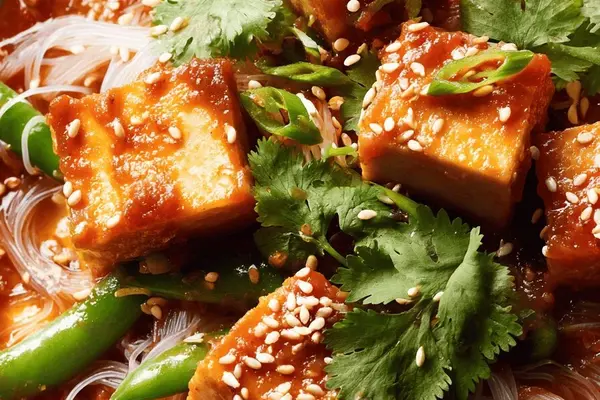
Miso Tomato Tofu Stir Fry with Snap Peas

Cranberry And Pistachio Shortbread
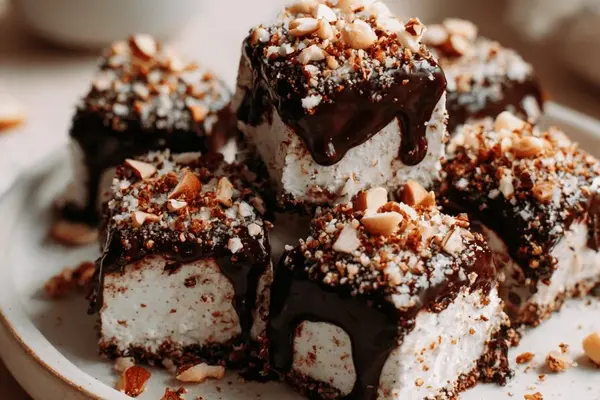
No Bake Cookies Recipe with Dark Chocolate

Miniature Brownies with Peanut Butter Frosting
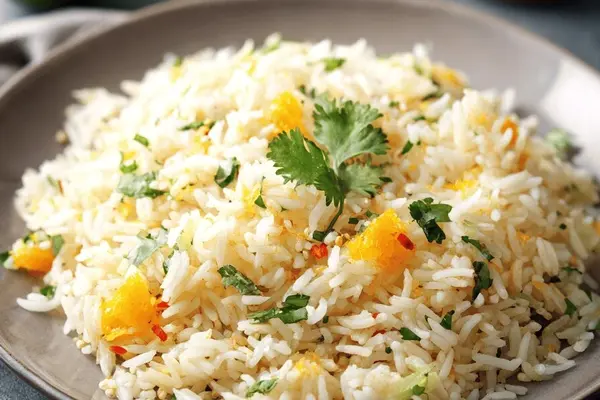
Citrus Lime Rice with Basmati & Cilantro
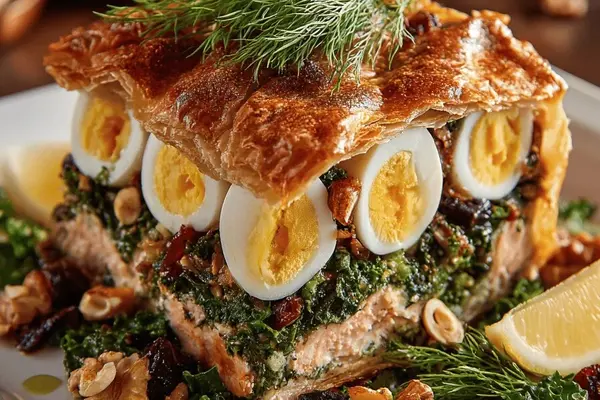
Salmon Koulibiac Twist with Hazelnuts

Caramel Desserts with Maple Syrup
Chicken Pot Pie with Shallots and Cheddar

Fluffy Chocolate Pancakes with Egg Whites
Cheesy Zucchini Casserole with Cracker Crust

Peanut Butter Cookies with Reese's Cups
Lemon Orzo Salad with Walnuts & Apricots