Maple Glazed Oatmeal Cookies with Cinnamon
By Emma
Certified Culinary Professional
·
Recipe tested & approved
Grind half the oats down first—it changes everything. The texture gets chewier, less gritty. Thirty minutes total and you’ve got cookies that taste like they sat overnight, even straight from the rack.
Why You’ll Love These Maple-Oatmeal Cookies
Takes 15 minutes of actual work. The cinnamon hits different when you use real vanilla and old-fashioned oats instead of quick.
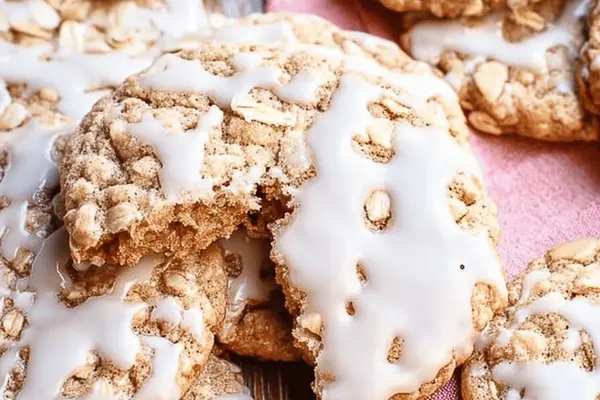
Maple glaze stays sticky. Not a hard shell. More like a coating that makes your fingers stick a little when you pick them up, which somehow makes them taste better.
They’re actually good the next day. Most cookies go stale. These sit in a container and get softer, chewier. The maple syrup keeps everything moist. Works cold from the fridge too.
No special equipment. One bowl for dry stuff, one for wet. Hand mixer or stand mixer—doesn’t matter. Spatula to combine everything.
What You Need for Homemade Oatmeal Cookies
Rolled oats. Old-fashioned ones. Quick oats work but they’re already broken down and won’t give you that chew. Grind about half of them in a blender for like ten seconds—just break the big pieces. Mix that back with the whole oats.
All-purpose flour. Or swap a quarter cup for whole wheat if you want it nuttier. Most people don’t, so just stick with all-purpose.
Brown sugar. Dark brown if you can. It’s got more molasses flavor baked into it. Makes the cookie taste deeper, less generic. A quarter cup of that, a quarter cup of regular sugar.
Butter. Unsalted, softened. Not melted. The softening part matters—you’re literally trapping air when you cream it. Coconut oil works if you have to, but the cookie won’t be as tender. Different texture entirely.
One egg. Room temperature hits different than cold. Actually emulsifies better. Real vanilla extract. Not the imitation stuff. You can taste the difference if you’re paying attention.
Cinnamon. Half a teaspoon. More if you like it warmer—up to three quarters. Ground, not stick.
Baking soda. Fine sea salt. Powdered sugar for the glaze. Pure maple syrup. Grade A dark robust if you can find it. Milk or cream to thin it out.
How to Make Maple-Oatmeal Cookies
Cream the softened butter with both sugars. Medium speed, mixer on. Takes about two to three minutes. You’re looking for it to lighten in color and get fluffy. Most people rush this. Don’t. This is where the lift comes from. Actually matters.
Scrape down the sides. Beat in the egg and vanilla. Another minute on medium-high. You want it fully incorporated. No streaks of yellow egg white visible.
Now the dry stuff. Measure out your oats—a quarter cup ground, three quarters cup whole—and mix it in a separate bowl with the flour, baking soda, salt, and cinnamon. Stir it around. Make sure the baking soda’s evenly distributed or you’ll get weird spots where the cookies taste soapy.
Add the dry mix to the wet stuff in three batches. Low speed. Just until no flour streaks show. This is crucial. Overmix and your cookies go flat and tough. You’re done when it looks combined. That’s it.
Cover the dough. Chill it. Forty minutes minimum. I usually do overnight because the flavor deepens and the dough holds its shape better in the oven. The fat solidifies. Everything gets more stable.
Heat the oven to 345 degrees. Line your trays with parchment or silicone mats. Grab a tablespoon measure—a heaping one—and scoop the dough onto the trays. Space them two and a half to three inches apart. They spread. Not a ton, but enough that close cookies will touch edges and merge together.
How to Get These Cinnamon Cookies Perfect
Bake eleven to fourteen minutes. Watch it. Every oven is different. You’re looking for the edges to go a gentle brown and the centers to look set but still soft. Not wet. Not fully cooked-looking. The smell of baking oats and cinnamon will tell you when you’re close. Trust your nose more than the timer.
Pull the trays out. Let them cool on the rack for eight to twelve minutes. Don’t move them yet. They’ll break. They’re still structuring themselves. After that time they firm up but stay chewy inside.
While they cool, make the glaze. Powdered sugar, maple syrup, a teaspoon of milk in a shallow bowl. Whisk it together. Thick but still dip-able. If it’s too thick, add more milk. A tiny bit. Half a teaspoon. Test it. It should cling to the cookies without sliding off completely.
Flip a cooled cookie upside down. Dip the top into the glaze. Pull up slowly. Let the excess drip back into the bowl. The coating won’t be complete and even—partial coverage is fine. Actually better. You get some syrupy punch where the glaze is thick and some cookie taste where it’s not.
Set them back on the rack. Let the glaze dry for twenty to thirty minutes before you stack them. Use parchment between layers or they’ll stick together. The glaze stays a little tacky even when dry. That’s the point.
Maple Glazed Oatmeal Cookies with Cinnamon
Prep:
15 min
Cook:
15 min
Total:
30 min
Servings:
24 servings
Ingredients
- 1 1/4 cups rolled oats (old-fashioned or quick works but old-fashioned yields better chew)
- 3/4 cup all-purpose flour (swap 1/4 cup whole wheat for nuttier tone)
- 1/2 teaspoon baking soda
- 1/4 teaspoon fine sea salt
- 1/2 teaspoon ground cinnamon (increase up to 3/4 tsp for more warmth)
- 1/2 cup unsalted butter, softened (can substitute coconut oil but texture will change)
- 1/4 cup packed brown sugar (use dark for deeper molasses flavor)
- 1/4 cup granulated sugar
- 1 large egg (room temp for better emulsion)
- 1 teaspoon vanilla extract (real vanilla preferred, skip imitation)
- 3/4 cup powdered sugar (for glaze)
- 2 tablespoons pure maple syrup (grade A dark robust preferred)
- 1-2 teaspoons whole milk or cream (adjust glaze thickness)
Method
- 1 Grind half the oats briefly in blender or pulse to break down chunks slightly; combine with whole oats, flour, baking soda, salt, cinnamon in medium bowl. Dry mix is ready to combine.
- 2 In large mixing bowl, cream the softened butter with brown sugar and granulated sugar on medium speed until mixture lightens in color and is fluffy, about 2-3 minutes. Do not skimp—this traps air for better cookie lift.
- 3 Beat in egg and vanilla extract on medium-high until fully incorporated, about 1 minute. Scrape down sides to avoid streaks of unmixed egg.
- 4 Add dry ingredients in three additions. Mix on low speed just until no streaks of flour visible. Overmixing flattens cookies and makes them tough.
- 5 Cover dough tightly and chill at least 40 minutes. Resting solidifies fat, helps cookies hold shape, and deepens flavor. I sometimes chill overnight for better texture.
- 6 Preheat oven to 345℉. Line baking trays with parchment paper or silicone mats to prevent sticking and burn marks.
- 7 Scoop heaping 1 ½ tablespoon portions onto trays. Space cookies 2 ½ to 3 inches apart so edges don’t merge in oven. Dough will spread moderately.
- 8 Bake 11-14 minutes depending on oven and cookie size. Watch edges for gentle browning and centers that look set but are still soft—not wet. The telltale scent of baking oats and cinnamon will fill your kitchen.
- 9 Remove trays to cool on rack 8-12 minutes. Cookies will firm up as they rest but remain chewy inside. Trying to move them too soon risks breakage.
- 10 While cooling, whisk powdered sugar, maple syrup, and 1 teaspoon milk together in shallow bowl. Adjust milk to get thick but dip-able glaze. Should cling to cookies without sliding off.
- 11 Flip cooled cookies upside down and dip tops into glaze. Pull up slowly, let excess drip back into bowl. Set back on rack to dry. Glaze won’t fully coat; partial coverage is fine—imparts a sticky gloss and syrupy punch.
- 12 Allow glaze to set 20-30 minutes before stacking cookies with parchment layers to prevent sticking.
Nutritional information
Calories
125
Protein
2g
Carbs
19g
Fat
5g
Frequently Asked Questions About Maple-Oatmeal Cookies
Can I use quick oats instead of old-fashioned? Yeah, they work. Texture’s different though. More cake-like, less chewy. Old-fashioned oats have bigger pieces that hold their shape. If you only have quick, just skip the grinding step.
How much cinnamon should I actually use? Half a teaspoon is baseline. I usually go three quarters. Depends on the cinnamon—if it’s been open for a year it’s weaker. Start at half. Taste the dough. Add more if you want. That’s legal.
Do I have to chill the dough? Forty minutes minimum. Seriously. The dough spreads less, holds shape better, and the flavor gets deeper. I’ve tried without and the cookies flatten. Not worth skipping.
What if my glaze is too thick? Add milk. One teaspoon at a time. Literally a few drops. Stir. Test. It should coat but not run. Too runny and it slides off onto the rack.
Can I make these without the maple glaze? Sure. They’re fine plain. The glaze just adds stickiness and that maple punch that makes them taste like they’re more than oatmeal cookies. But they work either way.
How long do these stay good? Days. A week if you keep them in a container. They actually improve overnight—they get softer and chewier. The maple syrup keeps them moist.
Should I use salted or unsalted butter? Unsalted. You’re controlling the salt amount with the sea salt in the dry mix. Salted butter throws it off.
You’ll Love These Too
Explore all →
Fluffy Pancakes Recipe with Buttermilk

Buttered Tofu Recipe with Tomato Cream Sauce

Grilled Chicken Peach Salsa Recipe
Baked Maple-Chai Donuts with Whole Wheat

Barbecue Smoked Turkey Salad with Corn
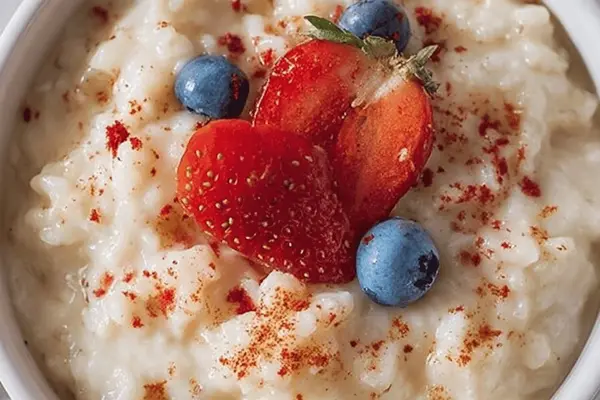
Creamy Rice Pudding with Lemon Zest

Hard Boil Quail Eggs with Tarragon Mayo

French Dip Slow Cooker Recipe

Cuban Sandwich Sliders with Smoked Pork
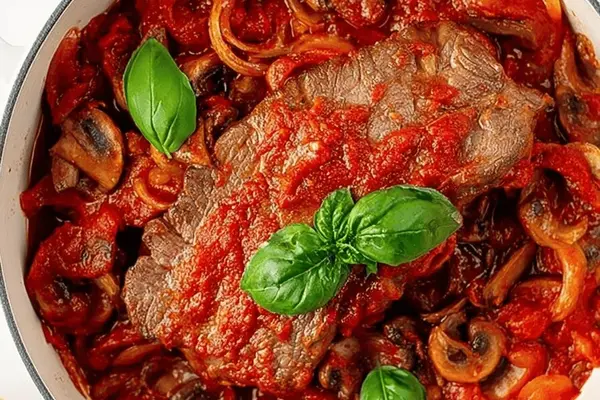
Sirloin Steak with Mushrooms and Tomato
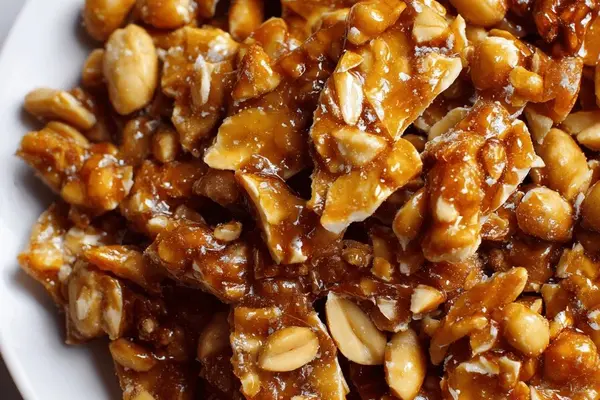
Crunchy Peanut Brittle with Maple Syrup
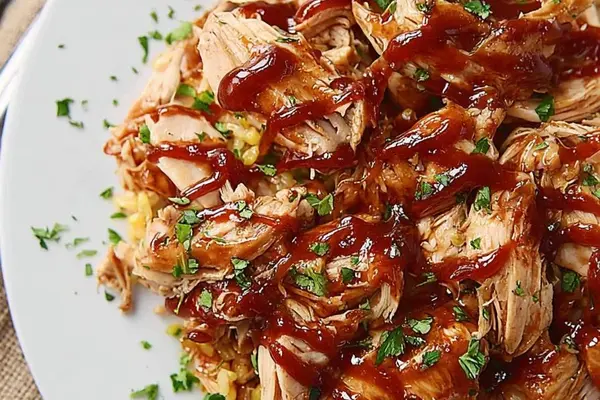
Slow Cooker Tangy BBQ Chicken with Paprika
Mint Chocolate Crisps with Peppermint Extract
Sundae Cookie Fudge with Oreos
Lamb Tagine with Spiced Tea and Dried Fruits
Italian Meat Sauce with Beef and Sausage

Mediterranean Chicken Crescents with Feta

Sesame Salmon Edamame Bowl Recipe
Herbed Lamb Meatballs with Buttered Orzo