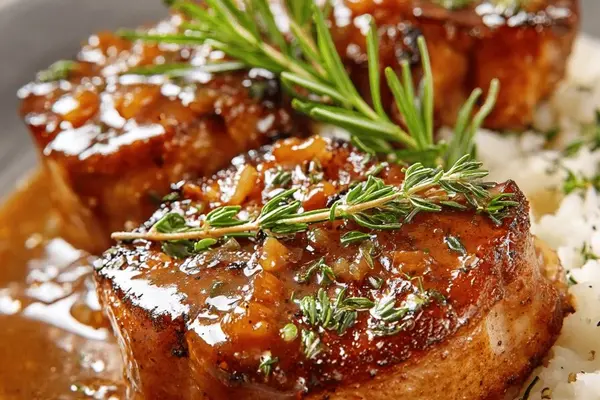
Maple-Glazed Pork Medallions with Apple Cider
By Emma
Certified Culinary Professional
·
Recipe tested & approved
Tender pork medallions seared and glazed with maple syrup, apple cider vinegar, and Dijon mustard. Quick midweek dinner with fresh thyme and shallots. Gluten-free.
Prep:
12 min
Cook:
13 min
Total:
25 min
Servings:
2 to 3 servings
Cut the tenderloin into coins. Pat them completely dry—moisture kills the sear, turns everything steamed instead of caramelized. This matters more than anything else.
Why You’ll Love This Maple-Glazed Pork Medallions
25 minutes total. Seriously. Prep the glaze while the pan heats. Works as a weeknight main that feels like you actually tried. Not complicated but tastes like it. The sauce. Maple and apple cider vinegar together. Not too sweet. Apple brings sharp, maple brings depth, mustard brings bite. Leftovers taste better the next day somehow. The glaze thickens more in the fridge, clings tighter to the meat.
What You Need for Easy Pork Medallions
Pork tenderloin, about 400 grams. Trim the silver skin—that’s the thin membrane running along the outside. Takes a minute with a sharp knife. Cut into medallions roughly the thickness of a quarter-inch. Pat dry. So dry. Towels work better than anything.
Olive oil. Medium-high heat needs something that won’t smoke. About 25 milliliters.
The glaze hits different because of what’s in it. Vegetable broth. Maple syrup—not pancake syrup, actual maple. Apple cider vinegar. Dijon mustard. Tomato paste. Arrowroot starch instead of cornstarch. Arrowroot keeps the sauce clear and glossy instead of opaque and goopy. Whisk it all together before you even start cooking. Starch lumps if you mix it in the hot pan.
One small shallot chopped fine. Fresh thyme if you have it. Salt and pepper. That’s everything.
How to Sear Maple-Glazed Pork Medallions
Get the pan hot. Medium-high. Couple minutes. You’re waiting for the oil to shimmer and smell like something. Don’t skip this part—cold pan means no crust.
Lay the medallions in. Half of them. Space them out. Crowding drops the temperature, ruins the whole plan. Listen. That sizzle matters more than any timer.
Two minutes. Don’t move them. Flip once. Another two minutes maybe. You’re looking for that tan color, almost brown in spots. The meat springs back a little when you poke it but still feels soft inside. Transfer to a plate.
Repeat with the rest. Add more oil if the pan looks dry. Just a splash.
How to Build the Seared Pork Tenderloin Sauce
Heat down to medium now. Shallots go in. Stir for a minute, minute and a half. They soften, turn translucent, and the whole kitchen smells different. Stop before they brown. Brown tastes bitter.
Pour the broth mixture in. Everything at once. Stir. The sauce bubbles up, thickens almost immediately because of the arrowroot. That’s the point. It’ll go from liquid to glossy in about 30 seconds.
Thyme goes in if you’re using it. Nestle the pork back into the pan. Low heat. Simmer for maybe three minutes. Turn the medallions once so they soak up flavor on both sides. The sauce should stick to the back of a spoon by now. Not runny. Coat-like.
Taste it. Salt probably. Pepper definitely. Adjust and that’s it.
Pork Medallions Tips and Common Mistakes
Moisture is the enemy. Dry the pork aggressively. Air fryer would work here too, but the sauce needs the pan.
Silver skin. Remove it. It doesn’t cook soft, just chewy. Takes longer to trim than to cook the pork.
Don’t crowd the pan. Room to breathe matters. Two minutes searing time is approximate anyway—depends on thickness and your heat. Golden brown is the actual signal. Not time.
The sauce thickens as it cools. So the pan version looks thinner than it’ll be on the plate. Don’t keep boiling it trying to get it thicker.
Arrowroot is optional but worth it. Cornstarch works. Makes the sauce cloudy instead of clear. Neither’s wrong.
Leftovers reheat gentle. Medium heat, covered, maybe add a splash of broth so it doesn’t tighten up too much.
Maple-Glazed Pork Medallions with Apple Cider
Prep:
12 min
Cook:
13 min
Total:
25 min
Servings:
2 to 3 servings
Ingredients
- 125 ml vegetable broth
- 50 ml maple syrup
- 5 ml apple cider vinegar
- 5 ml Dijon mustard
- 5 ml tomato paste
- 5 ml arrowroot starch
- 1 pork tenderloin approx 400 g
- 25 ml olive oil
- 1 small shallot, finely chopped
- fresh thyme sprigs (optional)
Method
- 1 Whisk vegetable broth, maple syrup, apple cider vinegar, Dijon mustard, tomato paste, and arrowroot starch in a bowl until smooth. Set aside. Note the gloss—arrowroot lends clarity to the sauce.
- 2 Trim pork tenderloin of silver skin. Cut into medallions about 1.5 cm thick. Pat dry firmly with paper towels. Moisture kills the sear, so don’t rush.
- 3 Heat olive oil over medium-high heat in heavy skillet. Once shimmering and fragrant, add half the medallions spaced out. Don’t crowd. Listen for that satisfying sizzle.
- 4 Sear pork about 2 minutes each side. Flip when golden brown crust forms. Medallions should spring back but still tender. Transfer to plate. Repeat with rest, adding a touch more oil if pan dry.
- 5 Reduce heat to medium. Toss in shallots, stirring 1-2 minutes until soft and translucent—not browned. Smell opens up here.
- 6 Pour in broth mixture, stir. Sauce will bubble and thicken. Throw in thyme sprigs if using. Return pork to pan, nestling into sauce.
- 7 Simmer gently 3-4 minutes, turning medallions once. Sauce should thicken to glossy coat consistency—sticks lightly to back of spoon.
- 8 Taste and adjust seasoning with salt and cracked black pepper. Remove thyme before serving.
- 9 Serve with mashed sweet potatoes or roasted root vegetables. Perfect for clearing leftovers from fridge the next day; sauce reheats well, thickens more.
Nutritional information
Calories
280
Protein
25g
Carbs
12g
Fat
15g
Frequently Asked Questions About Maple-Glazed Pork Medallions
Can I use a different cut of pork? Pork chops work. Thicker ones, like an inch. Timing stays about the same. Pork loin works too, just slice it thinner so it cooks through. Tenderloin is expensive but reliable.
What if my sauce breaks or looks separated? Probably got too hot or mixed the arrowroot in before the pan was ready. Next time whisk it smooth before anything goes in the pan. If it happens, strain it and start over. Not worth saving.
How do I know when the pork is done? Medium doneness feels soft but springs back a little. Cut into one piece if you’re unsure. Should be pale pink inside, not gray, not red. Meat keeps cooking for a minute after the pan, so pull it slightly before perfect.
Can I make the glaze ahead? Yeah. Mix it the morning before. Sits fine in the fridge. Just whisk again before cooking. Separation’s normal.
Does this work cold for leftovers? It does. Sauce thickens more when cold, clings tight to the meat. Good with just a fork, straight from the fridge.
What sides work best? Mashed sweet potatoes. Roasted root vegetables. Something starchy to catch the extra sauce. Rice. Polenta. Even just greens if you need lighter. The sauce is rich enough to stand alone though.
You’ll Love These Too
Explore all →
Creamy Cheese Tortellini with Pancetta
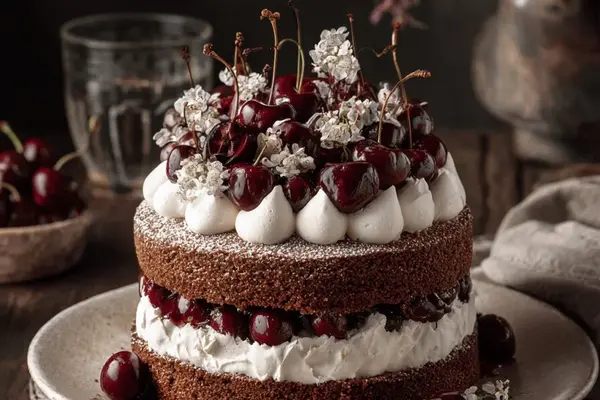
Simplified Black Forest Cake with Griottes

Ranch-Seasoned Burger Recipe with Ground Chuck
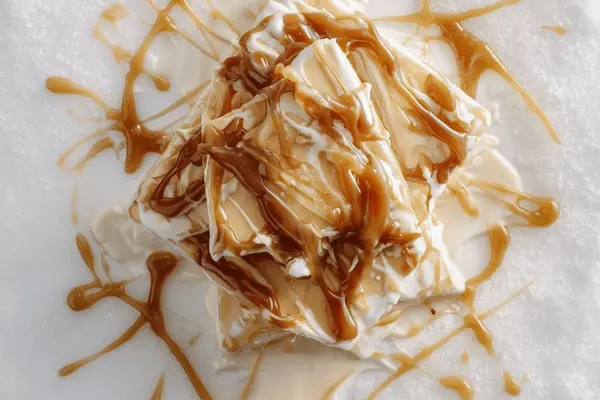
Rum Butterscotch Taffy Made on Snow

Turkey Stuffing Recipe with Moroccan Pastilla
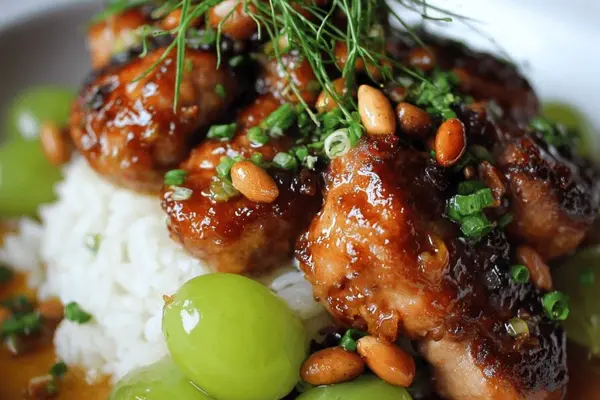
Sweetbreads of Veal with Pine Nuts

Sausage Bean Casserole with Molasses
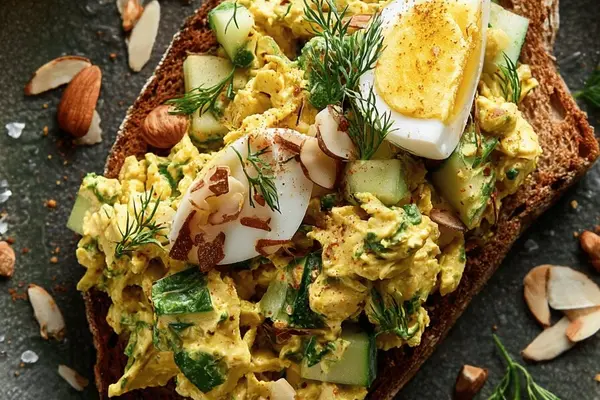
Curried Chicken Salad Toasts with Turmeric
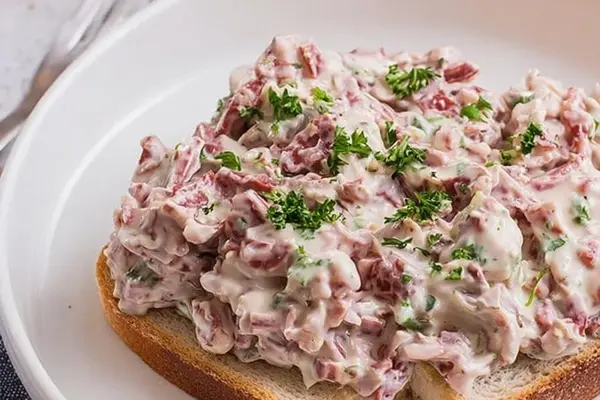
Creamed Chipped Beef on Toast Recipe
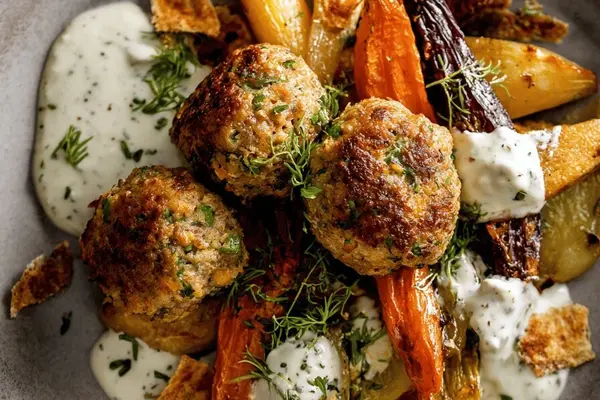
Pork Meatballs in Oven with Root Vegetables
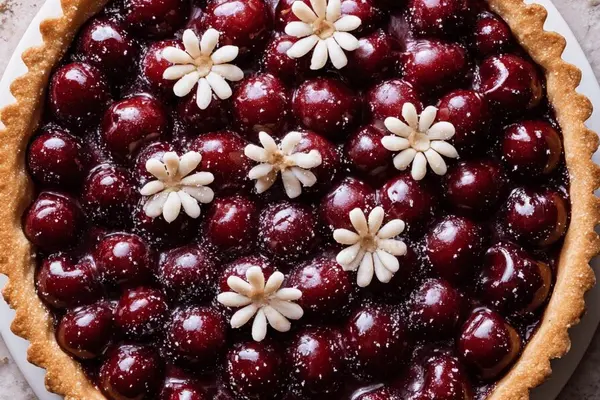
Cherry Pie with Yogurt Crust Recipe
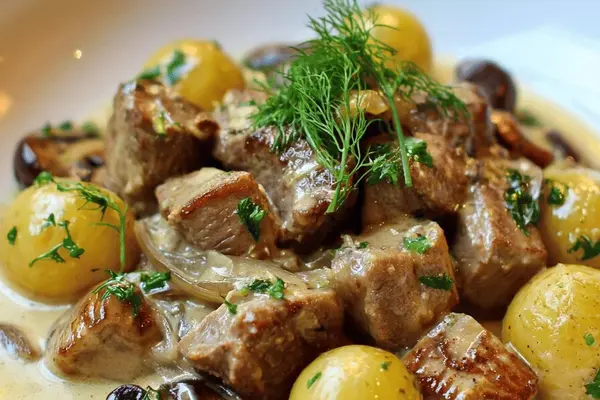
Creamy Mushroom Sauce with Veal
One-Pot Spicy Mac and Cheese with Pancetta
Ham With Apricot Glaze Recipe
No Bake Blueberry Cheesecake Recipe
Slow Cooker Apple Balsamic Chicken

No Knead Bread Recipe with Yogurt

Belgian Waffles with Pearl Sugar Crust
Creamy Italian Beef Pasta with Provolone