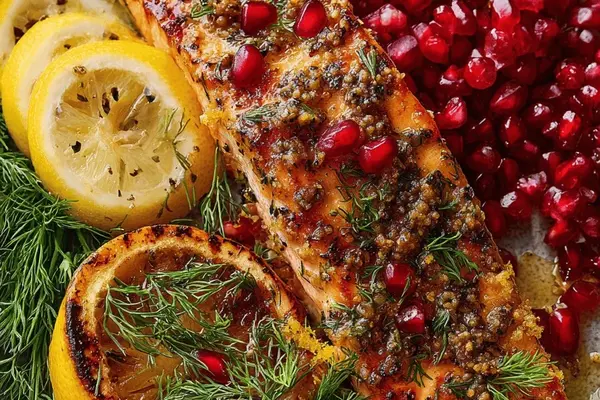
Roasted Salmon with Pomegranate Seeds
By Emma
Certified Culinary Professional
·
Recipe tested & approved
Skin side down, 190°C, 18 minutes. That’s it. Wild salmon doesn’t need much—just something that makes the top shine and taste like it came from somewhere expensive.
Why You’ll Love This Roasted Salmon With Citrus
Takes 35 minutes total. Seventeen to prep, eighteen to roast. Weeknight energy but tastes like you planned it. The pomegranate glazed salmon gets this sticky-sweet crust that doesn’t taste healthy—but it is. Agave and mustard do that. One pan. Skin stays crispy. Flesh stays moist. Not always easy on the same filet, but this works. Leftovers are actually better cold. Maybe temperature doesn’t matter. Just tastes good either way.
What You Need for Roasted Salmon With Pomegranate
A wild salmon filet with skin, about 900 grams. Farmed works. Wild tastes different—cleaner, less oily. Pomegranate seeds. Chop them a bit. Not dust. Just break them down enough they stick to the glaze instead of rolling off. Agave nectar instead of maple. Lighter color. Less heavy. Honey works too but it’s sweeter—add less if you go that way. Grainy brown mustard. Whole grain, not smooth. The texture matters here—those little seeds catch when you chew it. Lemon zest. Half a lemon’s worth. Get it before you juice anything. Microplane works. So does a box grater if you go gentle. Fresh dill. A few sprigs. Dried doesn’t work. The flavor turns into something else, something dusty. Salt and cracked black pepper. That’s actually it.
How to Make Roasted Salmon With Citrus and Pomegranate
Rack goes middle. Oven to 190°C—375 if you’re in Fahrenheit. Let it preheat. This matters because the pomegranate glaze needs that initial heat or it steams instead of crisps.
Line a baking sheet with parchment. Slap the salmon skin side down. Pat the flesh side dry. Water on there means the glaze slides off or steams. You want it to stick.
Salt and pepper the flesh side only. Not the skin. The skin gets seasoned from the heat and from whatever juice runs down. Oversalt it and you ruin it.
Small bowl. Pomegranate seeds. Agave nectar. Mustard. Lemon zest. Stir it until it looks like jam—sticky, chunky, not a sauce. It should barely move when you tilt the bowl.
Spoon it across the salmon. Press it down a little. Not hard. Just enough so it doesn’t fall off when you move the pan.
Into the oven. Eighteen minutes. Maybe seventeen if your filet is thin. Maybe nineteen if it’s thick. Listen for that faint crackle sound—that’s the sugars hitting real heat. It’ll stop crackling around minute fifteen. That’s fine. Keep it in anyway.
Flesh should go opaque and flake when you press it with a fork but still feel a tiny bit soft in the middle when you touch it. That’s the target. Not cooked through completely. That’s the mistake most people make.
How to Get Roasted Salmon Skin Crispy and Moist
The skin-side-down method keeps skin on the pan so the heat hits it directly. No flipping. Skin gets crispy. Flesh stays moist from the steaming that happens inside. The glaze sits on top and protects the flesh from drying out. It’s sweet and thick so it acts like a little blanket. The pomegranate seeds actually insulate. Temperature matters. 190°C is hot enough for the glaze to caramelize but not so hot that the outside cooks before the inside gets opaque. Too hot and the top burns while the inside stays raw.
Roasted Salmon Tips and Common Mistakes
Don’t skip the drying step. Moisture on the flesh means the glaze doesn’t adhere and the whole thing gets watery. The glaze is thick on purpose. If it looks too stiff, add a few drops of water—not lemon juice, it’ll curdle the agave. Just a tiny splash of water. Rest it three minutes minimum. Slice too fast and all the juice runs out onto the plate instead of staying in the fish. The dill goes on while it’s still hot so it wilts a tiny bit and smells like itself. Serve it warm or lukewarm. Cold is fine but the glaze gets hard and tastes like candy instead of part of the fish. Warm keeps it soft, keeps it shiny, keeps the whole thing looking like you meant to do this. Watch your oven. Every oven runs different. If yours runs hot, subtract a minute. If it’s older, add a minute. Seventeen to nineteen is the real window.
Roasted Salmon with Pomegranate Seeds
Prep:
17 min
Cook:
18 min
Total:
35 min
Servings:
6 servings
Ingredients
- 1 filet wild salmon with skin, about 900 g
- 30 g pomegranate seeds, chopped roughly
- 20 ml agave nectar
- 15 ml grainy brown mustard
- Zest of half a lemon
- A few sprigs fresh dill
- Salt and freshly cracked black pepper
Method
- 1 Set oven rack middle position; preheat oven to 190°C (375°F). Line baking sheet with parchment paper.
- 2 Place salmon skin side down on sheet; pat dry with paper towel. Season it generously with salt and black pepper over the flesh side only.
- 3 In a small bowl, combine the chopped pomegranate seeds, agave nectar, grainy mustard, and lemon zest. Stir gently but thoroughly until sticky and well coated.
- 4 Spoon the mixture evenly across the top of the salmon, pressing lightly to make it adhere to the surface.
- 5 Transfer to oven. Listen for faint crackle as the sugars caramelize. Roast about 18 minutes, maybe a bit less if your filet is thin. Look for salmon flesh to go opaque and flake under light pressure with a fork but still moist in the center.
- 6 Remove from oven. Sprinkle fresh dill on top while still warm. Let it rest a few minutes before slicing—don’t skip this or the juices run out.
- 7 Serve warm or just barely lukewarm, so the topping still clings and shines.
Nutritional information
Calories
320
Protein
35g
Carbs
6g
Fat
18g
Frequently Asked Questions About Roasted Salmon With Citrus
Can I use maple syrup instead of agave nectar? Yeah. It’ll taste a bit deeper, a bit richer. Maple’s thicker so use maybe 15 ml instead of 20 ml or it gets too heavy.
What if I don’t have pomegranate seeds? Skip them. The glaze still works. You lose the texture and the tartness. Cranberries work if you have them—same tart thing going on.
How long does this keep in the fridge? Four days, cold. The skin gets soft but the fish stays good. Eat it straight from the fridge or let it sit a few minutes at room temperature.
Can I make this with a salmon steak instead of a filet? Not really. The bone-in thing changes how it cooks. Filets are easier. Steaks work but the timing gets weird—might take longer.
Does the dill have to go on at the end? Yes. Under the glaze it gets bitter and weird. On top while it’s hot, it stays bright and tastes like itself.
Is wild salmon significantly healthier than farmed? It tastes cleaner. Healthier depends on what you’re measuring. Wild’s lower in fat. Farmed has more omega-3s from the feed. Either one is good. Taste is the real difference here.
You’ll Love These Too
Explore all →
Cinnamon Pop Tarts with Coconut Cream Glaze
Cheesy Macaroni Recipe with Sweet Potato
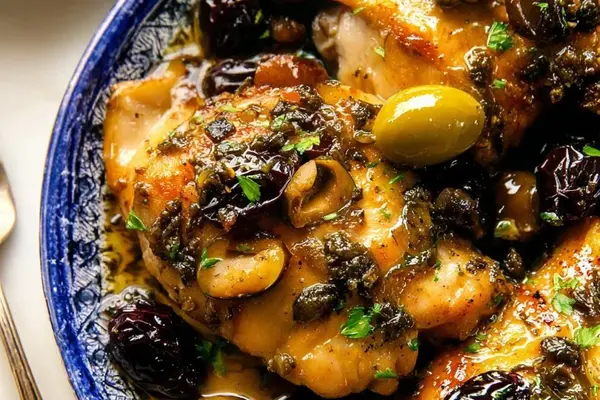
Chicken Marbella Recipe with Olives & Prunes
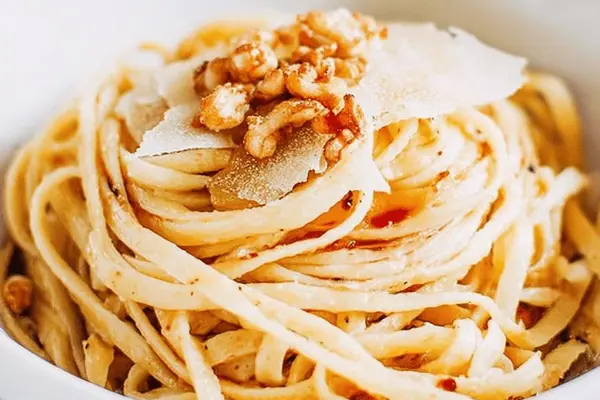
Pancake Spaghetti Remix with Almonds

Candy Cane Lush with Golden Oreo Crust

Pepperoni Pizza Spaghetti Bake with Mozzarella

Cheesy Risotto Arancinis with Taleggio

Pork Dumplings with Spicy Peanut Sauce
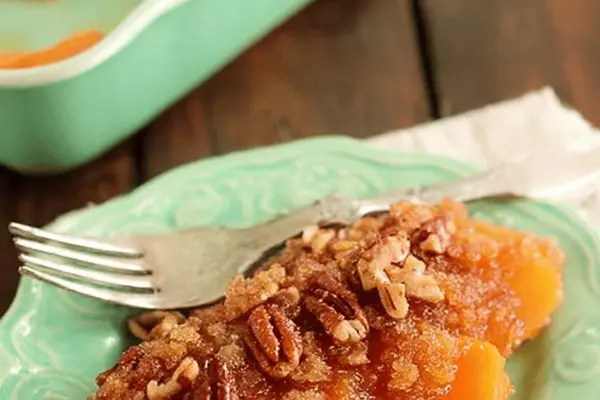
Candied Sweet Potatoes With Pecans
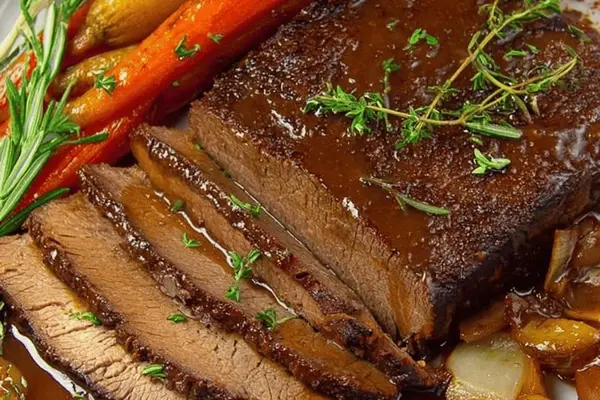
Slow Braised Brisket with Red Wine & Beef Stock

Peanut Butter Cookies with Reese's Cups

Buffalo Wing Egg Rolls with Cheddar
Creamy Mushroom Sauce with Parmesan
Avocado Chocolate Mousse with Tuna Tartare
Pork Tender Loin Recipe with Honey Garlic
Pumpkin Cake Cheesecake Recipe
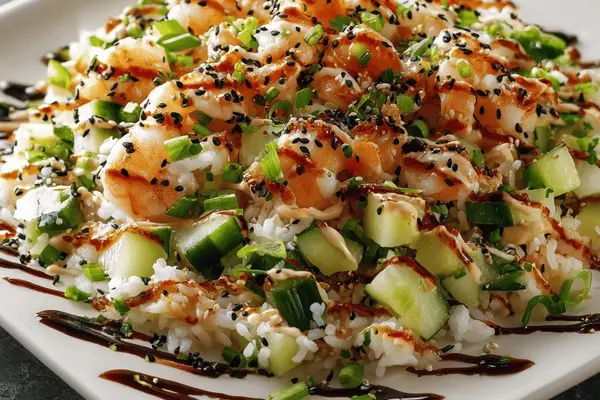
Nordic Shrimp Tartare Salad with Asian Pear
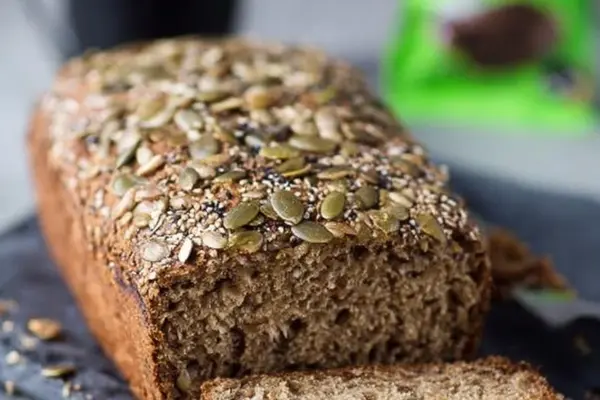
Seed Loaf Recipe with Sunflower & Sesame
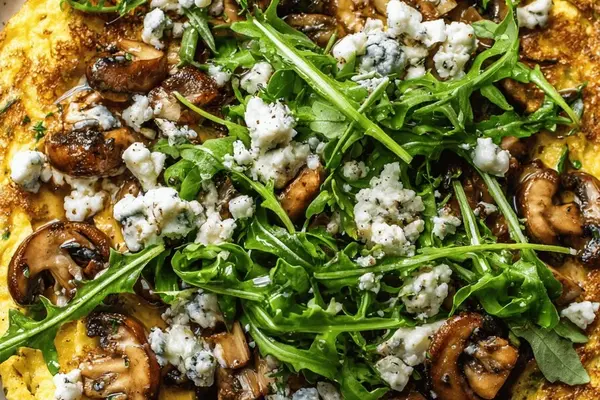
Fluffy Omelette with Ricotta Salata