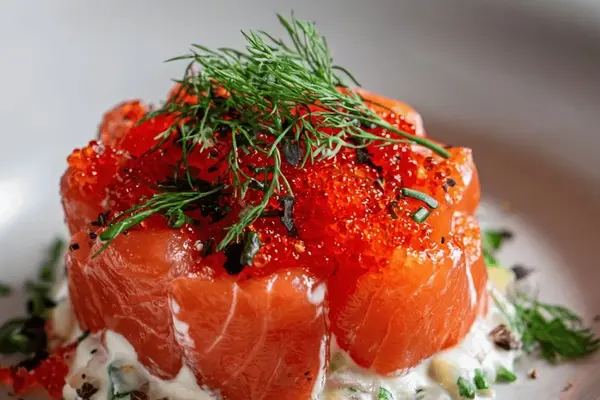
Lemon Ricotta Fritters with Sage & Gruyere

By Emma
Certified Culinary Professional
·
Recipe tested & approved
Scoop tablespoon-sized rounds straight into hot oil. Don’t think about it too long or they get weird. Watch for the sizzle—that’s when you know the temperature’s right. Three minutes total per fritter, maybe less if you’re fast. Crispy outside, fluffy inside, that specific thing where ricotta becomes something else entirely.
Why You’ll Love These Lemon Ricotta Fritters
Takes 12 minutes to prep if you move. Another 11 minutes frying. No weird equipment—just a pan and a spoon.
They’re fried but don’t sit heavy. Ricotta does that. The lemon zest cuts through the richness without tasting sharp. Gruyere melts inside so it’s salty and umami in the middle.
Make them fresh and they’re done in under an hour total. Sage isn’t subtle—it’s actually there. Some people skip it. Don’t.
Good cold the next day too, or throw them back in a 350-degree oven for 4 minutes to crisp up again. Not as good. But still works.
What You Need for Lemon Ricotta Fritters
Ricotta. Drained. Seriously—if it’s sitting in liquid, wring it out first in cheesecloth or a fine strainer. Wet ricotta makes soggy fritters. Not worth it.
Two eggs. Large. Binds everything. Whip them together with the ricotta until smooth. Takes a minute, maybe two. No lumps.
Three-quarters cup all-purpose flour, plus a quarter cup almond flour. The almond flour’s not just filler—it adds texture, makes them crunchier on the outside. If you don’t have it, use more all-purpose. Works fine.
Baking powder. A teaspoon. Makes them rise slightly in the oil, gives them that fluffy thing.
Fresh sage. Chopped fine. A tablespoon. Don’t skip it. Don’t use dried either—tastes like nothing.
Salt. Kosher. Half a teaspoon. Tastes bigger than table salt because the crystals are bigger.
Lemon zest. A teaspoon. Grated. Use a microplane if you have one. Zest is the yellow part only—the white underneath tastes bitter.
Gruyere. Aged. Grated. A third cup. Sharp, melts, becomes part of the inside. Aged asiago or manchego work if gruyere’s not around. Don’t use mild cheddar. Too boring.
Vegetable oil for frying. Neutral oil. Not olive. Not butter. Neutral oil.
How to Make Lemon Ricotta Fritters
Whip ricotta and eggs together in a large bowl. Use a mixer or just a whisk and your arm. Smooth. Takes about a minute. You’ll see it change texture—goes from lumpy to almost fluffy. That’s the eggs aerating and the ricotta breaking down into something moldable.
In a separate bowl, dump the flours, baking powder, sage, and salt. Toss it with a fork. Just combine it. Don’t need to be precious about it.
Fold the dry mix into the wet ricotta slowly. Don’t go aggressive. Stop when you can’t see the dry flour anymore. If you overmix, the gluten develops and your fritters turn tough instead of light. Then fold in the lemon zest and gruyere. Final fold only. The zest’s sharp and bright, the gruyere’s going to melt inside the crust once it hits hot oil.
Cover the bowl. Stick it in the fridge for 25 to 30 minutes minimum. The batter needs to firm up. Tried skipping this once—the batter was so wet it fell apart in the pan. Chill matters.
Pour about an inch of vegetable oil into a large skillet. Medium heat. Not medium-high. Medium. Let it sit for a minute or two. Test the temperature by dropping a tiny pinch of batter in. If it sizzles immediately and floats up, you’re good. If it sinks and does nothing, wait longer. If it burns dark in 5 seconds, you went too hot.
Once the oil’s right, scoop the batter with a tablespoon or a small cookie scoop. Gently. Push it off the spoon into the oil with your finger or another spoon. Don’t crowd the pan. Space matters. You need room to flip without them touching.
How to Get Lemon Ricotta Fritters Crispy and Golden
Watch for the edges. They’ll start to curl slightly and the bubble sounds will slow down. That’s when you know the bottom’s cooked. About a minute and a half. Maybe two minutes if you like them really dark.
Flip with a metal spatula or slotted spoon. Careful. These aren’t fragile but they’re not indestructible either. The second side cooks faster—usually just a minute. You’re not trying to brown it the same way. Just set it and finish cooking the inside.
Once both sides are golden—that color of old wood, that specific tan—pull them out with a slotted spoon. Don’t let them sit in the oil getting darker. The inside keeps cooking for a few seconds after you pull them out.
Drain them on a wire rack set over a baking sheet. Not paper towels. Paper towels trap steam and make them soggy. Rack lets air circulate. They crisp up as they cool. Keep them in a 200-degree oven if you’re making a big batch and they’ll stay warm without overcooking.
Dust with flaky sea salt right before serving. Not table salt. Flaky salt has bigger crystals and doesn’t dissolve immediately. It stays on top. Cuts the richness. Makes you want to eat another one.
Lemon Ricotta Fritters Tips and Common Mistakes
Greasy fritters mean one of two things. Oil’s not hot enough. Or you crowded the pan and dropped the temperature by adding too much cold batter at once. Both fixable. Higher heat next time. Fewer fritters per batch. Patience is everything here.
Temperature matters more than you think. Too cold and they absorb oil like a sponge. Too hot and the outside burns before the inside cooks through. The sprinkle test works. Do it.
Ricotta quality makes a difference. Whole milk ricotta. Not the stuff in the plastic tub that’s been sitting around. Fresh is better. Drained is non-negotiable.
Sage is not optional. It’s woody, slightly peppery, stops these from tasting one-note. Use fresh only. Dried sage is dust.
Don’t skip the chill. Batter needs to firm up or it spreads in the oil instead of holding shape.
You could make these ahead and reheat them but honestly they’re best within the first 20 minutes of frying. Second best cold from the fridge. Third best reheated in the oven. They’re not great on day three. Not terrible. Just not the point.
Gruyere melts into the fritter and becomes almost invisible. That’s the goal. It’s just saltiness and umami in the middle. If you use something that doesn’t melt—like parmesan—it stays grainy. Texture’s off.
Lemon Ricotta Fritters with Sage & Gruyere
Prep:
12 min
Cook:
11 min
Total:
53 min
Servings:
24 servings
Ingredients
- 1 1/2 cups whole milk ricotta cheese, drained
- 2 large eggs
- 3/4 cup all-purpose flour
- 1/4 cup almond flour
- 1 teaspoon baking powder
- 1 tablespoon fresh sage, finely chopped
- 1/2 teaspoon kosher salt
- 1 teaspoon lemon zest, finely grated
- 1/3 cup finely grated aged gruyere cheese
- Vegetable oil for frying
Method
- 1 Start whipping ricotta and eggs in a large bowl or mixer until perfectly smooth. No lumps—helps batter bind and airy. Takes about 1-2 minutes, watch texture.
- 2 In another bowl, toss flours, baking powder, chopped sage, salt together. Sage adds woody scent, don’t skip, but finely chopped for subtle bursts.
- 3 Fold dry mix gradually into wet ricotta combo. Don’t overmix—stop when just combined. Overworking toughens fritters. Then fold lemon zest and grated gruyere in last. Zest bright, gruyere sharp, melts inside golden crusts after frying.
- 4 Cover bowl, slap in fridge minimum 25 to 30 mins. Chill lets flour hydrate, batter firms up slightly, easier to shape. Tried skipping chill before—batter too wet, fritters fall apart in pan.
- 5 Pour about 1-inch vegetable oil in large skillet, medium heat. Test: sprinkle tiny batter; it should instantly sizzle and float up, not burn fast. Too cold → greasy soggy fritters. Too hot → dark outsides, raw middles.
- 6 Scoop tablespoon or small cookie scoopfuls batter gently into oil. Don’t overcrowd pan; space for flips, crisping.
- 7 Fry each side 1½ to 2 minutes until golden brown with crunchy crust. Watch edges curl slightly and bubble sound slow down—signs it’s ready to flip.
- 8 Flip carefully with metal spatula or slotted spoon, avoid breaking. Second side less time, 1 minute usually.
- 9 Drain on wire rack over baking sheet to keep crisp, not soggy. Keep warm in oven set to 200°F if needed, but best fresh out of pan.
- 10 Dust with flaky sea salt just before serving. Cuts richness, lifts flavors. Serve with tart yogurt or garlic aioli for contrast.
- 11 If gruyere not on hand, aged asiago or manchego also work. Almond flour substitution adds texture and cuts gluten if needed.
- 12 Trouble with greasy fritters? Oil temp too low or overcrowding pan usually culprit. Patience and space are everything here.
Nutritional information
Calories
85
Protein
3g
Carbs
4g
Fat
6g
Frequently Asked Questions About Lemon Ricotta Fritters
Can I make the batter ahead of time? Yes. Make it, cover it, chill it overnight. The batter actually gets better. The flour hydrates more. Easier to scoop. Fry whenever.
What if I don’t have almond flour? Use all-purpose flour instead. Three-quarters cup becomes one cup. Fritters won’t be quite as crispy on the outside but they’ll still be good. Just more bread-like. Not a disaster.
How do I know when the oil is hot enough? Drop a tiny bit of batter in. Should sizzle and pop to the surface in like two seconds. If it sinks and sits, wait. If it goes dark brown immediately, you overshot.
Can I use bottled lemon juice instead of zest? No. Zest is the only part that matters here. Juice makes the batter wet. Zest gives you the bright thing without changing the texture. Totally different.
Why did mine fall apart in the oil? Batter was too warm or too wet. Did you skip the chill? Don’t. Or your oil was too cold. Test it first next time. Both problems are fixable with one more try.
What’s the best dipping sauce? Tart yogurt. Garlic aioli. Honey mixed with flaky salt if you’re feeling sweet. Honestly they’re good plain. The lemon and sage carry them.
Can I bake these instead of frying? You can but it’s not the same thing at all. They’ll be dense, not fluffy. The whole point is the fried thing. Don’t bake them.
You’ll Love These Too
Explore all →
Maple Pear Pudding Upside-Down Cake
Fresh Fruit Salad with Lime Agave Dressing
Cabbage Pancakes with Shrimp and Bacon
Pork Chops Citrus Fennel Marinade Recipe
Ginger Cookies Recipe with Chai Spice
Dry Pancake Mix with Cinnamon | Fluffy
Charred Broccolini with Garlic & Red Wine

Nutritional Yeast Popcorn with Lime Zest
Gooey Autumn Spice Cake with Cream Cheese
Grilled Chicken With Avocado and Mango Salsa
Courtbouillon: Aromatic Poaching Broth
Pistachio Brioche Twist with Cardamom
How Do You Make An Omelet with Shrimp
Radish Salad with Greek Yogurt & Pickled Radishes
Creamy Herb Ranch Mash with Greek Yogurt
Red Wine Poached Pear Almond Cake
Blueberry Cheesecake Cookies
Easy Apple Walnut Dump Cake Recipe

Homemade Cauliflower Pizza Crust Recipe