Lemon Pineapple Tartelettes with Meringue

By Emma
Certified Culinary Professional
·
Recipe tested & approved
Cold hands. Hot oven. Butter that stays in shreds instead of disappearing into the dough—that’s the whole thing. Make these tartlets once and you understand why restaurants charge twelve dollars for something this small.
Why You’ll Love These Lemon Pineapple Tartlets
Takes an hour and forty minutes total but feels longer because you’re actually doing something—not standing there watching. The crust snaps when you bite it. Actual snap. Not soft. Not a suggestion of structure.
Lemon and pineapple together sounds weird. It works. The tartness cuts through the sweetness in a way vanilla or chocolate never does. You taste both, separately, at the same time.
Eight tartlets come out of one batch. One person eats two. Problem solved.
Meringue that’s toasted peaks instead of the flat cloud situation. Crispy outside, marshmallow inside. The whole thing balances on texture—crust, custard, meringue, fruit. Nothing overshadows anything else.
What You Need for Lemon Pineapple Tartlets
Crust. All-purpose flour. Powdered sugar—a third cup. Salt, one quarter teaspoon. Cold butter cubed. Ice water. That’s it. The butter stays cold. That matters more than anything you’ll do later.
Filling. Fresh pineapple, diced small. Sugar. Lemon juice and pineapple concentrate. Two eggs. Cornstarch and arrowroot powder—arrowroot makes it silkier, less gummy than cornstarch alone. More butter. Ginger optional but it adds warmth without taking over. Fresh pineapple slices thin for the top. Lemon zest strips if you want them.
Meringue. Two egg whites. Cream of tartar or white vinegar—stops the weeping. Superfine sugar. Beat it until stiff. That’s all.
The tartlet pans need to be removable-bottom, nine to ten centimeters. Eight of them. Non-negotiable.
How to Make Lemon Pineapple Tartlets
Pulse flour, powdered sugar, salt together just until it looks combined. Doesn’t need to be perfect. Add the cold butter cubes—and cold matters, pulled straight from the fridge—and pulse in short bursts. You want pea-sized pieces, not powder. Every pocket of butter becomes a flaky layer later.
Pour ice water in slowly while pulsing. Stop the second the dough starts to clump. This is where people mess up. They add too much water and end up with tough crust because they overworked it. You want it just holding together, barely. Gather it on a floured surface, knead lightly for about twenty seconds. That’s enough. Shape it into a log, cut it into eight equal pieces.
Roll each piece out on a lightly floured board. Aim for twelve centimeter disks, three millimeters thick, as even as you can get. Press into the pans. Trim the edges with your fingers—jagged is fine, actually better because you’re less likely to overwork it. Dock the base with a fork. Chill the tartlets forty minutes if you have space. If you’re rushing, freeze them eight to ten minutes. The cold sets the fat.
Heat the oven to 385 Fahrenheit, middle rack. Line the crusts with parchment and fill with weights or dried beans. Blind bake for fifteen to eighteen minutes. Listen for a slight crisp when you tap the crust. That’s when they’re done. The edges should turn pale golden. Cool them completely on a wire rack—at least fifty minutes. Don’t skip this. If you pour hot filling into a warm crust, it softens and nothing works.
How to Get the Filling Right
Blitz fresh pineapple, sugar, lemon juice, pineapple concentrate, and ginger in a blender. Blend until smooth. The ginger adds warmth but too much overpowers. Add it cautious. Whisk in the eggs, cornstarch, arrowroot. Blend just enough to smooth but don’t whip in air. You’re not making mousse.
Transfer to a medium saucepan, cook over medium-low heat. Whisk constantly. The custard thickens gradually. When it bubbles and coats the spoon thickly, you’re there. About six to eight minutes. Boiling rapidly ruins it.
Remove the pan immediately. Stir in butter cubes fast. They melt into the custard for richness and shine. If it’s lumpy, strain through a fine sieve into a bowl. Spoon it evenly into the cooled crusts. Refrigerate minimum one hour and fifty minutes to firm completely. It should feel slightly springy to touch, not liquidy. Arrange thin pineapple slices on top. They go on gently. Not pressed. Just sitting.
Lemon Pineapple Tartlets Tips and the Meringue
Set up a bain-marie—small pot of water simmering, not boiling. Combine egg whites and sugar in a heatproof bowl. Whisk slowly over heat until the sugar dissolves and the temp hits about 140 Fahrenheit. You can test it by rubbing a bit between your fingers—no grit means ready. This is how bakers know.
Remove the bowl. Add cream of tartar or a splash of vinegar. Optional but it stops the weeping. Beat with an electric mixer on high. Starts glossy. Stiff peaks form after five to seven minutes. You want stiff peaks, shiny, not dry or grainy.
Fill a pastry bag with a plain one centimeter round tip. Pipe small peaks or generous domes over the custard. Sprinkle lemon zest strips on top. Artfully. Or not. Doesn’t matter.
Place the tartlets under a hot broiler for one to two minutes. Keep your eye on them. The meringue bubbles, the peaks turn warm golden. You’ll smell toasted marshmallow. That’s the cue. Remove once they’re browned—else you get bitter burnt notes. Cool slightly before serving.
Fresh pineapple slices, not canned. Canned has too much juice and soggs the crust.
Lemon Pineapple Tartelettes with Meringue
Prep:
50 min
Cook:
50 min
Total:
1h 40min
Servings:
8 servings
Ingredients
- Crust
- 133 g (1 cup) all-purpose flour
- 45 g (1/3 cup) powdered sugar
- 1 ml (1/4 tsp) salt
- 95 g (7 tbsp) unsalted cold butter, cubed
- 22 ml (1 1/2 tbsp) ice water
- Lemon-Pineapple Filling
- 100 g (2/3 cup) fresh pineapple, diced
- 85 g (1/3 cup) sugar
- 40 ml (3 tbsp) fresh lemon juice
- 20 ml (1 tbsp) pineapple juice concentrate
- 2 eggs
- 15 ml (1 tbsp) cornstarch
- 15 ml (1 tbsp) arrowroot powder
- 40 g (3 tbsp) unsalted butter, cubed
- 1 tsp freshly grated ginger (optional)
- Thin slices of 1/4 fresh pineapple for garnish
- 18 slender lemon zest strips (optional)
- Meringue
- 2 egg whites
- Pinch cream of tartar or white vinegar (optional)
- 55 g (1/4 cup) superfine sugar
Method
- Crust
- 1 Pulse flour, powdered sugar, salt in food processor briefly to combine. Add butter cubes, pulse in short bursts until pea-sized crumbs form. The key: don't overwork; pockets of butter create flakiness. Pour in ice water slowly while pulsing just until dough starts to clump; too much moisture yields tough crust.
- 2 Gather dough on floured surface, knead lightly about 20 seconds to homogenize. Shape into log, cut into 8 equal pieces. If dough feels sticky, chill 10 mins; too hard, let soften 5 mins before rolling.
- 3 Roll each piece on lightly floured board into 12 cm disks, aiming even thickness around 3 mm. Press into tartlet pans with removable bottoms about 9-10 cm diameter. Trim edges roughly with fingers or knife; jagged is OK. Dock base with fork to prevent bubbling. Chill tartelettes 40 mins if fridge space; if rushed, freeze 8-10 mins only, the cold sets fats.
- 4 Preheat oven to 195 °C (385 °F), middle rack. Use weights or dried beans on parchment to blind bake to preserve shape; bake 15-18 mins until crust turns firm, pale golden at edges. Listen for a slight crisp crackle when tapping crust; signals readiness. Cool completely on wire rack — at least 50 mins. Do not skip cooling, or filling heat will soften crust.
- Filling
- 5 In blender, blitz fresh pineapple, sugar, lemon juice, pineapple concentrate, and grated ginger until smooth. Warn: ginger adds warmth, but too much can overpower; add cautiously.
- 6 Whisk in eggs, cornstarch, arrowroot. Arrowroot adds clarity to custard, making texture silkier, less gummy than cornstarch alone. Blend just enough to smooth but not whip in air.
- 7 Transfer mixture to medium saucepan, cook over medium-low heat. Constantly whisk; custard thickens gradually, bubbling when ready — looks glossy, coats spoon thickly. About 6-8 mins. Boiling rapidly ruins texture; control heat.
- 8 Remove pan immediately. Stir butter cubes in swiftly; melt into custard for richness and shine. If lumpy, strain through fine sieve into bowl. Spoon evenly into cooled crusts. Refrigerate minimum 110 mins to firm completely. Filling should feel slightly springy to touch, not liquidy.
- 9 Arrange thin pineapple slices atop each tartlet gently. Reserve lemon zest strips for garnish.
- Meringue
- 10 Set up bain-marie: small pot with water simmering lightly, not boiling. Combine egg whites and sugar in heatproof bowl. Slowly whisk over heat until sugar dissolves and temp hits about 60 °C (140 °F). Aged bakers often test sugar dissolve by rubbing between fingers — no grit means ready.
- 11 Remove bowl promptly. Add cream of tartar or splash vinegar to stabilize proteins, optional but prevents weep.
- 12 Beat with electric mixer on high. Starts glossy, stiff peaks form after about 5-7 mins. Meringue will hold shape firmly; you want stiff but shiny peaks, not dry or grainy.
- 13 Fill pastry bag fitted with plain 1 cm round tip. Pipe small peaks or generous domes over custard. Carefully sprinkle lemon zest strips artistically on top.
- 14 Place tartelettes briefly under hot broiler 1-2 mins, keep eye on meringue. Bubbles pop, color turns warm golden. Smell toasted marshmallow, buzz of quick heat. Remove once peaks are browned — else bitter burnt notes. Cool slightly before serving.
- 15 Store leftovers refrigerated, meringue best fresh day of baking.
- Tips & Troubleshooting
- 16 If dough cracks, warm hands and press edges gently; cold flour brand contributes. Over-mixing crust ruins texture—watch pulse times.
- 17 Lemon-pineapple mix can be made a day ahead; just strain and keep chilled.
- 18 Meringue can be temperamental: room temp egg whites whip better. Make sure no yolk traces or grease.
- 19 If cool air is dry, meringue dries faster—serve quickly for soft peaks.
- 20 For dairy-free, sub butter with vegan margarine in crust and filling, but texture changes—more crumbly crust, less creamy filling.
- 21 Keeping crusts chilled before baking and after reduces shrinking and sogginess.
- 22 Using arrowroot along with cornstarch smooths filling texture. Bacon grease instead of butter is obviously a no—keep it balanced.
- 23 Pineapple slices fresh, not canned, avoid excess juice runoff that sogs crust.
- 24 Meringue can be piped fancifully; I like rustic waves or little mountain tops. Toasting is crucial — no color, no crunch.
Nutritional information
Calories
320
Protein
4g
Carbs
38g
Fat
16g
Frequently Asked Questions About Lemon Pineapple Tartlets
Can I make the filling ahead? Yes. Make it a day before, strain it, keep it chilled. Spoon it into the cooled crusts whenever.
What if my crust cracks when I press it into the pan? Warm your hands and press the edges gently. Cracks seal if you work it a little. Some flour brands are drier and crack more. Cold dough especially. Let it soften five minutes if it’s too hard to shape without cracking.
Why use arrowroot powder instead of just cornstarch? Arrowroot makes the filling silkier, less gummy. Cornstarch alone gets thick but has a weird mouth-feel. Together they’re better. You don’t need to use both. Cornstarch alone works. Just less smooth.
My meringue is grainy and separating. What happened? Egg white temperature. Room temperature whites whip better than cold. Also make sure no yolk got in—even a trace ruins it. And no grease on the bowl or beaters. A tiny amount of oil breaks meringue completely.
Can I use bottled lemon juice? Not really. Fresh juice has acidity and flavor bottled doesn’t. The tartlet depends on it. Fresh takes thirty seconds to squeeze.
How long do these keep? Refrigerated, meringue is best the day you make it. The filling keeps three days. The crust gets softer after a day. Eat them same day if you want that crisp snap.
You’ll Love These Too
Explore all →
Homemade Panko Breadcrumbs with Olive Oil
Brown Sugar Pecan Cake with Butter
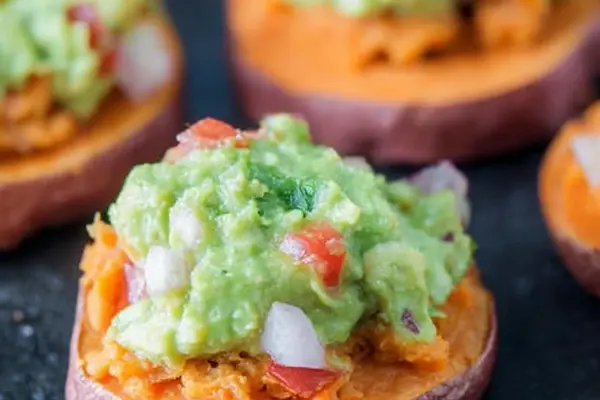
Roasted Sweet Potato with Guacamole
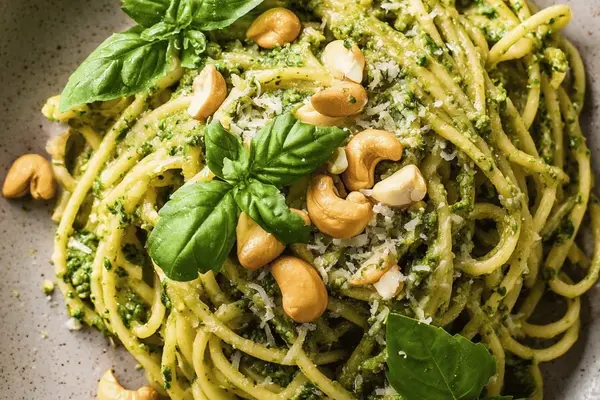
Dairy-Free Pesto with Roasted Cashews
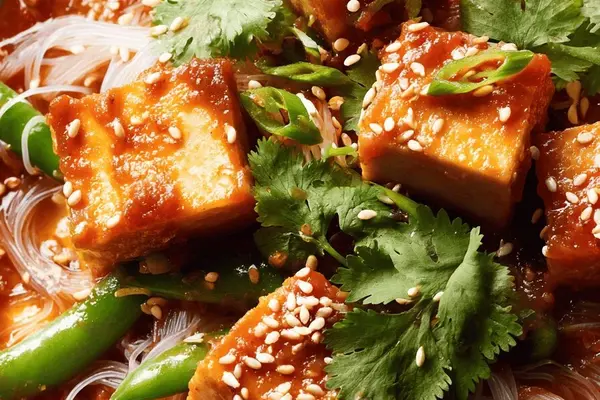
Miso Tomato Tofu Stir Fry with Snap Peas
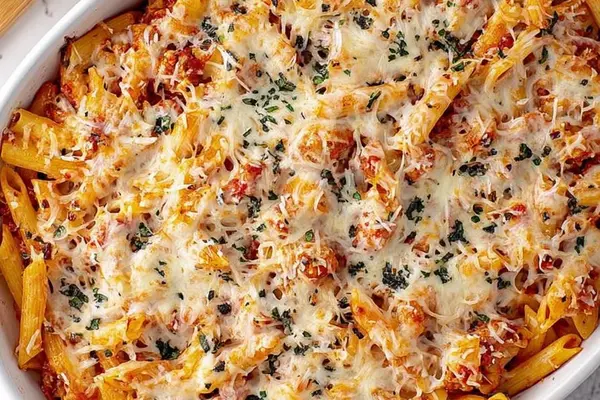
Baked Mostaccioli with Italian Sausage
Seeded Ciabatta Twist with Olive Oil

Boston Cream Cupcakes with Chocolate Ganache

Baked Chicken Wings with Smoked Paprika
Monster Cookie Bars with Oats & M&Ms
Chocolate Chip Cookie Ice Cream Sandwiches
Lobster Pasta with Cherry Tomatoes & White Wine
Slow Cooker Beef Tomato Sauce with Red Peppers

Sloppy Joe Garlic Bread with Melted Colby Jack
Brioche Bread with Cranberry Cinnamon Filling

Slow Cooker Apple Balsamic Chicken

Herb Scones with Spelt and Oat Flour
Pasta Tomato Sauce Tuna with Capers
Instant Pot Chicken Burrito Bowl Recipe