Lemon Pavlova with Yuzu Filling Recipe
By Emma
Certified Culinary Professional
·
Recipe tested & approved
Four hours forty-five minutes low and slow. That’s the whole thing. Meringue dries in the oven while you wait, the filling chills hard in the fridge, and then you just stack them together. No bake dessert logic — the oven does the work, not you.
Why You’ll Love This Easy Lemon Pavlova
Takes 40 minutes of actual hands-on time. The rest is waiting. Tastes tart and bright without being sharp — yuzu rounds it out in a way lime can’t quite do. Stays crispy for at least two hours after assembly. Not soggy. Not collapsed. Works as the kind of dessert that looks like you tried harder than you did. One bowl for meringue, one for filling. Cold water rinse and you’re done. Cleanup isn’t the worst part of your night.
What You Need for a Crispy Meringue Pavlova with Lemon Curd
Six egg whites — room temperature. Cold ones whip slower and tighter, which sounds good but isn’t. Warm ones move faster.
Apple cider vinegar. Just half a teaspoon. It stabilizes like cream of tartar but doesn’t leave that weird bitter edge. Not interchangeable. Tried it. Tastes different.
Powdered sugar. Three quarters of a cup plus two tablespoons. Dissolves clean, no grit. Granulated sugar won’t work — leaves texture.
Six egg yolks. Same eggs. Don’t waste them.
Lemon juice. Two large lemons squeezed. Bottled works if you’re in a rush. Tastes slightly flat but not ruined.
Yuzu juice if you can find it — that floral thing that lemon alone can’t do. Don’t have it? Thirty milliliters lime juice plus fifty milliliters lemon juice. Close enough. Not identical but works.
Granulated sugar for the filling. One cup. Whisks in easier than powdered here.
Butter. Fifty milliliters. Added at the end for shine and richness. Actually matters.
Water. One hundred ten milliliters for the base, fifty milliliters cold for the starch slurry. Two different jobs.
Cornstarch and potato starch. Two tablespoons cornstarch, one tablespoon potato starch mixed together. One starch alone gets grainy or too thick. Two of them make it silk.
Parchment paper. Meringue sticks to regular pan. This one doesn’t.
How to Make Easy Lemon Pavlova — The Meringue
Preheat to 95 Celsius. That’s 200 Fahrenheit. Lower than normal. Higher temps brown the edges unevenly and crack the whole thing apart.
Line a tray with parchment. Draw a circle on it — twenty-four centimeters across. Doesn’t have to be perfect. Close is enough.
Whip egg whites with that half teaspoon of apple cider vinegar. Start on medium speed. The vinegar works before you even see soft peaks — it’s doing its job in the background.
When soft peaks form — when you lift the whisk and it holds shape for a second then collapses — start sprinkling powdered sugar in slowly. Not all at once. Slowly. The whites stay fluffy that way instead of deflating.
Keep whipping until stiff peaks form. Actually stiff. The meringue should be glossy and thick enough that when you dip a spoon it holds the shape of the spoon.
Spoon it onto the parchment inside your circle. Build up walls with the back of the spoon — about two and a half centimeters high. Hollow out the center gently. It doesn’t have to look smooth. Rough is better. That texture traps air and gives you actual bite when you eat it.
Bake for four hours and forty-five minutes. Don’t open the oven. Don’t check it. The heat is that low that opening it breaks the whole drying process.
At the end of four forty-five, the meringue should look matte — not shiny, not dark. Lightly cracked on top if it wants to be. The surface feels dry when you touch it. Could feel dusty even. That’s done.
Pull it out and leave the oven door cracked open. Let it sit there overnight. The cooling happens slow, which is what you want. If it’s sticky in the morning, give it another thirty minutes at the same low heat.
How to Get Tart Lemon Pavlova Actually Crispy — The Filling
Double boiler situation. Heatproof bowl over simmering water. The water shouldn’t touch the bottom of the bowl.
Whisk egg yolks and granulated sugar in that bowl. Not on direct heat. The sugar dissolves and the yolks get pale and thick — takes a minute or two. You’ll feel it under the whisk getting lighter.
Add lemon juice and yuzu juice and water and butter. All at once is fine. Temperature shouldn’t spike — if the filling gets too hot, the eggs scramble in the next step and you’ve wasted everything.
In a separate small bowl mix cornstarch and potato starch with fifty milliliters of cold water. Stir it until there’s no lumps. A fork works. A whisk works better.
Pour that starch slurry into the citrus mixture while you whisk constantly. Keep going. The filling thickens while you watch. When it coats the back of a spoon — when you can draw a line through it and the line stays — pull it off heat.
Press plastic wrap right on the surface. Skin is the enemy. It hardens and ruins texture. Chill for at least three hours. It’ll keep setting in the fridge and get sharper.
Meringue Pavlova with Lemon Curd Tips and Mistakes
Egg whites pick up taste from metal. Glass bowl. Ceramic bowl. Not metal.
Sugar crystals after whipping means it didn’t dissolve all the way. Beat more. Next time heat the sugar with a tiny bit of water first, dissolve it completely, cool it, then add it. Takes one extra step. Prevents this.
Humid kitchen makes meringue sticky. If you live somewhere damp, dry the meringue in a dehydrator or put it in an air-conditioned room overnight instead of the oven. Works faster. Stays crispier.
Don’t speed-bake the meringue at higher temp. Dries unevenly, cracks all over, tastes chalky. Ninety-five Celsius is slow but it works.
Constant whisking in the filling prevents lumps. If you get stubborn ones, strain the whole thing through fine mesh while it’s still warm. Takes a minute. Worth it.
Taste the filling cold, not hot. Hot burns your tongue and masks the actual flavor. You want tart and bright. Hot tastes different.
Serve within two hours of assembly. The meringue absorbs moisture from the filling after that and gets soft. Not ruined but not what you want.
Leftover meringue scraps — crush them over yogurt or ice cream. Crunch matters.
Lemon Pavlova with Yuzu Filling Recipe
Prep:
40 min
Cook:
4h 45min
Total:
5h 25min
Servings:
8 servings
Ingredients
- Meringue
- 6 egg whites
- 2 ml (1/2 tsp) apple cider vinegar
- 200 ml (3/4 cup plus 2 tbsp) powdered sugar
- Lemon-yuzu filling
- 6 egg yolks
- 230 ml (1 cup) granulated sugar
- 120 ml (1/2 cup) lemon juice (about 2 large lemons)
- 80 ml (1/3 cup) yuzu juice or substitute with 30 ml lime juice + 50 ml lemon juice
- 50 ml (3 tbsp plus 1 tsp) unsalted butter
- 110 ml (7 tbsp plus 1 tsp) water
- 30 ml (2 tbsp) cornstarch
- 15 ml (1 tbsp) potato starch
- 50 ml (3 tbsp plus 1 tsp) cold water
Method
- Prepare Meringue
- 1 Preheat oven to 95 °C (200 °F), slightly lower than usual to avoid browned edges but dry it properly. Line baking tray with parchment paper. Draw a 24cm (9.5 inch) circle as a guide — slightly smaller to keep meringue thick enough but lighter.
- 2 Start whipping egg whites with apple cider vinegar — acts like cream of tartar to stabilize but doesn’t add tartness. Whip on medium speeds until soft peaks form. Gradually sprinkle in powdered sugar to maintain volume but steadily stiffen the whites. Don’t rush; sugar dissolving fully prevents gritty texture.
- 3 Spoon the meringue onto parchment inside the circle, build up walls about 2.5 cm high with the back of a spoon. The center hollowed gently so filling sits nice but walls hold it in place. Rough texture preferred, not too polished - this traps air and adds bite.
- 4 Bake low and slow for 4 hours 45 minutes. Check near the end: meringue should be matte, lightly cracked on top. Surface feels dry to touch. Remove from oven and leave inside overnight with door slightly cracked. If sticky next day, bake another 30 mins. Avoid sealing overnight; moisture ruins crispness.
- Citrus filling
- 5 Using a double boiler or heatproof bowl over simmering water, off direct heat, whisk egg yolks and sugar until pale and thickened. Feels lighter under whisk, takes a minute or two. Add lemon and yuzu juice plus water and butter—not too hot or you’ll scramble eggs in the next step.
- 6 In separate small bowl, mix cornstarch and potato starch into cold water till lump-free. Stir starch slurry into citrus mixture while cooking gently over bain-marie, whisk constantly. As soon as thickened to a custard coating the back of a spoon, remove from heat to avoid graininess.
- 7 Press plastic wrap directly on surface to avoid skin forming. Chill in fridge for at least 3 hours. Will continue to set and develop sharper citrus notes. Don’t taste hot; burns the tongue and masks true flavor.
- Assembly and serving
- 8 When meringue and curd are fully cooled, spoon the thick curd carefully into meringue center. Don’t fill to the brim; leave some space to avoid runoff or soggy base from condensation.
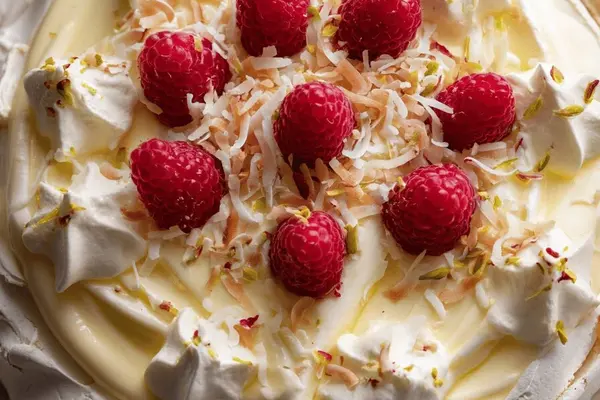
- 9 Top with fresh raspberries and a sprinkle of shredded coconut for extra texture contrast and mild sweetness. Optionally, zest some lemon over top to reinforce brightness.
- 10 Serve immediately for best crunch or within 2 hours. If left too long, meringue absorbs moisture, loses crunch.
- Kitchen notes
- 11 Apple cider vinegar safer than cream of tartar in my experience—less bitter, same stabilization. Using two starches in filling results in a silkier texture, one alone can be grainy or too thick. Yuzu adds floral complexity but lime juice combo is a fine substitute.
- 12 Don’t speed bake meringue at higher temperature; dries unevenly, cracks extensively. Overnight drying is key for perfect texture. If you have humid kitchen, using a dehydrator or air-conditioned room helps prevent sticky meringue.
- 13 Avoid metal bowls sitting around; egg whites pick up metallic taste. Glass or ceramic is best for whipping whites.
- 14 In filling, constant whisking prevents lumps; stubborn ones can be strained through fine mesh. Butter added last for richness and shine, don’t skip it.
- 15 If you get small sugar crystals after whipping whites, don’t panic. Beat some more or try heating sugar with tiny bit of water first next time to dissolve fully before incorporation.
- 16 Leftover meringue scraps are great crushed over yogurt or ice cream for crunch.
Nutritional information
Calories
280
Protein
5g
Carbs
40g
Fat
9g
Frequently Asked Questions About Lemon Pavlova Recipe
Can I make this no bake or do I really need the oven? Meringue needs heat to dry. That’s not optional. The filling’s raw eggs, so it technically cooks over the double boiler but not hard. The meringue is the heat part.
How long does it actually take from start to finish? Forty minutes of work. Then four hours forty-five minutes for meringue. Then three hours minimum for filling in the fridge. Five hours twenty-five minutes total sitting around. You’re not actively doing anything for most of it.
What if I don’t have yuzu juice? Thirty milliliters lime plus fifty milliliters lemon. It’s not the same — yuzu’s more floral — but it works. Tastes good. Different direction but good.
Why two starches instead of just cornstarch? One alone either gets grainy or turns into paste. Two together make it smooth. Tried it both ways. Two is better.
Can I use cream of tartar instead of apple cider vinegar? Yeah. It works the same. Vinegar just tastes cleaner to me. No weird edge.
Does it have to sit overnight in the oven or can I pull it out sooner? Pull it out after four forty-five when it’s dry to touch. If it’s still tacky the next morning, another thirty minutes fixes it. Overnight drying is safer — gives it time to harden all the way through. If you’re in a rush, check it around the four-hour mark.
What if the meringue cracks while baking? Normal. Low heat causes cracks. It’s still fine. The cracks are cosmetic. Filling covers half of it anyway.
How far ahead can I make this? Meringue stays crispy for two hours after assembly. Beyond that the filling moisture softens it. Make the meringue and filling separately and store them — meringue in an airtight container, filling covered in the fridge. Assemble right before serving.
You’ll Love These Too
Explore all →
Roasted Salmon with Pomegranate Seeds
Ground Beef Meatloaf with Bacon

Cosmopolitan Drink Recipe with Cranberry Vodka
Crispy Salami Cups with Ricotta & Mozzarella

Ham Pimiento Cheese Sandwich Baked
Roast Chicken with Carrots, Beets & Cherry Tomatoes
Curried Fish Stew with Sweet Potatoes
Orzo Salad with Peas, Apricots & Pistachios
Baked Cod Fish Recipe with Carrot Purée
Sunny Side Up Eggs with Olive Oil
Slow Cooker Meatloaf Recipe with Ketchup
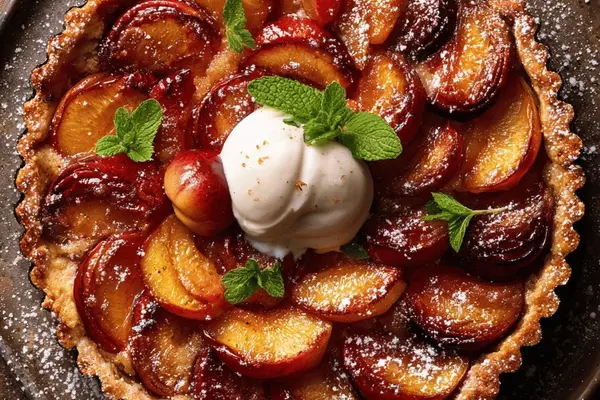
Rustic Stone Fruit Tart with Yogurt Crust
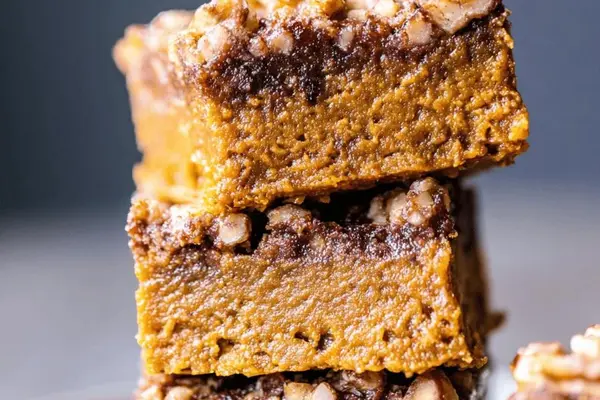
7 Layer Bars with Dates, Walnuts & Pumpkin
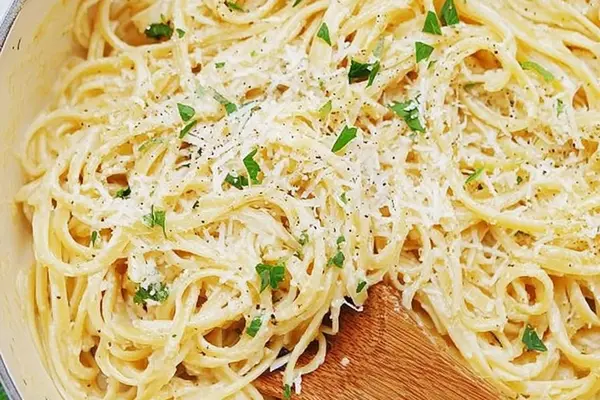
Creamy Garlic Parmesan Linguine Recipe
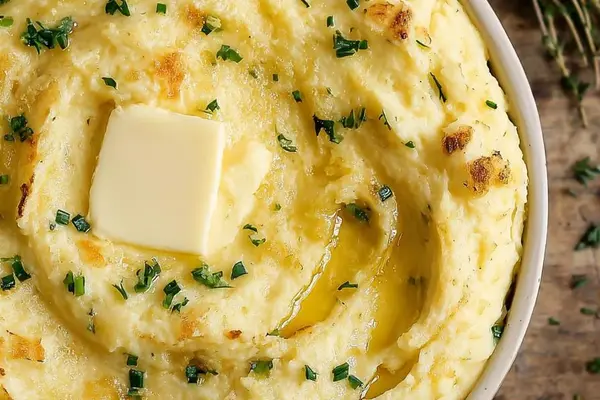
Cheesy Mashed Potatoes with Smoked Gouda
Caramelized Onion Dip Recipe with Gouda
No Bake Cheesecake with Pumpkin & Vanilla
Fresh Basil Pesto Recipe with Spinach
Tuna Casserole with Egg Noodles