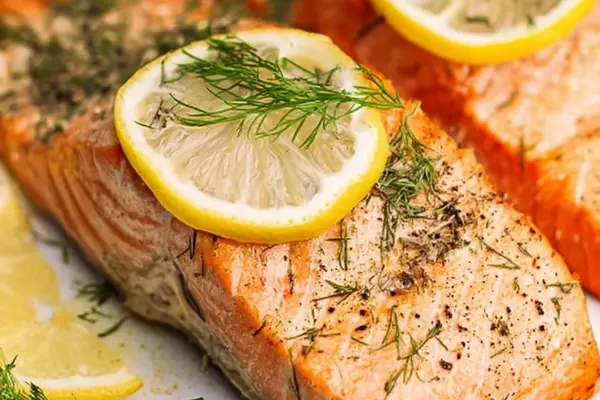
Lemon Dill Salmon - Easy Oven Baked
By Emma
Certified Culinary Professional
·
Recipe tested & approved
Oven-baked salmon fillets with fresh lemon juice, tarragon, sea salt, and pepper. Tender, flaky fish ready in 12 minutes. Simple and healthy.
Prep:
7 min
Cook:
16 min
Total:
23 min
Servings:
4 servings
Lay the salmon down. Lemon juice goes on. Oven at 350. Sixteen minutes if it’s thin enough.
That’s it. People overthink this.
Why You’ll Love This Lemon Salmon
Takes 23 minutes total—prep to plate. Not some half-hour ordeal. Healthy protein that doesn’t taste like you’re being responsible. Tastes good because it is good. One pan. Spray it, salmon in, lemon on. Cleanup takes longer than deciding to make it. Works cold the next day. Better actually. Weird but true. Fresh herbs do the heavy lifting—no cream sauce, no complicated anything.
What You Need for Oven Baked Salmon with Lemon
24 ounces of salmon. Fillets or one big piece. Doesn’t matter that much.
Lemon juice. Fresh. The bottled stuff tastes like plastic. Three and a half tablespoons. That’s a lot of acid but it works on salmon. Cuts the richness.
Fine sea salt. Coarser stuff doesn’t stick as well. Grind black pepper fresh. The stuff in the tin is basically dust.
Two tablespoons of fresh tarragon. That’s if you can find it. Tastes like anise, kind of sweet. Dill works but tarragon is different—better actually. If you can’t find either, parsley does the job. Not the same but it’s fine.
Oil or cooking spray. Something to keep it from sticking. Olive oil works. Avocado oil works better. Spray works fastest.
How to Make Easy Baked Salmon with Lemon
Heat the oven to 350. Let it sit while you prep. Don’t start cooking before it’s actually hot.
Get a 9-by-13 pan or a sheet. Spray it down. Seriously. Don’t skip this. Fish sticks and then everything’s sad.
Lay the salmon out. If you’ve got fillets, space them a little. Crowded salmon steams instead of roasts. If it’s one big piece, just drop it in the middle.
Pour the lemon juice over it. All of it. Three and a half tablespoons. It sounds like a ton but the fish needs it. The acid breaks down the protein a tiny bit. Makes it less tough.
Sprinkle salt on. Don’t go crazy. You can taste it after. Grind the pepper fresh—just a few turns. Pepper loses flavor if it sits around.
Scatter the tarragon on top. Chop it fine or it’s weird in your mouth. Two tablespoons sounds like nothing but it covers the whole thing fine.
How to Get Roasted Salmon Fillets Perfectly Cooked
Slide the pan into the oven. Temperature matters—350 is the sweet spot. Too hot and the edges burn before the middle cooks. Too low and it takes forever.
Fillets that are about an inch thick take nine to twelve minutes. Bigger pieces take longer. If you’ve got one massive filet it’s more like sixteen to eighteen minutes. Watch it more than the timer.
The edges turn opaque first. That’s your warning sign. When you poke it with a fork and it flakes a little but still pushes back—that’s done. The inside will still have a tiny bit of pink. That’s perfect. That’s moist.
One second too long and it’s dry. You’ll know immediately when you bite it. It gets stringy and sad. Don’t let that happen. Fish cooks fast.
The thicker the piece, the longer it takes. An inch needs maybe ten minutes. An inch and a half needs thirteen or fourteen. Just watch it. Open the door. Look at it. It’s not rocket science.
Lemon Dill Salmon Recipe Tips and Mistakes
Pull it out when it’s still slightly springy. Not mushy. Not crunchy. Just gives when you press it gently with the fork.
Let it rest for three minutes. Loosely tent it with foil. That’s when the heat finishes cooking it gently and the juices stop running everywhere. Skip this and it’s dry.
Don’t use bottled lemon juice. It tastes flat. Real lemons take one minute to cut and juice. Tastes completely different.
Tarragon is the move here. Dill works but it’s grassy. Tarragon has this subtle sweet thing. If you can only find dill, use it. Just be aware it changes the flavor. Parsley is fine too. Doesn’t add much but doesn’t hurt either.
The pan has to be oiled. Salmon sticks to everything if you don’t. Learned that the hard way once. Never again.
Leftover salmon—eat it cold straight from the fridge. Or reheat it gently at 275 for like five minutes. Microwave kills it. Don’t do that.
Lemon Dill Salmon - Easy Oven Baked
Prep:
7 min
Cook:
16 min
Total:
23 min
Servings:
4 servings
Ingredients
- 24 ounces salmon cut into fillets or one large filet
- 3½ tablespoons fresh lemon juice
- fine sea salt to taste
- freshly ground black pepper to taste
- 2 tablespoons fresh tarragon chopped finely (substitute for dill)
- cooking spray or olive oil for coating
Method
- 1 Preheat oven to 350°F. Spray 9×13 inch rimmed baking pan or baking sheet with light olive oil or cooking spray. Don't skip this; fish sticks easily.
- 2 Lay salmon pieces in a single layer. If fillets, try to keep spacing — crowding traps moisture, ruining crisp edges. If one big filet, center it.
- 3 Pour 3½ tablespoons lemon juice evenly over salmon. The lemon acid starts breaking fish fibers. A subtle tang that cuts through richness — no need for vinegar or citrus overload.
- 4 Season with fine sea salt and freshly ground black pepper to taste. Salt early allows more flavor penetration. Pepper late for fresher aroma.
- 5 Sprinkle 2 tablespoons finely chopped fresh tarragon instead of dill. Tarragon has anise notes, giving a gentle herbal lift with slight sweetness, a different take if dill unavailable or too grassy.
- 6 Place pan in oven. Cooking times shift based on thickness. For fillets, 9-12 minutes per inch of thickness, depending on size. For large filet, 16-18 minutes straight. Listen for gentle sizzling sounds near edges.
- 7 Fish edges turn opaque first, start to flake with light fork pressure when done. Don’t rely solely on timer; a few seconds too long results in dryness, too short leaves raw spots.
- 8 Thickness matters. Around 1-inch fillets come out tender with a subtle pinkish glaze inside, flaky but moist. Thicker pieces need 2-3 extra minutes, watch edges closely.
- 9 Remove from oven when fish flakes easily but still offers resistance under fork — that slight springiness means juicy flesh.
- 10 Rest fish 3 minutes loosely tented with foil. Internal heat finishes gentle cooking and allows juices to redistribute — skipping rest makes salmon dry and tough.
- 11 Serve immediately. Optional: drizzle a little extra lemon juice or a thin pat of butter to add glossy richness. Avoid sauces that mask the fresh lemon-herb profile.
Nutritional information
Calories
280
Protein
34g
Carbs
1g
Fat
14g
Frequently Asked Questions About Lemon Salmon
Can I use frozen salmon fillets? Yeah. Thaw it first though. Frozen salmon cooks unevenly. Takes way longer and the edges get weird.
What if my salmon is thicker than an inch? Add a few minutes. Start checking at fourteen minutes instead of twelve. Thickness is everything. A quarter inch difference is like two minutes of cooking time.
Do I have to use tarragon? Nope. Dill works. Parsley works. Basil’s interesting. Whatever green herb you have lying around probably works fine.
Should I cover the pan while it roasts? No. You want the top to dry out a little. That’s how you get edges that aren’t mushy. Covered means steamed.
Can I make this ahead? Make it, cool it, stick it in the fridge. Tastes better cold honestly. Lemon flavor gets more intense. Reheat gently or don’t reheat at all.
Why does my salmon always stick? The pan isn’t oiled enough. Use spray. Coat the whole thing. And don’t move it around. Let it sit. It releases itself when it’s ready.
You’ll Love These Too
Explore all →
No-Bake Strawberry Cream Pie Recipe

Peanut Butter Cookies with Reese's Cups

Breakfast Burrito with Eggs, Mushrooms & Spinach
Chicken Drippings Gravy Recipe
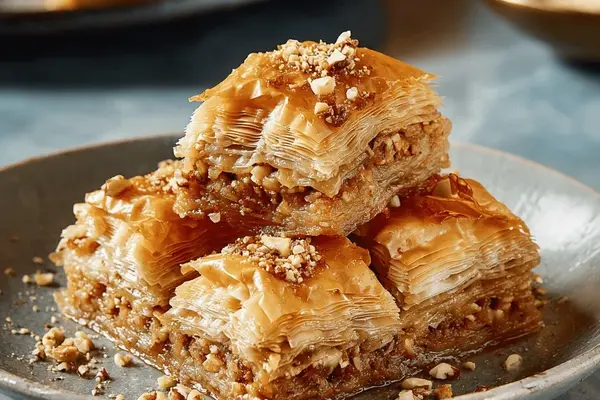
Walnut Baklava with Honey Cinnamon Syrup
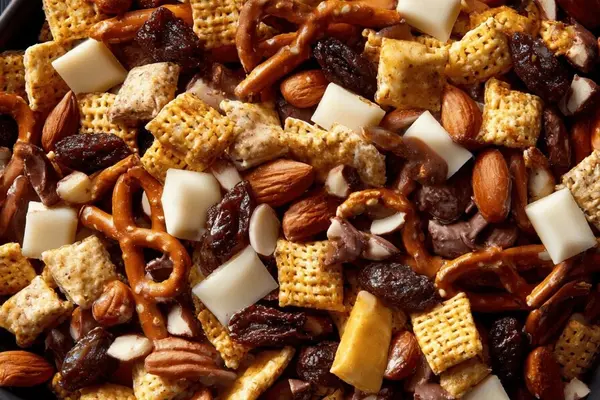
Oatmeal Peanut Butter Balls Recipe
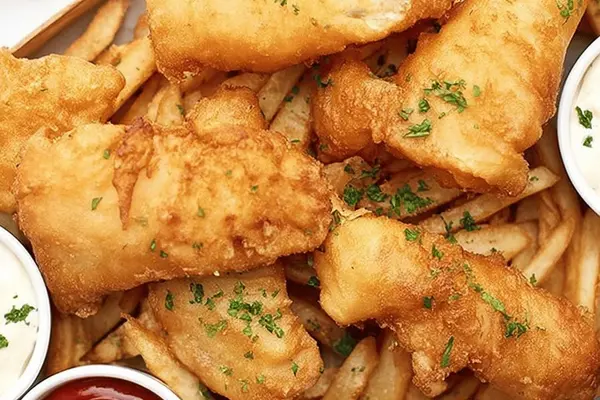
Crispy Beer Battered Cod with Pale Ale
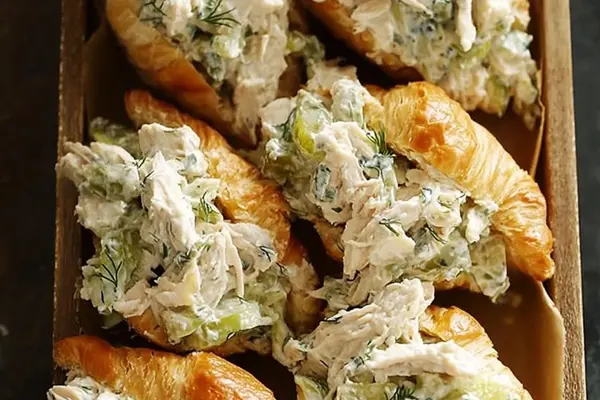
Chicken Salad Chick with Pepperoncini
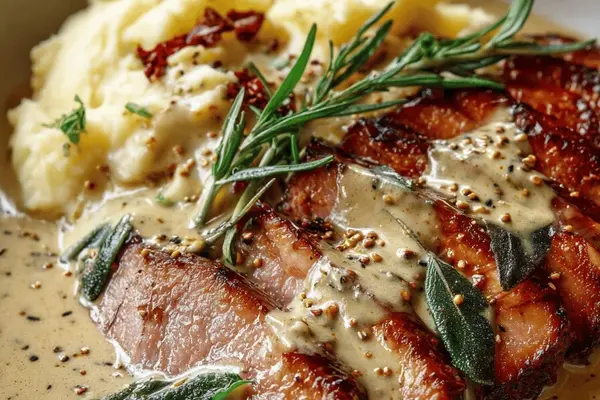
Ham With Apricot Glaze Recipe
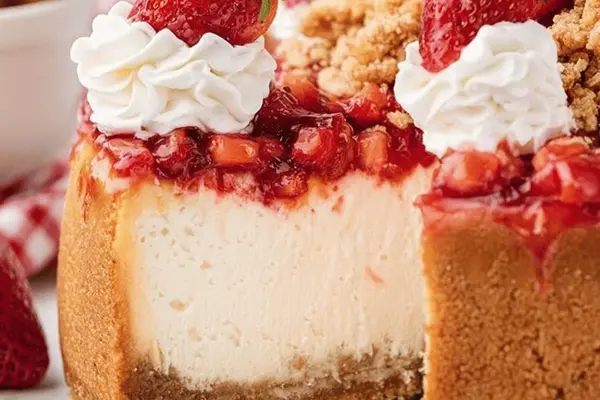
No Bake Cheesecake with Strawberry Oreos

Homemade Peanut Butter Cups Recipe
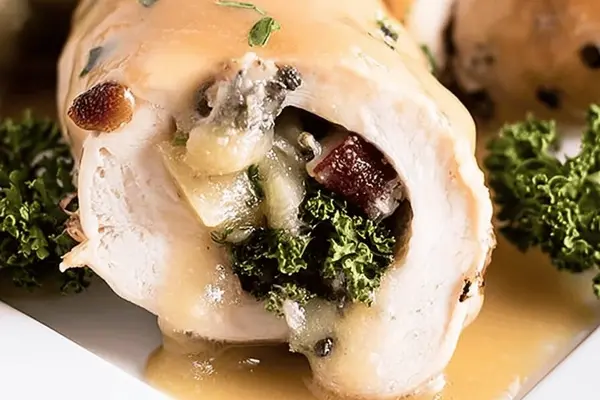
Stuffed Chicken Breast with Spinach & Apple Gravy
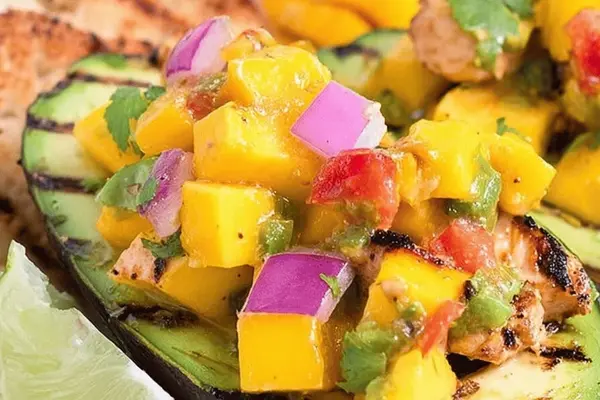
Grilled Chicken With Avocado and Mango Salsa

Christmas Cocktails with Melon Liqueur
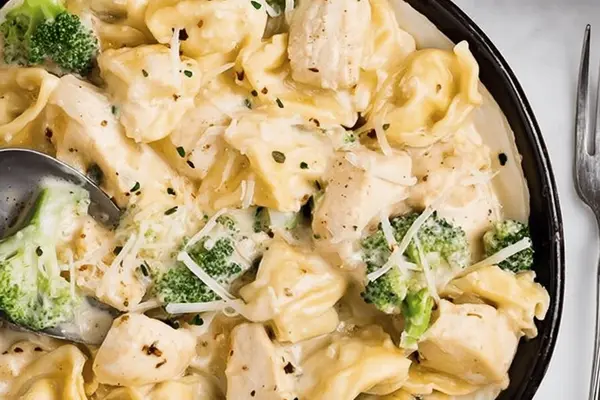
Chicken Broccoli Tortellini with Cheese
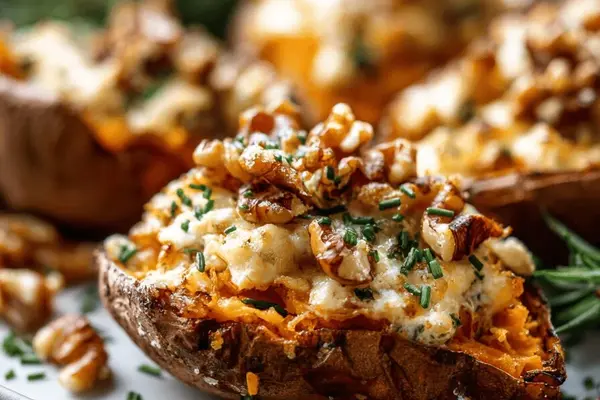
Roasted Sweet Potatoes with Smoked Gouda
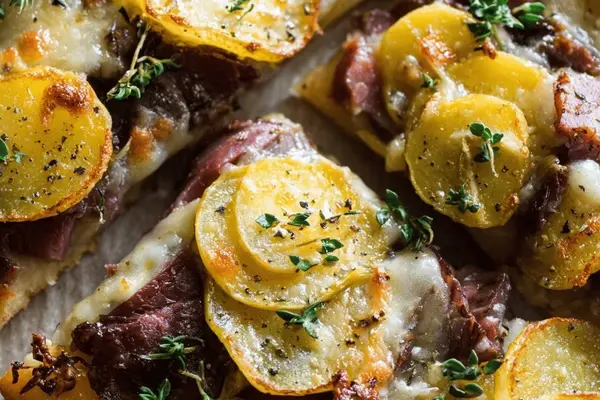
Focaccia with Potatoes and Smoked Beef

Red Velvet Yule Log with Italian Meringue
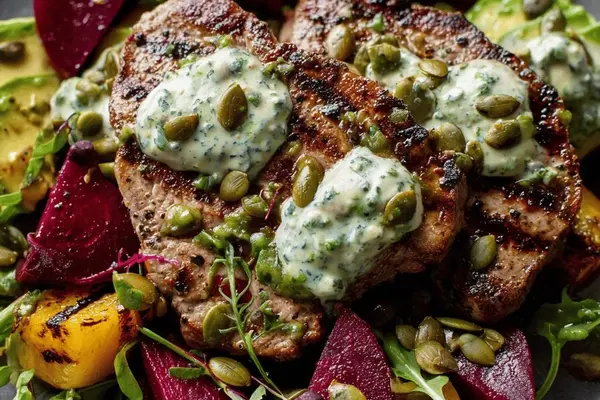
Grilled Veal Chops with Beet & Avocado