Lemon Crinkle Cookies with Browned Butter
By Emma
Certified Culinary Professional
·
Recipe tested & approved
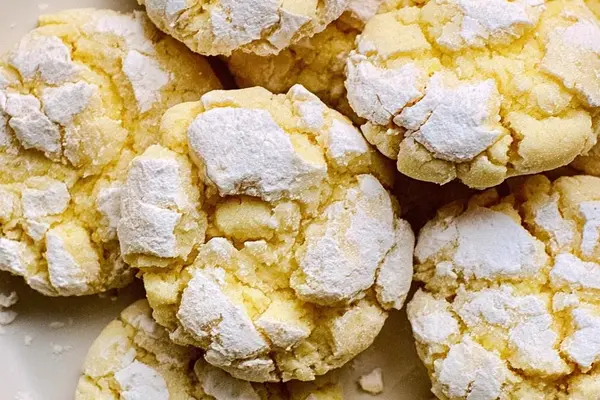
The lemon zest hits differently when you rub it with sugar first—oils release, the granules go damp and fragrant, and you’re halfway to flavor before anything even goes in a bowl. Browned butter. Powdered sugar coating. Double dusted before they hit the oven. These aren’t just lemon cookies. They’re the ones that crack on top like they mean it, stay faintly underbaked in the center, and taste like you actually care.
Why You’ll Love These Lemon Crinkle Cookies
Takes 2 hours 40 minutes total, but most of that’s chill time. You’re actually working maybe 35 minutes. The browned butter thing sounds extra. It’s not. Toasted, nutty, changes everything about how the lemon sits on your tongue. Powdered sugar coating breaks into those sharp lines on top as they bake. Looks intentional. Feels fancy. Nobody needs to know how easy they are. Works cold from the container, room temp, even slightly warm. They’re just good. Almond extract doesn’t make them taste like almonds—it deepens the lemon instead of letting it get sharp and one-note.
What You Need for Homemade Lemon Crinkle Cookies
Two cups all-purpose flour. Nothing fancy. The kind you already have. Baking soda. Three-quarter teaspoon. Less than the original baking powder—soda reacts faster, helps with that spread and crinkle. Salt. Half a teaspoon. Zest from two lemons. The yellow part only. White pith tastes bitter. A microplane works. So does a box grater held at an angle. Granulated sugar. Three-quarter cup to start, then another quarter cup for rolling. Powdered sugar. Half a cup just for coating. Yes, that much. It matters. Unsalted butter browned and cooled. Half a cup. Brown it in a pot over medium heat, watching it separate and turn nutty and brown. Pour it into a bowl, let it sit until it’s room temp. You need the solids. Don’t skip them. Two large eggs plus one egg yolk. The extra yolk makes them tender. Vanilla extract. One teaspoon. Real stuff. Almond extract. Half a teaspoon. Switched in from lemon extract. Brings a different angle.
How to Make Lemon Crinkle Cookies
Whisk flour, baking soda, salt together in a medium bowl. Set it aside. Nothing complex here.
In a large bowl, rub the lemon zest and three-quarter cup granulated sugar between your fingertips. Keep going until it’s fragrant and the granules feel damp and coarse. That’s the oils releasing. That’s flavor waking up. Pour in your cooled browned butter and whisk it with the sugar until it’s combined and slightly thickened. The butter should be room temp or close. Cold butter won’t mix right.
Add the eggs and egg yolk. Whisk until smooth and pale. It takes maybe a minute. Then stir in vanilla and almond extract. The almond piece—it doesn’t taste like almonds. It just rounds out the lemon so it’s not sharp.
Fold the dry stuff into the wet stuff. Gently. Just until no flour streaks show. Overmixing means tough cookies. Not worth it. This takes maybe thirty seconds if you’re careful.
How to Get Lemon Cookies with That Perfect Crinkle Finish
Cover the bowl and stick it in the fridge. Minimum an hour and a half. Overnight is better. Cold dough rolls easier, doesn’t stick to your hands, spreads predictably.
Heat your oven to 345°F. Line baking sheets with parchment.
Get two small bowls. One with granulated sugar. One with powdered sugar. Use a cookie scoop or spoon to portion out balls about 1.5 to 2 tablespoons each. Roll them between your palms until they’re smooth. They don’t need to be perfect. Just round.
Roll each ball in granulated sugar first. Then coat it heavily in powdered sugar. The powdered sugar is what cracks on top. More powder means bigger cracks. That’s the whole thing.
Space them 2 inches apart on the sheet. If the dough starts feeling warm and sticky, back in the fridge it goes for a few minutes. Works fine between batches.
Bake 9 to 12 minutes. Watch the edges. They’ll turn opaque and firm while the centers still jiggle slightly. Bottoms should go golden, not brown. Underbaked is the goal here. They keep cooking as they cool.
Lemon Crinkle Cookies Tips and Common Mistakes
If they spread unevenly, gently swirl the pan or nudge the dough with a spoon while it’s still warm. Shapes itself if you’re patient. If they seem stubborn to spread, press them flat just slightly before the oven. Not flat flat. Just a gentle push.
Cool them one to two minutes on the pan. Then transfer with a spatula to a wire rack lined with parchment. The pan is still warm—they’ll keep cooking. That’s fine. They firm up as they cool, set into that tender-but-firm texture.
Store them airtight once they’re fully cooled. Two hours in, they’re done. They’ll keep a week easy. Probably longer, but they won’t last that long.
The browned butter has to cool. Hot butter won’t work. Patient wins here.
If your dough is too warm from mixing, chill it. If you live somewhere hot, chill between batches. The powdered sugar coating needs cold dough or it’ll melt off.
Lemon Crinkle Cookies with Browned Butter
Prep:
25 min
Cook:
12 min
Total:
2h 40min
Servings:
24 cookies
Ingredients
- 2 cups all-purpose flour
- 1 teaspoon baking powder changed to 3/4 teaspoon baking soda
- 1/2 teaspoon salt
- Zest of 2 lemons
- 3/4 cup granulated sugar
- 1/2 cup powdered sugar for rolling
- 1/4 cup granulated sugar for rolling
- 1/2 cup unsalted butter browned, cooled
- 2 large eggs
- 1 large egg yolk
- 1 teaspoon pure vanilla extract
- 1/2 teaspoon almond extract switched in for lemon extract
Method
- 1 Whisk together flour, baking soda, and salt in medium bowl. Set aside.
- 2 In a large bowl, rub lemon zest and granulated sugar between your fingertips until fragrant oils release—granules will feel coarse and moist. This awakens lemon flavor more than zest alone.
- 3 Pour in browned butter; whisk with sugar until combined and slightly thickened. Brown butter adds toasted nuttiness missing in regular melted butter—trust me, worth the extra step.
- 4 Add eggs and egg yolk. Whisk well until the mixture turns smooth and pale yellow. Then stir in vanilla and almond extracts. Almond extract gives a deeper, less sharp flavor contrast to the lemon.
- 5 Fold dry ingredients into wet mixture gently, stirring just until no flour streaks remain. Overmixing develops gluten—tough cookies, no thanks.
- 6 Cover bowl and chill dough minimum 1.5 hours or overnight. If overnight, dough firms up a lot; let sit at room temp 10 minutes before scooping. Chilled dough rolls easier, less sticky.
- 7 Preheat oven to 345°F (adjusted down slightly). Line baking sheets with parchment paper.
- 8 Set out small bowls: one with granulated sugar, another with powdered sugar. Use a cookie scoop or spoon to form 1.5 to 2 tablespoon dough balls. Roll balls between palms for smoothness.
- 9 Roll each ball first in granulated sugar, then coat liberally in powdered sugar. Double powder coat helps cracked surface pattern develop during baking. Place cookies spaced 2 inches apart on sheets. If dough warms up, pop back in fridge between batches.
- 10 Bake 9-12 minutes. Look for edges turning opaque and firm, centers jiggle slightly. Bottoms should be golden but not browned. Underbaking is your friend here; centers stay gooey after cooling.
- 11 If cookies spread unevenly, swirl pan gently or nudge dough with spoon while warm to shape circles. Press dough balls flat very slightly before baking if they seem stubborn to spread.
- 12 Let cookies cool 1-2 minutes on pan, then transfer with spatula to wire rack lined with parchment. Cooling firms cookies, sets texture. Store airtight after fully cooled.
Nutritional information
Calories
110
Protein
1g
Carbs
15g
Fat
5g
Frequently Asked Questions About Lemon Cookies
Can I use regular butter instead of browned butter? You technically can. But brown butter is the point. The nutty flavor is what separates these from regular lemon cookies. Don’t skip it.
How long do I actually have to chill the dough? An hour and a half minimum. Overnight is better. If overnight, let it sit at room temp for 10 minutes before scooping—it gets pretty firm and you don’t want to fight it.
Why the almond extract instead of lemon extract? Almond doesn’t make them taste like almonds. It deepens the lemon so it stays complex instead of sharp and one-note. Lemon extract alone gets thin. This works better.
What if my cookies don’t crinkle? Powdered sugar coating needs to be generous. Like really generous. And the dough needs to be cold—warm dough spreads too fast and flattens before cracks form. Cold dough, heavy powder, 345°F oven. That’s the equation.
Can I bake these at 350 instead of 345? Sure. You’ll lose like a minute from the bake time. 345 is just where they stay gooey in the center the longest. Higher temp and they firm up faster.
How do I know when they’re done? Edges turn opaque and firm. Centers still jiggle slightly. Bottoms are golden. Underbake them. They keep cooking after they come out. Gooey center is the goal.
You’ll Love These Too
Explore all →
Passionfruit Coconut Pavlovas with Basil Cream

Caramelized Onion Dip with Feta & Cream Cheese

Fermented Vegetables Probiotics Recipe

Beef Tenderloin With Crab Stuffing
Strawberry Short Cake Recipe Fresh Berries
Steak Marinade with Garlic & Apple Cider
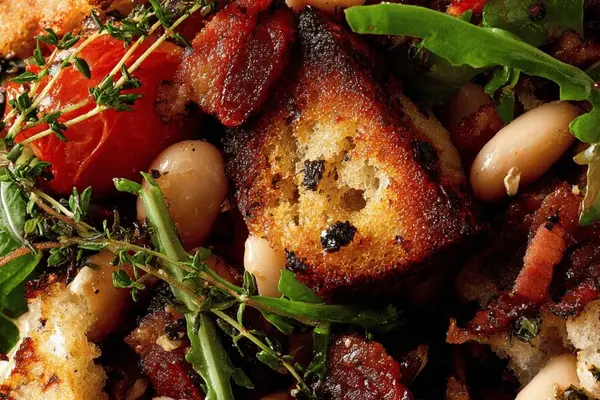
Panzanella Salad with Pancetta and Grape Tomatoes

Caramelized Figs with Greek Yogurt & Honey
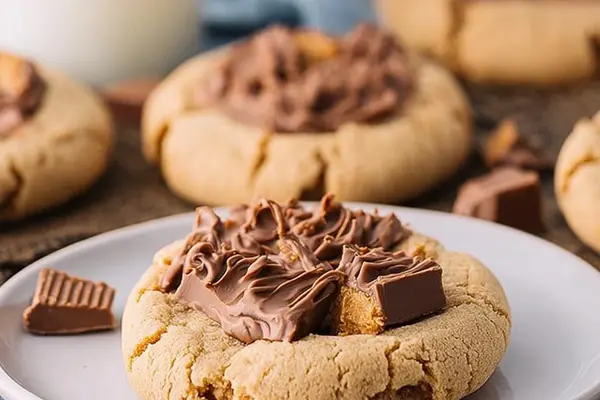
Peanut Butter Reeses Cups Cookies
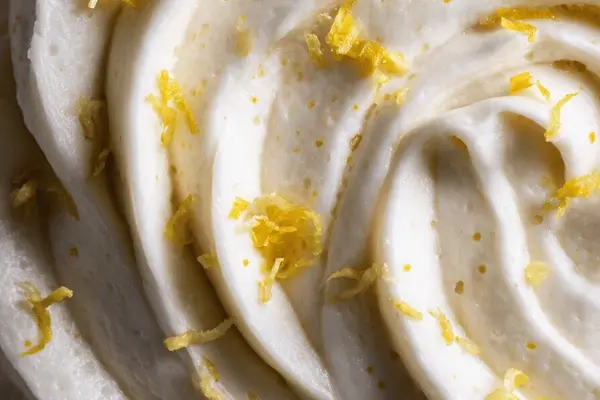
Lemon Butter Frosting with Yuzu & Almond Milk

Best Ways To Make Lobster Tails
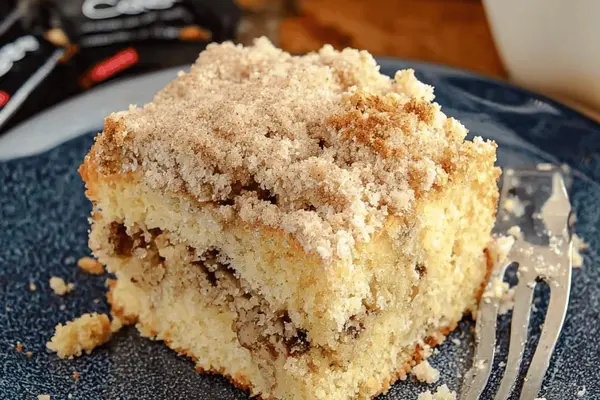
Buttermilk Pie with Cinnamon Streusel
Apple Upside Down Cake with Brown Butter

Italian Osso Bucco with Veal and Cheddar

Wild Mushroom Risotto Mix in a Jar

Raspberry Yogurt Sherbet Recipe with Greek Yogurt
pan fried steak cast iron
Ricotta Cream Heart with Lemon & Maple
Oven-Steamed BBQ Ribs with Paprika Dry Rub