Lemon Cheesecake Bars with Puff Pastry
By Emma
Certified Culinary Professional
·
Recipe tested & approved
Cut the cream cheese into chunks first—softer faster that way. Three tablespoons of fresh lemon juice. Not bottled. The zest goes in twice, which sounds weird but it works. Puff pastry instead of crescent dough because the crust actually holds up.
Why You’ll Love These Lemon Cheesecake Bars
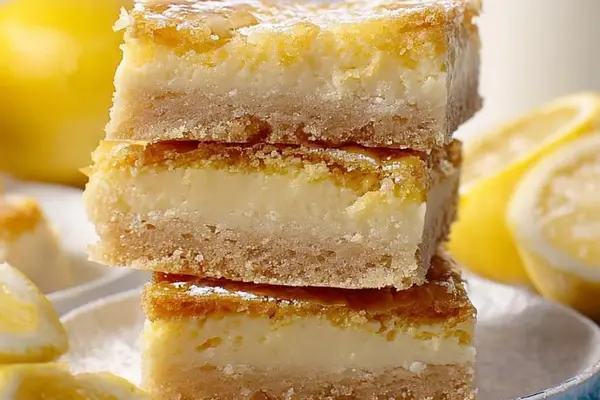
Takes 15 minutes to prep if you’re not messing around. Oven does the rest. The filling tastes tangy but not harsh—lemon dessert bars that don’t make your face crack. No bake part is kind of a lie. They bake. But the filling comes together cold, stays that way until heat. Easier than you’d think. Crust gets this specific crunch when you brush it with butter before the sugar hits. Not pretty-looking. Tastes like a bakery made it. Cuts clean the next day. Cold overnight means edges don’t smudge when you slice.
What You Need for Lemon Cheesecake Bars with Fresh Zest
Two sheets puff pastry, thawed. Not the crescent kind—that shrinks and falls apart. Puff pastry holds its shape. Sixteen ounces cream cheese. Softened means actually soft. Take it out an hour before if your kitchen’s cold. Three-quarters cup sugar for the filling. Salt—just a quarter teaspoon but it matters. Vanilla extract, one teaspoon. One egg yolk. Just the yolk. Discard the white or save it for something else. The yolk makes it richer. Three tablespoons fresh lemon juice and one tablespoon zest for the filling. Then another teaspoon of zest for the topping. Fresh lemon, not that bottled stuff. Three tablespoons melted butter. Unsalted. The brush-on part. One-third cup sugar mixed with the extra lemon zest. That’s your topping.
How to Make Lemon Cheesecake Bars
Heat the oven to 345°F. Not 350. That extra five degrees matters with puff pastry. Foil-line a 9×13 pan and spray it lightly so the whole thing lifts out later without sticking to itself.
Roll out one puff pastry sheet and press it into the pan. Get it even. Corners matter. Prick the base all over with a fork—this stops it from bubbling up and creating weird air pockets while it bakes.
Beat the cream cheese alone first. Actually alone. No sugar yet. Keep going until it’s almost airy, no lumps hiding in there. Lumpy cream cheese turns the bars dense and grainy. You don’t want that.
Add sugar and salt. Beat it. Then vanilla and the egg yolk—only the yolk this time because the white messes with the texture somehow. Add the lemon juice and zest. Mix until mostly smooth. Some tiny lumps are okay. They don’t hurt anything.
Spread the cheese mix evenly on the pastry base. Don’t go crazy trying to smooth it perfect. It’ll even out as it bakes.
How to Get Lemon Cheesecake Bars Crispy and Set
Top with the second puff pastry sheet. Press the edges gently so they seal. Pinch where needed. Tiny gaps are fine—they catch the sugar topping later.
Brush the entire top with melted butter right before the sugar goes on. This is the step people skip. Don’t. It’s the difference between a dull crust and one that looks like a bakery made it. Crisp up instead of just pale.
Mix the one-third cup sugar with the extra teaspoon of lemon zest. Scatter it over the buttered top in a thin even layer. The zest gives you that lemon pop at the end of every bite.
Put the pan on the middle rack. Watch the first 30 minutes. The edges turn golden brown first—that’s your sign that things are moving. The center should jiggle slightly when you nudge it gently. Firm but not hard. Still has give.
If the edges brown too fast, tent foil loosely over the top. Not tight—just draped. Lets heat circulate but stops the burnish.
Remove when it’s lightly browned all over. 40 to 45 minutes total. Thicker puff pastry takes longer than the thinner crescent kind.
Lemon Cheesecake Bars Tips and Common Mistakes
Cool at room temp first. Wait until no more steam’s rising and it’s just slightly warm to touch. Twenty to 25 minutes usually.
Then cover it. Stick it in the fridge. Two hours minimum. Overnight is better. Actually easier to cut when it’s been sitting cold. Cleaner edges. The filling firms up and doesn’t smear.
Use the foil edges to lift the entire slab onto a cutting board. Get a sharp knife. Run it under hot water, dry it off. Cut neat squares. Do this between cuts if you want them really clean—hot knife, dry it, cut again.
Store in an airtight container in the fridge. Keep it cold until just before serving. Sitting out at room temp makes the crust get soggy.
Puff pastry isn’t thawed all the way? It’ll warm as it sits. Don’t try to speed it up with heat. Crescent dough works if you’re stuck but expect less stable base and shrinkage. The bars won’t hold together as cleanly.
Cream cheese has to be actually soft. Too cold and it stays lumpy no matter how long you beat it. Plan ahead. Take it out early. Lumpy filling ruins everything.
Lemon zest isn’t just flavor. It’s the aromatic burst. Use a fine microplane for best effect. Citrus juice alone tastes thin without the zest.
Pricking the pastry base matters. Skip it and the crust gets bubbly and ugly. Takes 30 seconds. Do it.
The egg yolk thing came from a mistake. Tried using the whole egg once and the filling dried out weird. Egg white alone pulls water somehow. Yolk only = creamier, richer, stays moist longer.
Different ovens run different. Visual cues beat timers every time. Golden brown means it’s close. Jiggle test means it’s there.
Lemon Cheesecake Bars with Puff Pastry
Prep:
15 min
Cook:
45 min
Total:
60 min
Servings:
16 servings
Ingredients
- 2 sheets puff pastry, thawed instead of crescent dough
- 16 ounces cream cheese softened
- 3/4 cup granulated sugar
- 1/4 teaspoon salt
- 1 teaspoon vanilla extract
- 1 egg yolk only (discard or reserve white)
- 3 tablespoons fresh lemon juice
- 1 tablespoon fresh lemon zest
- 3 tablespoons melted unsalted butter
- 1/3 cup granulated sugar
- 1 teaspoon lemon zest
Method
- Prep and base
- 1 Heat oven to 345°F not 350. Foil-line 9×13 pan. Spray foil lightly so bars release easily later.
- 2 Roll one puff pastry sheet evenly into pan pushing edges to corners gets even crust. Prick base with fork to avoid bubbling.
- Filling
- 3 Beat cream cheese first alone until almost airy. No lumps matter or bars turn dense. Add sugar and salt; beat well.
- 4 Add vanilla, egg yolk only this time for better richness, then lemon juice and zest. Mix until mostly smooth but some small lumps okay, won’t hurt texture.
- 5 Spread cheese mix evenly on puff pastry base.
- 6 Top with second puff pastry sheet, gently pressing edges to seal and pinch where needed. Tiny gaps catch sugar topping later.
- 7 Brush top with melted butter right before sugar sprinkle—makes crust shine, crisp up.
- 8 Mix sugar and zest together; scatter over top making a thin even layer. Gives sweet crunch and lemon pop.
- Baking
- 9 Put pan on middle rack. Watch first 30 minutes closely. Edges turn golden brown first, that’s the key sign.
- 10 Center should still jiggle slightly when gently nudged, firm but not hard.
- 11 If edges brown too fast, tent foil loosely to prevent burning.
- 12 Remove when lightly browned all over, roughly 40-45 minutes instead of 35-40 to compensate for thicker puff pastry.
- Cooling
- 13 Let cool at room temp until no more steam rising and very slightly warm to touch, about 20-25 minutes.
- 14 Cover and chill in fridge minimum 2 hours. Overnight better—easier cutting, cleaner edges.
- Serving & storage
- 15 Use foil edges to lift entire slab onto cutting board. Clean sharp knife, warm under hot water and dry to cut neat squares.
- 16 Store in airtight container chilled. Keep at fridge temp until just before serving to avoid soggy crust.
- Tips & notes
- 17 If puff pastry isn’t an option, crescent dough works but expect slightly less stable base and more shrinkage.
- 18 Cream cheese ripeness crucial—too cold or lumpy ruins texture, so plan ahead.
- 19 Lemon zest not just flavor, essential aromatic burst. Use fine microplane for best effect.
- 20 Butter brushing step often skipped but it’s the difference between dull crust and bakery shine.
- 21 Don’t skip pricking pastry base or crust gets bubbly and ugly.
- 22 The egg yolk replacement came from a lucky mistake—egg white alone dried filling out.
- 23 Watch oven closely as different racks and ovens vary. Visual cues always beat timers here.
Nutritional information
Calories
300
Protein
5g
Carbs
21g
Fat
22g
Frequently Asked Questions About Lemon Cheesecake Bars
Can I make these no bake lemon cheesecake bars ahead of time? Yeah. Make them the day before. They’re actually better cold and firm. Flavors meld overnight too.
What if I don’t have fresh lemon juice? Don’t use bottled. Just don’t. The flavor’s flat and weird. Fresh lemon juice is the whole point here.
How long do these cream cheese lemon bars with fresh zest last in the fridge? Three days easy. Four if you’re okay with slightly softer crust. Container keeps them from drying out.
Can I freeze them? Sure. Wrap individually. They’re fine for a month. Thaw in the fridge for a few hours before eating. Room temperature makes the bottom soggy.
Why did my crust turn out bubbly? Didn’t prick the base. Air gets trapped. Creates bubbles. Fork holes fix it.
What’s the difference between using puff pastry versus crescent dough? Puff pastry holds together. Crescent shrinks and falls apart. Puff is thicker and more stable. Crescent is thinner and cheaper. Your call on the trade-off.
Can I use bottled lemon zest? No. Fresh microplane-grated zest tastes completely different. Bottled is stale-smelling and weak.
You’ll Love These Too
Explore all →
Bean Tostada Recipe: Quick 15-Minute Meal
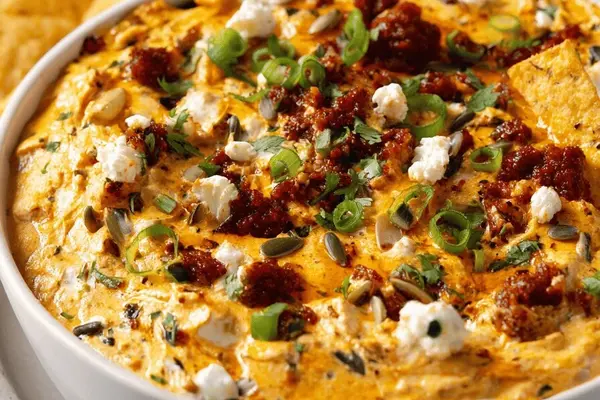
Velveeta Cheese Dip With Chorizo
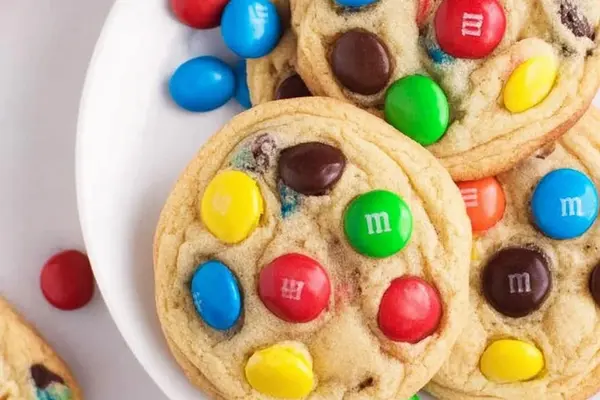
M&M Cookies With Pecans and Crunch
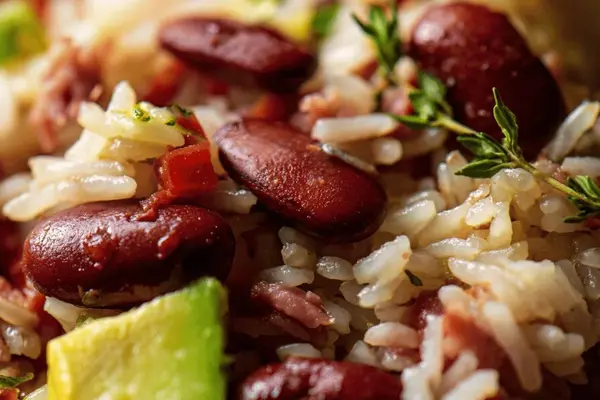
Red Beans and Rice with Smoked Turkey
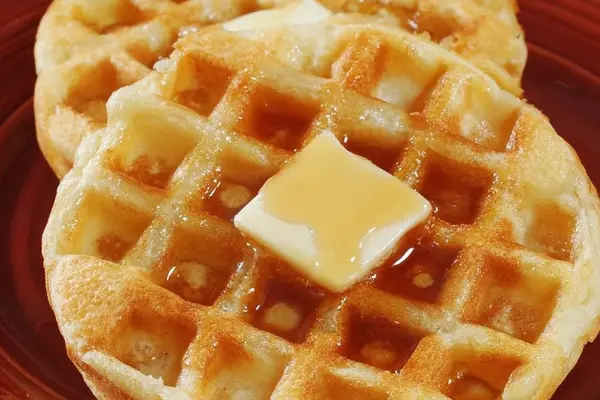
Light Crispy Waffles with Separated Eggs
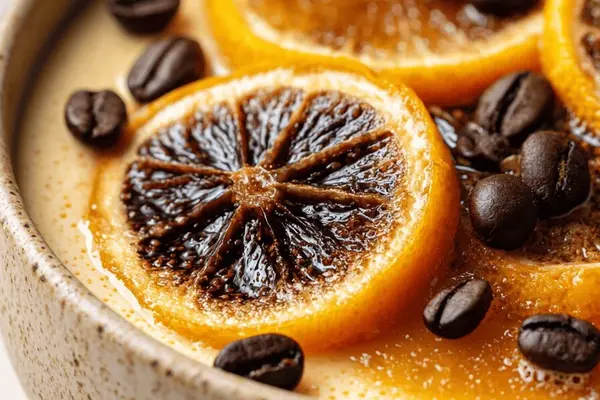
Coffee Orange Panna Cotta with Espresso
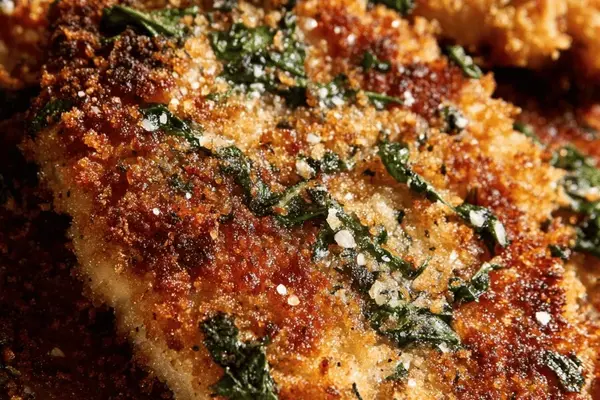
Veal Parmesan with Panko & Pecorino

Rustic Chicken Noodle Soup Recipe
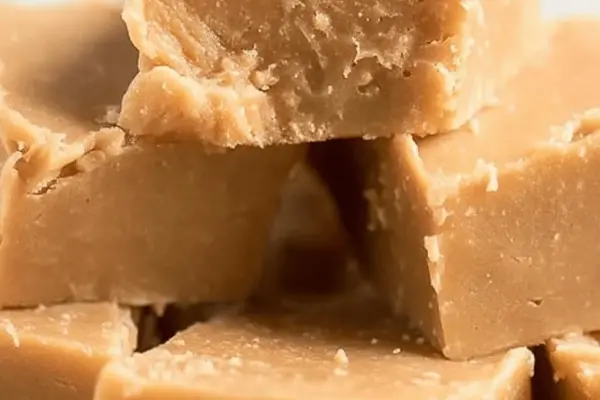
Old-School Peanut Butter Fudge Recipe
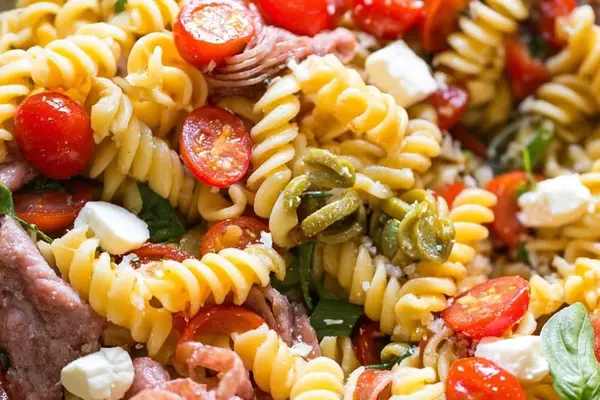
Pasta Salad with Smoked Turkey & Rotini
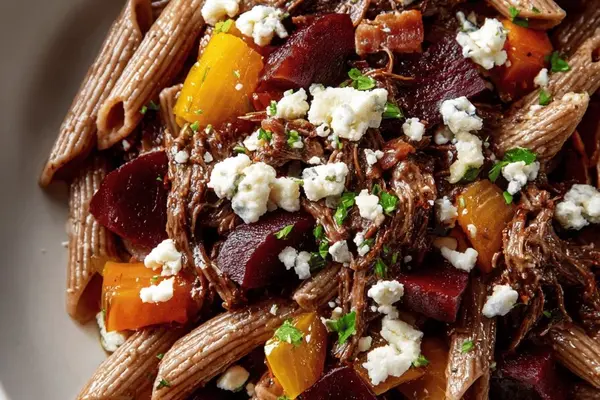
Beef Pasta with Beets and Gorgonzola
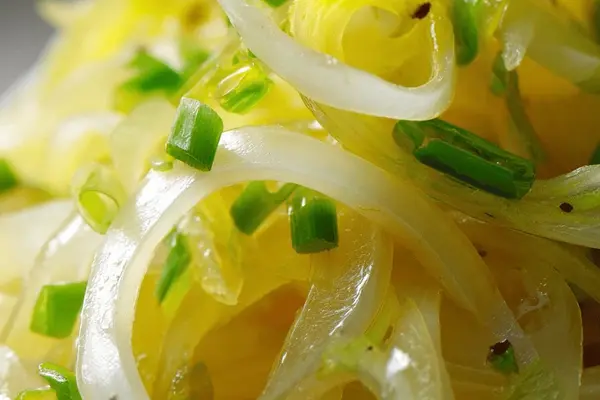
Quick Pickled Red Onions with Rice Vinegar
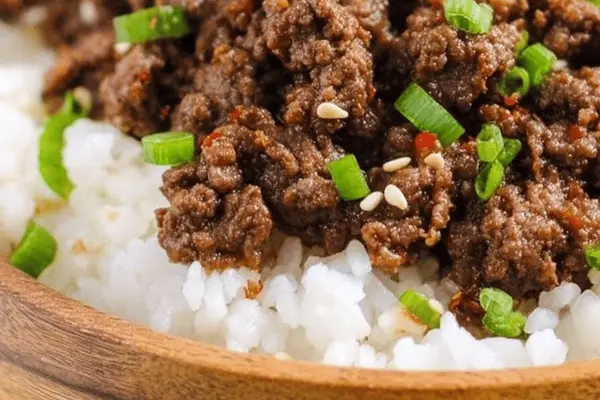
Korean Beef Bowl with Sesame Oil & Soy
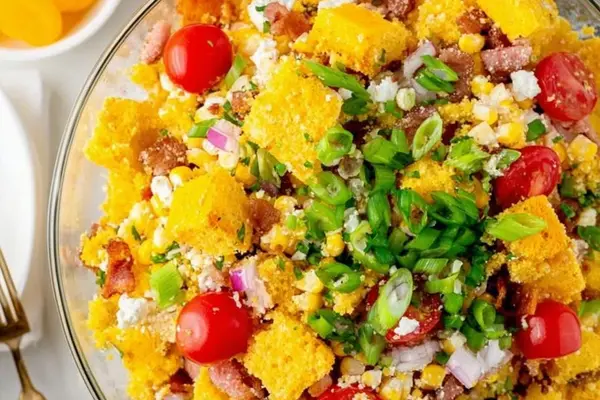
Cornbread Salad with Chickpeas & Bacon
Eggnog Cheesecake Recipe with Speculoos Crust
Stuffed Zucchini Flowers with Fennel
Savory Pastry Dough with Pork Fat
Smoked Salmon Hors D'Oeuvres Tart
Pasta with Roasted Peppers and Asparagus