Korean Pork Rice Bowls with Gochujang
By Emma
Certified Culinary Professional
·
Recipe tested & approved
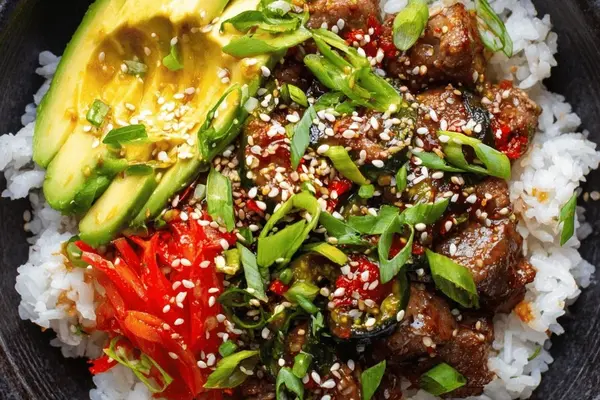
Korean pork rice bowls with Calrose rice, gochujang-glazed ground pork, pickled carrots and cucumbers, avocado, and toasted sesame seeds. Ready in an hour.
Prep:
35 min
Cook:
30 min
Total:
65 min
Servings:
4 servings
Ground pork hits the skillet. Two minutes in and it already smells like dinner. These korean pork rice bowls come together faster than you’d think — rice simmers while you pickle the vegetables, pork goes from raw to glossy and caramelized in the time it takes to set out bowls. 35 minutes prep, 30 minutes cooking. Total time: 65 minutes. One meal. Four full bowls.
Why You’ll Love These Korean Pork Rice Bowls
Takes 65 minutes start to finish and most of that is waiting around. The pickled vegetables give you bright, crisp tang without any fancy equipment — just a bowl and time. Gochujang does the heavy lifting. One ingredient makes it taste unmistakably korean. Pork stays juicy because you don’t overcook it. The trick is watching, not timing. Leftovers work cold. Tastes even better the next day — flavors sort of meld overnight. Easy dinner that feels like you tried. Looks good. Takes no real skill.
What You Need for Gochujang Pork Rice Bowls
Calrose rice or jasmine — doesn’t matter much. Both work. Calrose’s what I use because it’s cheap and gets slightly sticky, which helps hold everything together on the spoon.
Water. Salt. That’s the rice.
Rice vinegar and mirin for the pickled vegetables. Mirin’s sweet. Vinegar’s sharp. Together they soften the carrots and cucumbers in maybe 30 minutes without turning them mushy. Baby carrots, cut on the bias so they catch more pickle. Lebanese cucumbers — thinner skin, fewer seeds. Normal cucumbers work too. Just slice them thicker.
Gochujang. This is the thing. Red fermented soybean paste. It’s spicy and salty and deep. Can’t replicate it exactly with something else. Spicy miso works in a pinch — use less because it’s saltier. Harissa if you really need to. But just buy the gochujang. It’s like five dollars.
Garlic and ginger. Fresh. Grated, not minced — you want it to dissolve into the pork and coat everything.
Soy sauce, toasted sesame oil, mirin again. They go into the pork mixture. Sesame oil especially — don’t skip it. That nutty flavor is what makes this taste asian and not just like spicy ground meat.
Lean ground pork. 350 grams. Good quality if you can. The better the pork, the less it dries out.
Avocados. Ripe but still firm. Green onions. Sesame seeds toasted yourself in a dry pan — 90 seconds, they smell amazing, that’s your signal to pull them off heat.
How to Make Easy Korean Pork Rice Bowls
Start with rice. Wash it under cold water until the water runs almost clear. This matters. Takes maybe three rinses. Drain it well. Combine 230 grams rice with 400 milliliters water and a quarter teaspoon salt in a pot. Bring it to a boil uncovered. Once it’s bubbling hard, cover it, drop the heat down to the lowest setting — you want quiet bubbling, barely moving. Leave it for 14 to 17 minutes. Water gets absorbed. Sounds change. When the crusty sounds stop, you’re done.
Pull it off heat. Keep it covered. Let it sit for 12 minutes. This is when the rice finishes steaming inside the pot and the grains separate instead of clumping. Fork it gently when you open the lid. Don’t mash. Let it cool a bit so your bowls don’t get soggy.
While the rice is going, mix the vinegar and mirin and salt in a bowl. Just whisk until the salt dissolves. Toss your sliced carrots and cucumbers in there. Stir them around. Let them sit. The liquid softens them. Takes 25 to 35 minutes. They stay crunchy but give a little now. Drain the excess liquid right before you serve.
How to Get the Pork Perfectly Caramelized
Mix your gochujang, mirin, grated garlic, grated ginger, soy sauce, and sesame oil in a large bowl. This is your pork mixture. Add the ground pork. Mix it with your hands until every piece is coated. The mixture gets sticky. Looks almost glazed.
Heat a heavy skillet — cast iron works. Medium-high heat. Add oil. Swirl it around. Add the pork. Immediately start breaking it into small pieces with a wooden spoon. Don’t stir right away. Let it sit for maybe a minute. You want to hear it sizzle. That crackle means it’s making contact with the hot pan and starting to brown.
Stir and turn it every couple minutes. Every piece should get a turn in the hot spots. This takes about 12 to 15 minutes. You’re looking for deep brown color. Not pale. Not gray. Brown. The caramelization happens when the pork sits still long enough to get a crust. Stir it too much and you’re just moving wet meat around, and it steams instead of browns.
Check the texture at the end. Should be juicy still. Not dry. No wet raw spots. Taste it. Add more soy sauce if it needs salt. More gochujang if you want more heat.
Korean Pork Bowls Tips and Common Mistakes
Don’t rinse the rice halfway through cooking. Finish what you started. And wash it well at the beginning — that starch gets gummy if you don’t.
The pickled vegetables sit longer, they get softer. You want them firm still? 20 minutes instead of 35. Like them really soft? Go 45 minutes. They won’t fall apart either way.
If you don’t have gochujang, spicy miso works. Use less though. It’s saltier. Harissa gives you heat and depth. Different flavor profile but it works. Don’t use regular miso. Tastes blank.
Avocado can swap with ripe mango for brightness instead of creaminess. Or kimchi if you want more punch and you don’t mind extra spice.
Sesame oil burns if you cook with it. Toast it at the end. Toast it raw in the pork mixture. Saves the nutty flavor.
The pork browns better if you don’t crowd the pan. Use a big skillet. If it looks packed, do it in two batches. Crowded pork steams. Uncrowded pork browns.
Leftover pork reheats fine. Stays moist. Great cold on noodles the next day or wrapped in lettuce. Rice can go in the fridge. Avocado doesn’t keep, so add it fresh when you eat.
Toast your own sesame seeds. Takes a minute in a dry pan over medium heat. They smell done when they’re done. Don’t burn them. Burned sesame tastes bitter.
Korean Pork Rice Bowls with Gochujang
Prep:
35 min
Cook:
30 min
Total:
65 min
Servings:
4 servings
Ingredients
- Rice
- 230 g (1 1/4 cup) Calrose rice or jasmine rice
- 400 ml (1 2/3 cups) water
- 1 ml (1/4 tsp) salt
- Pickled Vegetables
- 40 ml (2 2/3 tbsp) rice vinegar
- 40 ml (2 2/3 tbsp) mirin or dry sherry
- 2 ml (1/3 tsp) salt
- 3 baby carrots, thinly sliced on bias
- 3 Lebanese cucumbers, halved lengthwise, sliced bias about 1 cm thick
- Pork Mixture
- 40 ml (2 2/3 tbsp) gochujang or substitute spicy fermented miso
- 25 ml (1 1/2 tbsp) mirin
- 2 garlic cloves, finely grated
- 12 ml (2 1/2 tsp) freshly grated ginger
- 15 ml (1 tbsp) low sodium soy sauce
- 15 ml (1 tbsp) toasted sesame oil
- 350 g (12 oz) lean ground pork
- 15 ml (1 tbsp) vegetable or grapeseed oil
- Garnish
- 2 ripe but firm avocados, sliced
- 1 green onion, thinly sliced
- Toasted sesame seeds, to taste
Method
- Rice
- 1 Wash rice well under cold water until water runs almost clear, important to prevent gummy texture. Drain well. In pot, combine rice, water, salt. Bring to soft boil uncovered. Once bubbling, cover, reduce heat to lowest simmer — quiet bubbling surface only. Cook 14-17 minutes until water absorbed, crusty sounds stop. Rest covered off heat 12 minutes — rice grains finish steaming, separate nicely when fluffed. Use fork to fluff gently, avoid mashing. Let cool slightly to avoid soggy bowls.
- Pickled Vegetables
- 2 While rice simmers, whisk vinegar, mirin, salts until dissolved. Toss carrots and cucumbers in mixture, stir well. Let sit 25-35 minutes — veggies soften, vibrantly tangy, some crunch left. Drain excess liquid before serving. Could add thin sliced daikon or radish for added crunch or color variety.
- Pork Preparation
- 3 Mix gochujang, mirin, garlic, ginger, soy sauce, toasted sesame oil in large bowl. Add pork; mix thoroughly by hand until meat evenly coated, sticky. Heat heavy skillet over medium-high. Add oil, swirl. Add pork mixture, immediately start breaking into small pieces with wooden spoon. Let pork sit briefly undisturbed, hear sizzling crackle. Stir and turn meat every couple minutes to develop deep caramelized crust, no pale patches. Takes about 12-15 minutes. Watch texture closely — pork should be browned but still juicy, no dryness. Taste for salt & heat, adjust if needed (extra soy or gochujang).
- Assembly
- 4 Divide rice evenly into four bowls. Spoon pork over rice, including any juices, glossy coating important. Neatly pile pickled carrots and cucumbers to one side for contrast. Add avocado slices around edge or on top for creaminess that cools heat. Sprinkle with sliced green onions and toasted sesame seeds liberally. Serve immediately. The pork juices soak rice, blending savory heat with cool, tangy fresh crunch and buttery avocado.
- Tips & Variations
- 5 If no gochujang: spicy miso or harissa can replace for heat and umami, lower quantity if extra salty. Avocado can be swapped with ripe mango or even a quick kimchi if craving punch. If rice sticks together too much, rinse more, or add a sprinkle of cornstarch in pickling step to keep veggies crisp. Cook pork low to avoid drying but high enough to get caramelization — no pale meat or mush. Could also use ground chicken or turkey but slower cooking, less fat. Toast sesame seeds in dry pan until fragrant, don't burn — nutty aroma signals good flavor. Leftover pork reheats well, great with cold noodles or lettuce wraps.
Nutritional information
Calories
550
Protein
28g
Carbs
54g
Fat
22g
Frequently Asked Questions About Korean Pork Rice Bowls
Can I make this ahead? Rice, pork, pickled vegetables all keep fine in the fridge for three days. Assemble right before eating. Avocado browns if it sits. Add it when you’re ready to serve.
What if my rice turns out gummy? Didn’t wash it enough. Rinsed it too little. Next time keep going until the water’s almost clear. Also make sure you’re not adding too much water. The ratio matters — 1 cup rice to 1 2/3 cups water.
Can I use ground chicken instead? Yeah. Cook it a bit longer — chicken needs more time to brown than pork. Maybe 18 minutes instead of 15. Pork has more fat so it browns faster and stays juicy. Chicken’s leaner. Don’t rush it or it gets dry.
How spicy is this really? Depends on the gochujang brand. Some are hotter than others. Start with the amount in the recipe. Taste the pork before serving. Add more gochujang if you want more kick. It’s adjustable.
Does the avocado have to go on top? Nope. Slice it alongside. Pile it around the edge. Matters more that you eat it fresh. It browns fast if it sits cut. Add it right before you eat.
What’s the point of toasting the sesame seeds myself? Pre-toasted ones sit in a package and lose their flavor. Fresh-toasted takes 90 seconds and they smell amazing. Nutty. That smell is when they’re done. Different thing entirely from the dull seeds in a jar.
Can I skip the pickled vegetables? Technically yes. But they’re the acid that balances the rich pork and rice. Makes the bowl feel fresh instead of heavy. Worth the 30 minutes. That’s almost your whole prep time anyway.
What if I can’t find Lebanese cucumbers? Regular cucumbers work. Slice them thicker because they’re wetter and break down faster in the vinegar. Daikon works too. Radishes work. Anything crisp and slightly peppery goes good with gochujang.
You’ll Love These Too
Explore all →
Duck Breast Red Wine Cocoa with Kale
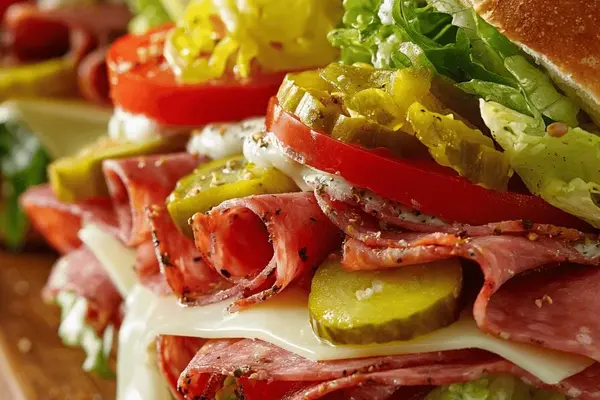
Italian Sub Sandwich with Genoa and Calabrese Salami

Rustic Shortcakes with Spelt Flour & Berries
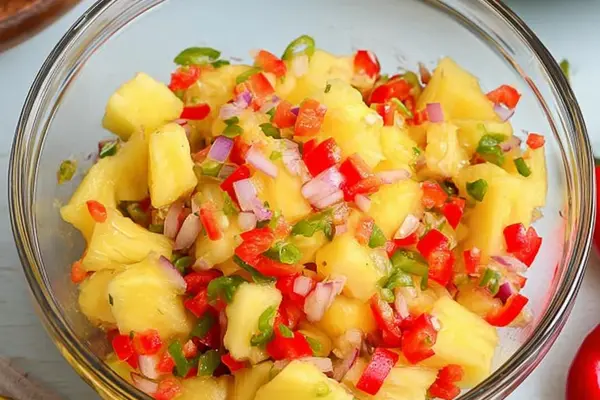
Recipe For Making Salsa With Pineapple
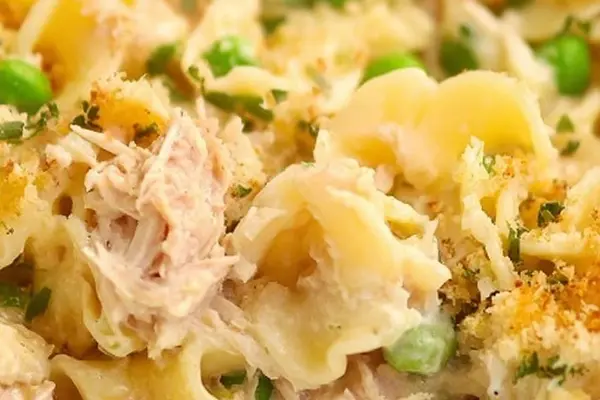
Tuna Casserole with Egg Noodles

Crunchy Oat Biscuits with Maple Syrup

Mini Goat Cheese Quiche with Pine Nuts
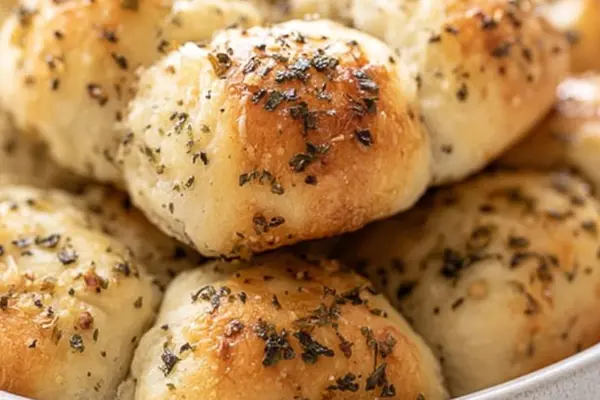
Baked Brie Recipe with Pepper Jack Cheese

Korean Chicken Fried with Buttermilk & Sriracha
Grilled Vegetables: Charred Three Bean
Shrimp Stir Fry Recipe with Kimchi

Icing Recipe With Crisco and Butter
Veal Parmesan with Panko & Pecorino
Grilled Chicken Sandwiches with Scallion Sauce

French Toast with Blueberry Compote
Crispy Tofu Sticks with Honey Mustard

Mint Chocolate Brownies with Ganache

Fluffy Pancakes Recipe with Buttermilk
Roasted Chicken with Chorizo and Lemon