Roasted Turkey with Juniper and Aquavit
By Emma
Certified Culinary Professional
·
Recipe tested & approved
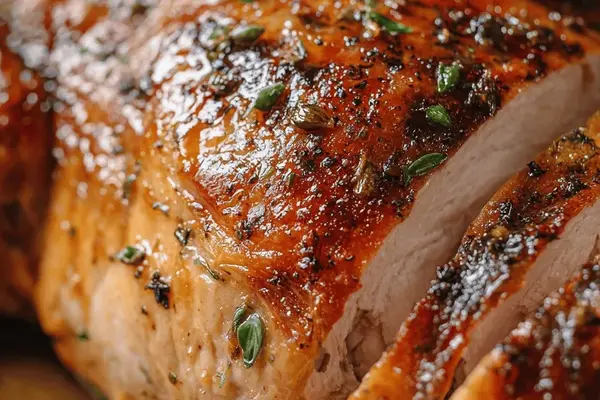
Roasted turkey dry-brined with juniper berries, coriander seeds, and aquavit. Slow-roasted until golden with pearl onion sauce thickened in beef stock. Tender, flavorful meat.
Prep:
15 min
Cook:
1h 20min
Total:
1h 35min
Servings:
8 servings
Scatter the turkey pieces into a deep dish. Salt, juniper, coriander, pepper—rub it in everywhere. Drizzle aquavit. Wrap it. Refrigerate overnight. This dry brined turkey with juniper is what makes the skin actually crisp and the meat stay juicy while everything tastes like something specific—piney, herbal, a little sharp. Ten to fourteen hours pulls moisture out and seasons deep. That’s the whole thing.
Why You’ll Love This Holiday Turkey Dinner
Tastes like something you’d eat at a real dinner, not a obligatory one. The juniper berry roasted turkey has character—aquavit and coriander seeds do that, make it feel intentional.
Skin gets actually crispy. Not just brown. Shatter-crisp. The butter underneath, the dry brine pulling out moisture, the high heat blast at the start—it all stacks.
Doesn’t take forever. Ninety-five minutes total. Faster than most turkeys because it’s halved or quartered, heat reaches everywhere.
Pearl onions in the sauce are sweet and mild but the aquavit bites back. Comfort food turkey that’s not boring.
Resting matters—juices redistribute, meat stays tender all the way through. Then it falls apart the right way.
What You Need for Dry Brined Turkey With Juniper
One turkey—five kilos, halved or quartered. Halves work better if your oven’s normal-sized. Salt. Crushed juniper berries—a tablespoon, maybe a bit less. Coriander seeds crushed fine. Black pepper, freshly ground. About a quarter cup aquavit or dry gin—aquavit’s got that herbal thing going, adds depth gin doesn’t quite match. Cold butter cut into chunks.
For the sauce: twenty red pearl onions peeled. Three garlic cloves minced. Butter. Rye flour—swaps for wheat if you want something nuttier, but all-purpose works. A litre of beef stock. More aquavit or gin, just a splash. Salt and pepper at the end.
How to Make Slow Roasted Turkey With Butter
Pat your turkey pieces dry. This matters—skin won’t crisp if it’s wet. Mix salt, juniper, coriander, pepper in a small bowl. Rub it all over the turkey—under folds, everywhere. Don’t skip the crevices. Pour aquavit over everything, cover with plastic, refrigerate. Overnight. Maybe twelve hours minimum. You’re not marinating. You’re pulling moisture out while the spices and salt work their way into the meat. After it sits, pat it dry again.
Oven to 210 degrees Celsius. Middle rack. Line a baking sheet with parchment—makes cleanup matter less. Lay turkey on the sheet skin side up. Take your cold butter and dot it all over the skin, spread it out a little. Let some sit in the pan underneath. Slide it into the hot oven.
Stay nearby. After fifty-five minutes the skin should hiss and crackle, butter bubbling at the edges. That sound matters more than a timer. Reduce heat to 180 degrees. Roast another thirty-five to forty minutes depending on your oven—some run hot, some don’t. Temperature probe goes into the thickest part of the breast. You want 73 degrees Celsius internal. Pull it out. Let it rest loosely tented with foil for twelve minutes minimum. Just loosely. The skin firms up, the juices settle, the meat stops being dry.
How to Get Turkey Skin Crispy and Perfect
The crisp happens because of three things stacking. The dry brine pulls surface moisture out overnight. The high heat blast at the start—two hundred and ten degrees for fifty-five minutes—browns it aggressively. The butter underneath melts and drips, fat seeps under the skin, keeps the breast moist while the surface cracks.
Don’t wrap it in foil during roasting. Foil steams it. Kills the crisp. If the skin browns too fast partway through, tent it loosely—just loosely—for a few minutes, then uncover it again for the last bit. Let the oven do the work. Watch it. Listen. You’ll know when it sounds right.
The herb roasted turkey with juniper berries gets that color because juniper oils and coriander are rubbed into the skin overnight. They don’t just season. They stain slightly, they perfume the fat rendering out, they make the whole thing smell done before it looks done.
Turkey With Crushed Juniper and Spices—Tips and Common Mistakes
Don’t skip the dry brine. People think it’s extra. It’s not. The salt and juniper penetrate, the aquavit adds something floral, the whole bird tastes like it was meant to be cooked this way instead of just salted and roasted.
Pat it dry after the brine. Twice if you have to. Wet turkey skin steams instead of crisps. Not worth it.
No aquavit in your area? Dry gin works. Vodka works if you add a tiny bit of caraway or dill—mimics the herbal note aquavit has naturally. The coriander and juniper do most of the flavor work anyway.
Rye flour’s nutty. All-purpose is fine if that’s what you have. Flour goes into the sauce—sprinkle it over the onions and garlic after they’ve softened, stir for a minute or two so the raw taste cooks out, then whisk in stock gradually. No lumps that way. The sauce thickens slowly. Don’t rush it with high heat. Eighteen to twenty-two minutes of gentle stirring. Stir every few minutes. Consistency should coat a spoon, not pour.
Pearl onions are worth peeling. They stay whole, they burst sweet when you bite them, they’re worth the effort. Shallots work if onions are impossible but you lose the texture.
Check thermometer placement—deepest part of the breast, not touching bone. The meat should read seventy-three degrees. Over that and it dries. Under and it’s not safe.
Let it rest. Minimum twelve minutes. Foil loosely tented. If you slice immediately the juices run everywhere and the meat gets dry. Resting redistributes everything. Texture changes. Becomes what it should be.
Roasted Turkey with Juniper and Aquavit
Prep:
15 min
Cook:
1h 20min
Total:
1h 35min
Servings:
8 servings
Ingredients
- Turkey
- 1 turkey about 5 kg halved or quartered – halves better if you have a big oven
- 18 ml salt (3 1/2 teaspoons)
- 12 ml crushed juniper berries (1 tablespoon)
- 5 ml crushed coriander seeds (1 teaspoon)
- 2 ml black pepper freshly ground (about 1/2 teaspoon)
- 60 ml aquavit or dry white gin (1/4 cup) – aquavit adds herbal depth
- 50 g cold butter diced (about 3 1/2 tablespoons)
- Pearl Onion Sauce
- 20 red pearl onions peeled (reduce a bit)
- 3 garlic cloves minced finely
- 30 ml butter (2 tablespoons)
- 20 ml rye flour (1 1/2 tablespoons) – swap wheat flour for a nuttier note
- 1 litre beef stock (4 cups)
- 20 ml aquavit or dry white gin (1 1/2 tablespoons)
- Salt and pepper freshly ground
Method
- Turkey Prep and Brine
- 1 Scatter the turkey pieces into a deep ceramic or glass dish. Combine salt, crushed juniper, coriander seeds, and pepper thoroughly. Rub this all over every nook of the bird pieces. Then drizzle aquavit evenly, covering the meat with a plastic wrap. Refrigerate for about 10 to 14 hours. Overnight if you can. This dry brine is crucial—pulls moisture, seasons deep, juniper oils penetrate. Discard any liquid; no rinsing needed. Pat dry with paper towels. Be sure turkey is dry — skin won’t crisp otherwise.
- 2
- Roasting Setup
- 3 Place your oven rack smack in the middle. Preheat to 210 °C (410 °F) for that initial blast. Line a rimmed baking sheet with parchment paper. Butter cubes ready to go. Lay turkey on the tray skin side up. Dot and spread butter pieces on the skin generously. Butter melts, fat drips, flavor seeps under the skin — key for moist breast meat and golden crackly skin. Patience to let butter layer under skin is well spent.
- 4
- Roast
- 5 Slide into hot oven 55 minutes. Listen carefully: skin hisses and crackles lightly, bubbling butter visible around edges. After 55 min, reduce heat to 180 °C (355 °F). Roast an additional 35 to 40 minutes, depending on bird size and oven quirks. Use a meat thermometer — inserted deep into thickest breast — look for 73 °C (163 °F). Remove when done. Let rest loosely tented with foil for 12 minutes minimum. Resting distributes juices evenly, skin firms to shatter crispness.
- 6
- Sauce with Pearl Onions
- 7 While turkey roasts, work on sauce. Melt butter in large sauté pan over medium heat. Toss peeled pearl onions and garlic in, cooking gently until onions soften and edges get translucent (about 8 to 10 minutes). Don’t rush, patient stirring ensures tender pearls without browning. Sprinkle rye flour evenly over onions, stir briskly so flour coats and cooks out raw taste—1 to 2 minutes. Gradually whisk in beef stock and aquavit, scraping any brown bits stuck to pan rim. Bring to a simmer. It’ll thicken gradually — watch consistency. Keep stirring every few minutes for 18 to 22 minutes until sauce lightly coats a spoon. Season with salt and pepper last — always adjust at end; stock saltiness varies.
- 8
- Carving and Serving
- 9 Carve turkey finely across the grain. Juices should run clear, texture firm but yielding. If overcooked, dry carcass discourages any sauce magic; too rare, texture rubbery. Pour sauce into warm gravy boat or spoon generously onto plates. Serve alongside sliced turkey. The slightly sweet onion pearls burst mild acidity counterbalanced by herbaceous bite from aquavit and juniper. Remember, flavor develops with time and rest, don’t rush slicing.
- 10
- Tips and Tricks
- 11 If no aquavit, substitute with dry white gin or vodka with touch of dill or caraway seed infusion—simulate herbal aroma. Rye flour adds rustic nuttiness, but all-purpose flour works just fine. If pearl onions unavailable, chopped shallots sautéed slow can substitute but lose pearl texture. Avoid foil wrapping turkey skin during roasting—it steams skin, killing crispness. Always baste sparingly; butter dripping suffices if skin dry enough. Rest turkey uncovered briefly before tenting for better skin retention. Use a probe thermometer if oven is uneven—leave probe in during cooking.
- 12
- 13 Avoid overcrowding baking sheet for even roast. If skin browns prematurely, tent loosely with foil mid-cook; resume roasting without foil near end for crisp finish. Watching, smelling, listening crucial—you’ll know when skin bubbles and crackles. Substitute beef stock with homemade chicken stock if necessary, but beef adds depth. Sauce thickens slowly—don’t rush by increasing heat; risks lumps. Keep stirring consistently.
- 14
- 15 This method evolved after many messy roasting attempts when skin stayed wet or meat dry. The dry brine with juniper and coriander, plus aquavit trick, gives subtle piney depth, aligns well with rye flour’s offbeat texture in sauce. Pearl onions impart sweetness with a bite. A dish with character, not fuss, that’s what I aim for.
Nutritional information
Calories
460
Protein
47g
Carbs
7g
Fat
28g
Frequently Asked Questions About Holiday Turkey Dinner
Can you use chicken stock instead of beef stock for the sauce? Yeah, it works. Beef adds a darker depth, something almost sweet underneath. Chicken’s lighter. Either way the sauce thickens and the pearl onions matter more than the stock honestly.
What if the turkey skin doesn’t crisp? Either it wasn’t dry enough before roasting, or the oven’s not hot enough. Thermometer on the oven rack sometimes reads different than inside. If it’s pale and soft, next time start higher heat for longer—sixty minutes instead of fifty-five at the higher temp. Or pat it extra dry before it goes in.
Can you make this with a whole turkey instead of halved? Takes longer. Whole birds don’t cook evenly, you’re always dealing with parts done before other parts. Halved is faster, heat reaches everything. If you insist on whole, add maybe thirty minutes, watch the thigh temperature specifically, it lags behind the breast always.
How long does the sauce keep? Three days cold. Reheats fine in a pan over medium heat, stir it, might need a splash of stock if it got thick. Freezes okay too.
What does the aquavit actually taste like? Herbal. Piney. Like someone infused caraway and anise and juniper all together. Dry gin’s more neutral, let’s the juniper in the turkey rub dominate. Either works but aquavit ties the whole thing together, makes it taste Scandinavian, which this is.
Do you have to rest the turkey? Yeah. Sounds fancy but it’s practical. Juices redistribute. Meat relaxes. If you slice right off the heat it’s stringy and loses liquid. Twelve minutes minimum. Foil loosely so the skin doesn’t steam.
Can you substitute the rye flour? All-purpose. Cornstarch. Whatever. Rye’s nuttier, gives the sauce an almost sweet undertone, but all-purpose gets the job done just fine.
You’ll Love These Too
Explore all →
5 Vinaigrette Recipes: Olive Oil & Balsamic
Gyro Sauce Recipe with Greek Yogurt
Asparagus Pea Puff Tart with Herb Spread
Cowboy Spaghetti with Bacon & Cheddar
Salted Dulce de Leche Bars with Buttery
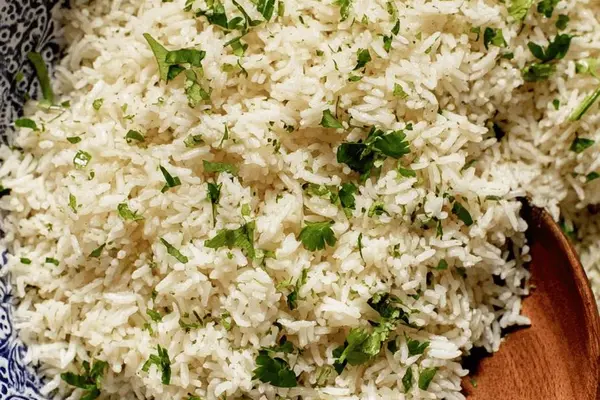
Cilantro Lime Rice Pilaf with Smoked Paprika

No Bake Horse Cookies with Milano & Nilla Wafers
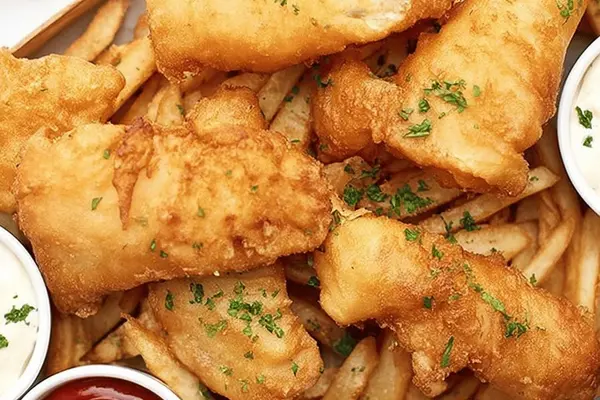
Crispy Beer Battered Cod with Pale Ale
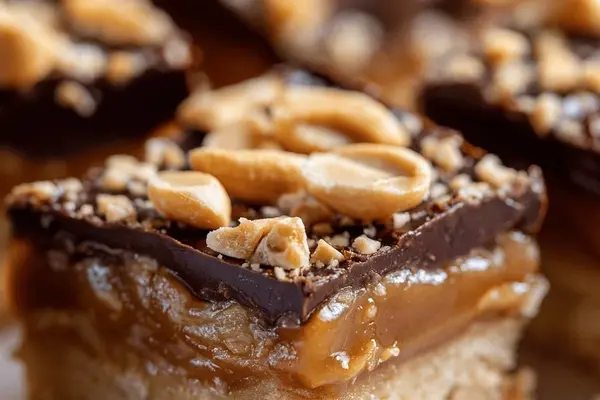
Crunchy Peanut Caramel Bars Recipe
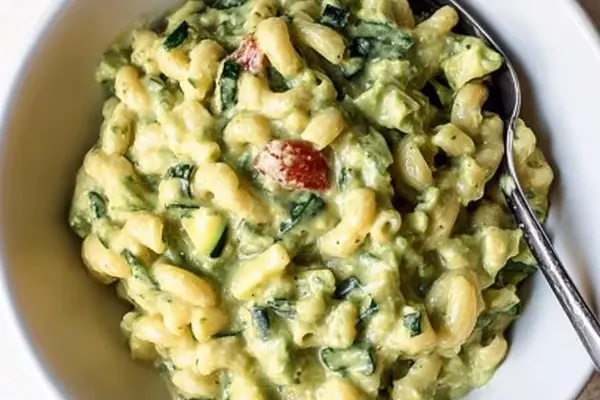
Pasta Sauce White Sauce with Avocado
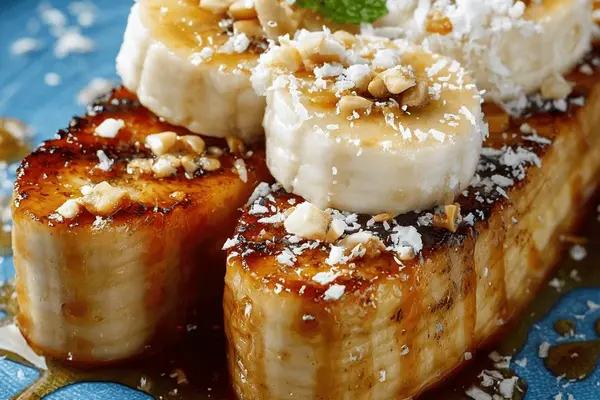
Grilled Banana Dessert with Maple Syrup
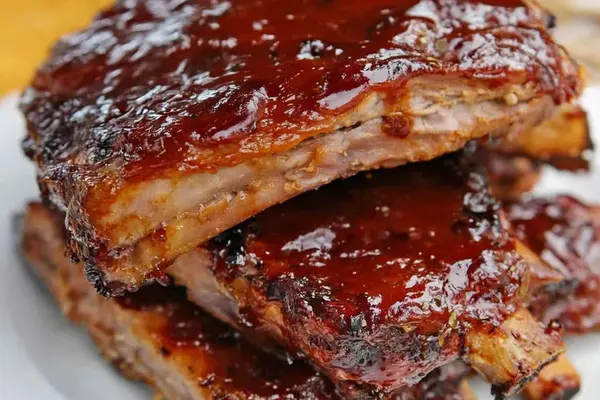
Oven-Steamed BBQ Ribs with Paprika Dry Rub
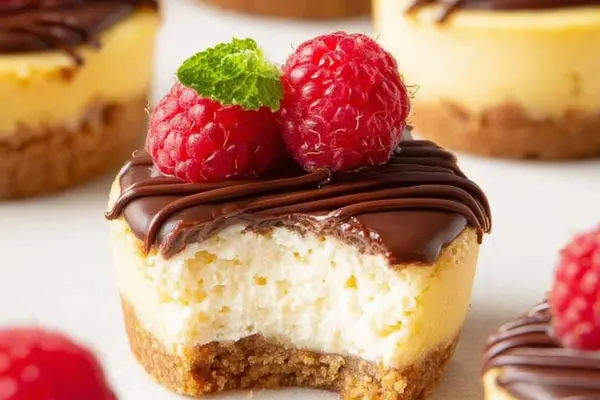
Mini Cheesecake Bites with Chocolate Ganache
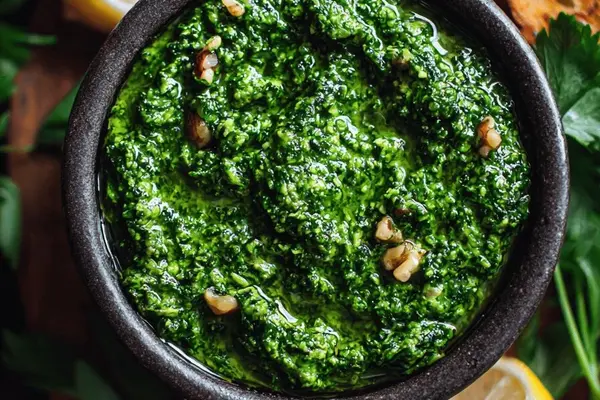
Fresh Basil Pesto Recipe with Spinach

Cheesy Garlic Bread with Mozzarella
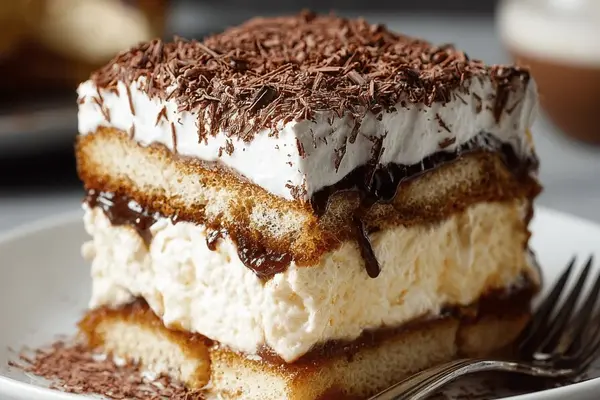
No Bake Cheesecake with Cream Cheese
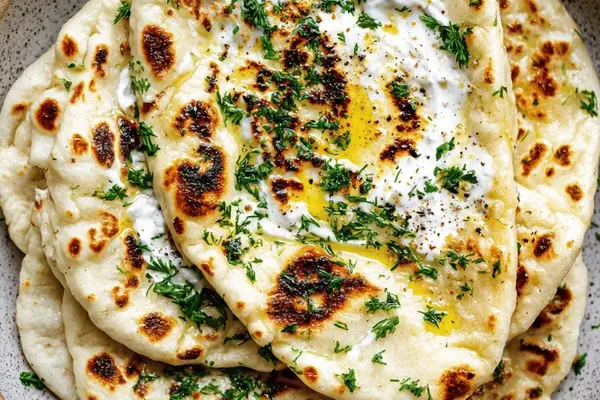
No Knead Bread Recipe with Yogurt
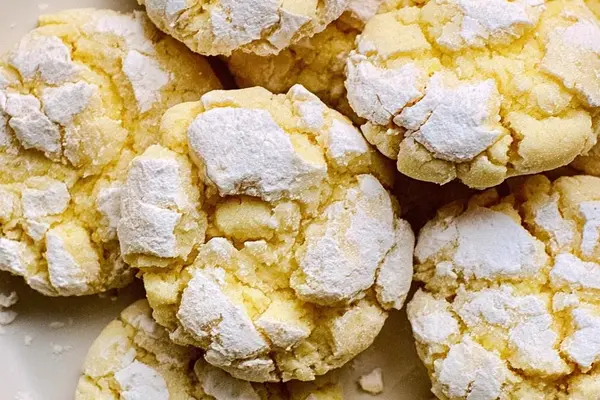
Lemon Crinkle Cookies with Browned Butter
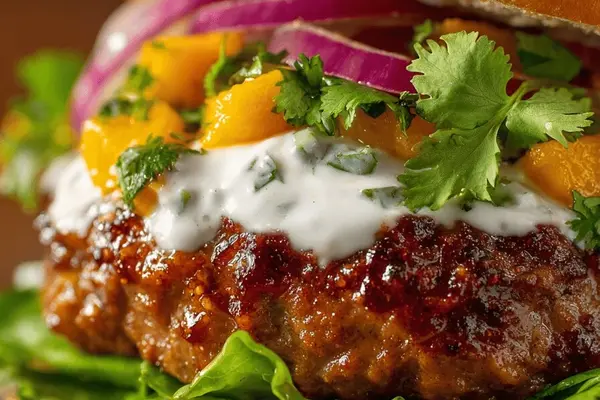
Indian Spiced Beef Burgers with Mango Sauce